

In the ever-evolving landscape of sustainable gardening, understanding how to manage water effectively is paramount. Plants that absorb water can be useful in a range of water management strategies in UK gardens.
With the increasing unpredictability of weather patterns, from prolonged droughts to sudden flooding, gardeners are seeking resilient solutions that align with permaculture principles.
One such solution lies in the strategic use of water-loving plants that thrive in moist to wet conditions and play a crucial role in water management. In this article, learn about the best plants that absorb water.
Quick Facts
- Water-loving plants, also known as hydrophilic plants, thrive in moist to wet soil conditions.
- These plants can help mitigate flooding by absorbing excess water and stabilising soil.
- Incorporating such plants into your garden in ponds or as part of wetland habitats supports biodiversity, attracting beneficial insects and a wide range of other wildlife.
- They are integral to rain gardens, which are designed to manage stormwater runoff sustainably.
Not All Plants Absorb the Same Amount of Water
It’s essential to recognise that plants vary in their water absorption capacities. Some species are adept at thriving in saturated soils, while others prefer drier conditions. Some are better at coping with fluctuations in water availability than others. Understanding these differences is crucial when designing a garden that aims to manage water effectively.
What Happens To Plants When There Is Too Much Or Too Little Water?
Water is vital for plant health, but both excess and deficiency can be detrimental for plants that absorb water:
- Overwatering: Leads to oxygen-deprived roots, causing root rot and fungal diseases.
- Underwatering: Results in wilting, reduced growth, and increased susceptibility to pests.
Maintaining optimal soil moisture is key to plant health which is why it is important to understand watering, and to match your strategies to the needs of specific plants that absorb water and the specific environmental conditions where you live.
What About Fluctuating Moisture Levels?
Fluctuating moisture levels can stress plants that absorb water, making them more vulnerable to diseases and pests. To mitigate this:
- Mulching: Helps retain soil moisture during dry periods and improves drainage during wet conditions.
- Soil Amendments: Incorporating organic matter enhances soil structure and water-holding capacity.
- Plant Selection: Choosing plants adapted to variable moisture conditions ensures resilience.
Drainage and Water Management
Effective water management is a cornerstone of sustainable gardening. Some important strategies for sustainable gardeners are:
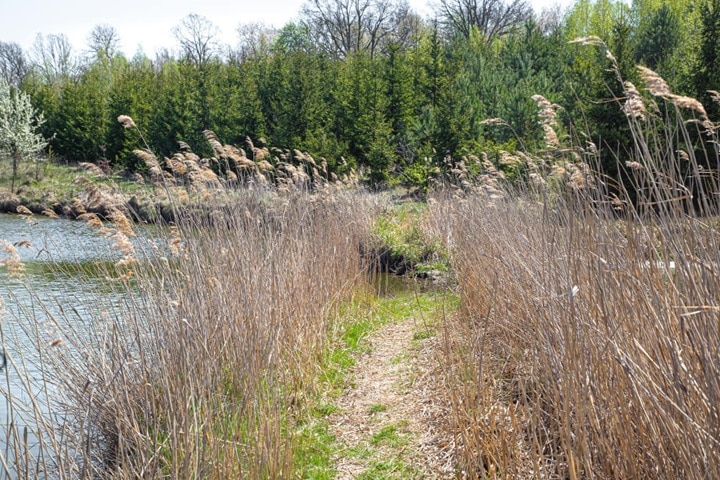
- Ponds and Bog Gardens: Ponds collect rainwater, slow its flow through the landscape, and offer habitat for amphibians, insects, and birds. Surrounding your pond with bog gardens—areas designed to stay permanently moist—lets you grow a beautiful range of plants that absorb water. Learn about UK pond fish.
- Rain Gardens: Rain gardens are shallow, planted depressions that collect runoff from roofs, driveways, or other hard surfaces. Instead of letting water rush away into drains, rain gardens infiltrate it slowly into the ground, recharging the water table and filtering pollutants through the soil and plant roots.
- Swales: Swales are ditches that slow down and capture water as it moves across the landscape, encouraging it to percolate into the soil rather than run off the surface. In permaculture systems, on-contour swales are often planted with trees or shrubs on their lower edges. These plants benefit from the increased soil moisture while their roots help stabilise the swale itself. There are also vegetated swales, or diversion ditches, used to gently direct water from one place to another.
- French Drains: Where soils are heavy and drainage is poor, a French drain can help redirect excess water underground. This technique involves digging a trench and filling it with gravel or stones, sometimes with a perforated pipe at the base. Water is channelled through the trench and guided away from areas prone to waterlogging. Unlike traditional drains that merely move water away, a well-placed French drain in a permaculture context can connect water from high to low points, gently guiding it toward rain gardens, ponds or other areas where it can be put to good use.
- Permeable Surfaces: Too many gardens, especially in built-up areas, are paved over with impermeable materials that accelerate water runoff, increase flood risk, and rob the soil of moisture. Choosing permeable alternatives—such as gravel paths, open-jointed paving, woodchips, or permeable block systems—allows rainwater to seep into the ground and nourish the soil food web below.
Implementing these features can significantly enhance a garden’s ability to manage water sustainably. Discover the best pond plants for wildlife.
How a Rain Garden Works to Reduce Water Runoff
A rain garden is a shallow, planted depression that collects rainwater from impervious surfaces like roofs and driveways. By allowing water to infiltrate slowly, rain gardens can:
- Reduce Flooding: By capturing and holding stormwater temporarily and allowing more water to be infiltrated on site rather than running off your property.
- Filter Pollutants: Plants and soil microorganisms break down contaminants.
- Enhance Aesthetics: Provide visual appeal and habitat for wildlife.
Selecting appropriate plants is crucial for a functional rain garden. Plants that absorb water to the greatest degree, and which thrive in damp to wet conditions, are chosen for the base of the rain garden, while plants that can cope with drier conditions are placed around the rim.
Choosing the Right Trees, Shrubs, and Plants to Absorb Water
From bog gardens to swales and rain gardens, plants that absorb water become the workers in the landscape—filtering, absorbing, stabilising and enriching. Here’s how to choose the right trees, shrubs, and herbaceous plants for your watery spots:
Around Ponds and In Bog Gardens
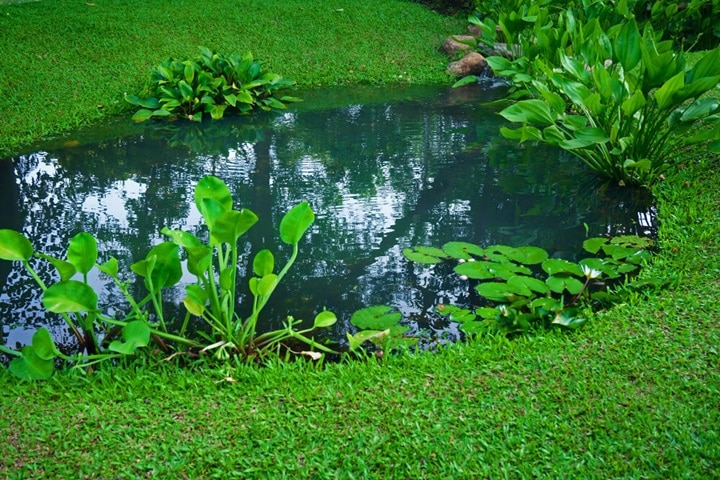
Pond margins and boggy areas are among the richest habitats you can create in a garden. These damp zones teem with life—dragonflies, frogs, pollinators—and provide a vital function in soaking up excess water. They’re best planted with species that not only tolerate wet roots but thrive in them. Here are some native plants that absorb water options you might consider:
Trees and Large Shrubs
- Alder (Alnus glutinosa): A keystone species in wetland permaculture. Alders grow quickly, fix nitrogen in the soil, and host a variety of wildlife. Their roots help stabilise saturated banks and are well-suited to the edges of ponds and ditches.
- Goat Willow (Salix caprea) and Grey Willow (Salix cinerea): These native willows are excellent water absorbers and provide early nectar for pollinators. Willows are also useful in woven fencing and natural drainage designs.
- Guelder Rose (Viburnum opulus): Often found in hedgerows and wet woodlands, this shrub produces clusters of white flowers in summer and red berries in autumn—loved by birds and insects alike.
Perennials and Bog Plants
- Marsh Marigold (Caltha palustris): A cheerful herald of spring, this golden native thrives at pond margins and is important for early insects.
- Yellow Flag Iris (Iris pseudacorus): This bold and architectural wetland plant absorbs water and filters nutrients—ideal for larger ponds and wet areas.
- Water Mint (Mentha aquatica): Not only aromatic but also a valuable plant for pond edges. Its lilac flowers are magnets for pollinators, though it should be planted with space to spread.
- Meadowsweet (Filipendula ulmaria): Once used to flavour mead, this tall native plant is excellent in damp meadows and marshes, attracting hoverflies and bees.
- Purple Loosestrife (Lythrum salicaria): Its tall purple spikes bring a meadow feel to wet margins, and its deep roots help absorb excess moisture.
- Water Avens (Geum rivale): Suited to damp grassland and streamsides, with distinctive nodding flowers in soft pink and rust.
For Rain Gardens
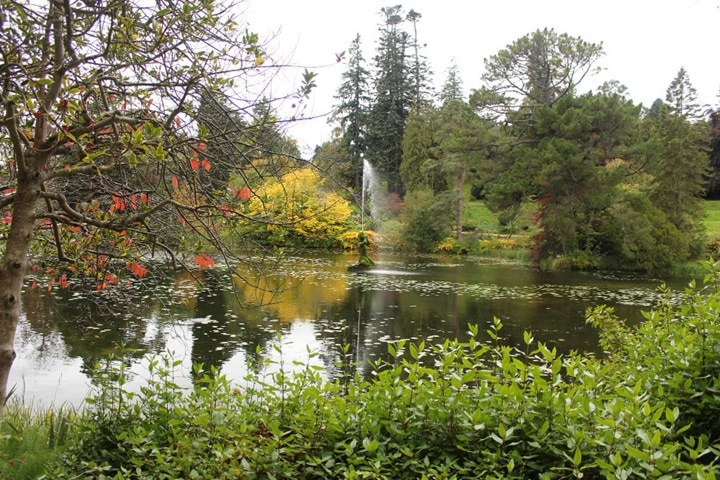
The best plants that absorb water for rain gardens can handle both extremes: periods of saturation and times of dryness. These UK natives are adapted to such fluctuations. Some native plants to consider are:
Trees and Shrubs
- Downy Birch (Betula pubescens): A graceful native tree for damper ground, often found in wet woods and peaty soils.
- Elder (Sambucus nigra): A favourite for permaculture gardeners. This native shrub produces flowers and berries for humans and wildlife alike and thrives in fertile, damp soils.
- Dogwood (Cornus sanguinea): Its winter-red stems bring colour to the dormant season, while the roots hold soil on slopes or in shallow basins.
- Rowan (Sorbus aucuparia): Not just a woodland tree—rowan also does well in damper soils. Its berries feed birds, and its flowers support insects.
Herbaceous Plants
- Devil’s-bit Scabious (Succisa pratensis): A late-season pollinator hero that tolerates fluctuating moisture and is essential in traditional wet meadows.
- Ragged Robin (Silene flos-cuculi): Delicate, frilly pink flowers that light up moist areas and attract a variety of bees and butterflies.
- Great Burnet (Sanguisorba officinalis): A superb addition to a rain garden with its unusual flowers and affinity for moist but not waterlogged soils.
- Marsh Woundwort (Stachys palustris): A pollinator-friendly mint family plant that grows happily in the alternating wet and dry of rain gardens.
- Tussock Sedge (Carex paniculata): Useful in larger rain gardens for stabilising banks and absorbing water. Its dense growth is also good for sheltering wildlife.
For Vegetated Swales
Vegetated swales are engineered to convey water, slowing it with plant roots, dense vegetation, and shallow slopes, while also filtering out sediment and pollutants. Unlike storm drains or culverts, these green infrastructure features integrate living systems into water management.
Ideal UK native plants include:
- Soft Rush (Juncus effusus) – A staple for swale bases with excellent filtering properties.
- Hard Rush (Juncus inflexus) – Similar to soft rush, with a stiffer growth habit.
- Tussock Sedge (Carex paniculata) – Ideal for swale sides and base; prevents soil wash-out.
- Brooklime (Veronica beccabunga) – Low-growing, spreads readily, and thrives in seasonal wetness.
- Bugle (Ajuga reptans) – Ground-hugging native that knits together swale banks.
- Creeping Jenny (Lysimachia nummularia) – Spreading and vibrant, ideal for visually softening swale contours.
- Water Mint (Mentha aquatica) – Aromatic, pollinator-friendly, and moisture-loving—useful where swales slow dramatically.
- Marsh Woundwort (Stachys palustris) – Robust root systems and beneficial for bees.
For the berms or higher sides:
- Hazel (Corylus avellana)
- Elder (Sambucus nigra)
- Dogwood (Cornus sanguinea): These can handle the drier edges while still benefiting from occasional moisture influx.
These and many other UK native plants not only absorb and manage water effectively, but also provide habitat, food, and shelter for a wide range of insects, birds, and mammals. They also help maintain healthy ecosystems and make your garden more resilient to climate change—whether that means excess rainfall, flooding, or droughts – since all of these are going to become more common over the years to come.
FAQs
Are there groundcovers that absorb water well?
Yes, several groundcovers are effective at absorbing water:
Creeping Jenny (Lysimachia nummularia): Thrives in moist soils and provides a lush carpet of foliage.
Marsh Marigold (Caltha palustris): Produces bright yellow flowers and prefers wet conditions.
Water Mint (Mentha aquatica): Aromatic groundcover that attracts pollinators.
What trees are good for absorbing water?
Trees with high transpiration rates and tolerance for wet soils are ideal:
Willows (Salix spp.): Particularly effective in absorbing excess water.
Alders (Alnus spp.): Improve soil structure and manage water efficiently.
River Birch (Betula nigra): Adaptable and effective in water absorption.
Can plants help prevent garden flooding?
Absolutely. Strategically planting water-loving species can:
Enhance Soil Infiltration: Roots create channels for water to percolate.
Stabilise Soil: Prevent erosion during heavy rains.
Reduce Surface Runoff: By absorbing and slowing down water flow.
Sources
Swainston, D., (2023) Dos and don’ts of watering plants in hot weather – how and when to water in high temperatures. Homes & Gardens. [online] Available at: https://www.homesandgardens.com/gardens/watering-plants-in-hot-weather [accessed 21/05/2025]