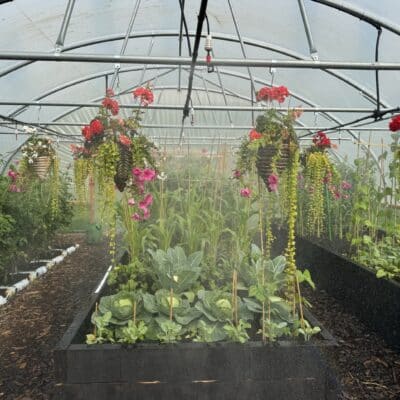


Adding the best pond plants for wildlife in your small pond or water feature in the UK not only enhances its beauty but also supports a healthier ecosystem. Water plants bring ponds and water features to life.
This guide will cover why water pond plants are beneficial, native options for submerged, floating, and marginal plants, and the best choices for small ponds, wildlife support, and even polytunnel water features.
KEY TAKEAWAYS
- Water plants enhance pond health by oxygenating the water, reducing algae, and supporting local wildlife.
- Native plants are ideal for UK ponds, as they’re suited to local climates, require minimal maintenance, and offer habitat to native species.
- Different types of water plants (submerged, floating, marginal) play specific roles in balancing pond ecosystems and creating natural beauty.
- Select plants carefully to suit pond size, location, and purpose, with some plants ideal for small ponds, others for attracting wildlife, and some even for controlled indoor environments like polytunnels.
Quick Facts
- Oxygenation: Submerged plants release oxygen into the water, vital for fish and other aquatic life.
- Algae Control: Water plants compete with algae for nutrients, helping to prevent excessive algae growth.
- Wildlife Habitat: Native water plants provide food, shelter, and breeding grounds for insects, amphibians, and birds.
Why Add Plants to a Pond?

Water plants are essential for a healthy pond ecosystem. They help oxygenate the water, reduce algae growth by absorbing nutrients, and create habitats for pond creatures. Plants also add natural beauty to ponds and water features, transforming them into vibrant spaces with texture, colour, and movement. In short – they bring your pond or water feature to life.
Before You Buy
Consider your pond’s size, depth, and light exposure. Native plants are the best choice as they adapt well to the local climate and support UK wildlife.
Different types of water plants serve different purposes, so choose a mix of submerged, floating, and marginal plants to create a balanced ecosystem.
Native Pond Plants for UK Ponds and Water Features
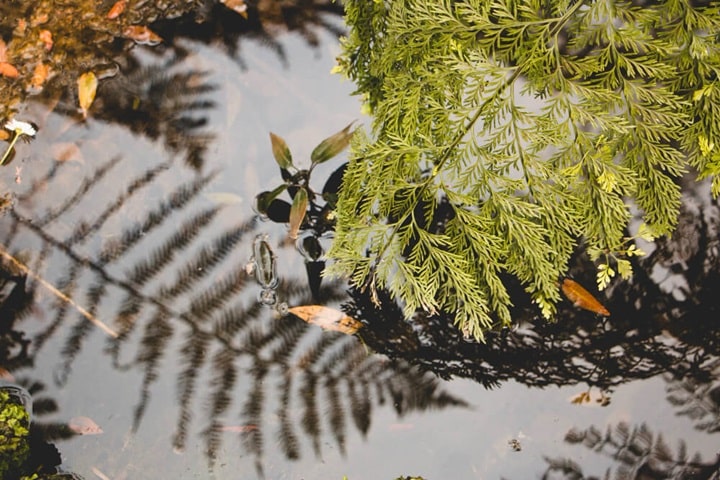
Choosing native plants for your pond offers numerous benefits for both the environment and maintenance. Native plants are well-suited to the UK climate, thriving without the need for special care or additional nutrients, which reduces upkeep.
They support local wildlife by providing food, shelter, and breeding grounds for pond creatures, including insects, amphibians, and birds. Native plants are adapted to local soil and water conditions, helping to improve water quality by absorbing excess nutrients and reducing algae growth naturally.
Unlike non-native species, which can become invasive and disrupt local ecosystems, native plants maintain the balance of the pond environment. They also contribute to the conservation of local biodiversity, providing a safe habitat for native species that may be under threat in the wild. By choosing native plants, you create a healthier, more sustainable pond while supporting wildlife and preserving the UK’s natural heritage.
1. Submerged Plants (Oxygenators)
Submerged plants, also known as oxygenators, are crucial for keeping pond water clean and healthy. They absorb carbon dioxide and release oxygen, supporting fish and reducing algae.
2. Hornwort (Ceratophyllum demersum)
A fast-growing oxygenator with feathery foliage, hornwort is free-floating and requires no soil, making it easy to maintain. It grows best in full sun but can tolerate partial shade.
3. Water Moss (Fontinalis antipyretica)
This plant thrives in colder water and can grow in shaded ponds. Its mossy appearance adds texture to underwater areas and provides shelter for small pond creatures. It is best suited for ponds with a slow flow of water and can grow in shallow or deeper areas.
4. Common Mare’s Tail (Hippuris vulgaris)
With its slender, upright stems, common mare’s tail grows submerged and emerges slightly above the water, offering visual interest and excellent oxygenation. It can thrive in full sun to partial shade and prefers moderately rich, well-oxygenated water.
5. Water Violet (Hottonia palustris)
Known for its beautiful, delicate pink flowers, water violet is an oxygenator that adds colour in spring and early summer while oxygenating the water. Water violet requires full sun to partial shade and benefits from a soil substrate, making it ideal for ponds with a firm base.
6. Water Crowfoot (Ranunculus aquatilis)
A great choice for small ponds, this plant has attractive floating leaves and small white flowers, providing excellent oxygenation and shelter for wildlife. It requires full sunlight and can grow in soil or be anchored in gravel.
Floating Plants
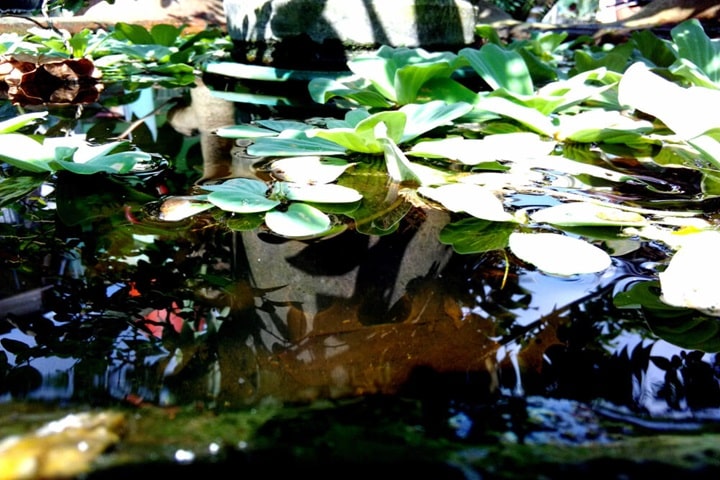
Floating plants rest on the water’s surface, adding shade and reducing algae growth by limiting sunlight. They’re beneficial for ponds of all sizes and create an ideal cover for small fish and tadpoles.
7. Duckweed (Lemna minor)
This small, rapidly-growing plant forms a dense mat on the water surface, providing shade and absorbing nutrients. Though it may require occasional thinning, duckweed is great for balancing pond ecosystems. It thrives in full sunlight and warm temperatures but can tolerate partial shade.
8. Frogbit (Hydrocharis morsus-ranae)
Resembling miniature water lilies, frogbit has small, round leaves and produces small white flowers. It floats freely and helps reduce algae while adding aesthetic value. This floating plant grows well in full sun and prefers nutrient-rich, shallow water.
9. Greater Duckweed (Spirodela polyrhiza)
Larger than common duckweed, this plant creates dense cover and provides shade. Ideal for controlling algae, it’s a low-maintenance choice for smaller ponds. It grows best in full sunlight and prefers nutrient-rich water.
10. Water Soldier (Stratiotes aloides)
Water soldier floats in summer and sinks in winter, helping to oxygenate water year-round. Its rosette shape adds a striking visual element, and it provides shelter for fish and insects. It requires full sun and grows best in ponds with a minimum depth of 30 cm. It can be planted in the shallows or float freely in the pond.
11. Bladderwort (Utricularia vulgaris)
A carnivorous plant with feathery foliage, bladderwort helps control pond pests naturally, making it suitable for ponds with minimal fish populations. It grows well in full sun to partial shade and prefers nutrient-poor, slightly acidic water. Bladderwort is excellent for controlling mosquito larvae and other pond pests.
Marginal Plants
Marginal plants grow along the water’s edge, stabilising banks and creating a natural transition from land to water. They also offer valuable habitat and food for wildlife.
12. Marsh Marigold (Caltha palustris)
This bright yellow flower blooms in early spring, bringing a pop of colour to pond edges. Marsh marigold thrives in shallow water and is an excellent choice for pollinator support.
13. Yellow Flag Iris (Iris pseudacorus)
With tall, sword-like leaves and vibrant yellow flowers, this native iris adds height and colour to pond margins, while its roots help filter water.
14. Brooklime (Veronica beccabunga)
A low-growing plant with blue flowers, brooklime is ideal for shallow edges. It provides habitat for amphibians and helps prevent bank erosion.
15. Water Mint (Mentha aquatica)
Known for its pleasant aroma, water mint is an edible pond plant that has purple flowers and grows well in moist soils around ponds. It spreads easily, so some control may be needed.
16. Water Forget-me-not (Myosotis scorpioides)
This charming plant has small blue flowers that attract pollinators, making it an excellent choice for natural pond edges.
Best Pond Plants for Small Ponds
When selecting the best pond plants for small ponds in the UK, it’s essential to choose species that thrive in limited space without overwhelming the ecosystem. The ideal plants for small ponds are compact, low-maintenance, and offer multiple benefits, including improving water quality, providing shelter, and supporting wildlife.
Submerged plants like hornwort (Ceratophyllum demersum) are excellent choices for small ponds. They grow without the need for soil and help oxygenate the water, keeping it clean and healthy. Similarly, water moss (Fontinalis antipyretica) is perfect for colder ponds, adding texture and absorbing excess nutrients, which aids in reducing algae growth.
For floating plants, frogbit (Hydrocharis morsus-ranae) is a great option. Its small, round leaves cover the pond’s surface, providing shade and shelter for pond life while preventing excessive sunlight from promoting algae. Duckweed (Lemna minor) is another suitable floating plant, ideal for smaller ponds due to its rapid growth and ability to naturally balance nutrients in the water.
Marginal plants such as water forget-me-not (Myosotis scorpioides) and brooklime (Veronica beccabunga) add colour and structure to the pond edges while attracting pollinators and offering habitat for amphibians. Both plants thrive in shallow water and damp conditions, making them ideal for the margins of small ponds.
Best Pond Plants for Wildlife
The best pond plants for wildlife in the UK provide essential habitats, food, and shelter for a wide range of species, from insects and amphibians to birds and small mammals. Native plants are particularly important, as they support the local ecosystem and attract pollinators, helping to sustain biodiversity.
Submerged plants, such as hornwort (Ceratophyllum demersum) and water violet (Hottonia palustris), are vital for oxygenating the water, which benefits fish and aquatic creatures. Hornwort is also a great shelter for pond invertebrates, while water violet’s delicate pink flowers provide nectar for insects. Water moss (Fontinalis antipyretica) is another submerged option that offers cover and oxygenation, creating a natural environment for small aquatic life.
For floating plants, frogbit (Hydrocharis morsus-ranae) is an excellent choice. Its small white flowers and floating leaves provide shade for fish and tadpoles, while also helping to reduce algae growth. Greater duckweed (Spirodela polyrhiza) is another floating plant that offers shelter and a nutrient-rich environment for aquatic organisms.
Marginal plants like yellow flag iris (Iris pseudacorus) and marsh marigold (Caltha palustris) are perfect for the edges of ponds, providing vertical structure and shelter for birds and insects. These plants also help filter water and improve overall pond health. Additionally, water mint (Mentha aquatica) attracts pollinators with its fragrant purple flowers, while brooklime (Veronica beccabunga) provides food and shelter for amphibians.
By incorporating a variety of these plants, you can create a thriving pond that supports a wide array of UK wildlife, enhancing both the biodiversity and beauty of your garden.
Plants for a Pond or Water Feature in a Polytunnel
When choosing pond plants for a polythene tunnel pond or water feature, it’s important to select species that can thrive in controlled, often warmer, conditions.
For submerged plants, oxygenators like hornwort (Ceratophyllum demersum) and water moss (Fontinalis antipyretica) are ideal as they help maintain water quality by oxygenating and absorbing excess nutrients.
Floating plants, such as frogbit (Hydrocharis morsus-ranae) and greater duckweed (Spirodela polyrhiza), work well in providing shade and preventing algae growth by covering the water’s surface.
Marginal plants like water mint (Mentha aquatica) and water forget-me-not (Myosotis scorpioides) can be planted around the edges, offering shelter for small wildlife and helping to filter the water.
Polytunnel ponds, with their controlled environment, can also benefit from plants like water lilies (Nymphaea spp.) that need a bit more warmth, offering both beauty and natural filtration. With careful plant selection, a polytunnel pond can become a thriving aquatic feature.
Further reading:
Here are the best UK pond fish for you to add to your garden ponds.
FAQs
What are the benefits of adding water plants to a pond?
Water plants oxygenate the water, reduce algae, provide shelter, and support biodiversity, making the pond healthier and more sustainable.
Can I grow water lilies in my pond?
Yes, provided the pond is deep enough (typically 45-60 cm) and receives sufficient sunlight. Water lilies add shade and reduce algae, but they can be too large for very small ponds.
Can I add water plants to my pond without soil?
Yes, many submerged and floating plants, such as hornwort and duckweed, do not require soil and can grow freely in water. Some marginal plants can also be anchored in gravel or aquatic baskets.
How many plants should I have in my pond?
For a balanced pond, aim to cover at least 30-50% of the surface area with plants, mixing submerged, floating, and marginal types. The exact number depends on your pond’s size and depth, but a diverse selection will create a more balanced ecosystem.
Sources
Naylor, E., (2023) 5 Edible Plants for Your Pond. Envil. [online] Available at: https://www.envii.co.uk/pond-blog-post/5-edible-plants-for-your-pond/ [accessed 14/11/2024]