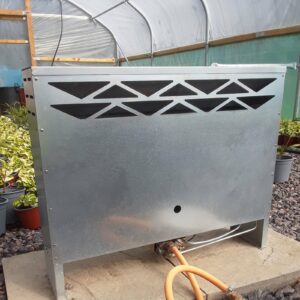
GREENHOUSE HEATERS KEEP PLANTS WARM ALL WINTER
Commercial growers need to be productive all year round so while residential gardens can be left dormant in the cold winter months, commercial farmers need to keep planting. Greenhouse heaters are great at maintaining a comfortably warm temperature inside your polytunnel when the outside temperature sends the mercury plummeting. Heaters for greenhouses are very beneficial as these warmer conditions are particularly essential for growers of exotic plants or those who need to produce food crops on a continuous basis. Order your polytunnel heater today and you’ll never have to deal with seasonal downtime.
Polytunnel Heating FAQ’s
See below answers to some common questions we get asked about polytunnel heating and green house heaters.
Click an item to read the FAQ.
Do I need to heat my polytunnel?
Most domestic gardeners and smallholders won’t heat their polytunnels over the colder months as this can be quite an expensive enterprise. However, commercial growers often can’t afford to let their polytunnels become unproductive so will invest in electric heaters for greenhouses or other greenhouse heaters. Keep in mind that the temperature inside a polytunnel will always be a little warmer than outside so you may not need a polytunnel heater at all.
How warm is a Polytunnel in Winter?
In most cases, a polytunnel will always be a little warmer inside than the temperature on the outside. In warmer weather, the temperature can be considerably warmer and even hot but in winter, the temperature in the polytunnel is usually about 5 degrees Celsius warmer on the inside than on the outside. Keep in mind though, that the main factor is the temperature of the soil and this can get quite cold, depending on the region.
What is the best way to heat a Polytunnel?
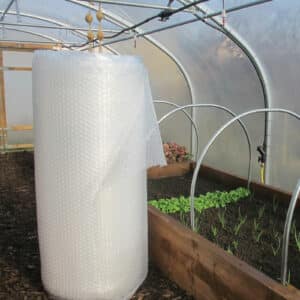
The best way to heat a polytunnel is by using a polytunnel heater. However, for owners of smaller polytunnels, it may be enough to cover your garden beds with bubble insulation.
Take care of the plants in your polytunnel all year round with a polytunnel heater or using a roll of bubble insulation. You can purchase these from First Tunnels online. Call us on 01282 601253 or email us at [email protected] for more information or to place your order.
What size heater do I need for my polytunnel?
The right heater depends on your tunnel’s size, insulation, local winter temperatures and the temperature your plants need. Frost protection requires less heat than maintaining warm growing conditions. Contact our team with your tunnel dimensions and growing plans for help choosing.
What temperature should I keep my polytunnel in winter?
This depends on what you are growing. Hardy crops may need no additional heating, while tender plants need protection from low temperatures. Check each plant’s requirements and use a minimum/maximum thermometer near your plants to monitor conditions overnight.
How much does it cost to run a polytunnel heater?
Running costs depend on the heater’s output, fuel or electricity price, thermostat setting and how long it operates. Colder weather and heat loss increase consumption. For electric heating, multiply the power used in kW by the operating hours and your electricity price per kWh.
Can bubble insulation help reduce heating costs?
Yes. Horticultural bubble insulation helps reduce heat loss and can lower the heating needed to maintain your chosen temperature. It does reduce some incoming light, so consider your crops’ needs. Insulation alone does not guarantee frost-free conditions.
Do I still need ventilation when heating my polytunnel?
Yes. Ventilation helps control humidity and condensation, even during winter. Ventilate on milder days while monitoring temperatures. Gas heaters also require the ventilation specified by their manufacturer, so never block required air openings to conserve heat.
Where should I position my polytunnel heater?
Follow the heater’s installation instructions and required clearances. Keep it away from the polythene cover, insulation and other combustible materials, and direct hot air away from the cover. Position it so warmth can circulate without blowing excessive heat directly onto plants.
Will a thermostat help control my heating?
Yes. A thermostat regulates heating around your chosen temperature, helping avoid unnecessary operation. Check temperatures separately with a minimum/maximum thermometer near your plants, as conditions beside the heater can differ from those elsewhere in the tunnel.