Polytunnels For Schools

classrooom 2

Every school should have a polytunnel. Think of it as an extra classroom where young minds can enjoy the thrill of watching nature work its wonders… right through the year. And the real beauty is that a First Tunnels polytunnel is infinitely adaptable. We have supplied schools where our polytunnels are sited on grass and on soil… putting the land to work. We have even located polytunnels on tarmac or paved areas and used growbags or raised beds to create a fantastic growing environment.

And then the fun begins!

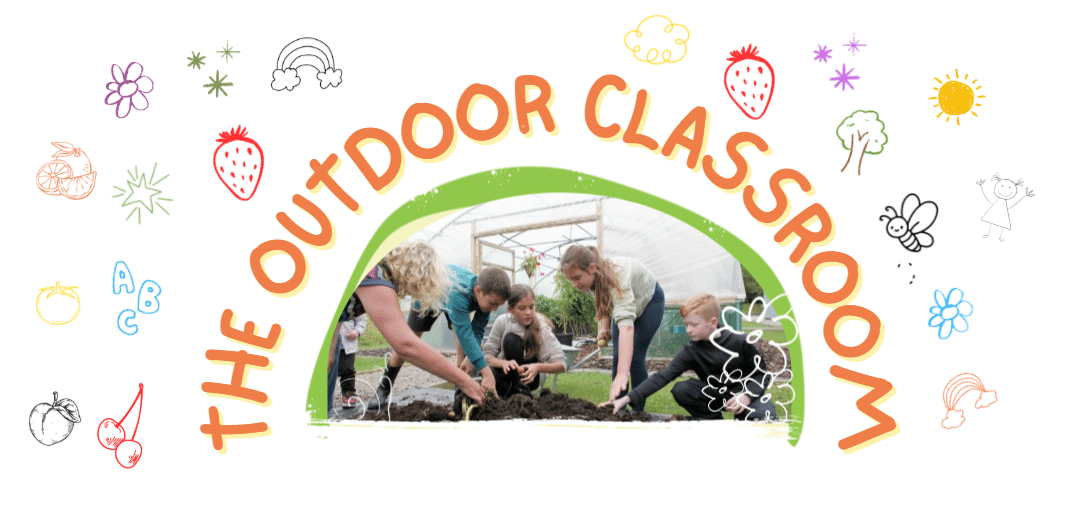
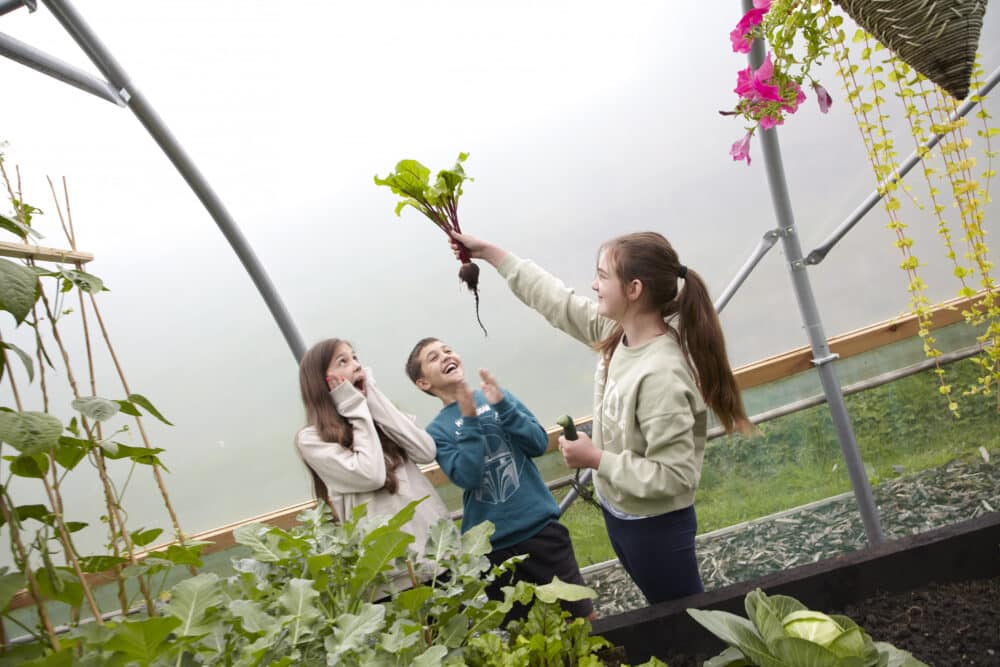
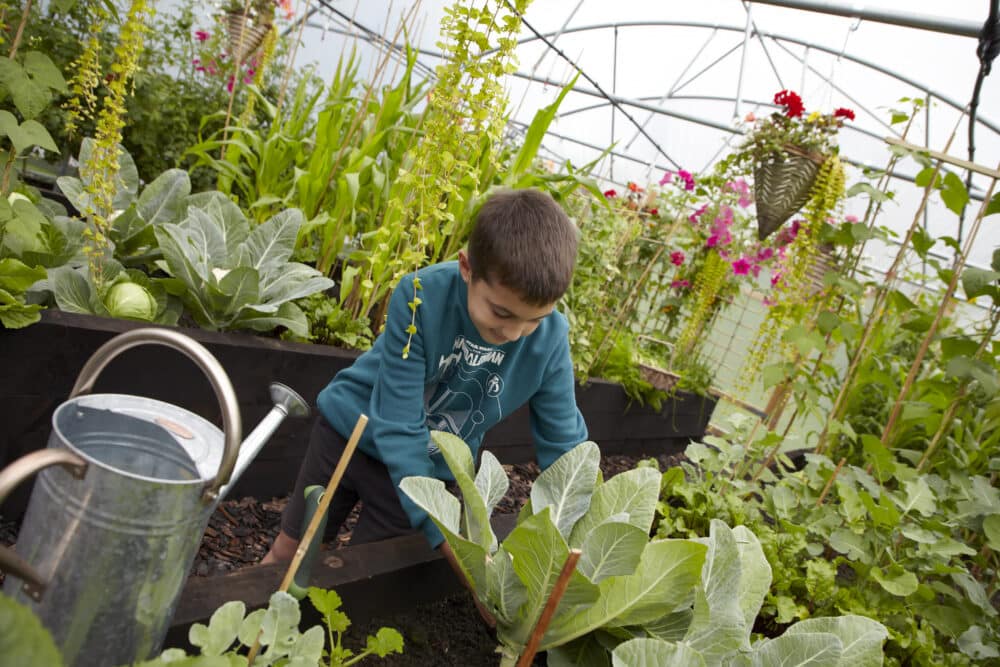
From a science study area for high school students…to a ‘nursery’ class for toddlers, polytunnels provide a year-round ‘classroom’ without walls. A space where inquisitive minds can enjoy a real hands-on experience of nature at work. Not a text book, not a lesson delivered from pictures and charts, but a real interactive adventure exploring and discovering how and why things grow.

And of course, gardening in Schools has an added bonus too. Your very own harvest of wonderfully fresh fruit and vegetables to enjoy at school…or take home to impress the family.

The First Tunnels Classroom. The perfect way to nurture a growing mind.

The possibilities are endless…an ever changing classroom, full of colour, full of fun and a fantastic base for children of all ages to learn. Whatever the timetable there’s an activity in the tunnel that will bring the subject to life, get the children involved and open everyone’s eyes to new and exciting things.

Find your nearest school​

See how many schools have got a polytunnel in your area by using our interactive map.

How big should a school polytunnel be?

One of the decisions that you will have to make when looking at a polytunnel for a school is sizing.

As a general rule, it is always best to select the largest polytunnel that can comfortably be accommodated on school grounds. No matter how large a polytunnel you purchase – rest assured you will have no difficulty making use of the space.

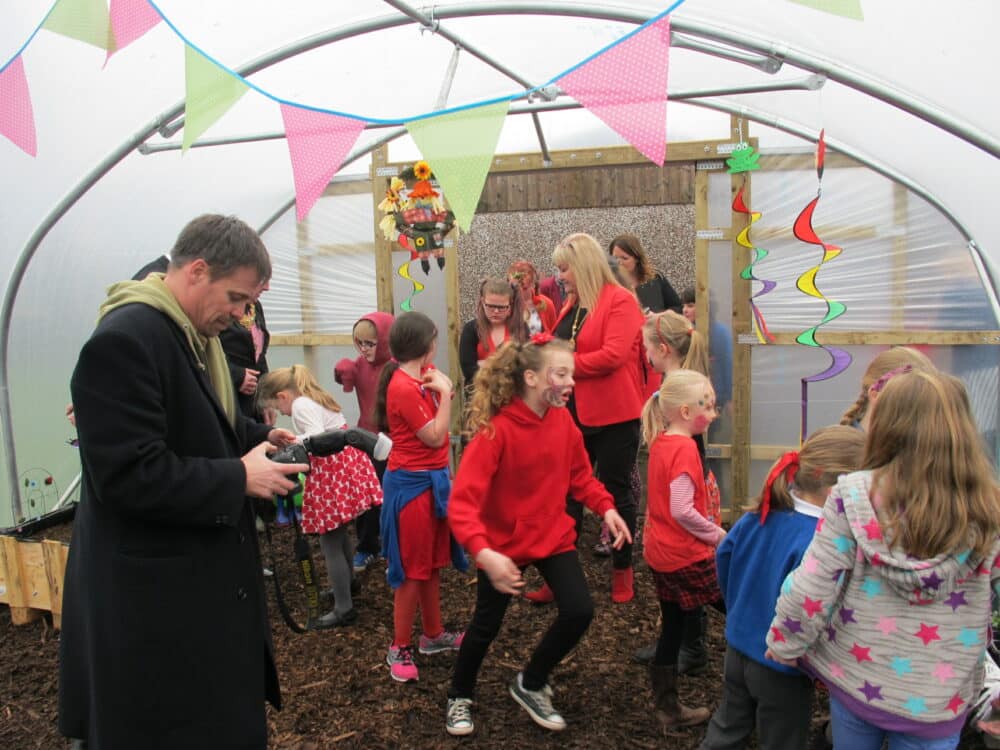
Remember, in a school setting, it will often be useful if you can fit an entire class and their teacher inside a polytunnel without the space feeling too confined. But even if you cannot fit a large enough polytunnel on school premises, smaller groups can still benefit from using the space.

Polytunnel gardens offer numerous benefits for schools. They provide hands-on learning opportunities that help students understand plant growth, biology, and ecology, while also encouraging healthy eating habits through the cultivation of fresh fruits and vegetables. In addition, polytunnels enhance environmental awareness and promote sustainable practices. They can also create a calming, therapeutic space where students can connect with nature, while fostering teamwork, responsibility, and problem-solving skills.

We are proud to offer the First Tunnels Construction Service team to support schools. Our three dedicated teams of experienced polytunnel installers have extensive hands-on knowledge and expertise. With over 100 years of combined experience, they not only ensure high-quality installation but are also happy to offer helpful advice and guidance to support schools in getting the most from their polytunnel.

Yes. Polytunnels extend the growing season by protecting plants from cold, wind, and heavy rain, making year-round growing and learning possible.

–        Regular maintenance is essential for a thriving polytunnel garden:
–        Watering: Ensure plants receive adequate water without overwatering.
–        Weeding: Remove weeds to prevent competition for nutrients.
–        Pest control: Monitor for pests and implement organic pest management strategies if necessary.
–        Ventilation: Properly ventilate the polytunnel to regulate temperature and humidity.
–        Pruning and harvesting: Trim plants when necessary and harvest ripe produce to encourage continuous growth.

A school polytunnel garden can be integrated into various subjects and activities:

Science: Studying plant life cycles, conducting experiments, and exploring environmental concepts.
Math: Measuring plant growth, calculating harvest yields, and analyzing data.
Language arts: Writing journals, documenting observations, and creating garden-themed stories or poetry.
Nutrition and health: Learning about the nutritional value of different crops and promoting healthy eating habits.
Art and design: Creating garden-inspired artwork, designing garden layouts, and decorating plant markers.

Trustpilot

Useful Guides