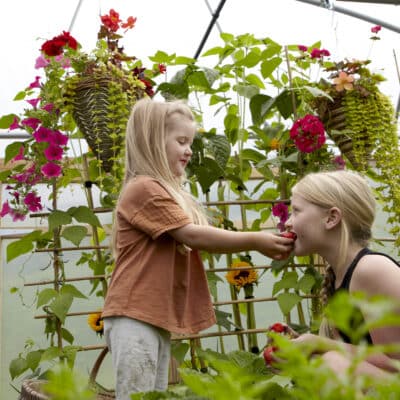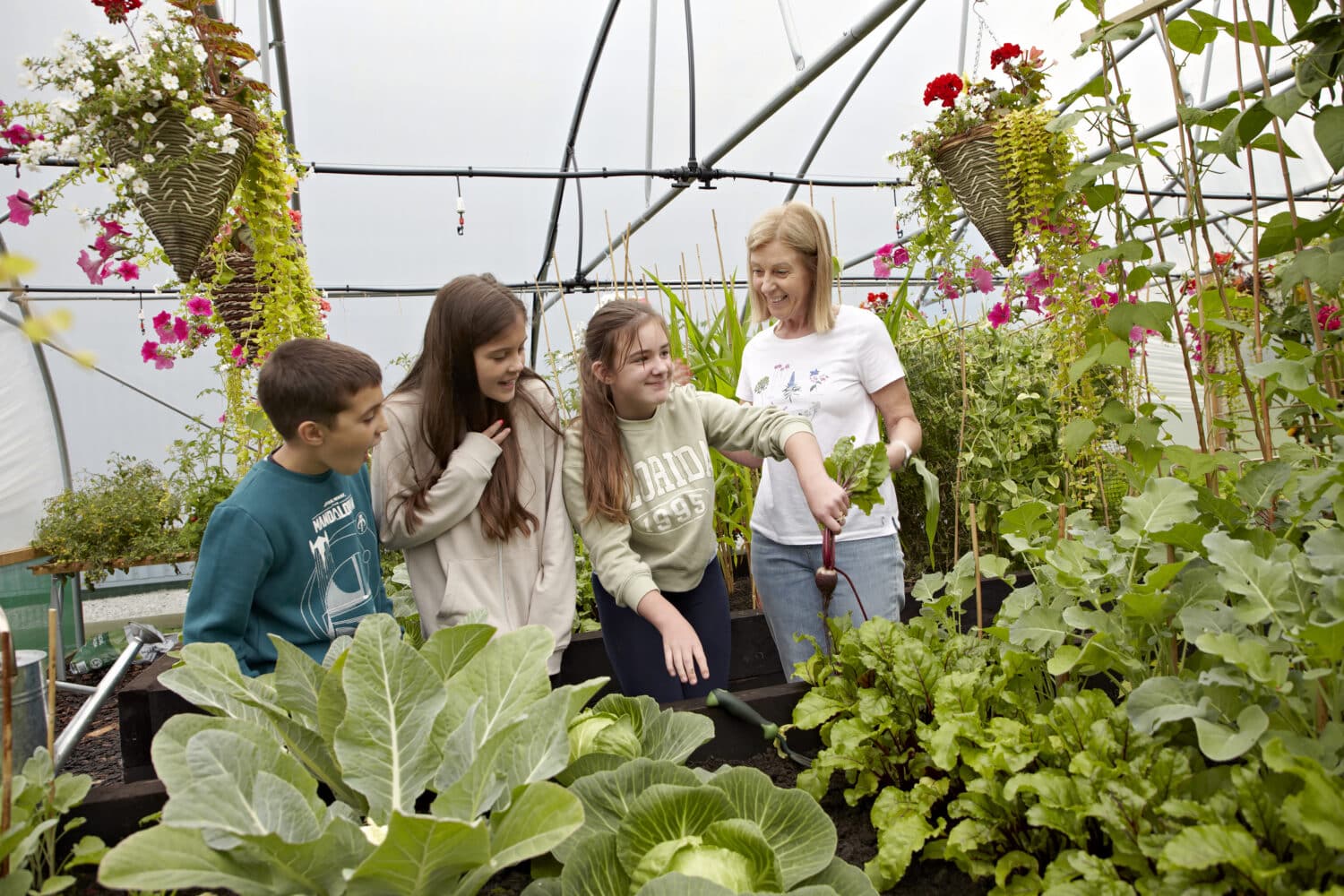
Gardens could be the 21st-century classroom but there are many aspects to consider before introducing the idea to your school. This blog sets outs basic steps for creating a successful school garden.
Why Start a School Garden?
School gardens are an increasingly common sight at primary and secondary schools across the UK, as well as colleges. Schools who have already invested time and effort into creating a garden of their own point out the many benefits of doing so, from improving behaviour to a being a great way to learn about nature, life cycles and where our food comes from.
But it isn’t enough to hand over a small patch and start planting vegetables. There needs to be an understanding of what the school garden is all about.
1) Find your people
Finding the champions of your school garden in your staff team and amongst pupils is essential for it to be a success. One school with a thriving school garden noted that not all teachers were on-board at the start of the school garden project but four years on, the school are reaping the rewards of this outside space.
To make a garden a success, a planning committee consisting of pupils and teachers is a great way to identify your champions.
2) Identify the ‘why?’
It is easy to read about the success of school polytunnel gardening and jump on the bandwagon, assuming that by creating your own, you are assured of the same success.
However, the more successful gardens are those that have been well-thought out before they were created. So consider the ‘why’ of your garden by asking key questions;
- Are you able to teach about nutrition and where food comes from?
- Is it a food donation garden, where the spoils of your harvest are gifted to local groups and the community?
- Is it a living classroom?
- What benefits will it bring to your school and community?
In other words, what is the purpose of your school garden?
3) The logistics
Now that you have people on board and a clear purpose to your school garden, you need to start creating the logistics of it and that means;
- Deciding on the right site – choose a sunny position, essential for fruiting and cropping vegetables
- Water – collecting rainwater to water plants and crops is essential – but you don’t want to be trudging across the playground with watering cans for several hours a day
Once you have the site identified, you need to start adding more detail to your plan and yes, you’ve guessed it, more questions to answer;
- WHO is going to maintain the garden?
- WHO will lead on the project?
- WHAT is your gardening calendar? We can help you work out what to plant and when with our fantastic guides to planting vegetables and fruits.
- HOW will students be kept safe? WHAT are the rules?
- WHAT are the health and safety implications?
- WHO will eat the vegetables and fruits produced?
- WHERE will store gardening tools?
- HOW can parents or carers become involved?
- HOW will you fund it?
4) THE CURRICULUM
School polytunnel gardening brings many benefits but you only realise the best from it when there is a clear strategy to the garden and it will become part of your curriculum.
Hands-on learning is a great way for new concepts and theories to sink in. There are many online gardening lesson plans to help spur your imagination as to how to combine the school garden with a demanding curriculum.
5) Grow it!
And by that, we don’t just mean plants but expanding the school garden project. You will be amazed at just how interested your local community is in the great things that you are doing with students and gardening.
As well as working with local producers, farmers and amateur gardeners, there may also be funding opportunities to bring in much-needed cash to your school. It could be as simple as buying gardening schools specifically made for small hands to handle.
Don’t forget to include parents and carers too. All-in-all, the school garden is a fantastic vehicle for ‘joining the dots’ between school, home and community.
6) Now, grow it!
And by this we mean sow seeds, tend to young plants and watch as plants unfurl from the tiniest seed into the strongest, biggest, tallest plant you have ever seen, with yummy fresh vegetables to boot.
Planning what you plant and why will be guided by a range of factors, including:
- the seasons
- the amount of time allocated to tending the plot or polytunnel
- how the garden will fit with your curriculum.
Is a school garden something your school community would welcome?