

Long summer days are a true gift in the garden. With the warmth of the season and the light stretching well into the evening, there is ample time to slow down, savour the moment, and connect with the natural world. A polytunnel makes this connection even more accessible, providing shelter from summer showers and intense midday sun, while creating a microclimate where plants—and imaginations—can flourish. But, for those with families, what ways can gardening with kids benefit you?
For families, this space becomes more than just a growing area; it becomes a haven for creativity, exploration, and togetherness.
Whether it’s a curious toddler sowing their first seeds, or older children experimenting with plant dyes and natural art, the possibilities are as wide as the sky above. With a little guidance and a gentle invitation, children of all ages can find joy, wonder, and learning among the leaves.
There are countless easy and enriching projects that encourage children to play, learn, and grow in the polytunnel. From planting giant sunflowers to building bug hotels and secret hideaways, summer becomes a time of discovery and delight.
These shared experiences not only build practical skills but also foster a lasting appreciation for the earth and its rhythms.
So let’s explore just some of the delightful ways to spend a summer day in a polytunnel garden.
1. Grow Your Own Food

Growing your own food is, of course, definitely one of the most important things in most polytunnels. So this is usually a good place to start if you want your kids to spend more time in the garden.
Growing food with children provides a tactile, joyful way to explore where meals come from.
Start simple. Cherry tomatoes, strawberries, bush beans, salad leaves, and peas are not only easy to grow but provide quick wins with high reward.
Many children love to graze as they go, so dot tasty crops throughout their reach. Watching seeds turn into meals offers a sense of pride and empowerment. Make it fun, never a chore, and you can foster in your kids a passion for good, healthy food and a great understanding of where it comes from.
Growing food with your kids:
- Fosters Responsibility and Patience: Tending to plants daily encourages children to be consistent and attentive, nurturing a sense of responsibility and care.
- Connects Them to Nature: Direct interaction with soil, seeds, and seasonal changes helps children develop a deep appreciation for the natural world.
- Encourages Healthy Eating Habits: Children are more likely to try and enjoy fruits and vegetables they have grown themselves, promoting lifelong healthy choices.
- Builds Confidence and Self-Esteem: Watching a tiny seed transform into something edible or beautiful gives children a sense of accomplishment and pride.
- Teaches Science in a Practical Way: Gardening offers real-world lessons in biology, ecology, weather patterns, and life cycles, reinforcing classroom learning in a hands-on setting.
- Enhances Fine Motor Skills: Digging, planting, watering, and harvesting all help develop coordination and dexterity in young hands.
- Promotes Mindfulness and Wellbeing: The sensory experience of gardening—touching soil, smelling herbs, hearing birds—can be calming and grounding, supporting mental health.
- Strengthens Family and Social Bonds: Gardening together creates opportunities for shared tasks, problem-solving, and celebrating successes, all of which build stronger connections.
- Introduces Concepts of Sustainability: Through composting, organic growing, and reducing food waste, children learn about ecological responsibility and their role in protecting the planet.
- Inspires Curiosity and Creativity: From choosing what to plant to designing their space, gardening fuels imagination and encourages inquisitive thinking.
- Gives a Sense of Empowerment: Knowing they can grow something from seed to plate empowers children to believe in their own abilities and potential.
2. Make Kids Their Own Growing Area
Giving children ownership of their own growing space in the polytunnel—however small—is a powerful gesture. It might be a dedicated raised bed, a few pots, or even a colourful container garden made from upcycled materials.
Let them help choose the plants and decide how to lay them out. This autonomy encourages responsibility and nurtures a sense of achievement. Even a few square feet can become a world of their own.
Depending on their age you may help them more or less – but the key is to make sure they feel a sense of agency, and are able to make their own decisions about what happens in their own small part of the garden.
3. Child-Friendly Sowing and Planting
Opt for seeds that are easy for small fingers to handle: sunflowers, nasturtiums, pumpkins, and peas are all ideal. Use finger-drawn furrows or make holes with a stick to show where to plant.
Recycled yoghurt pots or biodegradable toilet roll tubes make excellent seed starters.
Encourage children to label their plantings with homemade signs. Knowing which seed is which makes the daily act of watering and watching even more engaging.
4. Grow ‘Monster’ Plants for Gardening With Kids

Children are fascinated by size and scale. Growing enormous or unusually shaped vegetables can feel like magic. Try giant pumpkins, oversized marrows, or fast-growing vines. Watching these gentle giants stretch and swell over the weeks inspires awe and a deeper sense of seasonal change.
5. Sow Giant Sunflowers and Other Tall Plants
Sunflowers are the classic children’s plant—cheerful, tall, and friendly to bees. Sow a circle or zig-zag of tall plants to create a playful corridor. Mix in sweetcorn, hollyhocks, or even climbing beans for a living tunnel. These towering greenspaces become fantastic spots for hide-and-seek, storytelling, and observing insects up close.
6. Grow Carnivorous Plants
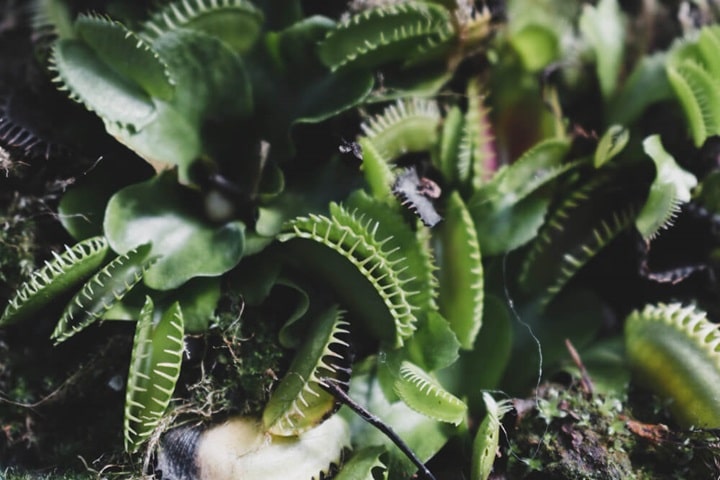
Why not appeal to the more macabre side of children’s curiosity? Pitcher plants, sundews, and Venus flytraps are fascinating to observe and can be cultivated in containers within the humid, sheltered environment of a polytunnel. These plants introduce the idea of ecological balance and the many strategies nature uses to thrive.
7. Create a Flower Patch for Posies and Pressing
Designate a sunny corner for flowers chosen for cutting and pressing. Zinnias, cosmos, calendula, and cornflowers all bloom reliably and beautifully. Children can snip their own mini bouquets or gather petals for nature-based crafts like petal art, perfumes, and flower pressing.
8. Make a Small Maze or Jungle for Exploration
With just a few tall-growing plants, some string or bamboo poles, and a sense of adventure, you can create a miniature maze. Weave in tunnels of beans and sweet peas or zigzag paths edged with tall grasses and herbaceous perennials. Or plant densely for that jungle look. Children love the mystery of hidden paths and secret spots.
9. Grow a Tunnel Den with Living Plants
Living structures are enchanting and easy to make. A den made from climbing plants like runner beans, cucamelons, or even climbing nasturtiums can become a leafy hideaway. Use willow or bamboo canes to shape the frame, then let nature do the rest. Add a rug or a few cushions and it becomes a perfect reading nook or shady rest spot.
10. Go On a Bug Hunt
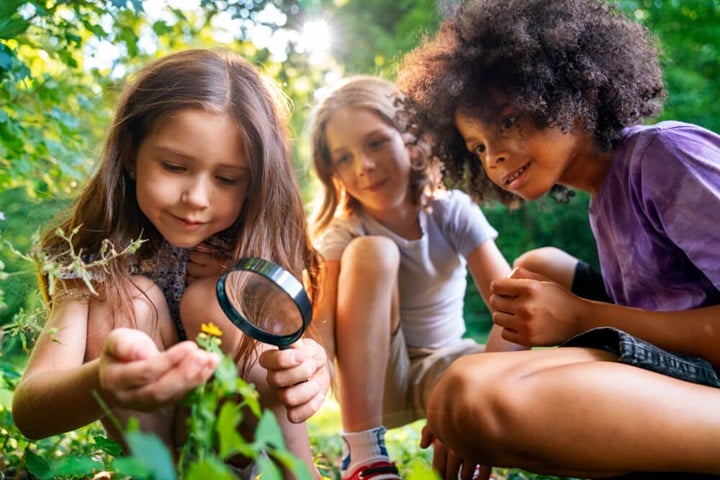
The polytunnel is a haven for insect life. With a magnifying glass and a notebook, children can hunt for aphids, ladybirds, bees, spiders, and butterflies. Encourage them to sketch their finds or create a ‘bug diary.’ Learning to identify different species builds a sense of guardianship and introduces important lessons about biodiversity.
11. Create New Wildlife Habitat
Even in and around a polytunnel, it’s possible to provide pockets of wildness. Stack logs to create beetle habitats. Fill old pots with straw or hollow stems for solitary bees. Create leaf piles, place stones for basking lizards or frogs, and grow plants that attract pollinators. These micro-habitats show children how even small acts support a thriving ecosystem.
12. Create a Small Pond
A miniature pond can fit in an old washing-up bowl or a half-barrel. Add rainwater, a few stones, and native aquatic plants. Frogs, newts, and dragonflies may soon find their way. A child-safe pond is an excellent tool for learning about life cycles and wetland habitats. Ensure safety by using mesh over water or close adult supervision. Try these best pond plants for wildlife, and UK pond fish to incorporate into your small garden pond.
13. Build a Mini Rock Garden
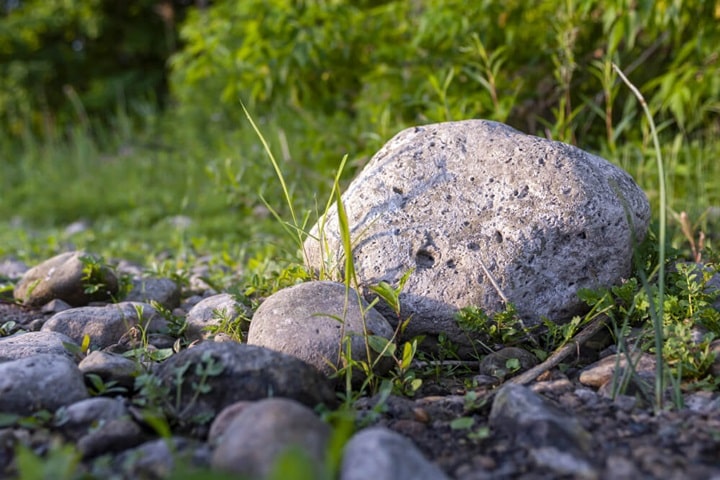
Gather stones and pebbles, plant low-growing alpines, and let children arrange them into a fairy garden or miniature mountain landscape. Add small figurines, shells, or painted stones to bring the space to life. Rock gardens and rockery ideas are low maintenance and encourage imaginative play.
14. Rewild an Area Around Your Tunnel
Let a patch go wild—or even sow a native wildflower mix and observe what comes. Avoid mowing, allow brambles to creep, or let nettles stand tall. Watch as butterflies, bees, and birds make their homes. Teach children that not all gardens need tidy borders; wildness is welcome and beautiful.
15. Creatively Use Natural Materials
Use the natural materials around you to encourage artistic expression. Craft mobiles from twigs, feathers, and seed pods. Weave plant stems into simple shapes or create natural paintbrushes.
Clay can be combined with leaves or pressed with bark textures to make prints. The materials are free, the outcomes are open-ended.
16. Make Some Labels and Plant Markers
Decorate pebbles with plant names, write on painted lollipop sticks, or carve labels into wooden offcuts. Crafting labels helps children remember plant names and gives them a sense of ownership. It’s also a chance to practice spelling and handwriting in a natural setting.
17. Plant a Sensory Garden and Make ‘Perfumes’
A sensory bed filled with fragrant, textured, and edible plants makes for immersive play. Try lavender, lemon balm, mint, thyme, lamb’s ear, and edible flowers like nasturtiums.
Encourage children to pick and mix their own ‘perfumes’ in old jars or use petals to make flower potions. A sensory garden appeals to all five senses and is especially helpful for children with additional needs.
With just a little imagination and planning, a polytunnel can become a summer paradise for children. Whether sowing seeds, crafting bug hotels, or hiding in a sunflower den, the experience of nurturing life and exploring the natural world is a gift we can pass on. In these small, daily moments of shared joy and curiosity, we lay down the roots of lifelong ecological connection. And that is the most important harvest of all.
Start your polytunnel journey today with a mini polytunnel for your small gardeners
FAQs
What tools are safe for kids to use in the garden?
Choose age-appropriate, child-sized tools made of lightweight materials. Look for blunt-ended trowels, hand forks with rounded edges, and watering cans small enough for children to handle when full. Supervise closely with anything sharp or heavy. Even spoons and kitchen utensils can be repurposed for little hands.
Can gardening help children with learning and development?
Absolutely. Gardening supports physical coordination, literacy (through reading labels and following instructions), numeracy (counting seeds, measuring growth), and scientific thinking. It fosters patience, responsibility, and observation. The outdoors is also a proven space for improving mental well-being and reducing stress.
How do I create a kid-friendly zone in a polytunnel?
Use low-level benches or raised beds for easy access. Include some seating, baskets for tools, and open-ended materials for play. Ensure paths are clear and wide enough for little feet. Use bright colours, homemade signs, and natural play elements. Think of it as part workshop, part wild classroom, and part sanctuary.
Sources
RHS. (2024) Plants for a leafy jungle look. [online] Available at: https://www.rhs.org.uk/garden-design/sustainable-planting-combinations/foliage/leafy-jungle-look