

There are many different dyes that can be used to colour fabrics. Natural dyes are the most sustainable, ethical and eco-friendly options and when you grow natural dye plants in your polytunnel or elsewhere in your garden, you can take control, increase self-reliance, and dye some natural fabrics yourself at home.
What is Natural Dye?
Natural dyes are pigments extracted from plants, flowers, roots, fruits, and even leaves, used to colour fabrics, yarns, or other materials. Unlike synthetic dyes, they are eco-friendly, biodegradable, and offer unique, earthy colour variations without causing harm to people, wildlife and ecosystems.
Natural Dye Colour Variations
The colours achieved with natural dyes vary depending on the plant used, the mordant (fixative), and the type of material being dyed, as well as the precise method used and other variables. This can mean that they are less reliable. But the variations can also make for a much more interesting dyeing experience and end result.
Plants for Natural Dyeing
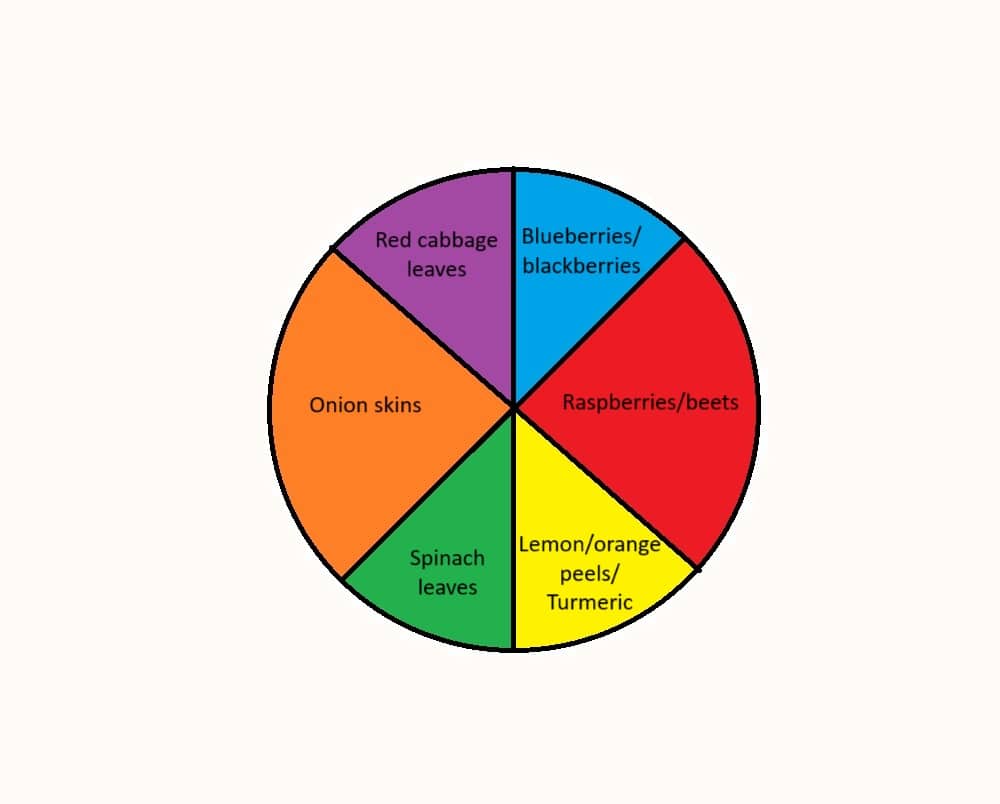
Below are some common colour groups and the plants that can produce them:
| Red | Madder roots (Rubia tinctorum) Beetroot (Beta vulgaris) Dock roots (Rumex obtusifolius): A UK native, offering brownish-red hues. |
| Orange | Onion skins (brown onions) Marigolds (Tagetes spp.) Carrot (Daucus carota) Tops: Yield a subtle yellow-orange. |
| Yellow | Weld (Reseda luteola) Dyer’s chamomile (Anthemis tinctoria) Calendula (Calendula officinalis) |
| Green | Nettles (Urtica dioica) Dyer’s greenweed (Genista tinctoria) Sorrel (Rumex acetosa): Produces soft greens when processed. |
| Blue | Woad (Isatis tinctoria) Japanese indigo (Persicaria tinctoria) |
| Purple | Elderberries (Sambucus nigra) Blackthorn berries (Prunus spinosa) |
| Pink | Madder or beetroot (lighter baths) Rhubarb roots (Rheum spp.) |
| Grey | Blackberry leaves (Rubus fruticosus) Iron modifiers used with tannin-rich plants |
| Brown | Walnut hulls (Juglans regia) Oak galls (Quercus spp.) |
| Tan | Tea leaves (Camellia sinensis) Coffee grounds (Coffea spp.) |
Where can I Find Natural Dye Plants?
You can forage dye plants from hedgerows, woodlands, and gardens. Many are wildflowers or native species, making them accessible in the UK’s climate. Alternatively, grow them in your garden or polytunnel for a sustainable, year-round supply.
Easy Natural Dye Plants to Grow
1. Marigolds
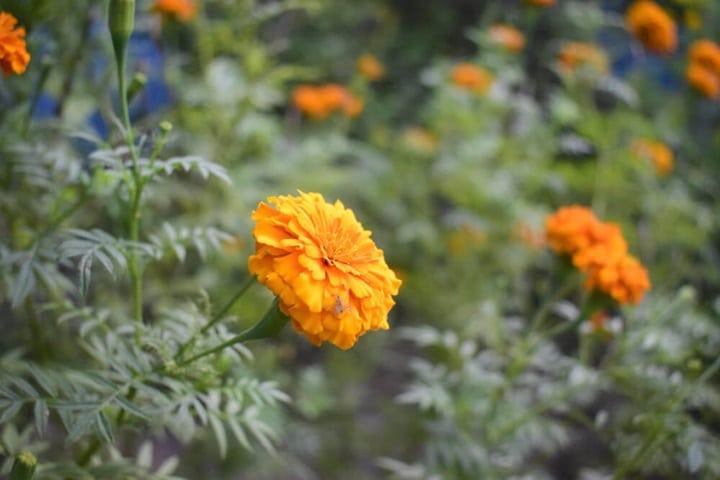
Marigolds are a versatile and easy-to-grow plant that thrives in the UK, making them an excellent choice for polytunnels or outdoor pots. Their vibrant orange and yellow blooms are not only beautiful but also highly effective at producing golden-yellow and orange dyes. They are hardy and can bloom throughout the growing season, ensuring a steady supply of dye material. Regular deadheading encourages more flowers, which can be harvested and dried for future use.
2. Calendula
Calendula, also known as pot marigold, is another fantastic choice for UK gardeners. Its cheerful flowers yield softer yellow tones compared to marigolds, making it perfect for achieving subtle, natural hues. Calendula grows well in containers or directly in the ground, and it is highly resilient to varying conditions. It is a compact plant that fits easily into smaller spaces or polytunnel rows, adding a touch of colour to your dye garden while doubling as a medicinal herb.
3. Thyme & Marjoram
Thyme and Marjoram are two of a number of aromatic herbs that offer more than just culinary value.
They can be grown in pots or polytunnels and produce earthy greens and browns when used as natural dyes. These plants are particularly appealing for gardeners who value multipurpose crops. Thyme and marjoram thrive in well-drained soil and require minimal maintenance
4. Beetroots & Onions
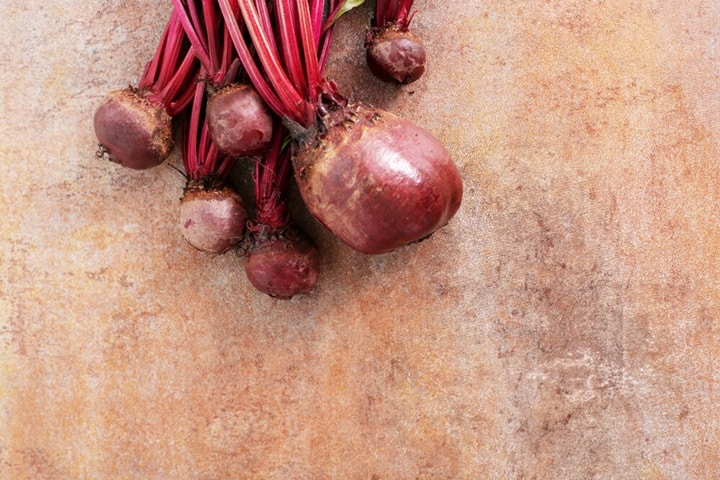
A number of edible plants and vegetable crops can also be used to make natural dyes. The roots of the beetroot, for example produce reddish-pink hues that can be intensified or softened depending on the mordant used.
Beetroots are not only valuable for dyeing but also a delicious and nutritious addition to your meals, making them a practical choice for a dual-purpose crop.
Onions, both red and brown varieties, are a classic source of natural dye. The outer skins of brown onions produce vibrant yellow and orange tones, while red onion skins yield soft purples and pinks.
Onion skins are incredibly easy to collect from kitchen scraps, making them one of the most accessible dye materials. Growing onions in a polytunnel ensures a consistent supply of fresh skins, and they are hardy plants that require little attention once established.
5. Woad
Woad is an iconic plant for natural dyeing, producing the same indigo-blue pigment historically used in the UK. It grows best in well-drained soil and benefits from the warmer conditions provided by a polytunnel.
Woad is relatively easy to cultivate but requires a little patience to process. The leaves are harvested and processed through a specific fermentation method to extract the blue pigment. Its unique colour makes it a must-have for any natural dye enthusiast.
6. Madder
Madder is a perennial plant renowned for its ability to produce rich red and pink hues. The roots of the madder plant are the primary source of dye and require a few years to mature before they can be harvested.
Growing madder in a polytunnel ensures that the plant is protected from frost and other adverse conditions. Though it takes time to establish, the vibrant and long-lasting colours it provides are worth the wait, making it a staple for serious dyers.
7. Weld
Weld is one of the oldest known dye plants, famous for its bright yellow pigment. This hardy biennial thrives in sandy soil and sunny conditions, which makes it an excellent candidate for growing in containers or directly in the ground inside a polytunnel.
Weld requires little maintenance and grows quickly, providing abundant material for dye extraction. Its yellow dye is particularly powerful when combined with alum as a mordant, creating very vibrant results.
8. Dyer’s chamomile
Dyer’s Chamomile is a compact and hardy plant that fits well into polytunnel spaces or outdoor gardens. Its small, daisy-like flowers are a rich source of golden-yellow dye and are easy to harvest.
Dyer’s chamomile is highly adaptable to the UK climate and requires minimal care, thriving even in poor soil. Regular harvesting of the flowers not only provides a steady supply of dye material but also encourages the plant to bloom more.
9. Nettles
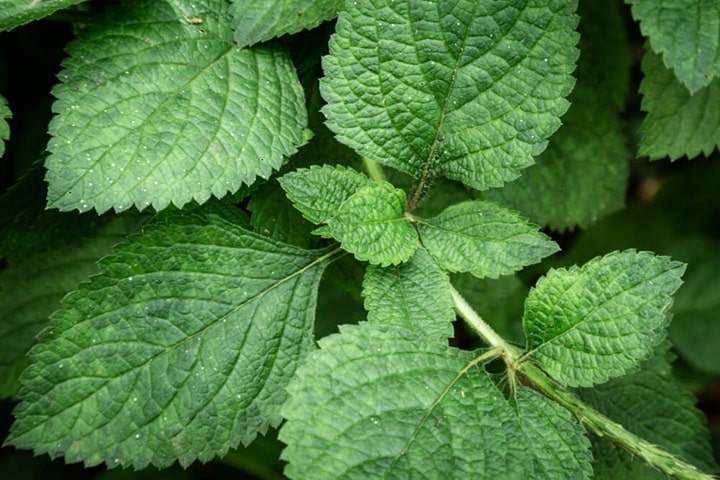
Nettles are an abundant and useful plant for natural dyeing, producing soft green hues. While they are often considered a weed, nettles are easy to manage when grown in pots or controlled areas.
They thrive in most soils and require little effort to cultivate, making them a low-maintenance option for polytunnel gardeners. Nettles are best harvested when young and tender, as they contain the most vibrant dye compounds at this stage.
10. Elderberry
Elderberry plants are a wonderful addition to any dye garden, particularly for those looking to create rich purples and blues. Their berries are the primary source of dye and can be harvested in late summer or autumn.
Elderberries are versatile and can be grown in large containers or directly in the ground. Dwarf varieties are particularly suitable for smaller spaces. In addition to their dyeing properties, elderberries can be used for making syrups and jams, and have multiple applications in herbal medicine.
How does the Natural Dyeing Process Work?
Natural dyeing involves extracting pigments from plants and binding them to fibres. This process generally includes:
- Preparing the fabric (scouring and mordanting).
- Extracting dye from plant material by boiling or soaking.
- Immersing the fabric into the dye bath.
- Fixing the colour using mordants or natural modifiers.
How to Dye With Plants
Below is a step-by-step guide to help you dye with plants effectively:
Step 1: Preparing the Fabric
The first step in the natural dyeing process is preparing the fabric. This is a crucial stage because fabric needs to be cleaned and treated to ensure that the dye adheres properly.
Start by washing the fabric to remove any dirt, oils, or chemicals that might interfere with the dyeing process. If you’re working with plant-based fabrics like cotton or linen, a mild soap or detergent will do the trick. For animal-based fabrics like wool or silk, use a gentle wool wash.
Once the fabric is clean, it needs to be pre-treated with a mordant. A mordant is a substance that helps the dye bond to the fibres, improving the colourfastness and vibrancy of the dye.
The most common mordants are alum (for bright and clear colours), iron (for darker, muted tones), and tannins (found in plants like oak galls, which also act as mordants).
Prepare the mordant by dissolving it in hot water, then soak the fabric in the solution for about an hour. After mordanting, rinse the fabric and allow it to dry slightly before dyeing.
Step 2: Extracting Dye
The next step is extracting dye from plant material. Different plants yield different hues, and the extraction method can vary depending on the plant you are using.
To extract the dye, gather your plant material and chop it into small pieces to help release the pigment. For most plants, you will need to simmer them in water to extract the colour. Place the plant material in a large pot, cover it with water, and heat it to a simmer for about an hour or longer.
The longer you simmer the plant material, the more concentrated the dye will become. Once the colour has fully leached out of the plant material, strain the liquid to remove the solid plant matter. This liquid is now your dye bath.
Step 3: Immersing the Fabric in the Dye
Once you have your dye bath ready, it’s time to immerse the fabric. Submerge the fabric into the dye bath, ensuring that it is completely covered by the liquid. The length of time the fabric spends in the dye bath will influence the depth of colour.
For lighter shades, you can leave the fabric in for a shorter time, while for deeper tones, let it soak for several hours or even overnight.
Make sure to stir the fabric gently from time to time to ensure even dyeing. After the fabric has absorbed the dye to your satisfaction, carefully remove it and rinse it in cool water until the water runs clear.
Step 4: Fixing the Dye
The final step in the process is fixing the dye and setting the colour. This can be done using a mordant or a natural modifier, which helps to stabilize the dye and enhance its longevity.
If you’ve already used a mordant during the fabric preparation stage, your dye is likely already set, but you can use a vinegar or salt bath to help fix the colour further.
For example, a vinegar solution (about one part vinegar to four parts water) can be used as a final rinse to help preserve the dye, especially for plant dyes like madder or woad.
Once this is done, hang the fabric to dry in a well-ventilated area, ideally out of direct sunlight, as prolonged exposure can cause the colours to fade.
How to Set Natural Dyes
Mordants, such as alum, iron, or vinegar, help fix dyes to fabric and enhance colours. Some plants, like walnut or tea, contain natural tannins that act as mordants. After dyeing, rinse the fabric thoroughly to remove excess pigment and air-dry in indirect sunlight.
- Alum: Safe and widely used.
- Iron: Creates darker, muted shades.
- Vinegar: An acid modifier for subtle shifts in tone.
FAQs
What is a mordant, and why is it necessary?
A mordant is a substance used to fix natural dyes onto fibres, ensuring longevity and vibrancy. Common mordants include alum (safe for home use), iron (for darkening tones), and tannins (from plants like oak galls).
How environmentally friendly are natural dyes?
Natural dyes are highly eco-friendly, avoiding toxic chemicals found in synthetic dyes. They’re biodegradable and often use renewable plant sources. However, be mindful of water usage and sustainable plant harvesting.
How do I dispose of leftover dye materials?
Leftover dye liquids can often be reused for lighter shades. Dispose of them in compost-friendly ways, as they are non-toxic. Compost plant materials that are left over.
Sources
Alliance Organic LLP. (2023) What is Dyes: Different Types Of Dyes. [online] Available at: https://www.dyespigments.net/blog/what-is-dyes-different-types-of-dyes/ [accessed 17/12/2024]