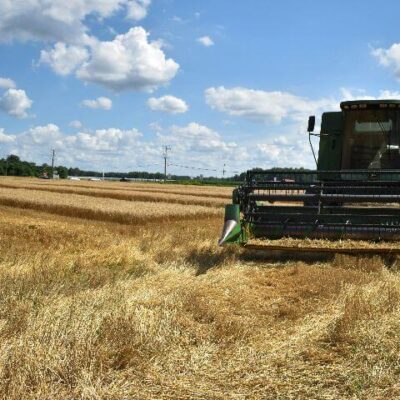


There are many edible plants out there that we can grow over the summer months in the UK – some tried and tested favourites, others a little less well known. One challenge for gardeners, no matter their experience level, is finding the best crops to grow in a UK summer – both inside and outside a polytunnel garden.
Tips For Edible Plants
When choosing edible plants to grow in the UK, it can often be helpful to forget typical plant categories. Plants are often categorised as vegetables and fruits, herbs, ornamentals or, if unwanted, weeds. But edible plants can be found in each of these categories, and more.
Many plants that would not usually find a place within a vegetable garden, and even many weeds, are also very useful edible crops, so it is a good idea to look everywhere for edible plants – not only in veg beds, but also in flower beds and borders, and in lawns and wild corners…
Annual Summer Crops
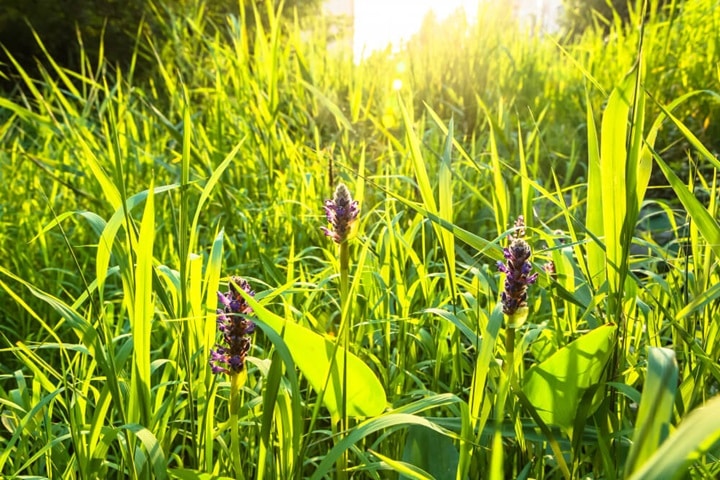
When you think about growing edible garden plants in summer in the UK, your mind is likely first of all to head in the direction of typical vegetable crops grown in vegetable beds, either raised beds or those in the ground.
During June and July, your annual crops are likely to be in full swing in your cram-packed summer garden, and you may well just be enjoying the first of your summer yields from those crops that you planted in the spring.
In my garden, June is all about the first of the broad beans, peas, and perhaps even the very earliest of the first early potatoes from the polytunnel. We also have some great leafy ‘hungry gap’ plants sown towards the end of summer last year – including a number of cabbage-family plants.
Over summer, this is also the time to successional sow a range of crops to eat over the rest of summer and into the autumn months and through the colder months to come.
Perennial Edibles

The UK also boasts a variety of perennial edibles that provide consistent harvests year after year, making them valuable for sustainable gardening.
Most obvious perhaps among the perennial edibles are the fruits from fruit trees and berry bushes that we can enjoy. These are some of the most important and abundant of the summer months. But these are not the only perennial crop options that will feed you summer after summer.
Asparagus is a popular choice, offering tender spears each spring though these are typically not harvested through summer. Rhubarb, known for its tart stalks, is excellent in desserts and requires minimal maintenance but is also usually harvested only earlier in the year.
There are however plenty of other perennial vegetables to consider. Jerusalem artichokes, for example, produce knobby tubers that can be roasted or sautéed for a nutty flavour. Globe artichokes, with their striking flower heads, yield delicious, tender hearts.
Kale varieties such as ‘Taunton Deane’ are perennial in milder climates or in a polytunnel, providing nutrient-rich leaves throughout the year. And there are several more perennial cabbage family plants. Sea kale, another relative, is native to coastal regions. This plant offers edible shoots and edible leaves.
Perennial herbs like rosemary, thyme, and sage are just some perennial herbs to consider integrating into UK gardens ensures a resilient, low-maintenance food source that supports sustainable living and biodiversity.
Many perennials can be planted in mixed beds or borders, or used in food forest or forest garden type schemes.
Foraging and Eating the Weeds
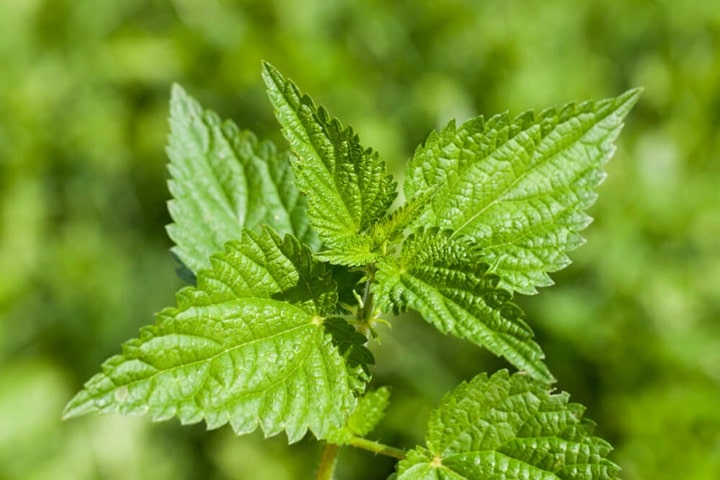
It is also useful when considering edible plants to remember that the UK is home to a variety of edible wild plants – often called ‘weeds’ that are both nutritious and flavoursome. Dandelions are among the most well-known; their leaves can be used in salads, while their roots can be roasted to make a coffee substitute.
Nettles, though stinging when raw, become safe to eat once cooked and are rich in vitamins A and C, making excellent soups or teas. Chickweed, with its mild taste, is perfect for salads or as a garnish. Ground elder, introduced by the Romans, can be sautéed like spinach. Sorrel, identifiable by its lemony taste, adds zest to soups and sauces… these are just a few examples.
The ‘Essential’ crops
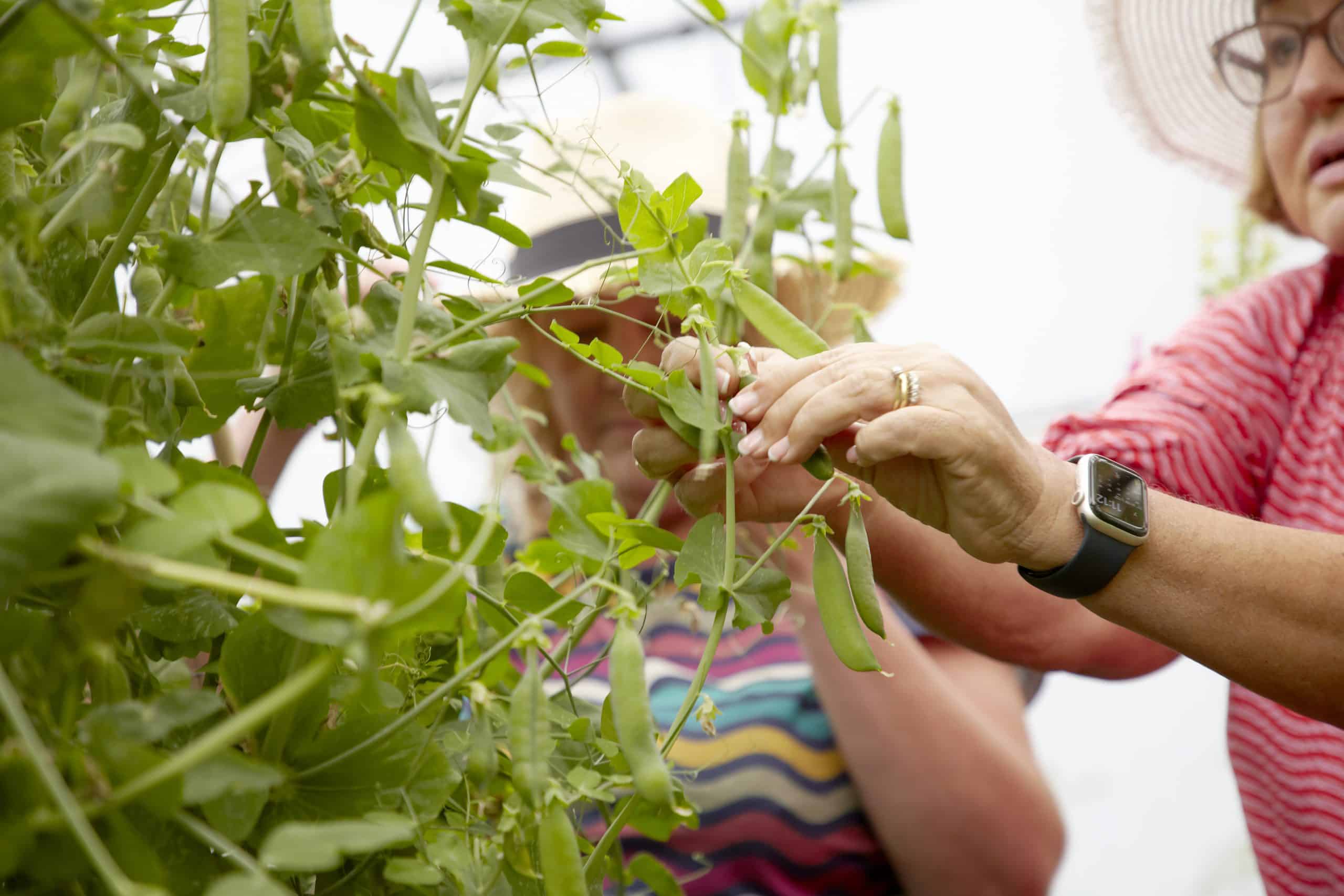
Essential crops, which we might call ‘staples’ are those crops that we grow every year, and which we would not dream of leaving out when planning our annual planting, or deciding which crops to have in a perennial scheme.
In the vegetable garden, ‘essentials’ typically include legumes (peas and beans) for their ability to add nitrogen to growing areas, as well as for the yields that they provide.
Personally, broad beans are an essential crop in our rotations, and some varieties can even be overwintered which can be very useful for a year-round scheme.
I also always like to grow varied types of peas – especially mangetout that offer a higher yield since we eat the pods (and some shoots) as well as the peas inside.
French beans and runner beans can also be useful, and with runner beans especially, you do not need many plants for a truly abundant yield. Dried beans can also be a very useful vegan protein source when used as a pulse.
Leafy greens are also very important – and can be varied enough to allow for very different salads throughout the year. I always grow a wide variety of lettuce, and diverse leafy greens pak choi, rocket, mustards and more…
Members of the cabbage family are always common crops in UK gardens too and are always a key part of my plans. Purple sprouting broccoli, kohlrabi, and kales, are among my favourites and among the easiest to grow.
Of course, potatoes are also a top crop, and a polytunnel makes it much, much easier to successfully grow other members of their family that like a warm summer, such as tomatoes and peppers of various kinds.
And then there are the root crops and alliums – of which carrots, beetroot and onions are only the most well known.
We also have essentials in the perennial garden areas that we would not be without, including our apple and plum trees, raspberries and blackberries, and currant and gooseberry bushes – and many, many other edible crops in the forest garden.
Plan For Next Year
I have ongoing plans to increase the number of beans that I grow to dry and use as a pulse over the coldest months of the year. And as always, will make sure that I grow as much as possible of the crops that my family and I really do eat. Planning ahead is important in any garden, and there is always room to improve on what we already have.
The ‘Nice to Have’ Crops
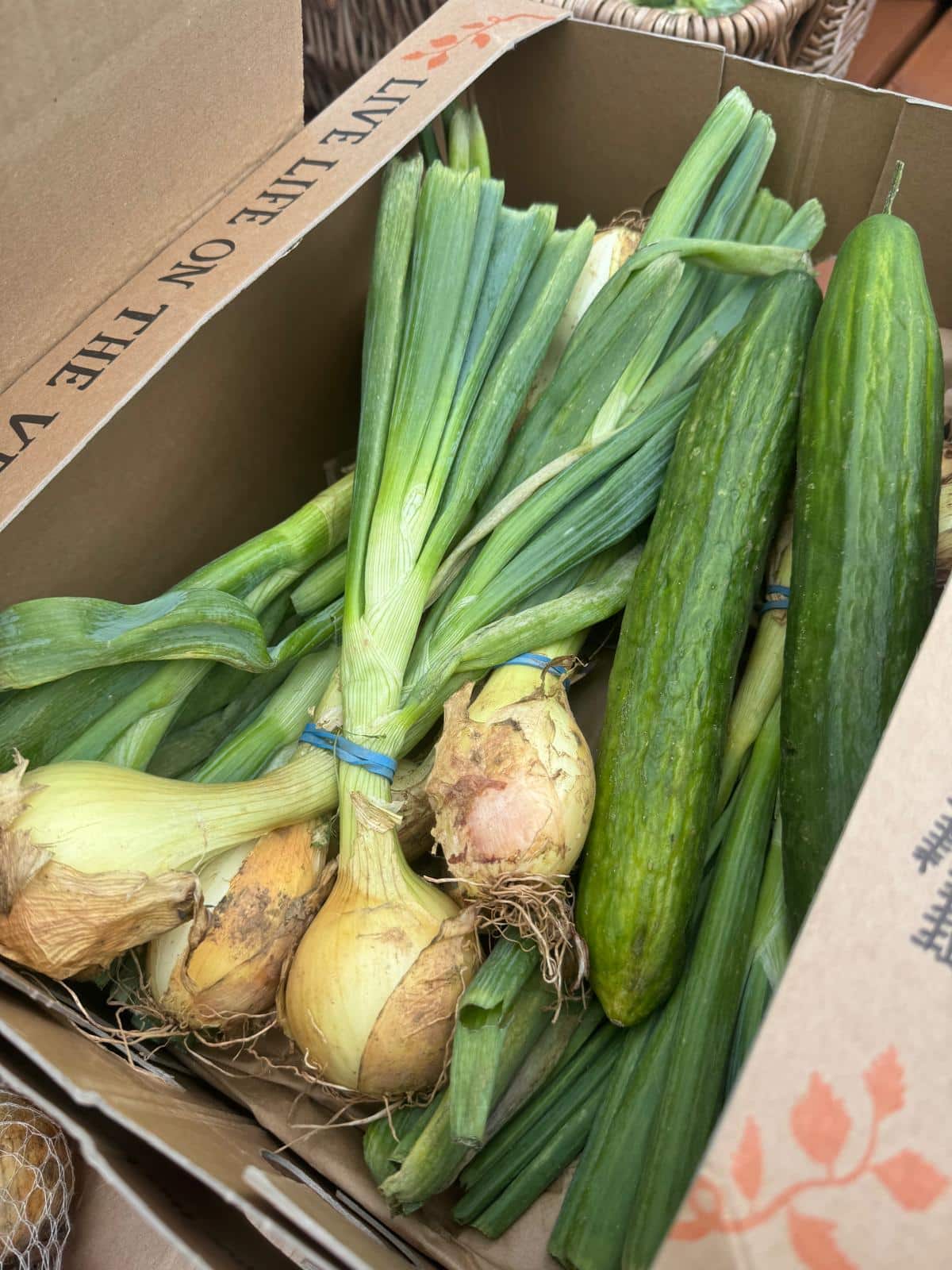
In this category, we have the crops that we do like to eat, but about which we are perhaps not quite as enthusiastic and which we really only need in smaller amounts.
For us personally, courgettes and cucumbers fall into this category. In the past I have definitely grown too many and had to work hard to make sure they did not go to waste.
These crops I would still make space for in my planting plans if possible, though we would not be too upset if they did not make the cut in our limited space every single year.
Plan For Next Year
I have been trying out some different summer squash and courgette varieties and will try out another different variety next year. It is a good idea to experiment slowly over time to see which variety or varieties are best for you, giving the best results where you live.
The Fun Experiments
Over the years, I have grown plenty of more unusual crops – just for the fun of trying something new. Some have worked well (cape gooseberries in the polytunnel for example, quinoa and amaranth) while others like oca, have not necessarily delivered the results hoped for and have not made the cut for the planting plan in subsequent years.
Plan For Next Year
I am not sure yet what fun experiments I will come up with for next year, but I am considering looking into some different and more unusual legumes that might grow well in the polytunnel.
Plants for Beauty, Scent and Wildlife
In both my annual and perennial planting schemes, I always aim to create polycultures with a diverse range of edible plants and companions. Companion planting can be important to achieve the highest possible yields in a food producing garden.
Sometimes companion plants may offer edible yields in their own right, but sometimes they are beneficial to your crops, or to the system as a whole, in different ways.
Plan For Next Year
I always aim to add extra diversity to my perennial planting plans each year, and have ongoing casual experiments into which companion plants work best for me in my vegetable garden.
So, What to Grow?
Working out which edible plants to grow in your garden over the summer months and beyond can be challenging – especially where space is limited and you do not have the space to grow everything that you would love to grow. So where to begin?
Whether in containers, or a small vegetable bed, growing a few annuals from seed is a good place to begin when getting started with edible plants.
Salad Leaves
First of all, when you are just starting out, I would highly recommend that you start with some cut and come again lettuce – one of the very easiest and quickest crops to grow.
Many other edible plants also work well as part of a cut and come again salad mix, and with a diverse range of textures, flavours and colours, salads can be much more varied than you might think.
Kale (And Other Brassicas)
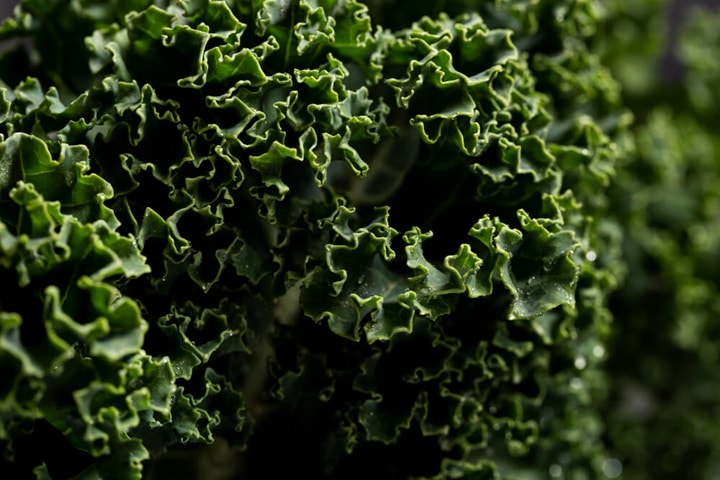
There are also plenty of cabbage family crops to grow that are also great choices for beginners and experienced gardeners alike.
I highly recommend growing kale, since this is such an easy and forgiving edible crop to grow. Plant kale in the spring and in the summer and you can enjoy harvesting leaves as required throughout the year.
Mangetout/ Peas

Another of the best crops to grow in the summer in the UK are peas. Mangetout types are particularly useful because you eat the pods, either before peas form inside or with the peas inside.
These, when sown successionally, can be harvested over a long period, and if you have kids, picking peas is a task they may enjoy.
Tomatoes
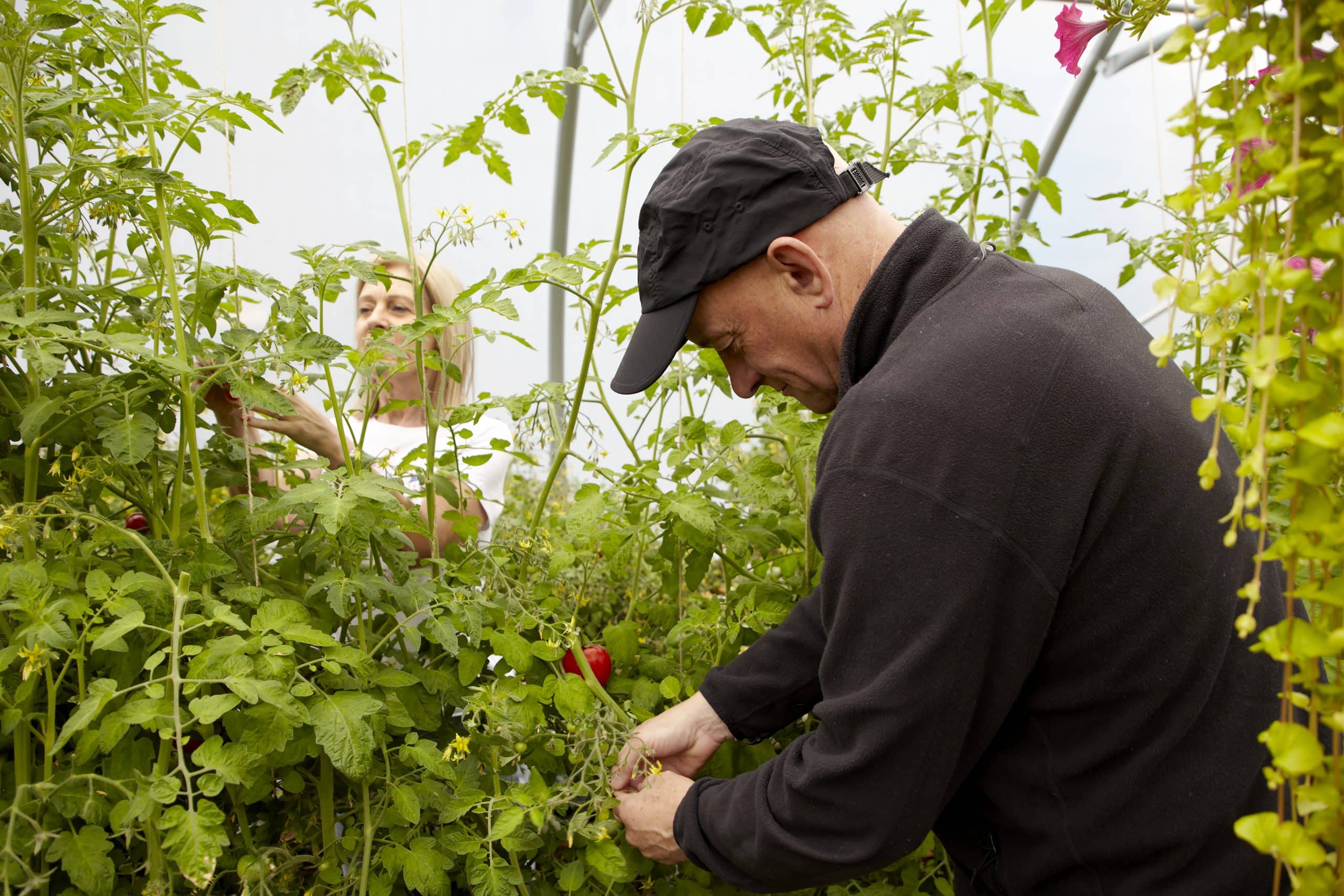
Tomatoes are, for many, a favourite crop. I would recommend sowing them early in the year, indoors, before transplanting them to your polytunnel or another suitable growing location in your garden once the weather warms reliably.
Though more challenging to grow successfully than the above options – tomatoes can be particularly satisfying when you do get it right, and there are plenty of interesting heirloom tomato varieties to consider.
Peppers
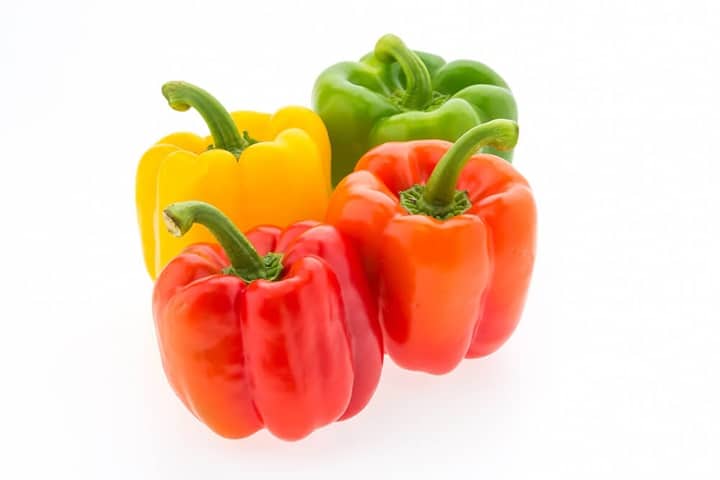
Peppers are also popular edible plants to grow, especially among those with a polytunnel. Again, start early in the year for best results.
Both sweet and chilli peppers can more easily be grown successfully in the UK with a polytunnel to protect them from the elements and provide the warm conditions in which they thrive.
FAQs
What is the best planter for hot weather?
Planters made from stone, or glazed ceramic, ideally in a light colour, are better for hot weather because they do not allow the soil and roots to heat up as quickly. Make sure you choose as large a container and possible, and one that is easy to water or irrigate, as any planter can dry out quickly in the heat.
What are the easiest edible plants to grow in pots?
Over the summer, plants that are reasonably drought tolerant are often the easiest plants to grow in containers. Mediterranean herbs, for example, can be some good edible plants to consider. Where you can water regularly, cut and come again leafy salad crops are very easy to grow in pots.
What are the best plants for summer pots outside?
If pots are placed outside in a sunny and sheltered position then drought and heat-tolerant plants are easiest to grow successfully. Make sure you choose plants with reference to their size, and the growing conditions they will require.
What is the best planter for growing food?
Planters made from natural and non-toxic materials are of course best when growing food. Wood is a common and useful choice, for example, and reclaimed materials can be used as long as these have not been contaminated. There are of course plenty of other outdoor plant pots, planters and raised bed options to choose from.
Sources
Wise, P., (2024) The best outdoor plant pots for your garden or patio this spring. House Beautiful. [online] Available at: https://www.housebeautiful.com/uk/garden/plants/g32286182/outdoor-plant-pots/