

As eco-conscious gardeners, we should all try to incorporate as many native plants as possible into our UK gardens. Native plants provide food and habitat for native wildlife, they are well suited to the environmental conditions, and are generally very low-maintenance and easy to care for.
How to Grow Perennial Wildflowers
There are many different ways to grow perennial wildflowers and other native flowering plants – one of the first things to think about is how you can incorporate these plants into your garden.
Perennial native plants might be grown in your garden as part of:
- Native woodland schemes.
- Native hedgerows or shrub borders.
- Native wild lawns or perennial meadows.
- Native wetland or pond planting.
- Native rock or gravel gardens etc…
Of course, you might also simply integrate native perennial plants into mixed ornamental or edible beds or borders in your garden.
Polytunnel growers might like to consider incorporating native planting into perennial schemes inside the polytunnel itself, and also plant around the edges of a polytunnel using native plants, to help the structure to nestle into its surroundings and perhaps even to protect and structure and/or aid its function.
Wherever and however you plan to use our native flowers in your garden, it is important to consider the characteristics of each plant and each planting location, so that you can match the two. Choosing the right native plants for the right places is key to creating a successful and low-maintenance scheme.
Understanding how and where a native flowering plant naturally grows can help you understand where it might find its place in your garden.
Choosing Native Plants, Flowers, and Perennials
To select the right native flowering perennials for your garden, there are a number of different things that you should consider. Key things to think about when making your choices are:
- Space available, and the size/ growth rate/ growing habit of specific species.
- Sunlight needs – whether species need full sun, partial sun or shade.
- How much water a specific species requires.
- What soil type a plant needs to do well – whether it does best in a boggy and waterlogged soil, one that is moist but well drained, or one that is well drained. And whether it does best where soil is acidic, neutral or alkaline in pH.
- What ‘ecosystem services’ a plant might provide, and/or the yields it can produce for us.
One other thing that you might like to think about when choosing native plants for your garden is that some can be toxic to people and/or toxic to pets. Make sure that you bear this in mind when making decisions about which ones to grow.
10 Native Flowering Trees and Shrubs
When choosing perennial flowering plants for a UK garden, we can consider woody plants – trees and shrubs – as well as plants that would typically fall into the ‘wildflower’ category.
Like herbaceous perennials, trees and shrubs will also, of course, remain in your garden over multiple years, and these can also have flowers that both humans and pollinators find attractive. Here are just some of the many native trees and shrubs that you might consider growing in your garden:
1. Wild cherry/ gean – Prunus avium
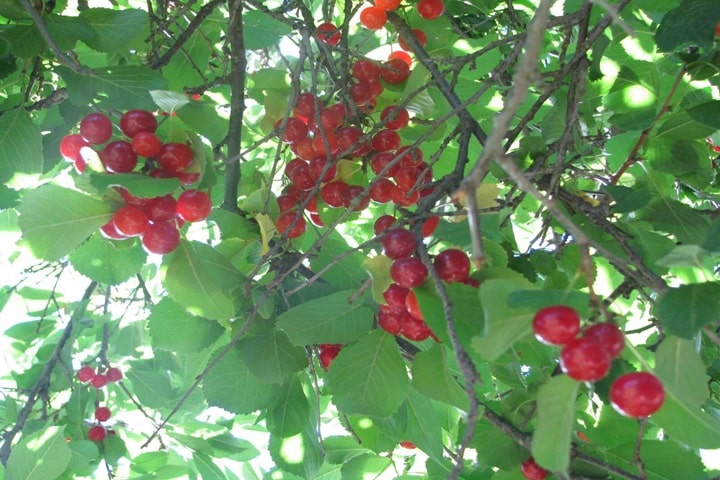
Wild cherry trees not only provide beautiful spring blossoms but also attract wildlife with their fruit, enhancing biodiversity in gardens and woodlands. These trees thrive in well-drained, fertile soils and prefer sunny locations. They are hardy and can tolerate cold winters. Ideally, plant out during the dormant period.
2. Crab apple – Malus sylvestris
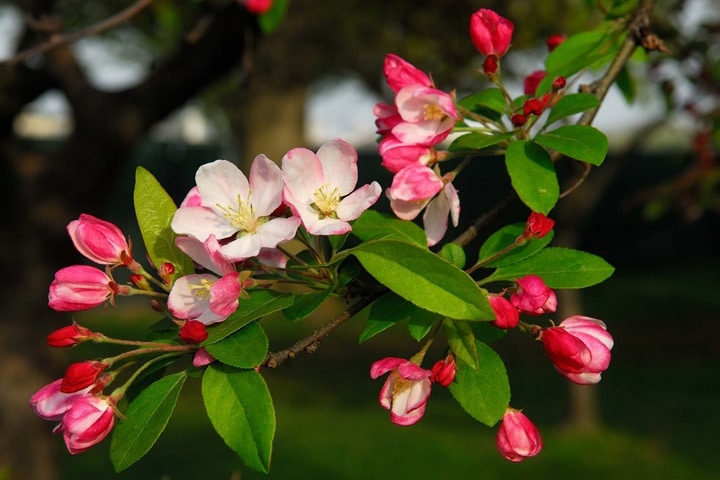
Growing crab apples in the UK is easy due to their hardiness. They thrive in well-drained soil and sunny or partially shaded locations. Plant in autumn or winter. These trees require minimal pruning and produce beautiful blossoms in spring, followed by small, decorative fruits that attract wildlife and support biodiversity.
3. Elderberry – Sambucus nigra
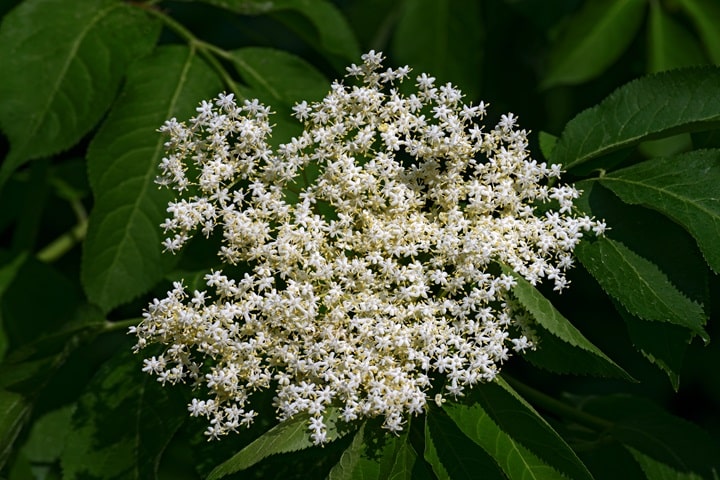
Elderberry bushes/ trees produce fragrant flowers in summer and dark, nutritious berries in autumn, supporting local wildlife. They thrive in moist, well-drained soil and sunny or partially shaded spots and require only minimal care. The flowers are not only pretty and fragrant but can also be used to make a delicious elderflower cordial.
4. Dog Rose – Rosa Canina
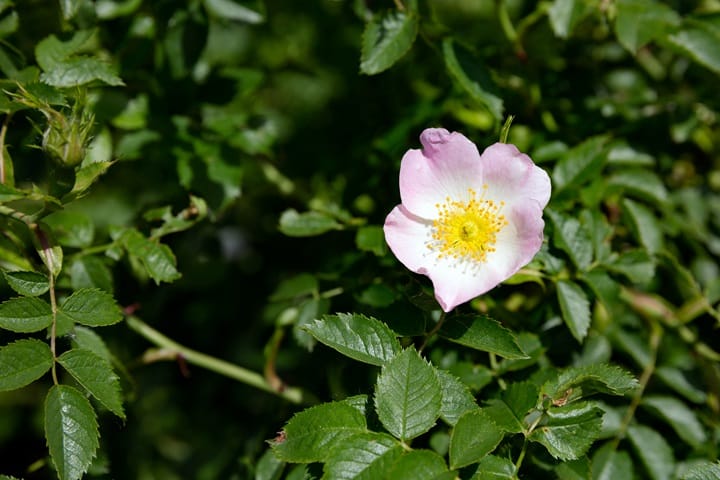
Growing Rosa canina, or dog rose, in the UK is another easy choice. This hardy, deciduous shrub grows to around 3m in height. It thrives in well-drained soil and sunny or partially shaded spots. It produces attractive pink or white flowers in summer, followed by vibrant hips, benefiting local wildlife, and with its prickly stems, it can work well in protective hedging.
5. Field Rose – Rosa arvensis

This hardy climbing shrub, which is vigorous and thorny, thrives in well-drained soil and sunny or partially shaded locations. It offers fragrant white flowers in summer, supporting pollinators and wildlife. This is another of our native roses that can be useful in a range of different garden schemes.
6. Hawthorn – Crataegus monogyna
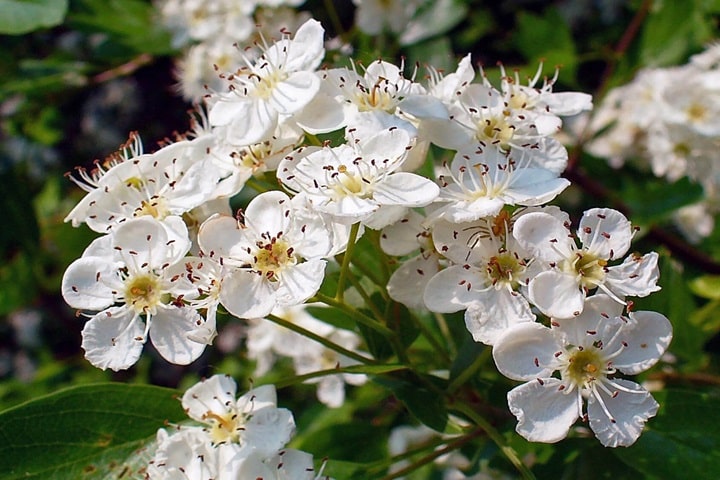
Hawthorn produces white flowers in spring and red berries in autumn, supporting wildlife. It is a common plant in hedgerows across much of the UK. This tree or shrub is happy in a range of conditions, though it thrives in well-drained soil and sunny or partially shaded spots. This is a hardy plant and minimal care is required.
7. Hazel – Corylus avellana
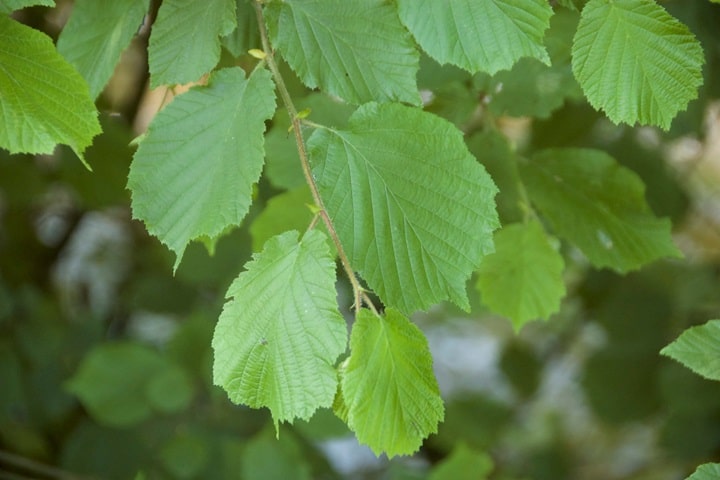
This hardy shrub or small tree thrives in well-drained, fertile soil and can tolerate both sun and partial shade. Hazel produces male yellow catkins and pretty, edible nuts in autumn and supports wildlife, including caterpillars and birds. It can be coppiced, used in hedgerow, or used as a small stand-alone specimen tree.
8. Rowan – Sorbus aucuparia

Rowan trees thrive in well-drained, fertile soils and prefer sunny or partially shaded locations. They are tolerant of a range of soil types, including acidic and alkaline conditions, making them suitable for various garden settings. They produce clusters of white flowers in late spring, followed by vibrant red or orange berries in autumn, which attract birds and other wildlife.
9. Guelder Rose – Viburnum opulus

This deciduous shrub thrives in a variety of soil types, including clay, loam, and sandy soils, as long as they are well-drained. It prefers moist, fertile soil and can tolerate both full sun and partial shade. Viburnum opulus produces clusters of small white flowers in late spring to early summer, followed by bright red berries in autumn, which are attractive to birds.
10. Common Broom – Cytisus scoparius
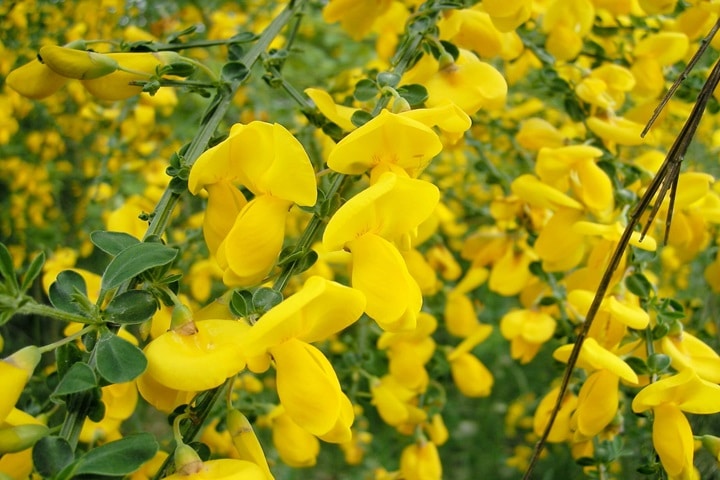
This shrub produces vibrant yellow flowers in late spring to early summer, adding a splash of color to the garden and attracting pollinators. Common broom also supports wildlife by providing habitat and food for various insects and birds. It thrives in well-drained, sandy or loamy soils and prefers full sun to partial shade. It is particularly tolerant of poor soils, making it ideal for challenging garden spots or coastal areas.
10 Native Herbaceous Perennials
The range of native herbaceous perennials that one might grow here in the British isles is truly immense. Any list, therefore, must be highly limited and selective.
It is important to remember that some perennial wildflowers are more broadly present over much of the UK, while others are found in more limited areas. It is always a good idea to research which options are found in the specific country and specific area where you live.
But here are some widespread herbaceous perennials that might be useful to consider for your garden:
1. Ox-eye Daisy – Leucanthemum vulgare
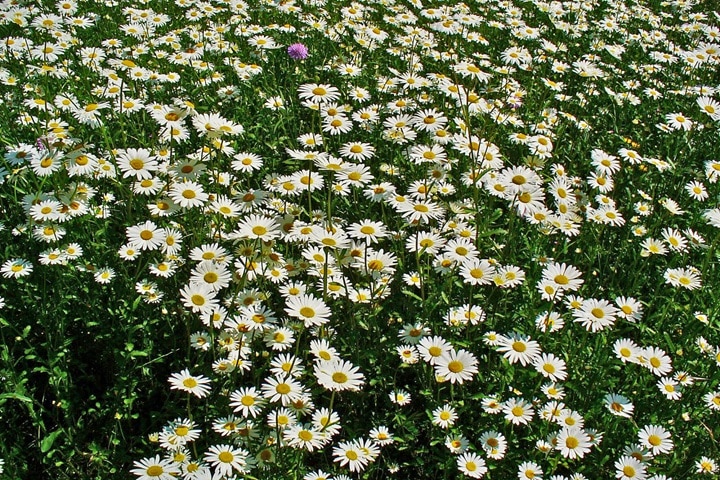
A good choice for many wildflower meadows, Oxeye daisies thrive in a variety of soil types, including clay, loam, and sandy soils, and they prefer full sun but can tolerate partial shade. These wildflowers produce masses of white daisy-like blooms with yellow centres from late spring to early summer, attracting pollinators like bees and butterflies to the garden.
2. Bellflowers – Campanula
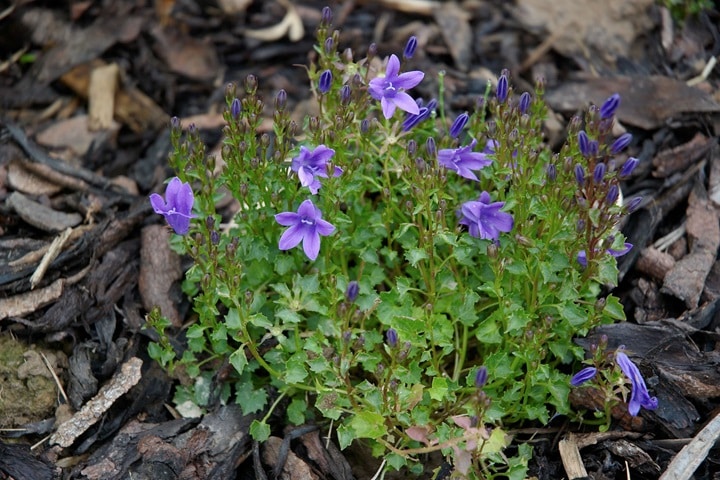
These perennials thrive in well-drained soil and prefer full sun to partial shade. With various species available, choose the right one for your garden’s conditions. Native bellflowers require minimal maintenance once established. Water during dry spells, but they generally tolerate drought well. These charming flowers come in shades of blue, purple, pink, or white, depending on the species. They bloom from late spring to early summer, attracting many different pollinators.
3. Betony – Betonica officinalis

Betony is a resilient and attractive perennial. This wildflower prefers well-drained soil and thrives in partial shade, making it suitable for woodland edges or dappled shade in gardens. The charming spikes of purple flowers bloom from late spring to midsummer, attracting pollinators, and this is also a well known medicinal herb.
4. Ragged Robin – Lychnis flos-cuculi
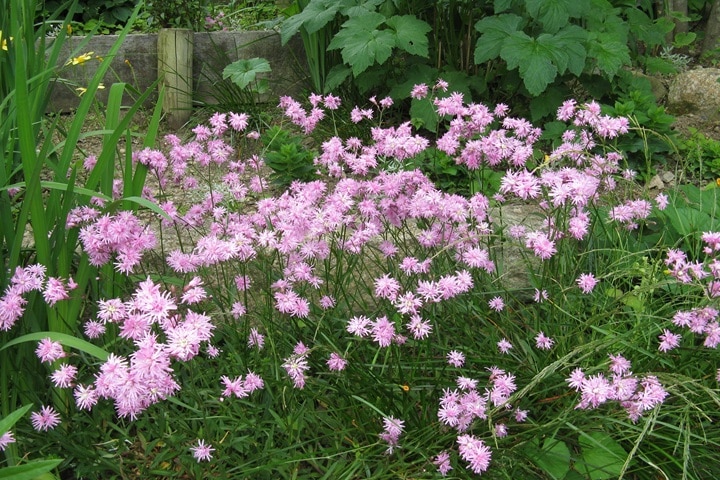
This perennial wildflower thrives in moist, or moist but well-drained soil, and partial shade to full sun. The charming pink flowers with deeply divided petals bloom from late spring to early summer, attracting pollinators and enlivening the space. This wildflower is well-suited to bog gardens, pond edges, or damp meadows.
5. Red Campion – Silene dioica

Growing red campion (Silene dioica) in the UK is a fantastic way to add color and attract pollinators to your garden. This native perennial thrives in a variety of soil types, including loamy, sandy, or chalky soils, and prefers partial shade to full sun. The vibrant pink flowers bloom from late spring to early summer, helping to boost biodiversity in the garden.
6. Hemp Agrimony – Eupatorium cannabinum
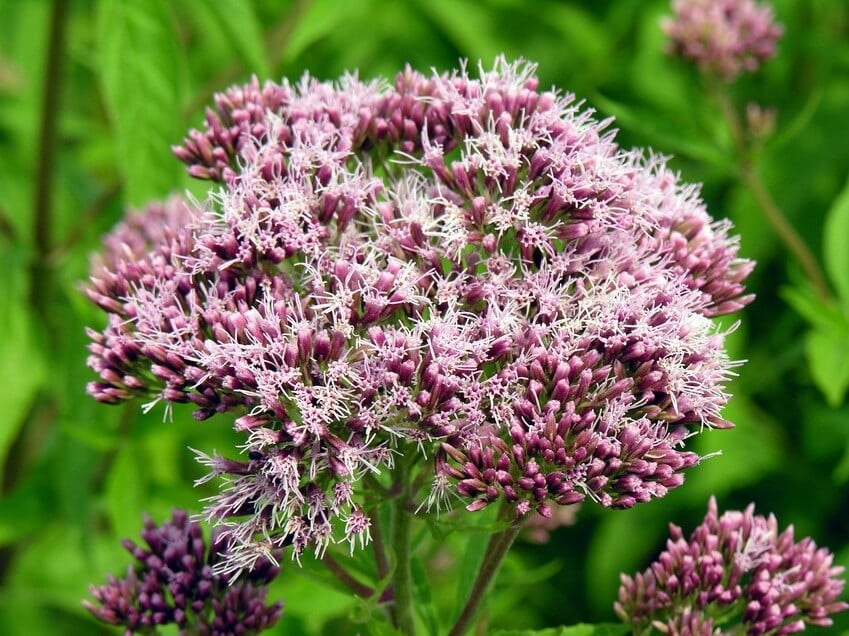
This native plant thrives in damp or wet soils and prefers full sun to partial shade. It will do well along pond edges, stream banks, or in damp meadows. This plant is an excellent choice for wildlife gardens, wetland restoration projects, or naturalized areas. Its tolerance for damp conditions and attractive flowers make it a valuable addition.
7. Viper’s Bugloss – Echium vulgare
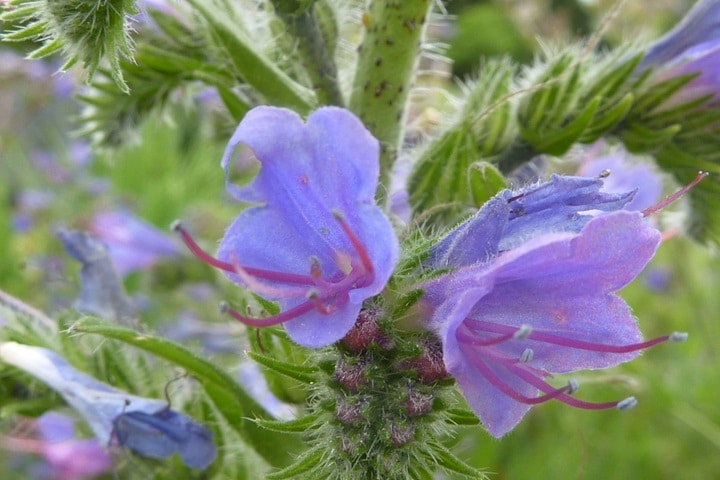
This biennial or short-lived perennial thrives in well-drained, sandy or loamy soil and prefers full sun. The striking spikes of blue flowers bloom from late spring to midsummer, attracting bees, butterflies, and other pollinators to the garden. This plant is well-suited to wildflower meadows, cottage gardens, or naturalized areas.
8. Common Knapweed – Centaurea nigra
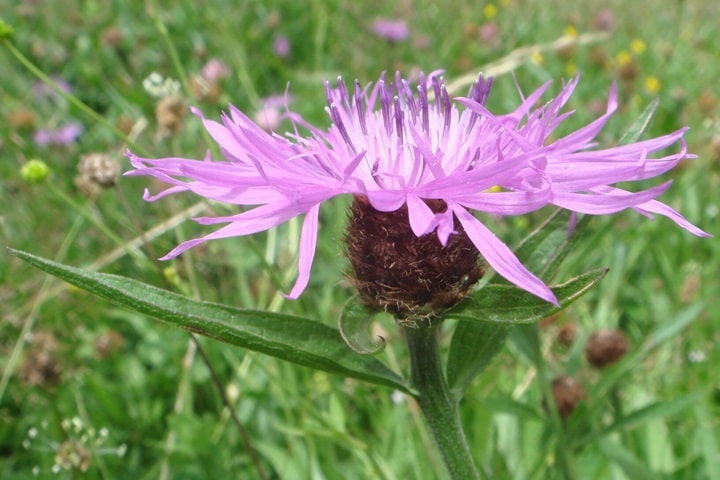
This native perennial thrives in a variety of soil types, including clay, loam, or sandy soils. Choose a location with well-drained soil and full sun for best results. The attractive purple-pink flowers bloom from mid to late summer and are beloved of bees and other pollinators. It is a good choice for a wild lawn or perennial meadow scheme.
9. Primrose – Primula vulgaris
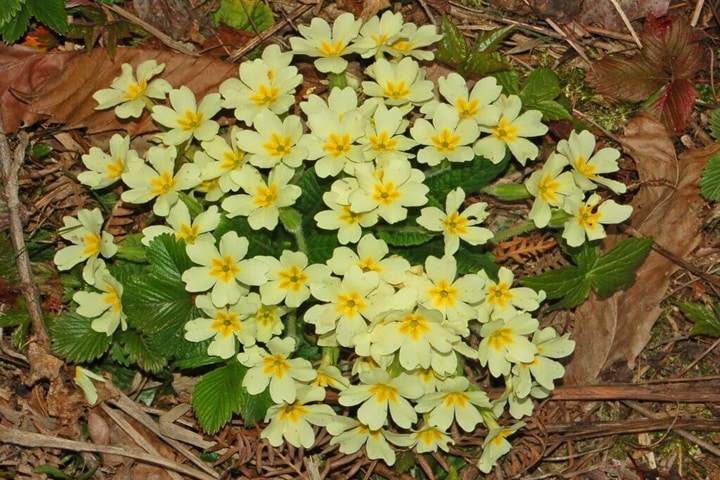
These native perennials thrive in moist, well-drained soil and prefer partial shade to full shade. The charming clusters of pastel-coloured flowers bloom from late winter to early spring, brightening up shady areas of the garden. Primroses attract early pollinators, helping them early in the year.
10. Wood anemone – Anemonoides nemorosa
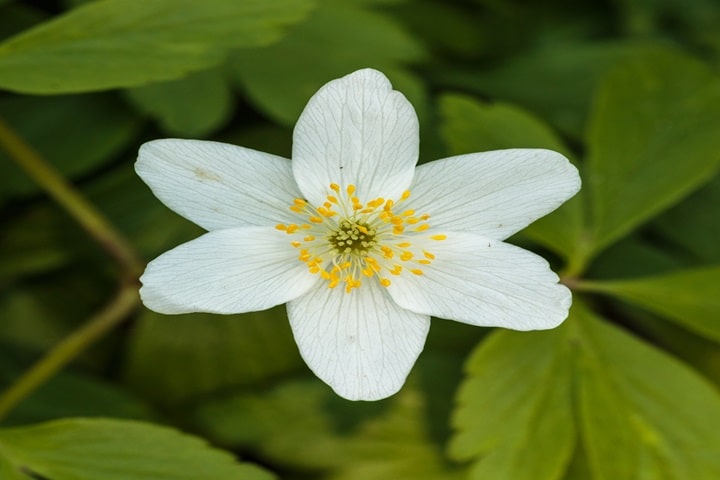
Indicator species of ancient woodland, wood anemones thrive in moist, well-drained soil and partial shade to full shade. The charming star-shaped flowers bloom from late winter to early spring, often before the trees leaf out. They provide essential early-season nectar and pollen for emerging insects.
FAQs
What wildflowers are native to my area in the UK?
Consulting books and online resources on native wildflowers in specific regions of the UK, consulting local experts and simply looking around you can help you determine which flowers are native to and thrive in your particular region.
What flower is native to England?
Many, many different flowers are native to England, and to the other nations of the UK.
What wildflowers come back year after year?
These wildflowers that come back year after year are called perennials. Native perennials will remain in your garden over a number of years, often disappearing over winter but getting new growth in spring.
What are wildflower perennials?
Wildflower perennials are flowering plants that are either native or naturalized in the UK, that are at home in a particular setting and will grow there over multiple years.
Sources
Stagg, R., (2024) This popular gardening trend can be toxic to pets. Country Living. [online] Available at: https://www.countryliving.com/uk/wildlife/pets/a60439346/wildflowers-toxic-to-pets/