


What are rain gardens? Rain gardens are an increasingly popular solution for managing storm water in a sustainable and aesthetically pleasing way.
By capturing and filtering rainwater runoff, they contribute to healthier ecosystems while beautifying outdoor spaces.
This comprehensive guide explores everything you need to know about rain gardens, from design tips to plant selection, so you can create an effective and attractive feature in your garden.
Quick Facts
- Purpose: Designed to manage rainwater runoff from impervious surfaces like roofs, driveways, and patios.
- Function: Filters pollutants, reduces flooding, and recharges groundwater.
- Appearance: Shallow, landscaped depressions with moisture-tolerant plants.
Suitable For
Rain gardens are suitable for most properties, especially those prone to surface water issues. They are ideal for urban and suburban areas where impermeable surfaces exacerbate stormwater problems.
A rain garden is a powerful yet simple way to make your garden more sustainable, functional, and beautiful.
With careful planning, the right plant choices, and an understanding of your site’s needs, you can create a thriving rain garden that supports your environment while adding charm to your outdoor space.
Whether you’re managing runoff from a polytunnel or simply looking to enhance your landscape, rain gardens are a smart and rewarding choice.
What are Rain Gardens?

A rain garden is a shallow depression designed to capture rainwater runoff and allow it to percolate into the ground. Unlike Unlike ponds or bog gardens, rain gardens are not meant to retain water permanently. Instead, they are engineered to absorb water within 24–48 hours. A rain garden temporarily holds water and dries out between rainfalls. They are carefully engineered to mimic natural drainage systems.
A rain garden does not need to adhere to a specific style, but it will typically be divided into zones that cater to different water levels, with the centre hosting plants tolerant of wet conditions and the outer edges featuring species that prefer drier soils.
When to Build a Rain Garden
The best time to construct a rain garden is during the drier months, typically late spring to early autumn in the UK. This ensures that soil conditions are manageable and plants can establish before winter rains arrive.
Benefits of Rain Gardens
- Flood Mitigation: Slows down stormwater runoff, reducing localised flooding.
- Pollution Reduction: Filters pollutants like oil, heavy metals, and chemicals before they reach waterways.
- Wildlife Habitat: Supports pollinators, birds, and beneficial insects.
- Aesthetic Appeal: Adds beauty and interest to gardens.
- Sustainability: Encourages groundwater recharge and reduces strain on public drainage systems.
Where to Site a Rain Garden
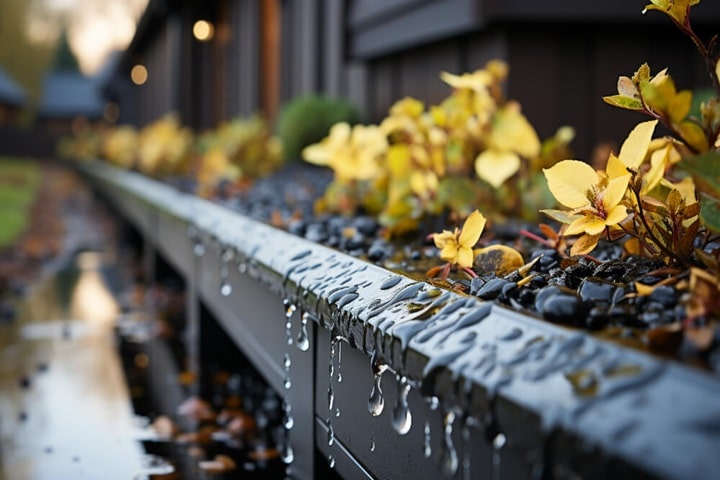
Choosing the right location is one of the most important steps in creating a rain garden.
Ideally, you should place the garden in an area where water naturally collects, such as at the base of a slope or near a downspout. However, it is essential to ensure that the site is at least three metres away from buildings to prevent water from seeping into foundations.
Avoid siting the garden near septic systems, shallow utility lines, or areas where water may pool for extended periods. It is also crucial to assess the direction of water flow on your property, as this will help you direct runoff into the rain garden effectively.
How to decide if the ground is suitable

Not all soils are suitable for a rain garden. The key factor is drainage. To determine whether your soil is appropriate, conduct a simple percolation test. To conduct a soil percolation test:
- Dig a hole approximately 30cm deep and fill it with water.
- Allow the water to drain, then refill it.
- Measure how long it takes for the water to drain completely.
- If it drains within 24 hours, the soil is suitable.
- If it takes longer, amend the soil or choose another site.
Rain Garden Design Tips
A well-designed rain garden should blend seamlessly with its surroundings while fulfilling its practical purpose.
Begin by considering the overall style of your garden. Do you prefer a formal, structured look or a more natural, wild aesthetic?
The shape of the rain garden can also make a significant difference. Kidney, teardrop, and oval shapes are popular choices as they mimic natural contours and help water flow efficiently.
In addition to shape, think about the visual impact of the garden throughout the year. Incorporate plants with a range of textures, colours, and bloom times to create interest in every season.
Include mulch to suppress weeds, retain moisture, and reduce erosion. It can also be nice to use stones or decorative edging to define the boundaries of the garden and add a polished finish.
How To Make A Rain Garden: The Basics
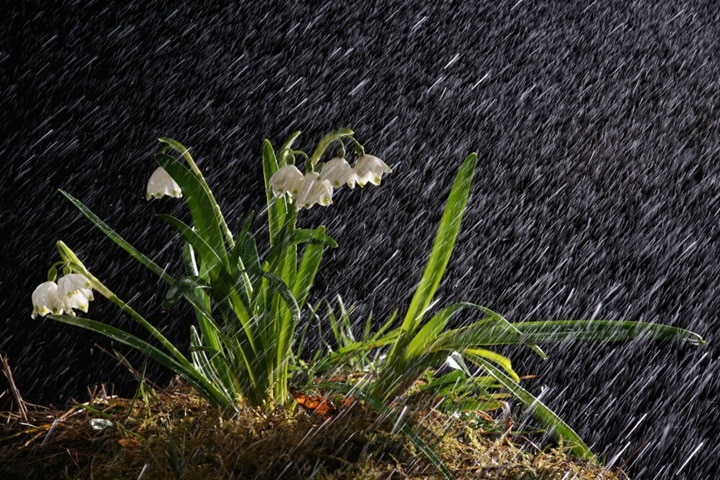
What Size Should The Rain Garden Be?
A rain garden should typically cover 10-20% of the impervious surface area that drains into it. For example, a 50m² roof might require a rain garden of 5-10m². Of course, if only some water from the roof or collection area will be directed to the rain garden, then it can be commensurately reduced in size.
How To Calculate The Area Of The Rain Garden
- Measure the drainage area (e.g., roof or driveway, or the portion thereof to be directed to the rain garden).
- Multiply the area by a runoff coefficient (0.9 for roofs, for example, and 0.5 for lawns).
- Use this number to size the rain garden, adjusting for slope and soil type.
Directing Water to the Rain Garden
Next, focus on directing water into the garden. This can be achieved using downspouts, swales, or French drains. If you’re capturing runoff from a large area, such as a polytunnel or roof, consider installing a rain barrel to regulate the flow of water into the garden. After preparing the site, shape the garden to your desired layout and add the plants.
Preparing the Site
Once you’ve planned your rain garden, it’s time to start construction. Begin by marking the area with stakes and string.
Excavate the soil to create a shallow basin, sloping gently towards the centre. The depth of the basin will depend on the expected amount of runoff, but it is typically between 10 and 20 centimetres. If your soil has poor drainage, mix in compost and sand to improve its structure.
Planning Rain Garden Shape, Style and Layout
- Shapes: Kidney, teardrop, or oval shapes work well with natural landscapes.
- Zones: Create zones for wet-tolerant plants in the centre and drought-tolerant plants around the edges.
- Paths and Edging: Incorporate stepping stones or decorative borders for accessibility and structure.
Planting the Rain Garden
The choice of plants is one of the most enjoyable aspects of creating a rain garden. The key is to select species that can thrive in both wet and dry conditions. Native plants are particularly well-suited to rain gardens, as they are adapted to the local climate and soil and provide essential resources for wildlife.
Rain gardens thrive on diversity. Use predominantly if not entirely native plants to ensure adaptability and ecological benefits.
- Prepare the Soil: Loosen and level the planting area.
- Place Plants: Group species based on water tolerance and sunlight needs.
- Planting Depth: Ensure plants are set at their proper depth to avoid waterlogging roots.
- Mulch: Apply a 5cm layer of mulch around plants to retain moisture and suppress weeds.
Choice of Plants for UK Rain Gardens
There are many plants that can thrive in a rain garden, but the following lists should help you begin to plan which plants to place in your rain garden.
Central Zone: Wettest Area
Plants in this zone must tolerate temporary inundation after rainfall and consistently moist soils.
- Iris pseudacorus (Yellow Flag Iris): A striking wetland plant with bright yellow flowers, ideal for visual impact and wildlife support.
- Caltha palustris (Marsh Marigold): Produces cheerful yellow blooms in spring, attracting pollinators.
- Carex acutiformis (Lesser Pond Sedge): Provides excellent soil stabilisation with its dense root system.
- Filipendula ulmaria (Meadowsweet): A fragrant plant with frothy white flowers, thriving in damp soils.
- Lythrum salicaria (Purple Loosestrife): Adds height and vivid purple flowers, loved by bees and butterflies.
- Juncus effusus (Soft Rush): A hardy rush that thrives in waterlogged soils, offering vertical structure.
- Alisma plantago-aquatica (Water Plantain): Features delicate white or pink flowers, perfect for the wettest parts.
- Ranunculus flammula (Lesser Spearwort): A low-growing plant with small yellow flowers, ideal for ground cover.
- Hydrocotyle vulgaris (Marsh Pennywort): A creeping plant with round leaves, useful for filling gaps in wet zones.
- Myosotis scorpioides (Water Forget-Me-Not): Delicate blue flowers add charm to wet areas and attract pollinators.
Transitional Zone: Moist But Not Waterlogged
This zone experiences periodic wetness but dries out between rains. Plants here must adapt to fluctuating conditions.
- Eupatorium cannabinum (Hemp Agrimony): A tall perennial with pink flowers, attracting bees and butterflies.
- Angelica sylvestris (Wild Angelica): Adds architectural interest with umbels of pale pink or white flowers.
- Cirsium dissectum (Meadow Thistle): A pollinator-friendly plant with pinkish-purple blooms.
- Succisa pratensis (Devil’s-Bit Scabious): Blue flowers that provide late-season nectar for bees and butterflies.
- Stachys palustris (Marsh Woundwort): A hardy plant with purple spikes, beneficial for pollinators.
- Mentha aquatica (Water Mint): Fragrant and attractive to pollinators, with clusters of lilac flowers.
- Lychnis flos-cuculi (Ragged Robin): Ragged pink flowers bring a delicate charm to this zone.
- Veronica beccabunga (Brooklime): Low-growing with small blue flowers, creating a lush carpet.
- Carex nigra (Common Sedge): A versatile grass that tolerates both moist and drier conditions.
- Galium palustre (Common Marsh Bedstraw): A groundcover plant with small white flowers, providing ecological benefits.
Perimeter Zone: Drier Areas
Plants in this zone must tolerate occasional moisture but predominantly dry conditions.
- Achillea millefolium (Yarrow): A resilient plant with feathery leaves and white or pink flowers.
- Primula veris (Cowslip): A spring-flowering plant with clusters of yellow, bell-shaped flowers.
- Daucus carota (Wild Carrot): Adds delicate white umbels and seed heads for seasonal interest.
- Silene dioica (Red Campion): Bright pink flowers bring colour to the garden and attract pollinators.
- Knautia arvensis (Field Scabious): Lavender-blue flowers that are a magnet for bees and butterflies.
- Betonica officinalis (Betony): A compact plant with purple spikes, thriving in well-drained soils.
- Leontodon hispidus (Rough Hawkbit): A dandelion-like plant with yellow flowers, adding a sunny touch.
- Lotus corniculatus (Bird’s-Foot Trefoil): A low-growing plant with bright yellow flowers, beneficial for pollinators.
- Anthyllis vulneraria (Kidney Vetch): Compact with soft yellow flowers, suitable for sunny, dry edges.
- Thymus polytrichus (Wild Thyme): Aromatic and low-growing, with pink or purple flowers.
Problems
While rain gardens are relatively low-maintenance, they can encounter a few challenges. Poor drainage is one of the most common issues. If water remains in the garden for more than 48 hours after rainfall, consider amending the soil with sand or gravel to improve permeability.
Erosion can also be a problem, particularly on sloped sites. Stabilise the garden with stones, mulch, or groundcover plants where necessary to prevent soil loss.
Regular weeding is essential to keep invasive species at bay and ensure the garden remains healthy and attractive.
Further reading:
Want to discover more about water in the garden? Try these guides:
FAQs
What is the best shape for a rain garden?
Kidney or teardrop shape is often recommended for its natural look and efficient water flow management.
What is the best plant for a rain garden?
There is no single “best” plant, but native species like Purple Loosestrife and Meadowsweet perform exceptionally well in UK rain gardens.
Where is the best place to put a rain garden?
Locate your rain garden where water naturally collects, such as at the bottom of a slope, while ensuring it is at least 3 metres from buildings.
How do rain gardens reduce pollution?
Rain gardens filter pollutants by allowing water to slowly infiltrate the soil. Plants and microbes in the garden break down harmful substances, improving water quality before it reaches natural waterways.
Sources
Met Office (2019) How much does it rain in the UK? [online] Available at: https://www.metoffice.gov.uk/weather/learn-about/weather/types-of-weather/rain/how-much-does-it-rain-in-the-uk [accessed 17/12/2024]