



As climate change continues, more and more gardeners will experience floods here in the UK. You may already have experienced issues with your garden flooding. Or you may be worried that your garden will flood in the future. In either case, these tips may help you deal with this issue:
Determine Why You Are Dealing With Garden Flooding
The first step in handling garden flooding involves looking at why the garden floods (or why it may do in future). Understanding the environment in which your garden sits is crucial to choosing the right strategies, and the right options for your garden.
A garden can flood for a range of reasons including:
- A location close to a river or other waterway, or the coast.
- Being on low ground (so water drains into the space from the surrounding area).
- High water table – which leads to saturated ground and surface water in deluges.
- Compacted, heavy or poorly-draining soil, which means rainfall cannot drain away effectively.
Look For Obvious Issues and Try To Tackle Them
Of course, some types of garden flooding are more easily remedied than others. Once you have identified the type and source of flooding issues in your garden, you can look for any obvious issues and begin to think about how you might be able to tackle them.
For example, where you are close to a river or waterway, you may be able to mitigate flooding issues through riparian (riverside) planting. Restoration of riparian zones (whether within your garden or in the wider community) might be something with which you can be involved. Sometimes, you may need to look beyond the boundaries of your own garden to help tackle flooding issues. Natural flood prevention schemes are important, and you might be able to help prevent flooding in your own garden by volunteering on a local project.
Garden flooding issues can often be exacerbated by excessive paved or asphalted areas. Or by poorly managed rainwater from roofs or driveways, for example. So tackling these issues can often be a good first step with small flooding issues in specific areas.
Replace areas of hard standing where possible with vegetation which can help protect and improve the soil, and which will be better at absorbing rainfall and filtering it into the soil. Think about how you can catch and store rainfall before it causes runoff and flooding issues.
Add Drainage Ditches and Divert Water Wisely
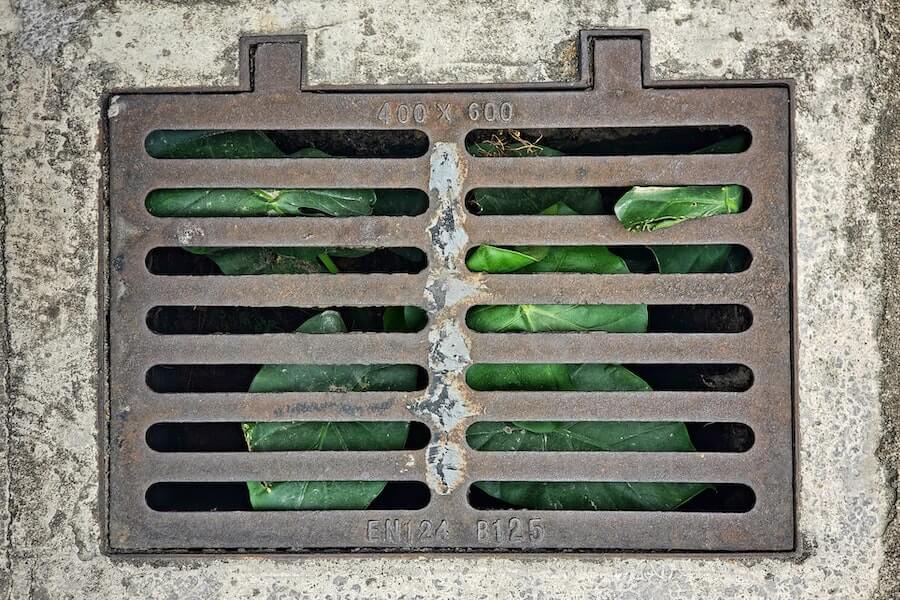
Stopping your garden flooding can often require drainage ditches which can divert the water wisely and prevent it from pooling in certain areas. French drains are often used to prevent a garden area from becoming waterlogged or from flooding.
Of course, drainage ditches can help carry water away from areas where it will become a problem. But you need to think very carefully about where that water will go. Drainage ditches in a garden setting might lead water, for example, to a garden pond. Careful calculations will help you work out what is possible, and how large a pond or other water feature would need to be.
Remember, while drainage often carries water to mains sewerage, it is often a better approach to keep the water on site where possible rather than increasing the load on what can sometimes already be strained municipal systems. While you will likely want to prevent flooding, keeping water around on your property can often bring benefits to you, as a gardener.
Consider Other Earthworks To Handle Garden Flooding
Drainage ditches are not the only type of earthworks which can be helpful in water management in a garden. To deal with garden flooding, you might also find it beneficial to think about other sustainable earthworks for water management.
For example, you might consider adding ponds or other water features to catch and contain excess water. You might use on contour swales to keep water from running downhill, or, on a more steeply sloping site, might consider terracing in landscaping. You might create infiltration basins, to create spots where water can more effectively be filtered down into the soil.
These earthworking strategies, along with suitable planting, can help make your garden more manageable, in both floods and during dry spells. They can both help prevent certain types of flooding, and make a garden that floods a more useful and usable space.
Improve Soil Structure and Add Organic Matter
Understanding the basics of good soil health will also be important with garden flooding. Improving the soil and taking good care of it can help combat issues when it comes to garden flooding. Improve soil structure by adding plenty of organic matter on your growing areas. And implement systems which keep the soil covered, with a living root in place to absorb water over as much of the year as possible.
A healthy soil will support healthy plants. And the soil and plants together will aid in increasing water infiltration and making sure that even when a garden does flood, the flood waters can more quickly and easily drain away.
Manage Floods With Planting
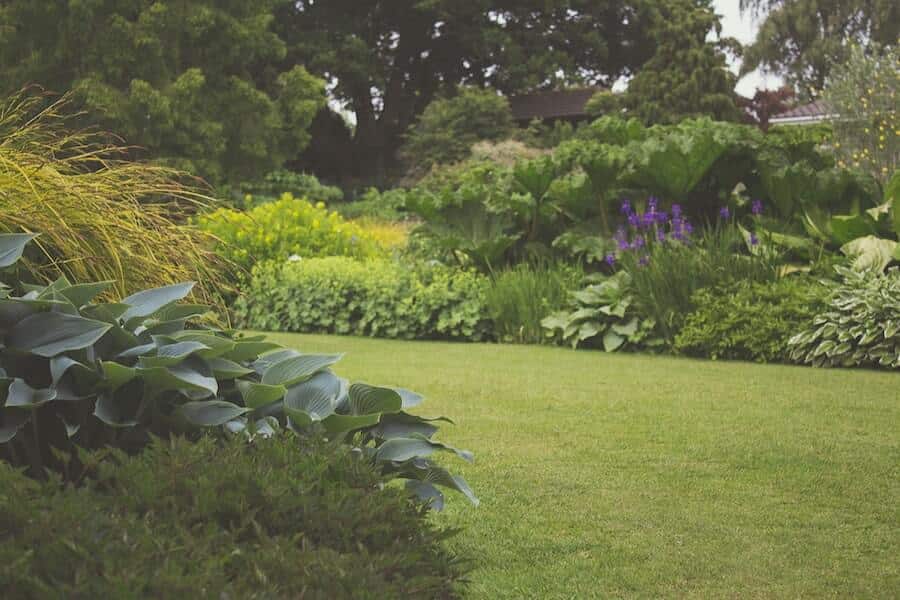
The plants that you choose for a garden that floods are of course hugely important. Some plants are better at soaking up excess water than others. Lawns cannot infiltrate nearly as much water as well managed and well-chosen, diverse, perennial planting schemes. So consider replacing lawns with more water-wise planting schemes to reduce flooding issues.
Trees like alders and willows can be thirsty plants which can help reduce waterlogging in a flood-prone garden. And adding trees and shrubs in general and help in tackling flooding issues.
Creating specialist planting schemes like rain gardens is another important strategy. Rain gardens are planted up with plants suited to conditions which vary from very wet to dry throughout the year. These plants help with rainwater infiltration and can also provide other benefits, such as catering for native wildlife, for example.
Raise Up Food Production If You Have Regular Garden Flooding
In certain cases, as climate change brings flooding to many regions increasingly frequently and with increasing severity, it may not always be possible to prevent a garden from flooding altogether. In such cases, it is important to prepare for catastrophe.
Preparing for flooding in a garden might mean, for example, raising up areas for food production above the level of expected floods. Raised beds might mean that even when you do have a serious flooding event, you don’t lose all of your crops. Placing those raised beds within a polytunnel might provide even more protection when that polytunnel is carefully positioned and its location is carefully planned.
Embrace Floods With a Pond or Wetland Scheme
In certain gardens, where flooding is frequent, you may need to embrace a wetter environment. Creating a pond and wetland scheme could be a good way to make the most of a waterlogged and very wet environment. Ponds and wetlands can be very useful for wildlife, but in certain settings, may also provide for some of our own human needs.
Planting up wetter zones with aquatic and marginal plants can help you to create a beautiful and perhaps even productive garden – even when the area in question floods.