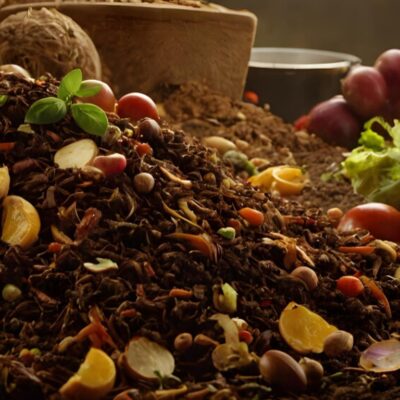


Anyone can compost. Making good compost, however, can sometimes be more of a challenge. A little tweak to your methods and practices can make all the difference. In this guide, we will look at a range of tips and tricks to help you make sure your composting system is as healthy and effective as it can possibly be and that you end up with an excellent quality end result on how to make good compost.
In many regions, organic waste makes up the highest percentage of waste flow. It is attributed to a lack of awareness on how to make good compost. This leads to environmental pollution and high costs of waste disposal.
KEY TAKEAWAYS:
- Garden sheds can be transformed into functional, inspiring spaces – they offer far more potential than simple storage.
- Revamping or building a shed sustainably can enrich your garden – from using reclaimed materials to adding a green roof, there are eco-friendly options.
- Sheds and polytunnels work well together, creating synergy for storage, seed-starting, composting, or water collection, enhancing your gardening setup.
- A shed can serve a wide range of purposes – from a cozy retreat or workspace to a hobby area, extra bedroom, playroom, or even a bar.
- With the right waterproofing and insulation, sheds can be enjoyed year-round, adding style and utility to any garden setup.
What Is Compost?
Composting is a process of breaking down organic waste into stable substances. The controlled process helps in proper soil conditioning[i] Microorganisms living in the soil are responsible for the breaking down of the waste into valuable natural fertiliser. Compositing is, therefore, the most effective way of recycling organic waste.
Notably, composting is the same as natural decomposition save for the fact that the former is enhanced and accelerated using a range of ingredients. The human effort, in this case, is to ensure that the microbial growth is optimised. You must, therefore, be aware of how to compost to achieve satisfactory results. Composting can boost yield and soil quality in any grow area, whether a spacious garden, growing tunnels or flower beds.
Different types of composting
Different composting methods suit different gardens and lifestyles, so it’s worth finding the one that best meets your needs:
- Cold composting is a passive method where you simply pile materials and allow them to decompose over a year or more. This approach is low-effort but slower.
- Hot composting involves building a large pile that heats up to 50–65°C, breaking down materials in just a few months. This method requires regular turning and monitoring.
- Vermicomposting uses worms (typically red wigglers) to break down organic matter. It’s ideal for small spaces and can be done indoors or outdoors.
- Bokashi composting involves fermenting organic waste with a special microbial bran. While not compost itself, it’s a quick way to process food waste, which can then be added to a compost pile or directly into the soil.
Each method has its pros and cons, and many gardeners find tha
Ericaceous compost
The word ericaceous refers to plants in the Ericaceae family. This is inclusive of rhododendron, azalea, pieris, and gardenia, among others. The plants are known to grow in acidic conditions. Ericaceous compost refers to the process of composting waste matter for growing plants that thrive in acidic conditions. Such plants are likely to turn yellow when grown in alkaline conditions. Plants need a lot of iron and other nutrients that tend to be locked up in soils that have high pH[iii]. It becomes daunting for the plants to absorb them, which can lead to poor production of flowers and fruits. Death may also occur in some cases.
Peat based compost
Peat is being taken for gardeners at a much faster rate than it can naturally be replaced. The problem is that peat only forms very slowly, perhaps around 1mm per year at most. This means that the valuable carbon sinks that peat bogs provide are being eroded, which allows more carbon and other greenhouse gases to linger, loose, in the atmosphere. This contributes to the massive problem of global warming. If we are to transition to a more sustainable age then we will have to eliminate our unnecessary use of peat as part of our efforts as gardeners to contribute to a more ethical and environmentally friendly solution to our global problems.
What Are the Benefits of Composting?
Composting comes with a range of benefits, including:
- Soil conditioning. Composting helps you to create rich humus and retain soil moisture in a garden or lawn. You are assured of better crops yield[iv] and healthy plants in this regard. The manure can be stored for a long time, ensuring that the farmer gets its benefits throughout the year or season.
- Reduces waste. It helps recycle kitchen and yard waste. Organic waste goes to the landfills once you throw it to the garbage can. The problem with this is that the matter takes a long time to decompose quickly. It explains why most of the landfills in the country are full. On the other hand, composting reduces the amount of waste that goes into the garbage cans.
- Environmental benefits. You can finally get rid of chemical fertilisers that pollute the environment through composting. When properly done, composting helps you to reduce odour in your community while at the same time doing away with vector issues. Weed seeds and pathogens are effectively eliminated from the environment.
- Lowers waste management costs. You will not have to spend a lot of money paying for waste disposal once you know how to make a compost heap in your backyard. The local authorities will also utilise fewer resources to treat waste.
- Enhances soil. Compost can not only protect and maintain soil quality; it can also enhance and increase it. You can improve soil quality and increase your yield of edible produce by ensuring a good nutrient cycling system is in place.
How to Compost
Given that there are many benefits of knowing how to build a compost bin, it is advisable that you engage in the activity. You can achieve this easily by following these steps:
- Purchase or make a compost bin. You can find compost bins online or from the stores that specialise in agricultural supplies. Ensure that the size of the bin is good enough to contain your organic waste.
- Determine the right place for your bin. It is wise to find an accessible place for the bin so that you do not strain to carry the organic waste[v]. However, the bin must not be placed near areas where your children and pet frequent. It must also be away from the eating areas.
- Fill your bin. Here, you are required to start by making a thick layer of coarse materials such as mulch or twigs. It acts as drainage and helps eliminate sludge. You should then utilise the three-layer system. You could start with kitchen scraps or garden clippings. Add dry leaves and paper to top the layer. You should then sprinkle the waste with water.
- Maintain the compost. The essential thing in this step is to aerate the compost. It can be done every three days or so[vi] to ensure that the waste does not turn into methane. You could also place pipes through the heap to allow for aeration.
If you live in an urban setting, there is a chance that you may not have an outdoor setting. You can use a worm bin or put differently, engage in vermin composting. In a rural or suburban area, you can utilise an open compost pile.
The type of materials used depends on what is available in your area and the results that you desire. When gathering the materials, answer a question such as how much compost do I need? This way, you will only gather the necessary materials and thus avoid littering your backyard
Whether you wish to turn your compost manually or otherwise. In this case, you can use a compost tumbler so that you do not have to turn the waste manually.
What Do You Put in a Compost Bin?
One of the mistakes that people make is that they do not determine what can be composted. Getting the best results is, indeed, daunting without the necessary information. See below an example of what can and can’t go in a compost bin.
| Compostable | Not Compostable |
| Weeds Vegetables Fruits Egg shells (but not eggs) or crab shells Coffee Tea grounds Hair and fur Shredded newspaper Wood chips, sawdust | Toxic materials Meat Bones Dairy Processed food Pet waste Pesticide covered garden trimmings Coal or charcoal |
Size Your Composting System Correctly
Compost piles that are too small struggle to retain heat, which is essential for hot composting. Ideally, your compost pile should be at least 1 metre cubed (about 1m x 1m x 1m) to achieve optimal temperatures and decomposition.
For larger gardens, multiple piles or bins are beneficial, allowing for continuous composting. But remember, small wormeries or other small-scale composting systems can be implemented in even the smallest of spaces – you can compost even if you don’t have an outdoors garden at all.
Know What You Can Compost and What You Can’t
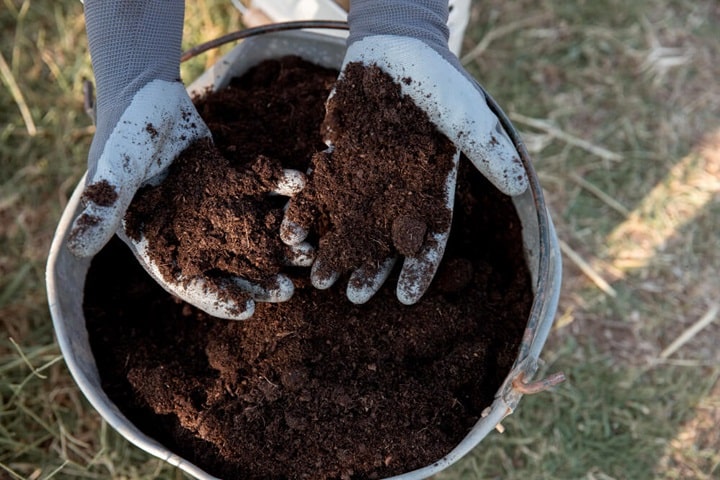
Understanding what materials can and can’t be composted is key to keeping your compost pile healthy and effective. Of course, what you can and cannot put into the system will depend on its size, and the method or methods you have chosen.
Greens to compost include most fruit and vegetable scraps, and coffee grounds, plastic-free tea bags, fresh grass clippings, and manure (from plant-eating animals) in moderation.
Browns to compost include Dry leaves, straw, and cardboard, newspaper, wood chips, and sawdust as long as these are untreated.
You need to avoid contaminating compost with diseased plants and weeds with seeds since high compost temperatures can kill pathogens and seeds, but usually not reliably in home compost. You also need to avoid adding hidden plastics and other non-biodegradable materials.
Animal waste from meat-eating animals can introduce harmful pathogens, so is also usually best avoided. Though in a well-planned and implemented hot composting system, even composting things like dog faeces safety may be possible.
In some systems, meat, dairy and oily or fatty foods should be avoided, though bokashi and certain other methods can sometimes allow these things to be composted safely.
Keep Compost Worms and Micro-organisms Happy
It is important to remember that compost decomposes thanks to a community of organisms, including bacteria, fungi, worms, and other decomposers. To keep these composting “helpers” active, provide them with a balanced mix of materials, moisture, and oxygen.
Temperature is also important, especially in hot composting. Ideally, the pile should reach between 50–65°C, which speeds up decomposition and kills pathogens and weed seeds. You can monitor temperature with a compost thermometer, turning the pile if it becomes too hot or if temperatures fall below 50°C.
Get the Right Mix of Greens and Browns
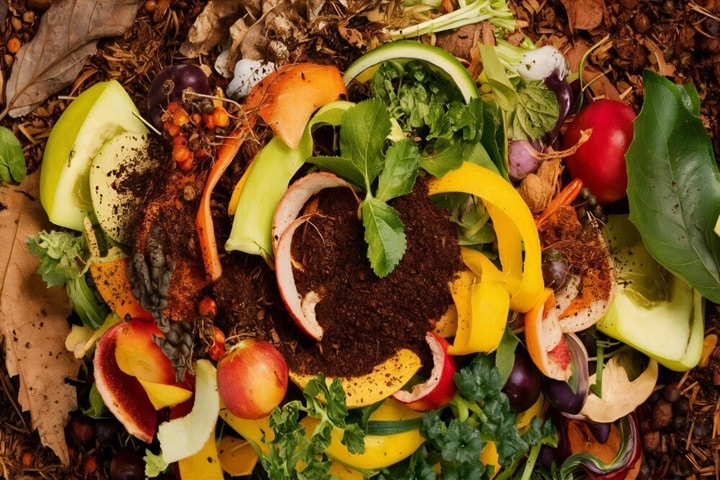
Maintaining the right greens-to-browns ratio is one of the most critical aspects of successful composting. Greens (such as vegetable scraps and grass clippings) provide nitrogen, while browns (like dry leaves and cardboard) supply carbon. A balanced mix keeps the compost healthy and reduces odours.
While the recommended ratio is typically around 1 part greens to 3 parts browns , this can vary. If your compost smells like ammonia, it may have too many greens; if it’s dry and not decomposing well, try adding more greens or moisture.
Add an Activator Boosting Nitrogen Content if Needed
Some materials, like fresh grass clippings, coffee grounds, or manure, can be used as activators to speed up composting by boosting nitrogen content. Commercial compost activators are also available, but natural activators are a better choice. For example, adding nettles to the pile can help boost microbial activity.
Shred or Chop to Speed Decomposition
The smaller the pieces, the faster they’ll break down. Shredding or chopping materials, especially woody or fibrous items, increases the surface area for microbial action, leading to faster decomposition. Garden shredders can be helpful for processing larger quantities of materials, and kitchen scraps can be chopped before adding them to your pile.
Keep Compost Heaps Covered in Winter
During winter, compost piles tend to cool down, and rain can leach nutrients. To protect your compost during colder months, cover the heap with a tarp or compost blanket. This helps retain warmth and prevents excess moisture. In winter, adding extra browns can also help prevent the pile from becoming waterlogged.
Don’t Let Compost Dry Out in Summer
In summer, dry conditions can halt decomposition. Keep your compost moist by watering it when it starts to dry out, especially during hot spells. Covering the compost can help retain moisture, but regular checks are still needed. For easy watering, consider a rainwater collection system to make use of natural resources.
Use Dynamic Accumulators for the Perfect Nutrient Balance
Dynamic accumulators are a valuable resource for gardeners looking to enrich their compost with specific nutrients. These plants accumulate essential minerals and nutrients from deep in the soil, storing them in their leaves and tissues. When added to compost, they break down and release these nutrients, creating a highly nutritious, balanced compost. Here are some of the most effective dynamic accumulators to consider, along with details of the nutrients they contribute to your compost:
1. Comfrey (Symphytum officinale)
Comfrey leaves are rich in:
- Potassium (K) – Essential for flower and fruit production, potassium supports cell structure and water regulation in plants, making it valuable for fruiting crops.
- Nitrogen (N) – Promotes leafy growth, beneficial for green, leafy crops.
- Phosphorus (P) – Aids root development and energy transfer in plants.
- Calcium (Ca) – Strengthens plant cell walls and helps balance soil pH.
The high potassium content in comfrey makes it especially valuable for compost intended for flowering or fruiting plants, such as tomatoes, peppers, and berries.
2. Nettles (Urtica dioica)
Nutrients found in nettles include:
- Nitrogen (N) – High nitrogen levels help break down carbon-rich materials, making nettles ideal for balancing “brown” materials in compost.
- Iron (Fe) – Iron is crucial for chlorophyll production and overall plant health.
- Calcium (Ca) – Like comfrey, nettles add calcium, which is essential for root and cell structure.
- Magnesium (Mg) – Supports photosynthesis and enzyme activation.
Adding nettles to compost not only enriches the nutrient profile but also speeds up the breakdown process, producing compost more quickly.
3. Yarrow (Achillea millefolium)
It is particularly valuable for compost because it contains:
- Phosphorus (P) – Aids in root growth and flower development.
- Copper (Cu) – Vital for enzyme function and overall plant immunity.
- Potassium (K) – Contributes to robust flowering and fruiting, especially valuable for vegetable crops.
- Sulfur (S) – Assists in protein synthesis and disease resistance.
Yarrow’s ability to enrich compost with trace elements like copper and sulfur makes it ideal for creating a balanced compost that supports plant health and resilience.
4. Dandelion (Taraxacum officinale)
Nutrients contributed by dandelions include:
- Calcium (Ca) – Essential for strong cell walls and soil pH balance.
- Iron (Fe) – Supports healthy chlorophyll production.
- Phosphorus (P) – Important for root strength and energy transfer.
- Silica (Si) – Strengthens plant cells and improves drought tolerance.
Using dandelions in compost enhances calcium and phosphorus levels, which are beneficial for root development and soil structure. Their contribution of silica can help plants become more resilient to environmental stresses.
5. Borage (Borago officinalis)
Borage leaves contain:
- Potassium (K) – Aids in flowering and fruiting, crucial for plants in polytunnels.
- Calcium (Ca) – Adds strength to cell walls and helps balance soil acidity.
- Magnesium (Mg) – Plays a role in chlorophyll production and energy transfer in plants.
- Vitamin C – While this nutrient breaks down quickly, it supports healthy microbial activity in compost.
The potassium-rich nature of borage is especially useful for compost used in fruiting plant beds.
6. Lamb’s Quarters (Chenopodium album)
Nutrients it can contribute to compost include:
- Phosphorus (P) – Supports strong root systems.
- Calcium (Ca) – Helps balance pH and strengthens plant cell walls.
- Iron (Fe) – Vital for chlorophyll production.
- Potassium (K) – Important for flower and fruit development.
Lamb’s quarters can add trace minerals to compost, making it more beneficial for a variety of crops, especially those needing balanced nutrient support.
7. Plantain (Plantago spp.)
Adding it to compost provides:
- Calcium (Ca) – Essential for cellular strength and soil structure.
- Magnesium (Mg) – Important for photosynthesis and energy metabolism.
- Sulfur (S) – Supports protein synthesis and aids plant disease resistance.
- Iron (Fe) – Helps in chlorophyll formation and healthy growth.
Plantain is particularly useful for improving the calcium and sulphur content of compost, which is beneficial for plants prone to fungal diseases or in need of cell structure support.
Using Compost in Your Polytunnel
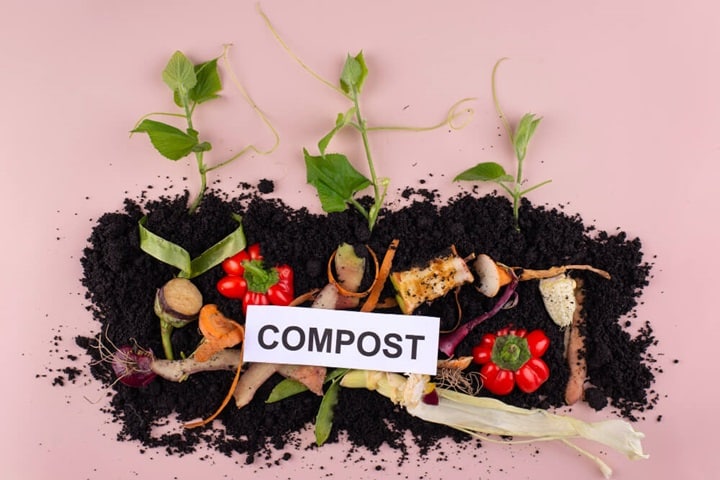
Once your compost is ready, you can use it in your polytunnel in several ways. Spread it across your beds before planting to add organic matter, improve soil structure, and boost fertility. Compost can also be used as mulch to suppress weeds, retain moisture, and provide a slow-release source of nutrients. Alternatively, mix compost into potting soil for container plants, or use it to make a nutrient-rich compost tea for a quick boost during the growing season.
How to make good compost is a rewarding journey that supports sustainable, organic gardening practices. With a well-maintained composting system, you can create a natural, nutrient-rich amendment that nourishes your plants, supports healthy soil, and helps your polytunnel garden flourish.
Further reading:
Want to learn more about compost?
- Find out how to keep rats in compost bins away.
- Learn the benefits of leaf mould compost.
Composting Infographic


FAQs
What materials can I compost?
You can compost most organic materials, including fruit and vegetable scraps, coffee grounds, grass clippings, leaves, cardboard, paper, and plant-based manure. Avoid meat, dairy, oily foods, diseased plants, and pet waste from carnivorous animals, unless using a specialist system, as these can cause issues in many home composting systems. Look out for hidden plastics and don’t put these into your compost.
How long does composting take?
Composting times vary depending on the method. Cold composting can take a year or more, while hot composting can produce usable compost in 2–3 months with regular turning and optimal conditions. Vermicomposting and bokashi systems are also faster options for processing kitchen waste.
What should I do if my compost smells bad?
A bad smell often indicates an imbalance, usually too many greens or too much moisture. To fix this, add browns like dry leaves, straw, or shredded cardboard and mix well to improve airflow. Turning the pile will introduce oxygen, helping to eliminate odours. If the compost smells like ammonia, reducing nitrogen-rich greens can also help restore balance.
References
BBC, n.d. Making compost. [Online]
Available at: http://www.bbc.co.uk/gardening/basics/techniques/soil_makecompost1.shtml
[Accessed 30 September 2020].
BH&G Garden Editors, 2020. Your Step-by-Step Guide to Making Compost That Will Enrich Your Garden. [Online]
Available at: https://www.bhg.com/gardening/yard/compost/how-to-compost/
[Accessed 30 September 2020].
Dyer, M. H., 2018. What Is Ericaceous Compost: Information And Plants For Acidic Compost. [Online]
Available at: https://www.gardeningknowhow.com/composting/basics/ericaceous-compost-info.htm
[Accessed 30 September 2020].
E.Ouédraogo, 2001. Use of compost to improve soil properties and crop productivity under low input agricultural system in West Africa. [Online]
Available at: https://www.sciencedirect.com/science/article/abs/pii/S0167880900002462
[Accessed 30 September 2020].
EPA, 2020. Types of Composting and Understanding the Process. [Online]
Available at: https://www.epa.gov/sustainable-management-food/types-composting-and-understanding-process
[Accessed 30 September 2020].