

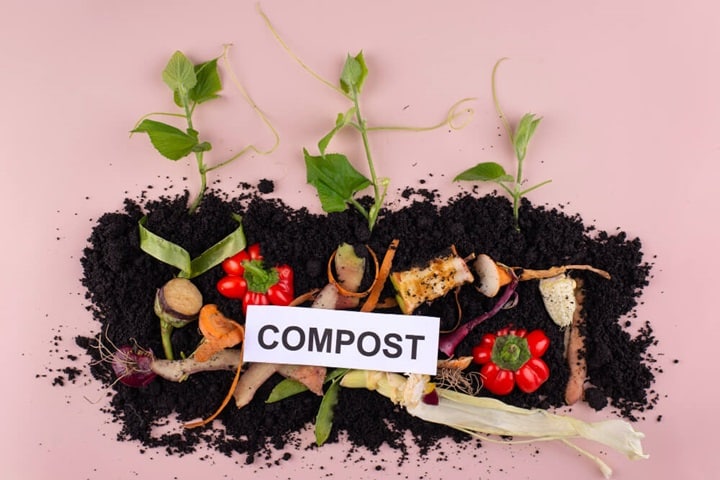
Anyone can compost. Making good compost, however, can sometimes be more of a challenge. A little tweak to your methods and practices can make all the difference. In this guide, we will look at a range of tips and tricks to help you make sure your composting system is as healthy and effective as it can possibly be and that you end up with an excellent quality end result on how to make good compost.
KEY TAKEAWAYS:
- Garden sheds can be transformed into functional, inspiring spaces – they offer far more potential than simple storage.
- Revamping or building a shed sustainably can enrich your garden – from using reclaimed materials to adding a green roof, there are eco-friendly options.
- Sheds and polytunnels work well together, creating synergy for storage, seed-starting, composting, or water collection, enhancing your gardening setup.
- A shed can serve a wide range of purposes – from a cozy retreat or workspace to a hobby area, extra bedroom, playroom, or even a bar.
- With the right waterproofing and insulation, sheds can be enjoyed year-round, adding style and utility to any garden setup.
The Perfect Compost Recipe
While there’s no one-size-fits-all recipe for compost, understanding the key ingredients will set you on the right track.
Compost requires a balanced mix of nitrogen-rich materials, known as “greens,” and carbon-rich materials, known as “browns.” Greens provide nitrogen, which feeds micro-organisms and keeps the compost pile hot, while browns provide the carbon structure for decomposition.
Other things to bear in mind when seeking the perfect recipe include the need for oxygen (aeration is essential for the web of life in your compost, and to prevent smells) and water (for optimal composting, we need neither too much water or too little).
Beyond these basics, we can tweak our recipes to get a good NPK balance, and a good nutritional profile for good soil health and to aid the plants we grow.
Choose the Right Composting Method
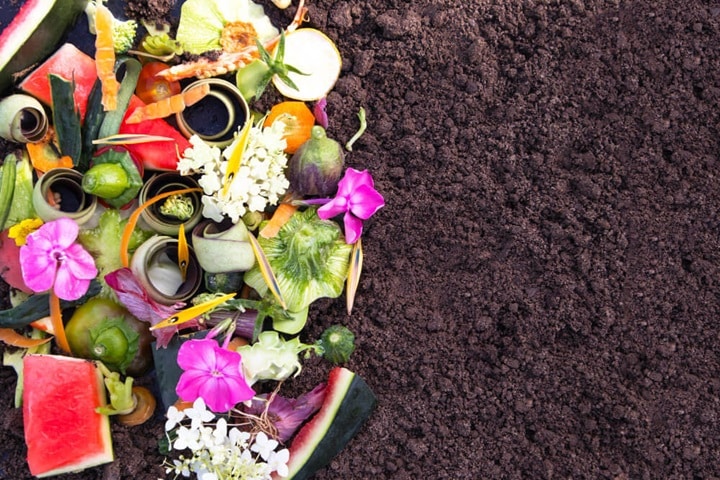
Different composting methods suit different gardens and lifestyles, so it’s worth finding the one that best meets your needs:
- Cold composting is a passive method where you simply pile materials and allow them to decompose over a year or more. This approach is low-effort but slower.
- Hot composting involves building a large pile that heats up to 50–65°C, breaking down materials in just a few months. This method requires regular turning and monitoring.
- Vermicomposting uses worms (typically red wigglers) to break down organic matter. It’s ideal for small spaces and can be done indoors or outdoors.
- Bokashi composting involves fermenting organic waste with a special microbial bran. While not compost itself, it’s a quick way to process food waste, which can then be added to a compost pile or directly into the soil.
Each method has its pros and cons, and many gardeners find that a combination, such as bokashi for kitchen scraps and hot composting for garden waste, works well.
Size Your Composting System Correctly
Compost piles that are too small struggle to retain heat, which is essential for hot composting. Ideally, your compost pile should be at least 1 metre cubed (about 1m x 1m x 1m) to achieve optimal temperatures and decomposition.
For larger gardens, multiple piles or bins are beneficial, allowing for continuous composting. But remember, small wormeries or other small-scale composting systems can be implemented in even the smallest of spaces – you can compost even if you don’t have an outdoors garden at all.
Know What You Can Compost and What You Can’t
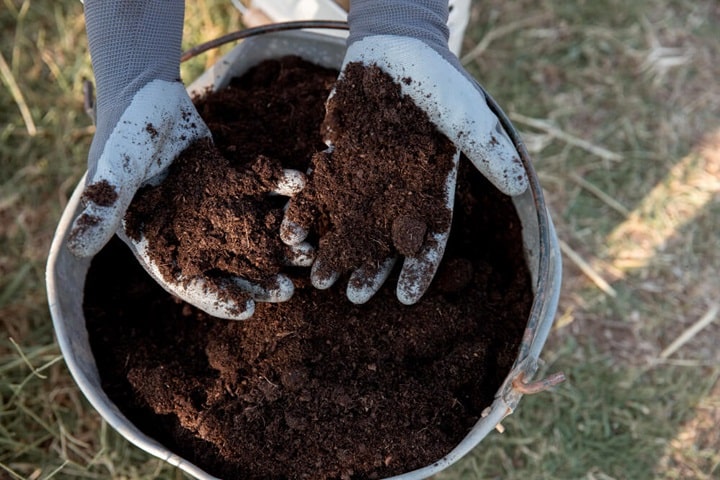
Understanding what materials can and can’t be composted is key to keeping your compost pile healthy and effective. Of course, what you can and cannot put into the system will depend on its size, and the method or methods you have chosen.
Greens to compost include most fruit and vegetable scraps, and coffee grounds, plastic-free tea bags, fresh grass clippings, and manure (from plant-eating animals) in moderation.
Browns to compost include Dry leaves, straw, and cardboard, newspaper, wood chips, and sawdust as long as these are untreated.
You need to avoid contaminating compost with diseased plants and weeds with seeds since high compost temperatures can kill pathogens and seeds, but usually not reliably in home compost. You also need to avoid adding hidden plastics and other non-biodegradable materials.
Animal waste from meat-eating animals can introduce harmful pathogens, so is also usually best avoided. Though in a well-planned and implemented hot composting system, even composting things like dog faeces safety may be possible.
In some systems, meat, dairy and oily or fatty foods should be avoided, though bokashi and certain other methods can sometimes allow these things to be composted safely.
Keep Compost Worms and Micro-organisms Happy
It is important to remember that compost decomposes thanks to a community of organisms, including bacteria, fungi, worms, and other decomposers. To keep these composting “helpers” active, provide them with a balanced mix of materials, moisture, and oxygen.
Temperature is also important, especially in hot composting. Ideally, the pile should reach between 50–65°C, which speeds up decomposition and kills pathogens and weed seeds. You can monitor temperature with a compost thermometer, turning the pile if it becomes too hot or if temperatures fall below 50°C.
Get the Right Mix of Greens and Browns
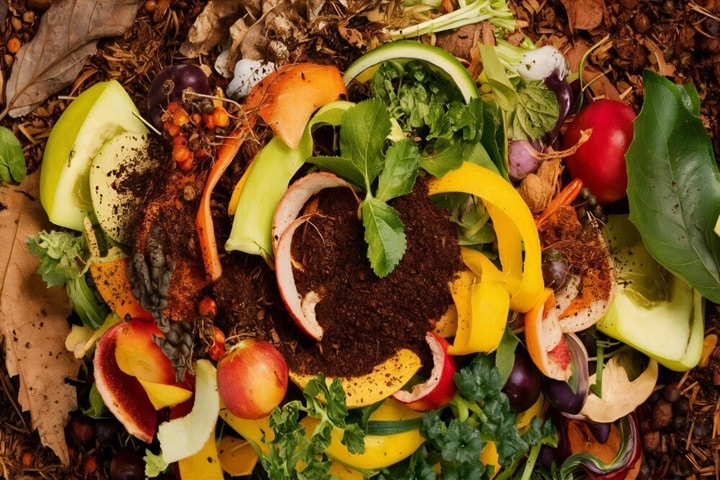
Maintaining the right greens-to-browns ratio is one of the most critical aspects of successful composting. Greens (such as vegetable scraps and grass clippings) provide nitrogen, while browns (like dry leaves and cardboard) supply carbon. A balanced mix keeps the compost healthy and reduces odours.
While the recommended ratio is typically around 1 part greens to 3 parts browns , this can vary. If your compost smells like ammonia, it may have too many greens; if it’s dry and not decomposing well, try adding more greens or moisture.
Add an Activator Boosting Nitrogen Content if Needed
Some materials, like fresh grass clippings, coffee grounds, or manure, can be used as activators to speed up composting by boosting nitrogen content. Commercial compost activators are also available, but natural activators are a better choice. For example, adding nettles to the pile can help boost microbial activity.
Shred or Chop to Speed Decomposition
The smaller the pieces, the faster they’ll break down. Shredding or chopping materials, especially woody or fibrous items, increases the surface area for microbial action, leading to faster decomposition. Garden shredders can be helpful for processing larger quantities of materials, and kitchen scraps can be chopped before adding them to your pile.
Keep Compost Heaps Covered in Winter
During winter, compost piles tend to cool down, and rain can leach nutrients. To protect your compost during colder months, cover the heap with a tarp or compost blanket. This helps retain warmth and prevents excess moisture. In winter, adding extra browns can also help prevent the pile from becoming waterlogged.
Don’t Let Compost Dry Out in Summer
In summer, dry conditions can halt decomposition. Keep your compost moist by watering it when it starts to dry out, especially during hot spells. Covering the compost can help retain moisture, but regular checks are still needed. For easy watering, consider a rainwater collection system to make use of natural resources.
Use Dynamic Accumulators for the Perfect Nutrient Balance
Dynamic accumulators are a valuable resource for gardeners looking to enrich their compost with specific nutrients. These plants accumulate essential minerals and nutrients from deep in the soil, storing them in their leaves and tissues. When added to compost, they break down and release these nutrients, creating a highly nutritious, balanced compost. Here are some of the most effective dynamic accumulators to consider, along with details of the nutrients they contribute to your compost:
1. Comfrey (Symphytum officinale)
Comfrey leaves are rich in:
- Potassium (K) – Essential for flower and fruit production, potassium supports cell structure and water regulation in plants, making it valuable for fruiting crops.
- Nitrogen (N) – Promotes leafy growth, beneficial for green, leafy crops.
- Phosphorus (P) – Aids root development and energy transfer in plants.
- Calcium (Ca) – Strengthens plant cell walls and helps balance soil pH.
The high potassium content in comfrey makes it especially valuable for compost intended for flowering or fruiting plants, such as tomatoes, peppers, and berries.
2. Nettles (Urtica dioica)
Nutrients found in nettles include:
- Nitrogen (N) – High nitrogen levels help break down carbon-rich materials, making nettles ideal for balancing “brown” materials in compost.
- Iron (Fe) – Iron is crucial for chlorophyll production and overall plant health.
- Calcium (Ca) – Like comfrey, nettles add calcium, which is essential for root and cell structure.
- Magnesium (Mg) – Supports photosynthesis and enzyme activation.
Adding nettles to compost not only enriches the nutrient profile but also speeds up the breakdown process, producing compost more quickly.
13. Yarrow (Achillea millefolium)
It is particularly valuable for compost because it contains:
- Phosphorus (P) – Aids in root growth and flower development.
- Copper (Cu) – Vital for enzyme function and overall plant immunity.
- Potassium (K) – Contributes to robust flowering and fruiting, especially valuable for vegetable crops.
- Sulfur (S) – Assists in protein synthesis and disease resistance.
Yarrow’s ability to enrich compost with trace elements like copper and sulfur makes it ideal for creating a balanced compost that supports plant health and resilience.
14. Dandelion (Taraxacum officinale)
Nutrients contributed by dandelions include:
- Calcium (Ca) – Essential for strong cell walls and soil pH balance.
- Iron (Fe) – Supports healthy chlorophyll production.
- Phosphorus (P) – Important for root strength and energy transfer.
- Silica (Si) – Strengthens plant cells and improves drought tolerance.
Using dandelions in compost enhances calcium and phosphorus levels, which are beneficial for root development and soil structure. Their contribution of silica can help plants become more resilient to environmental stresses.
15. Borage (Borago officinalis)
Borage leaves contain:
- Potassium (K) – Aids in flowering and fruiting, crucial for plants in polytunnels.
- Calcium (Ca) – Adds strength to cell walls and helps balance soil acidity.
- Magnesium (Mg) – Plays a role in chlorophyll production and energy transfer in plants.
- Vitamin C – While this nutrient breaks down quickly, it supports healthy microbial activity in compost.
The potassium-rich nature of borage is especially useful for compost used in fruiting plant beds.
16. Lamb’s Quarters (Chenopodium album)
Nutrients it can contribute to compost include:
- Phosphorus (P) – Supports strong root systems.
- Calcium (Ca) – Helps balance pH and strengthens plant cell walls.
- Iron (Fe) – Vital for chlorophyll production.
- Potassium (K) – Important for flower and fruit development.
Lamb’s quarters can add trace minerals to compost, making it more beneficial for a variety of crops, especially those needing balanced nutrient support.
17. Plantain (Plantago spp.)
Adding it to compost provides:
- Calcium (Ca) – Essential for cellular strength and soil structure.
- Magnesium (Mg) – Important for photosynthesis and energy metabolism.
- Sulfur (S) – Supports protein synthesis and aids plant disease resistance.
- Iron (Fe) – Helps in chlorophyll formation and healthy growth.
Plantain is particularly useful for improving the calcium and sulphur content of compost, which is beneficial for plants prone to fungal diseases or in need of cell structure support.
Using Compost in Your Polytunnel
Once your compost is ready, you can use it in your polytunnel in several ways. Spread it across your beds before planting to add organic matter, improve soil structure, and boost fertility. Compost can also be used as mulch to suppress weeds, retain moisture, and provide a slow-release source of nutrients. Alternatively, mix compost into potting soil for container plants, or use it to make a nutrient-rich compost tea for a quick boost during the growing season.
Making good compost is a rewarding journey that supports sustainable, organic gardening practices. With a well-maintained composting system, you can create a natural, nutrient-rich amendment that nourishes your plants, supports healthy soil, and helps your polytunnel garden flourish.
Further reading:
Want to learn more about compost?
- Find out how to keep rats in compost bins away.
- Learn the benefits of leaf mould compost.
FAQs
What materials can I compost?
You can compost most organic materials, including fruit and vegetable scraps, coffee grounds, grass clippings, leaves, cardboard, paper, and plant-based manure. Avoid meat, dairy, oily foods, diseased plants, and pet waste from carnivorous animals, unless using a specialist system, as these can cause issues in many home composting systems. Look out for hidden plastics and don’t put these into your compost.
How long does composting take?
Composting times vary depending on the method. Cold composting can take a year or more, while hot composting can produce usable compost in 2–3 months with regular turning and optimal conditions. Vermicomposting and bokashi systems are also faster options for processing kitchen waste.
What should I do if my compost smells bad?
A bad smell often indicates an imbalance, usually too many greens or too much moisture. To fix this, add browns like dry leaves, straw, or shredded cardboard and mix well to improve airflow. Turning the pile will introduce oxygen, helping to eliminate odours. If the compost smells like ammonia, reducing nitrogen-rich greens can also help restore balance.
Sources
Sims, K., (2024) How to make compost in a bottle – an easy way to help your garden thrive. Ideal Home. [online] Available at: https://www.idealhome.co.uk/garden/garden-advice/how-to-make-compost-in-a-bottle [accessed 14/11/2024]