


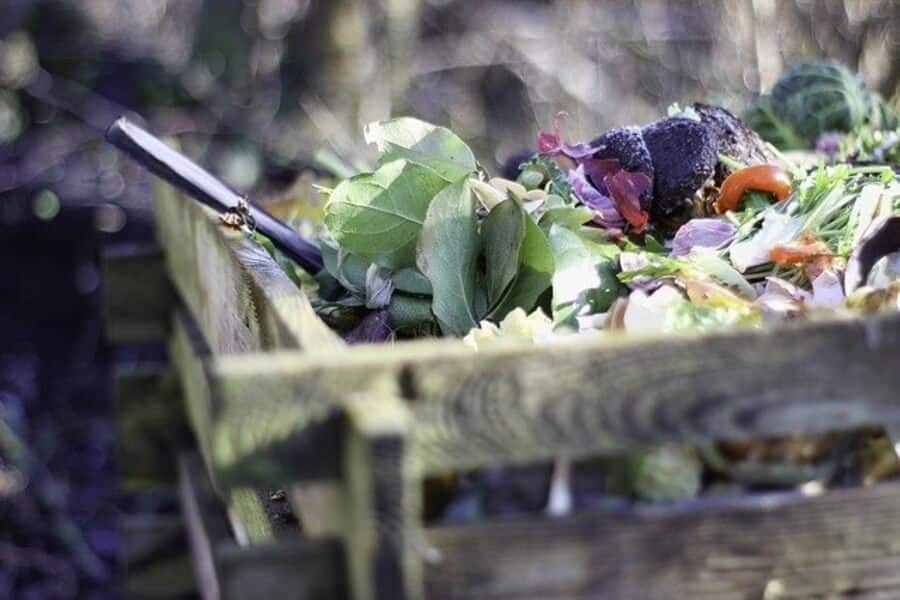
In this article, we aim to demystify the basics of hot composting. We’ll introduce you to this concept, explain its benefits, and help you understand how to create and maintain a hot composting system.
Composting is a topic which is often over-complicated. But it is something we can all do at home. The basics are simple. The complexity arrives when we look at the many different composting options available.
In composting, one thing to consider is the temperatures at which the materials break down. When we try to increase the temperatures, we are talking about a hot composting system.
What is Hot Composting?
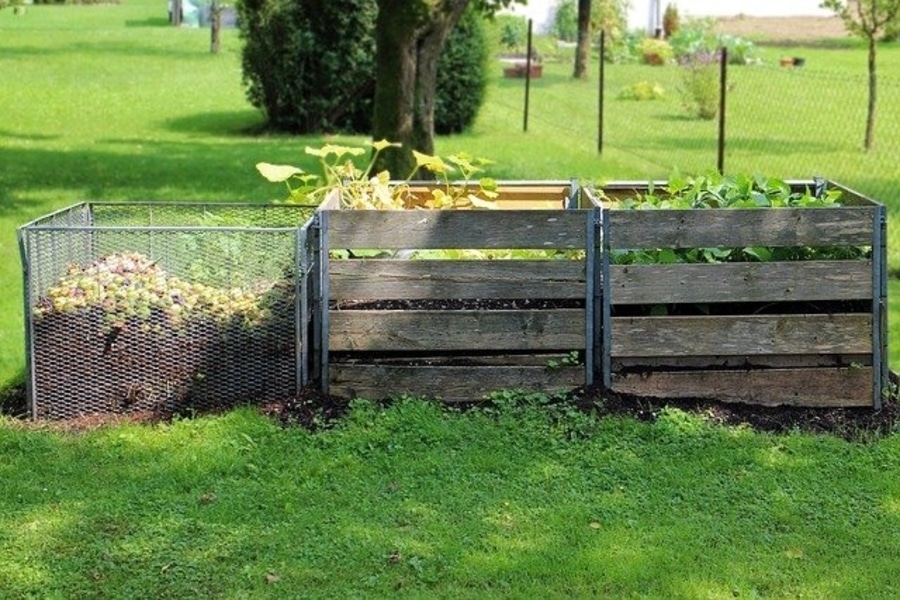
A composting system is described as ‘hot’ when the temperatures within the heap or bin are maintained at a higher level for a period of time.
There are a number of different ways to achieve the temperatures required. But the key thing to remember is that reaching and maintaining the required temperatures is the key goal for any composting system of this type.
What Are the Benefits of Hot Composting?
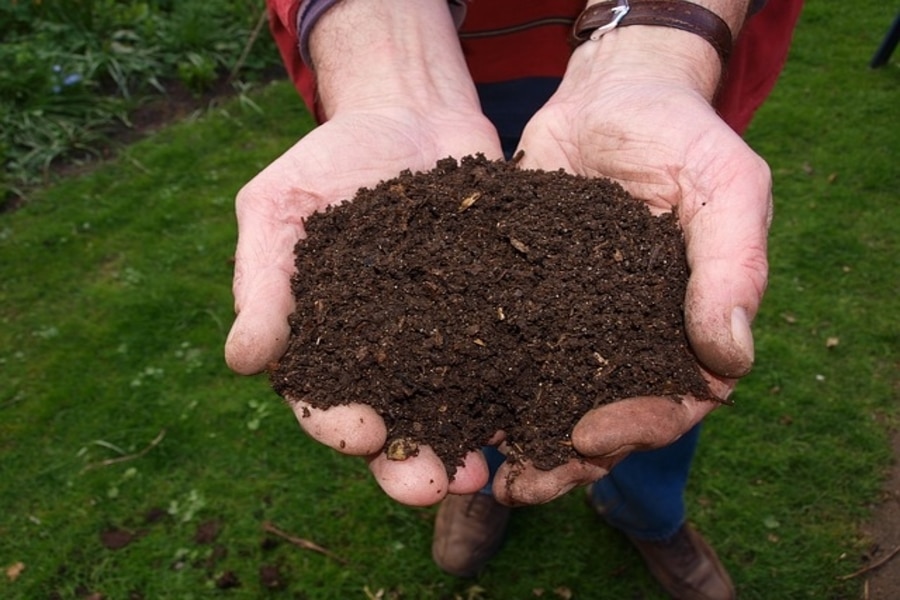
Composting at home in any way always brings a range of benefits. It can help you to reduce waste, and maintain fertility in your garden.
But why should you choose hot composting rather than a cold composting method? How does hot composting stack up against a traditional cold composting heap or bin? And against other composting options like vermicomposting?
Firstly, while many materials will break down perfectly fine in a cold composting system, hot composting can work much more quickly and deliver a higher quality end result. The higher temperatures in a hot composting system mean that materials break down in far less time.
In a hot compost system, you can compost anything that you could in a cold composting system. (Carbon rich ‘brown’ materials, and nitrogen rich ‘green’ ones.) However, in a hot composting system, you can also compost materials that you should not usually add to a cold composting system, such as meat and dairy products, and weeds which have gone to seed or which are invasive. Weed seeds are typically killed by the higher temperatures involved.
Hot Composting Solutions: Heap or Container/ Bin?
If you decide to create a hot composting system, one of the first things to decide is whether you would like to create a composting heap, or decompose materials in an enclosed bin or other container.
Hot Composting in a Heap

If you choose the heap option, there are a few important things to consider.
The first thing is that the size of the heap is important. The heap will usually have to be at least a 1.2m square in area, and at least 1.2m high. Sizing in important because a heap that is too small does not stand a good chance of heating up to the required temperatures.
Another important thing to realise is that you will not be able to add material little and often as you do with a cold composting system. You will need to have all the materials to create the heap ready to go at once.
The heap will also usually need to be covered with a thick layer of straw or other carbon rich insulating material to retain its heat and to prevent other issues.
Hot Composting in a Container
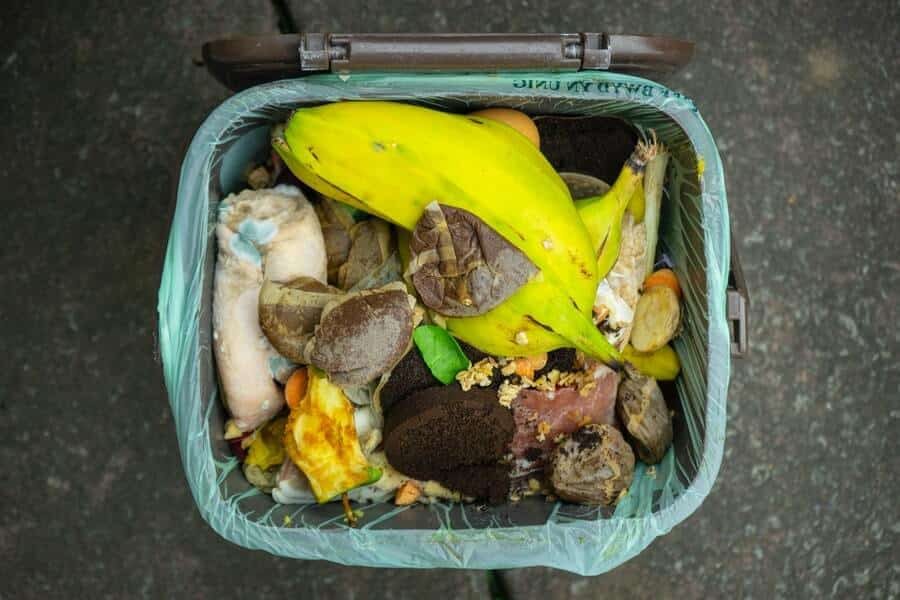
If space is an issue, hot composting in a container can be a far better option. This will allow you to compost in this way in a much smaller area. And the required temperatures can often be easier to maintain. You can purchase a container or make your own, but the key things to remember are:
- A black or dark coloured container will heat up more effectively.
- Thick sides or insulation can be important to get the right temperatures and maintain them.
- The container should ideally have a sump and tap or drainage holes at the base to allow excess fluid to drain away.
- It is important to make sure the container allows for aeration, or the compost can become aerobic (and smelly).
What Temperatures Are Required For Hot Composting?
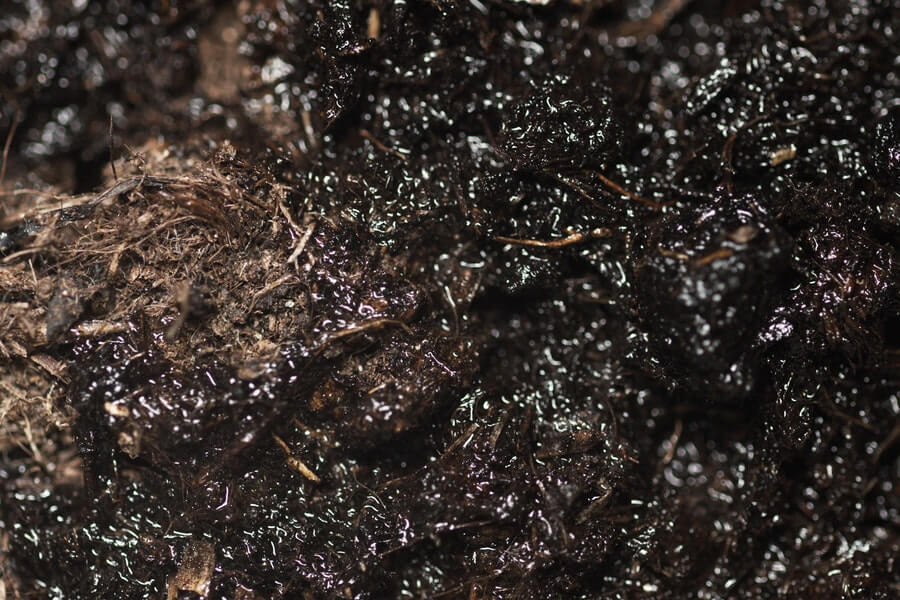
The temperatures that you are looking to attain in a hot composting system are at least 60-68 degrees C. Sizing and positioning your heap or bin, as well as adding the right materials mix, is crucial to achieving these temperatures.
It is best to choose a sunny and sheltered position for your hot composting system. Avoid placing your heap or bin somewhere too shaded, cool or exposed. The less that the outside of the system cools, the easier it will be to reach and maintain the temperatures within.
To achieve the best results, monitoring the temperatures within the system is a good idea.
What Materials Should Be Added To a Hot Composting System?
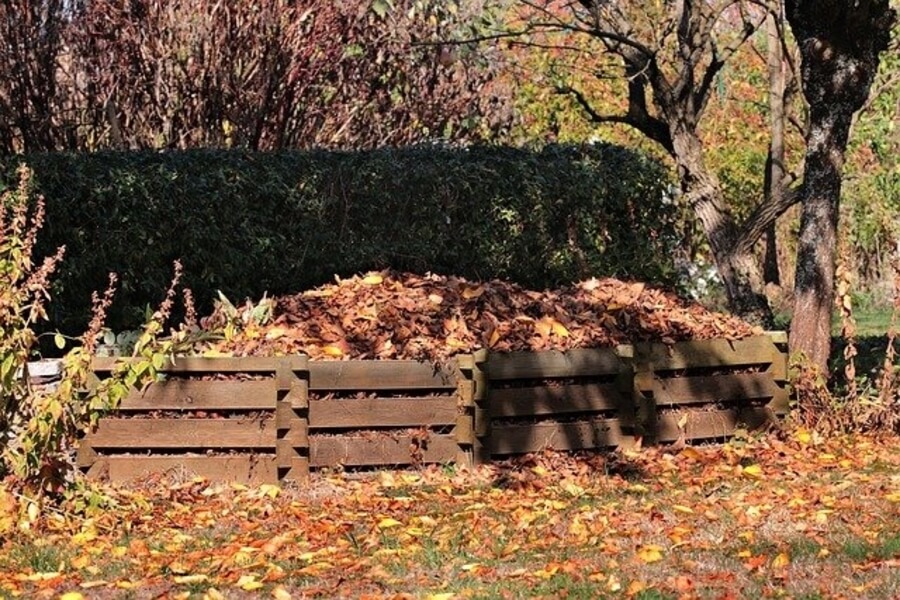
Perhaps the most important thing of all in maintaining an effective hot composting system is achieving the right mix of materials within it. The most crucial thing to get right is the mix of carbon rich to nitrogen rich materials.
In cold composting systems, you will typically add these two types of materials in relatively equal volumes. But in hot composting, it is best to add twice as much carbon rich material as nitrogen rich material by volume (a ratio of 2:1). By weight, you should aim to add carbon and nitrogen rich materials at a ratio of 25:1. Note however that this is just a rough rule of thumb.
Ideally, the materials should be well mixed, and shredded before you add them.
Remember, the materials will have to be added together, not placed into the heap or bin slowly over time.
Should You Turn Your Compost in a Hot Composting System?
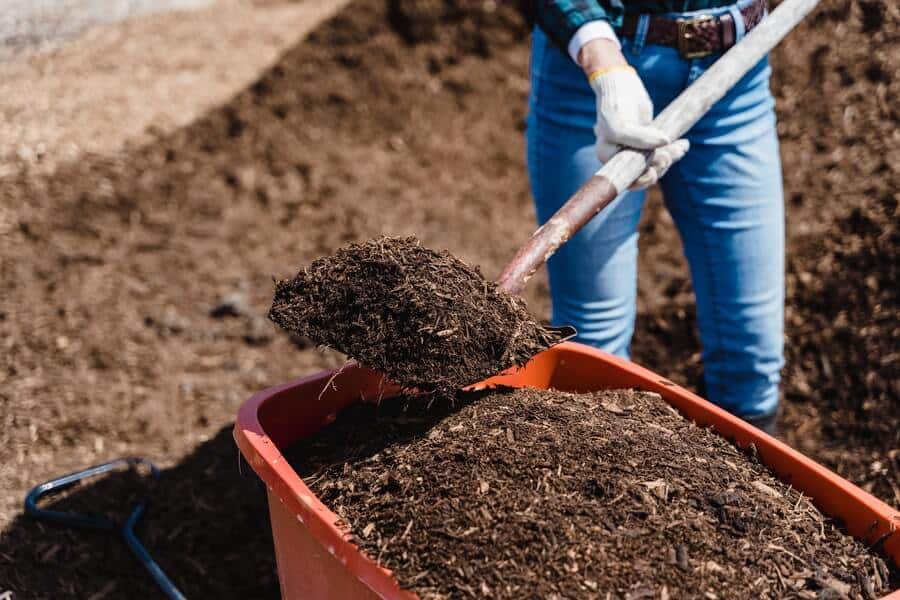
In cold composting, the material is often turned to ensure aeration. Opinions differ on whether or not this is a good idea in hot composting systems. Heaps are usually turned, while in a container, it may not always be as beneficial. Whether or not you turn your compost will depend, typically, on your precise setup and where and how you plan to use the finished compost.
As you can tell from the above, hot composting does take a little more thought and effort than simpler types of composting. However, the benefits it can bring in speeding up the process and the quality of the compost it delivers can make that thought and effort worthwhile. So if you want to make the most of your garden, and make compost more quickly, it could be an interesting option to consider.