With the right plant choices and approaches, you can potentially be harvesting fresh fruit from your garden right through from June and November, and perhaps even beyond. By preserving fruits in a range of ways, you can enjoy eating the best fruits to grow from your garden throughout the whole of the year.
Why Grow Your Own Fruit at Home?
Growing your own fruit at home offers numerous benefits that go beyond just saving money. One of the main advantages is the ability to enjoy fresh, nutritious produce.
Homegrown fruit is often healthier than store-bought alternatives, as it doesn’t contain the preservatives or chemicals typically used during transportation and storage. This ensures that you are consuming food at its peak freshness, packed with vitamins and minerals.
Another compelling reason to grow your own fruit is environmental sustainability. By cultivating your own plants, you reduce the carbon footprint associated with transporting fruit over long distances.
Local, homegrown produce has a significantly smaller environmental impact, as it requires less energy, packaging, and transportation. This contributes to reducing pollution and conserving natural resources.
Growing your own fruit also promotes self-sufficiency. It’s a rewarding and educational experience that can teach you valuable skills like gardening, plant care, and seasonal harvesting.
Watching your fruit trees or bushes flourish can provide a deep sense of accomplishment, and there’s a unique joy in eating something you’ve grown yourself. It’s also a great way to connect with nature and the outdoors.
Homegrown fruit also offers a variety of unique flavours and varieties that may not be available in your local grocery store. Growing your own allows you to experiment with different types of fruit and select the ones that best suit your taste and climate, adding a personal touch to your culinary experiences.
Key Tips for a Fruitful Garden
Fruitful gardens can come in many guises – from the largest countryside garden to the smallest city spaces. Everyone should be able to grow at least a little fruit at home. Here are a few tips to help you make the right decisions and make the most of whatever space is available to you:
Consider Investing in Polytunnels and/or Fruit Cages
Polytunnels can extend the growing season significantly, protect plants from harsh weather, and boost ripening.
They’re particularly useful for early strawberries, late raspberries, and figs. They can also allow you to branch out and grow some more unusual fruits or fruits that would not thrive outside where you live.
Fruit cages protect your crops from birds and pests while allowing airflow and easy access with a fruit cage door.
Carefully Select the Right Fruits and Varieties for Where You Live
Some varieties perform better in warmer southern areas, while others thrive in cooler northern climates. Think about what different fruits need and like in terms in sunlight, wind, water and soil and about what conditions you can provide in your area.
You should also look for varieties with known resistance to local pests or diseases, and choose self-fertile types if pollination may be an issue.
Stagger Harvests Through Plant Choices and Positioning
Mix early, mid, and late-fruiting varieties. For example, combine ‘Honeoye’, ‘Cambridge Favourite’, and ‘Florence’ for strawberries. Use sunny microclimates to encourage earlier ripening, and shady spots for later-maturing types. Espalier fruit trees can be trained on walls to benefit from extra warmth.
Layer Fruiting Plants With Beneficial Companion Plants/ Guilds
Underplant fruit trees with herbs like mint, chives, or comfrey to deter pests and improve soil. Incorporate bee-friendly flowers to boost pollination. A fruit tree guild mimics natural ecosystems and can improve resilience, yield, and biodiversity.
Learn How to Make the Most of All the Fruits You Grow
Preserve gluts by freezing, drying, canning, or fermenting. Use unripe or windfall fruits in chutneys or jellies. Swap or gift excess harvests with neighbours or through community food schemes. With good planning, your homegrown fruit can nourish you and your pets year-round.
Top Fruits for UK Gardeners:
| Fruit | Jan | Feb | Mar | Apr | May | Jun | Jul | Aug | Sep | Oct | Nov | Dec |
| Strawberries | ✅ | ✅ | ||||||||||
| Gooseberries | ✅ | ✅ | ✅ | |||||||||
| Raspberries | ✅ | ✅ | ✅ | ✅ | ✅ | |||||||
| Currants | ✅ | ✅ | ||||||||||
| Blueberries | ✅ | ✅ | ✅ | |||||||||
| Plums | ✅ | ✅ | ||||||||||
| Figs | ✅ | ✅ | ||||||||||
| Blackberries | ✅ | ✅ | ✅ | |||||||||
| Pears | ✅ | ✅ | ✅ | |||||||||
| Apples | ✅ | ✅ | ✅ | ✅ |
1. Strawberries
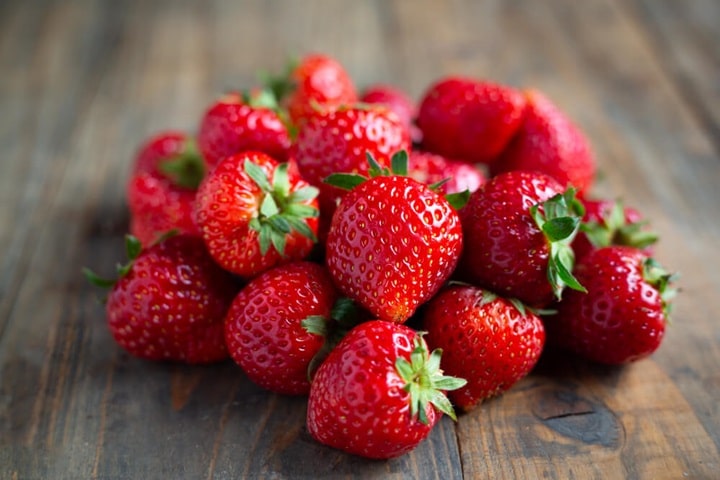
To prolong the strawberry season, consider growing a mix of early, mid, and late-season varieties. Popular choices include ‘Honeoye’ (early), ‘Cambridge Favourite’ (mid), and ‘Florence’ (late). Using a polytunnel or cloches in spring can encourage earlier fruiting, while later varieties can extend harvest into August. Regular picking also promotes continued fruiting.
There are three main types of strawberries for home gardeners. June-bearing strawberries provide a large crop over a few weeks in early summer and most varieties are of this type.
Ever-bearing strawberries, such as ‘Mara des Bois’, are another option. These produce smaller but repeated crops from June through autumn – extending the harvest period considerably.
Alpine strawberries, like ‘Alexandria’, are a third typeof strawberry you might try. These produce small, sweet fruits intermittently throughout the growing season and are ideal for edging or containers.
2. Gooseberries
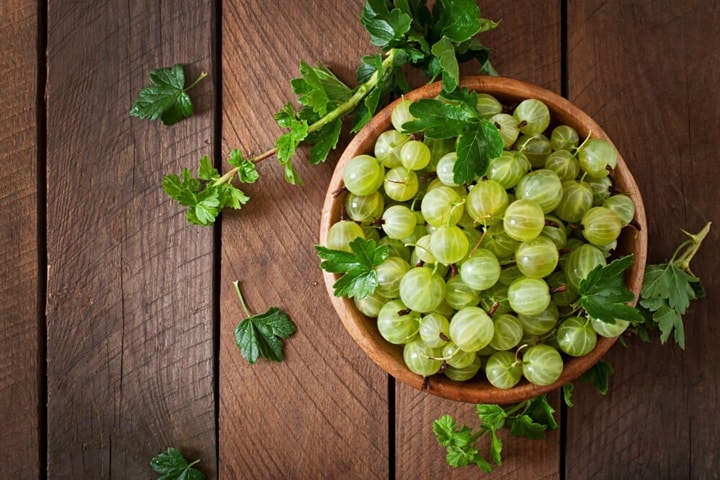
Choose a mix of culinary and dessert types, such as ‘Invicta’ for high yields and mildew resistance, and ‘Hinnonmaki Red’ for a sweet flavour. Some varieties will ripen earlier under cover, so using a polytunnel can advance your harvest by several weeks. Regular thinning of fruit also helps increase fruit size and spread out ripening.
Gooseberries are hardy and suited to most UK conditions. Prune in winter to maintain airflow and reduce mildew risk. Early thinning of fruits can improve quality and help stagger harvest. Growing in partial shade is possible, though sun will give sweeter fruit.
You can pick underripe gooseberries to use in a range of recipes, before the ripe fruit harvest begins. This also staggers the workload in your garden and allows you to enjoy your fruits in a range of different ways throughout the year.
3. Raspberries
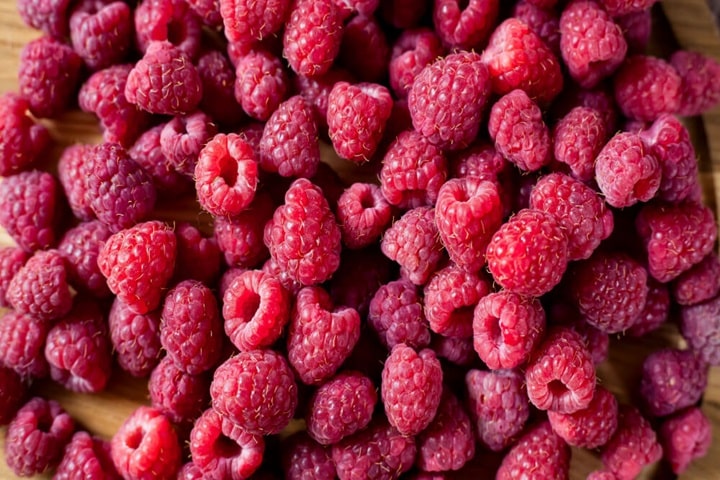
Summer-fruiting varieties like ‘Glen Ample’ start in June, while autumn-fruiting varieties such as ‘Autumn Bliss’ or ‘Polka’ continue right into October. Growing both types gives a very long season. Use of a polytunnel can even bring early raspberries into May in milder regions.
You can also include hybrid brambles such as tayberries, boysenberries, and loganberries, which combine raspberry sweetness with the robustness of blackberries. Tayberries ripen from late June to early August, boysenberries from July, and loganberries in early summer. These hybrids tend to produce larger fruits and can be grown on similar trellis systems.
4. Currants
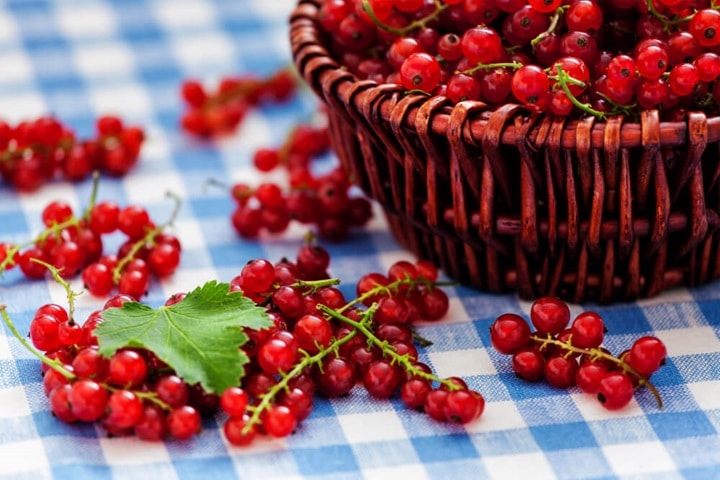
Redcurrants (such as ‘Rovada’), whitecurrants (such as ‘White Versailles’), and blackcurrants (such as ‘Ben Connan’, ‘Ben Lomond’) each have slightly different ripening times, which helps extend the period of harvest. Prune carefully to ensure good airflow and fruiting on older wood. Use netting to protect from birds. Placing some currants in dappled shade can also mean fruits just a little later than those in full sun.
Blackcurrants benefit from regular renewal of old wood, while red and white currants fruit best on older spurs. Growing a mix provides variety for cooking, juicing, or fresh eating. A shade netting or using a fruit cage is essential in most areas because without protection, birds can get all the fruit before you get a look in.
5. Blueberries
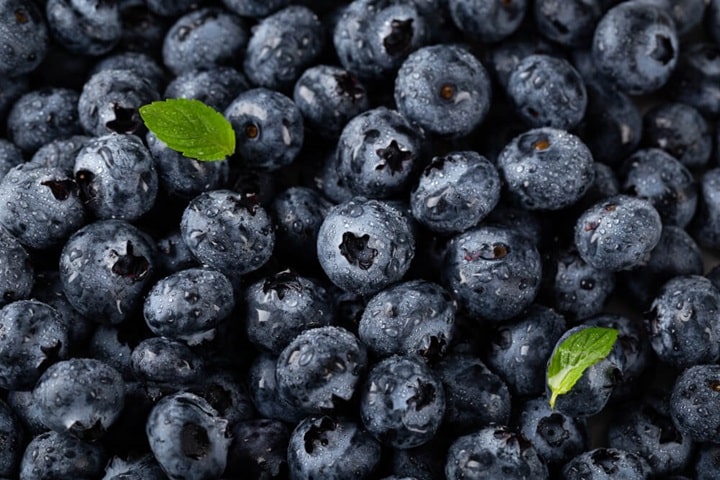
Acid-loving blueberries do well in pots with ericaceous compost. Grow early, mid, and late varieties such as ‘Duke’, ‘Bluecrop’, and ‘Elliott’. A polytunnel or greenhouse can, again, slightly extend the season. Regular watering, however, and the right soil are essential for good yields.
Blueberries need consistent moisture and benefit from mulch. Cross-pollination between different varieties improves yield. Birds love ripe berries, so mesh netting is strongly advised. Container growth allows control over the soil pH levels.
6. Plums
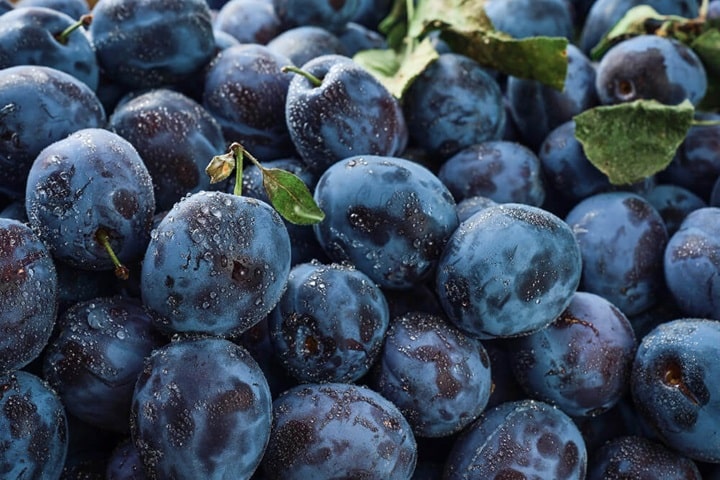
Choose from early plums like ‘Opal’, mid-season ‘Victoria’, and late-ripening ‘Marjorie’s Seedling’ to extend your picking window. Thinning fruit early in the season helps improve size and reduce disease risk. Covered cultivation isn’t often needed but can help in northern or particularly cold and exposed gardens.
Plums can suffer from pests like plum moth or silver leaf disease, so pruning and hygiene are key. Fan-training against a wall works well in smaller gardens. Grow multiple trees for better pollination unless choosing self-fertile types like ‘Victoria’.
7. Figs
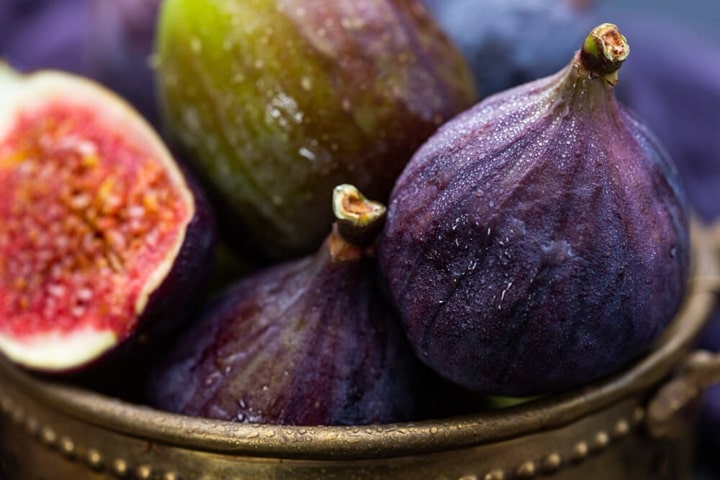
Figs do best in a sunny, sheltered location, ideally against a south-facing wall. Hardy varieties like ‘Brown Turkey’ are best for UK gardens. Growing figs for polytunnel cultivation helps ensure the breba crop (early figs) ripens, particularly in cooler areas. Outdoors, in much of the UK, there is typically only one viable harvest per year.
Restricting root growth encourages fruiting, so grow figs in containers or root-restricted beds. Pinch new shoots to encourage ripening of the existing crop.
8. Blackberries
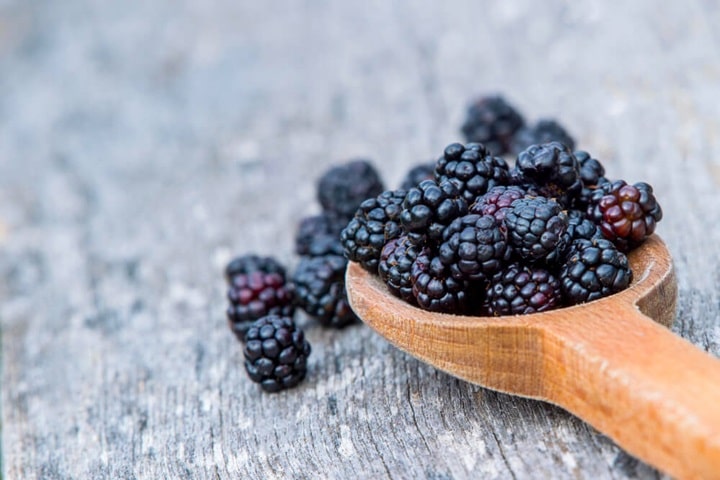
Cultivated varieties like ‘Loch Ness’ and ‘Chester’ offer larger fruit and a longer season than wild brambles. Prune after fruiting to promote next year’s growth. Consider thornless varieties for easier managing and maintenance.
Blackberries thrive in a range of soils and are prolific even with minimal care. Late-ripening types can extend harvest into autumn, and training along wires aids maintenance.
9. Pears

Early varieties like ‘Beth’ can be ready in August, while later types such as ‘Conference’ and ‘Doyenné du Comice’ continue into October. Harvest pears when firm and ripen indoors for best texture.
Pears need careful thinning to avoid biennial bearing. Most varieties require a pollination partner. Late varieties store better, while early types are best eaten fresh. Espalier or cordon training suits small spaces.
10. Apples
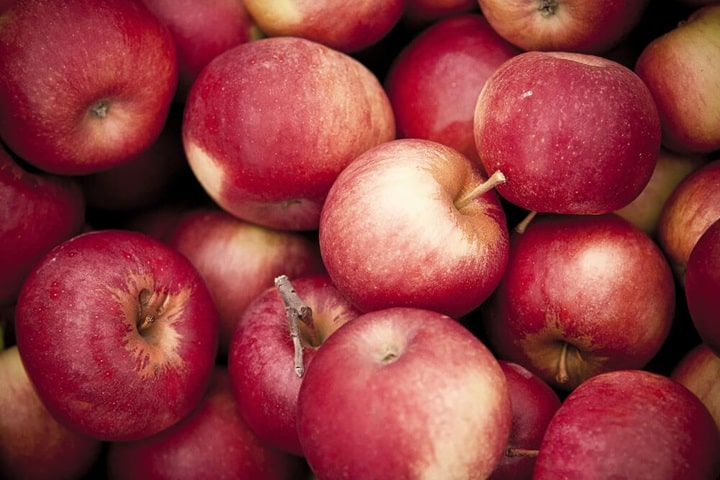
Apples like ‘Discovery’ ripen early, ‘Cox’s Orange Pippin’ and ‘Egremont Russet’ are mid-season, and ‘Bramley’ or ‘Sunset’, to give some examples, are later harvesters. Store late apples in a cool, dark place to enjoy through winter and remember, some are better ‘keepers’ than others so think about how long apples will keep when choosing which fruit trees to grow.
Consider dessert, cooking, and dual-purpose apples to meet different needs. Some, like ‘Red Falstaff’, are self-fertile, making them ideal for smaller gardens. Summer varieties should be eaten quickly, while late types store for months if kept they are kept cool.
FAQs
u003cstrongu003eCan I grow exotic fruits in the UK?u003c/strongu003e
Yes, with the right conditions. Polytunnels or greenhouses can support crops like peaches, nectarines, and even apricots or grapes in southern areas.
u003cstrongu003eWhat are the challenges of growing fruit in the UK?u003c/strongu003e
Cool summers, inconsistent rainfall, and pests like birds, aphids, and wasps can make fruit-growing tricky. Using netting, good hygiene, and choosing disease-resistant varieties all help.
u003cstrongu003eAre there any particularly pest-resistant fruit varieties?u003c/strongu003e
Yes. To give a few examples: ‘Invicta’ gooseberries resist mildew, ‘Ben Sarek’ blackcurrants are compact and disease-resistant, and thornless blackberries like ‘Loch Tay’ are both productive and easier to manage.
Sources
Goulding, J., (2023) 6 fig growing mistakes to avoid for sweet and squishy fruit perfection. Homes and Gardens. [online] Available at: https://www.homesandgardens.com/gardens/fig-growing-mistakes [accessed 22/04/2025]