

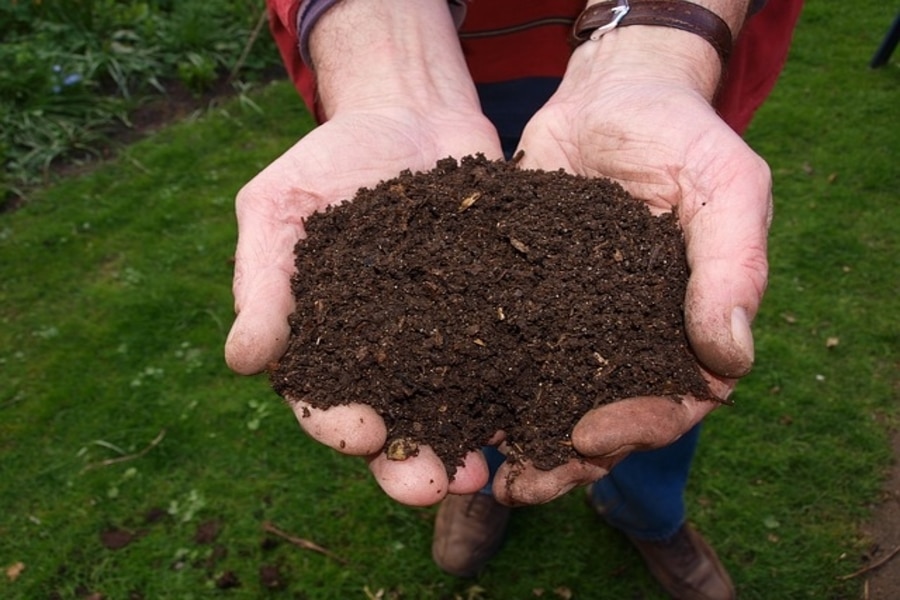
Ericaceous compost is a compost which is acidic in pH. It is used to grow plants which like acidic conditions. This might be a potting mix of compost which you have purchased from a commercial supplier, or a compost that you have made yourself, at home.
When choosing compost or potting mix for your garden, there are a range of different things to consider. You will need to think about what ‘ingredients’ that compost contains, where you will use it, with which plants, and what you wish to achieve my doing so.
One of the factors which determines the success of your plants is the pH level. The pH in garden soil, and also of a compost or soil amendment can be either alkaline, neutral or acidic. If the pH is below 7, your soil is acidic – between 3.0 and 5.0, it is extremely so. If your soil pH is around 7, it is neutral, and if it above 7 it is alkaline. The pH level determines characteristics of the soil such as nutrient uptake, and the specific plants that will grow well in a given situation.
What Does Ericaceous Mean?
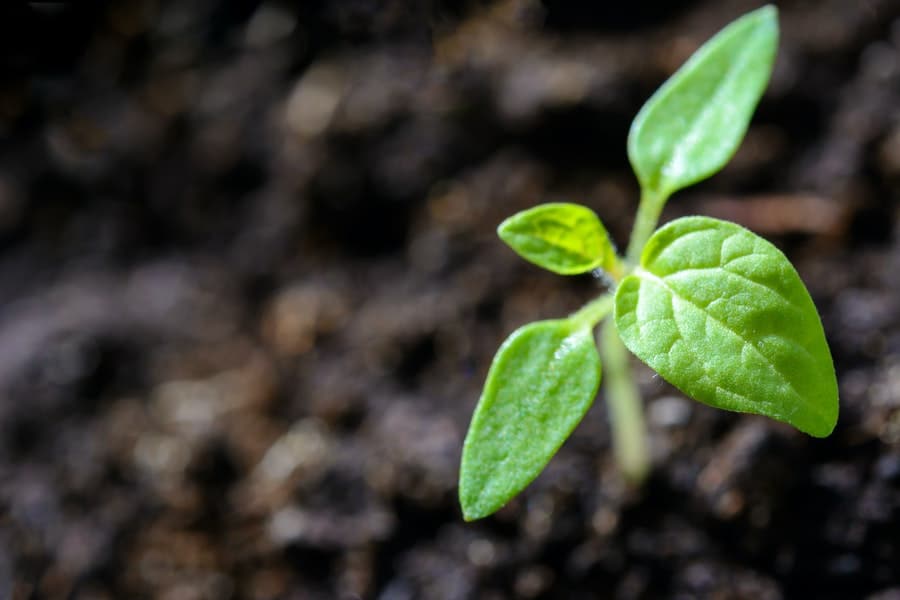
The term Ericaceous is used to refer to growing media which have an acidic pH. We also commonly use the term to refer to all plants which like acidic conditions.
Technically, however, the word refers to plants which are in the health or Ericaceae plant family. Commonly known as the heath or heather family, this is a large family of plants which commonly grow in acidic conditions.
Which Plants Like Ericaceous Soil or Ericaceous Compost?
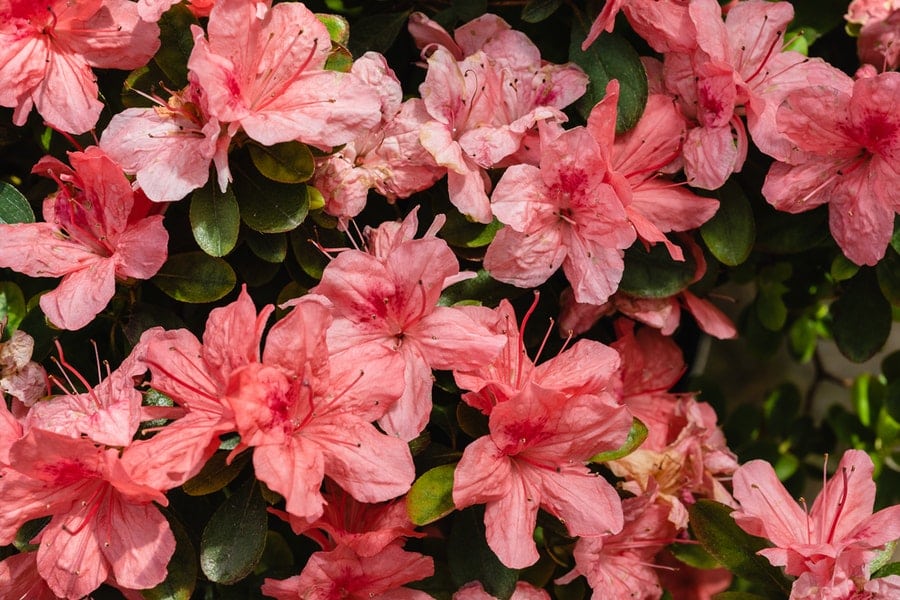
Some plants which like Ericaceous soil or ericaceous compost are:
- Azaleas
- Blueberries & bilberries
- Camellias
- Heathers
- Rhododendrons
Where and How to Use Ericaceous Compost
Ericaceous composts, like other potting media and composts, can be used in pots and containers or to amend the soil as a mulch around garden plants. The key, of course, is to use it for plants which like those type of acidic conditions.
One important thing to note is that, when placed outdoors, the compost will gradually alter in pH over time through to rain and decomposition. So the compost in containers and around acid-loving plants will have to be replenished over time.
So using ericaceous compost in pots or containers, or in smaller raised beds or planters is usually the best option. It is far easier to amend the soil or growing medium for acidic plants in a small area than it is over a larger one.
Do You Always Need to Use Ericaceous Compost for Plants Which Like Acidic Conditions?

Remember, when growing acid-loving plants in the ground, an ericaceous compost may not be required if the soil is already sufficiently acidic in pH.
It is also important to note that not all plants which like acidic conditions require ericaceous compost. There is a difference between those which can tolerate acidic conditions, and those for which acidic conditions are definitely required. Remember that different plants can often cope with a range of pH levels.
Acers are one example of a plant which likes acidic conditions, but which can also cope and even thrive in higher pH levels. For Acers, it is often recommended to grow these in a 50/50 mix of ericaceous and a nutrient rich, loam-based potting mix. A number of other plants may also benefit from being grown in a blend of ericaceous compost and another medium.
Make sure that you research the needs of the specific plants you wish to grow before you determine which type of compost you require. And remember that pH level is not the only environmental factor that you need to take into account.
Choosing Ericaceous Compost
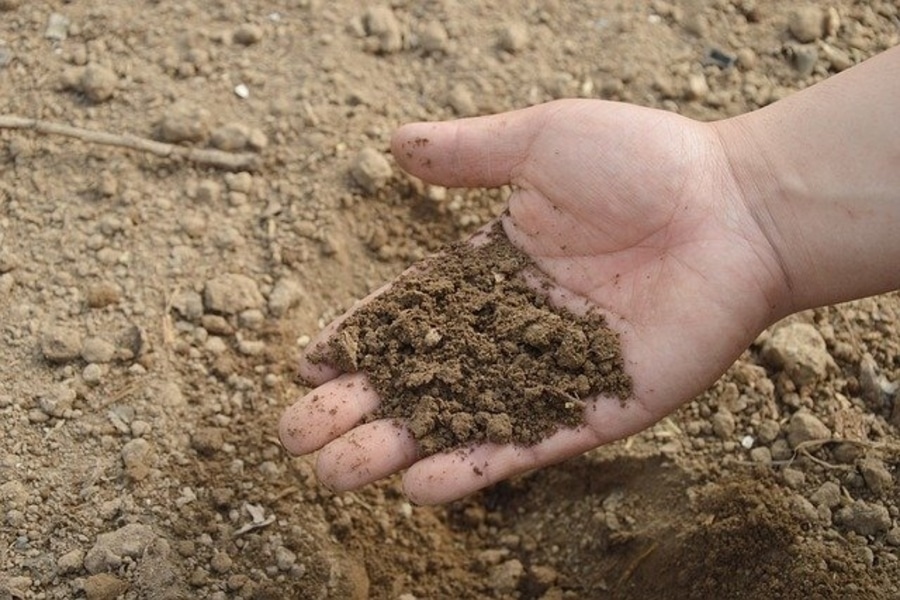
Ericaceous compost is something you can buy, or make on your own at home. Of course, the former option is far easier and less time consuming. But it is also more expensive, and can be more damaging from an environmental point of view.
Sustainability issues surrounding purchased composts include the fact that they often come in non-recyclable plastic. And also that some contain peat – which green gardeners should always avoid.
How to Make Ericaceous Compost
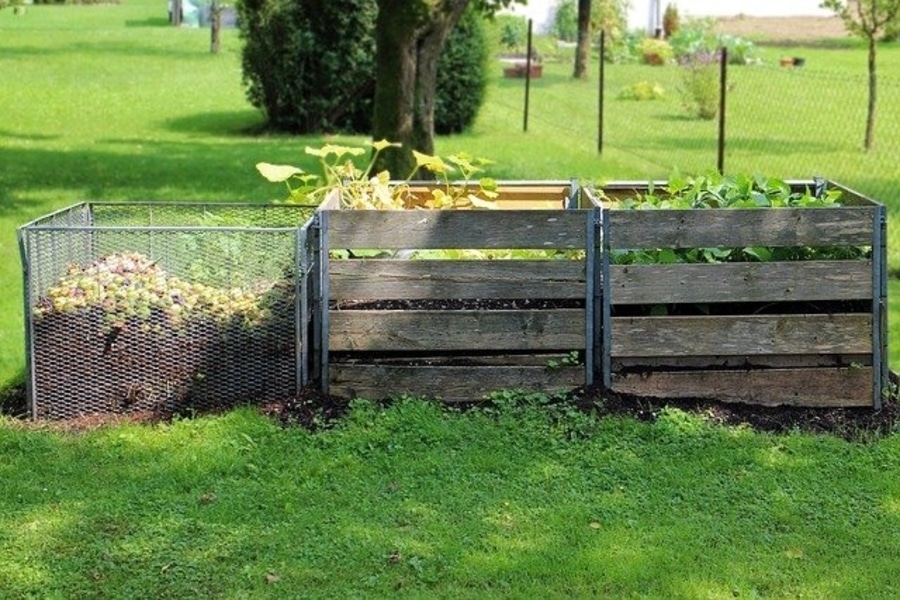
Any compost will help slowly reduce alkalinity and make a more neutral or mildly acidic soil over time, when used to top dress garden beds.
But to make soil acidic, and suitable for ericaceous plants, you will need to pay attention to the pH of the compost you produce.
Making ericaceous compost at home is more or less the same as making any other compost. You can choose to adopt a cold composting or hot composting method. You can use a bokashi system to ferment materials before composting. One method to avoid when trying to make ericaceous compost, however, is vermicomposting, since the worms don’t like overly acidic conditions.
The key difference lies in the materials that you place in the composting system to break down.
You can boost the acidity of your homemade compost by adding plenty of acidic materials such as:
- pine needles
- oak leaves
- woody material: coniferous wood chip, sawdust/shavings from fresh wood…
- vinegar, citrus fruits, onions etc..
Some gardeners will add sulfur too, as a natural acidifier.
Of course, like any other ericaceous compost, the pH will change over time. So whenever you are growing ericaceous plants in pots or less acidic soil, you will need to replenish your ericaceous compost and take other steps to maintain an acidic pH over time.
Unless growing in containers, it is always best to choose plants suited to the soil and other conditions where you live.
If you are looking for more information about composting and composts, you will find plenty of other articles on this site to help you make the right decisions and achieve the best results in an organic and eco-friendly garden.