

Summer is a season of abundance. From fresh peas to sun-ripened tomatoes, the longer days and warmer temperatures offer gardeners the perfect conditions to grow a wide variety of delicious crops. But summer isn’t just a time for harvesting – it can also be an excellent time for sowing and planting.
Whether you’re a seasoned grower or just tending your first raised bed, understanding which vegetables thrive when planted in summer can make the most of the growing season, carry crops well into autumn, and even give you a head start for the cooler months ahead.
In this article, we’ll walk through the best summer vegetables to sow and plant out during summer, with tips for care, watering, and what to avoid.
Summer Vegetables: The Basics
In the UK, summer technically spans June through August, but gardening timelines often stretch a little beyond those dates, especially in milder regions. During this period, soil temperatures are warm, daylight hours are long, and many pests and pollinators are active. This, of course, brings both benefits and challenges.
By summer, much of the early sowing is behind you: your broad beans are likely podding, early potatoes swelling, and lettuces reaching peak picking. But there’s no need to let empty space lie fallow. In fact, successional sowing and second cropping are excellent summer strategies. With the right choices, you can keep your beds productive well into late autumn or even winter.
Here are some key considerations for summer vegetables and planting:
- Soil moisture can be patchy, especially in dry spells. Watering becomes more critical.
- Bolting – where vegetables flower prematurely – can be triggered by heat or inconsistent moisture.
- Fast-maturing crops are ideal, especially those that can be harvested in 6–10 weeks.
- Shade-tolerant or heat-resilient varieties fare better in high summer.
- Summer planting can prepare ground for autumn and winter harvests if timed right.
Now, let’s look at what you can sow and plant out during summer months.
Vegetables to Sow in Summer
Many people think sowing ends with spring, but there’s still a wide array of vegetables that can be started from seed in June, July, and even August. The key is to choose quick-maturing crops or those suited to later-season growing.
1. Carrots (late crops)
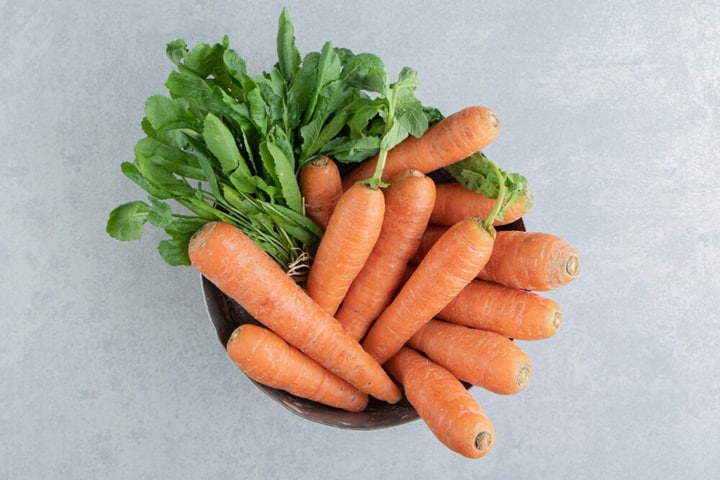
Sow in early to mid-summer for autumn and even overwintered harvests. Choose fast growing carrot varieties like ‘Nantes’ or cold-hardy types like ‘Autumn King’. Sow directly, thin lightly, and keep soil consistently moist to prevent forking.
2. Beetroot
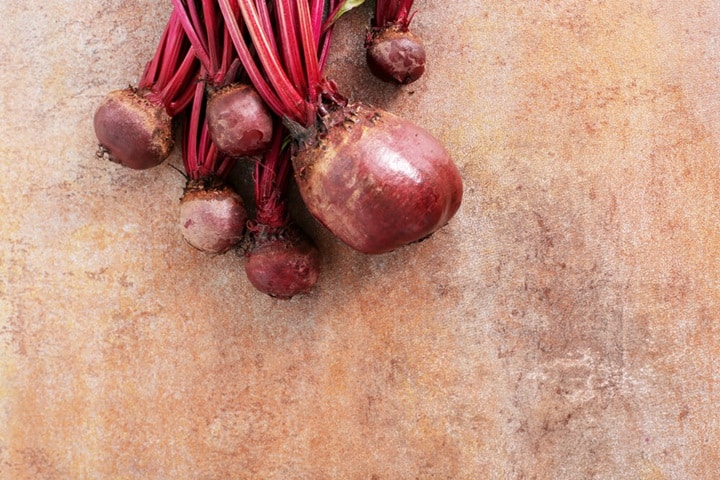
Beetroot is wonderfully flexible. Sow successionally every few weeks until late July. Both roots and leaves are edible. Varieties like ‘Boltardy’ are especially well-suited to summer sowing.
3. Lettuce & Salad Leaves
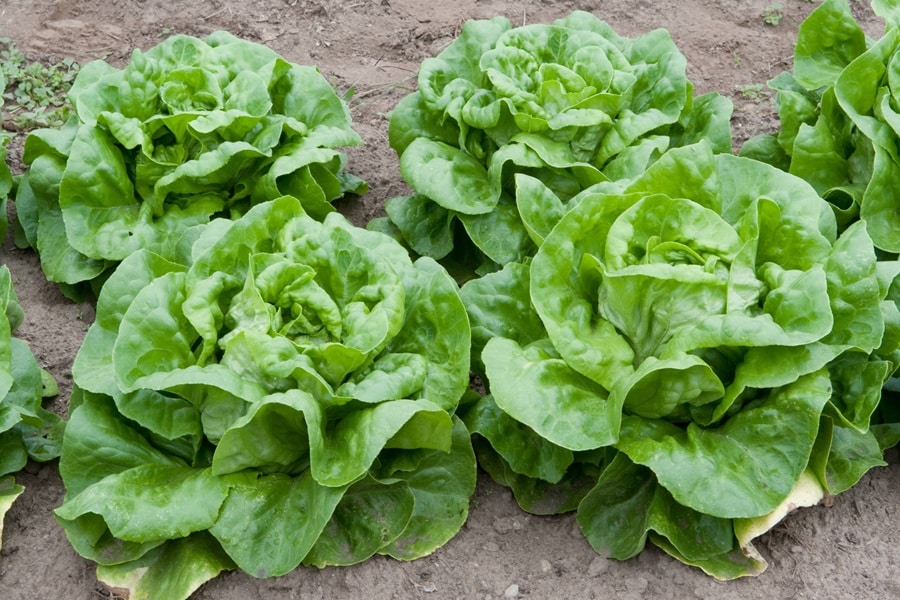
Loose-leaf varieties grow quickly and are less prone to bolting than hearting types. Try ‘Salad Bowl’, ‘Lollo Rosso’, or heat-tolerant mixes. Also consider rocket, mustard greens, purslane, and mizuna for a more varied salad bowl.
4. French Beans (Dwarf)
While climbing beans are best sown earlier, dwarf French beans can be direct sown into July for a fast crop in late summer. They’re ideal for filling gaps after early potatoes or peas. (Just avoid growing them with onions, as they are bad companions for one another.)
5. Spring Onions
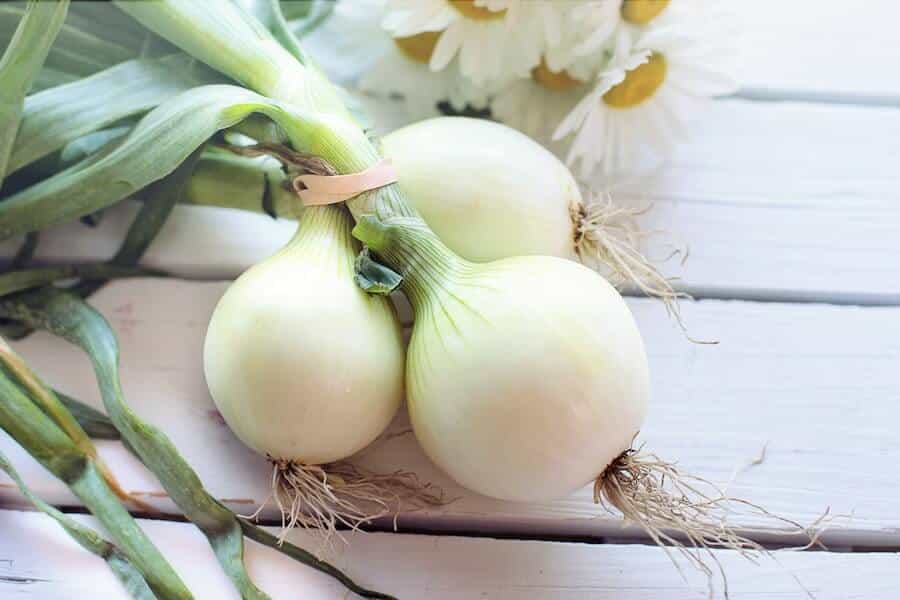
Quick to mature and space-efficient. Summer sowings of varieties like ‘White Lisbon’ or ‘Ishikura’ can be harvested within eight weeks and offer reliable flavour and crunch.
6. Radishes
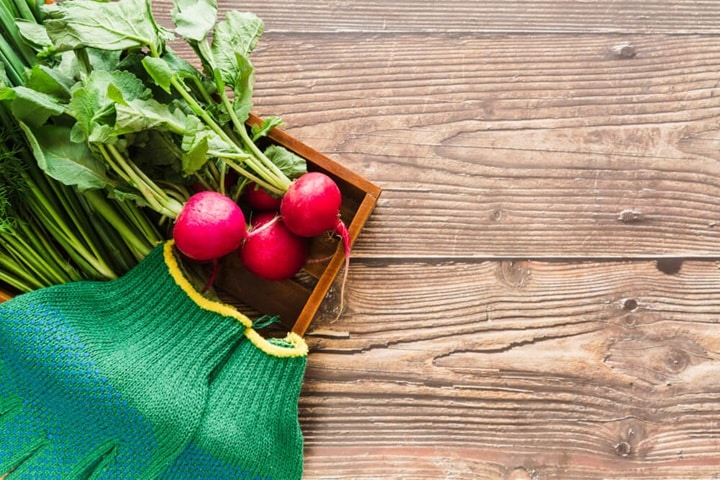
The classic gap-filler. Radishes mature in as little as 3–4 weeks, making them perfect for sowing between slower-growing crops. Opt for summer varieties to avoid woody roots.
7. Turnips
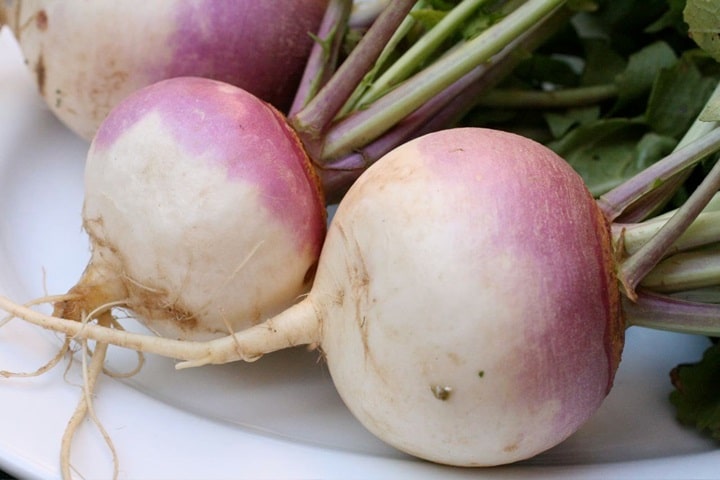
Often overlooked, but quick-maturing and tasty. Sow in mid-to-late summer for harvests in autumn. Use young leaves like spinach, and harvest roots small for sweetness
8. Kale
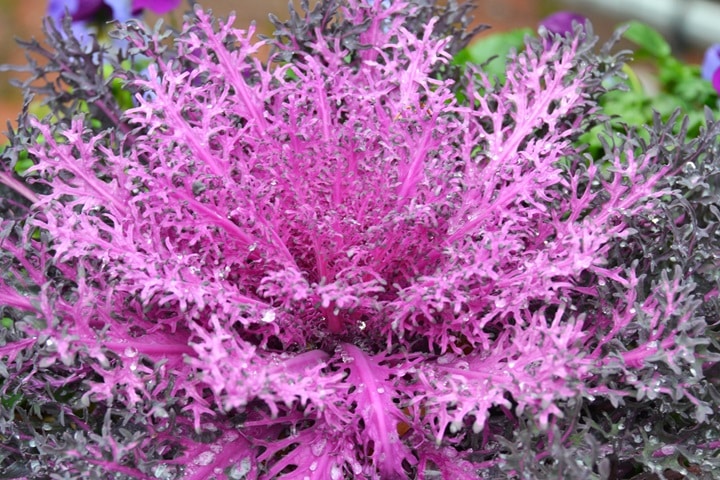
Sow in early to mid-summer for planting out later. Hardy and nutritious, kale thrives in cooler autumn weather but benefits from a summer head start. Learn about other curious purple vegetables.
9. Pak Choi
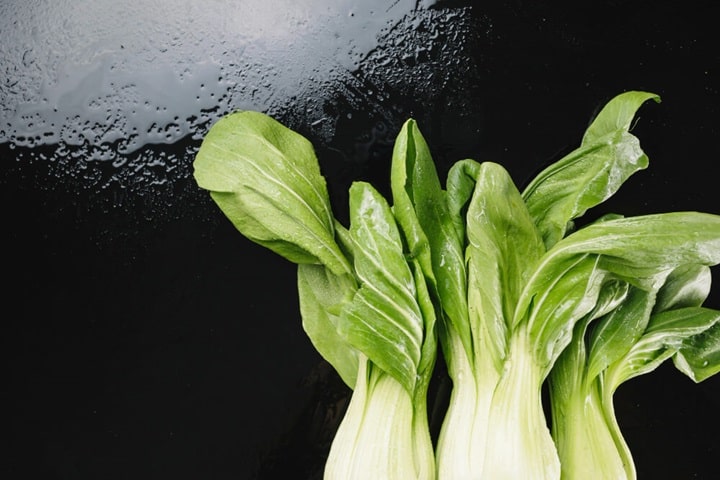
Late summer is ideal for these quick-growing crops. They prefer shorter days and cooler weather, so sow in August for a lush autumn harvest. Use fleece to guard against flea beetle.
10. Swiss Chard & Perpetual Spinach
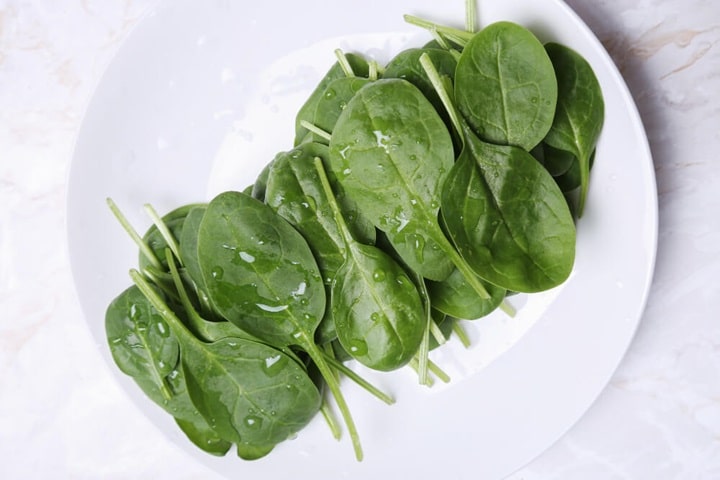
Sow in summer and enjoy harvests that can last well into winter. Colourful, nutritious, and incredibly hardy, these leafy greens are a staple in year-round growing.
11. Peas (Late Varieties)
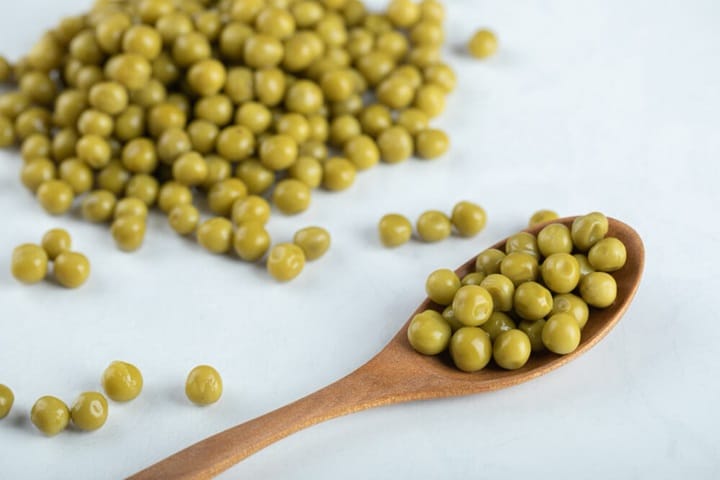
While most peas prefer cooler weather, there are fast-maturing varieties like ‘Kelvedon Wonder’ or ‘Oregon Sugar Pod’ that can be sown in early summer for a late crop. Sugar snap and mangetout types tend to do better in the warmer months. Provide good moisture and a bit of shade in the hottest weeks.
12. Coriander
Often considered a herb, but in the vegetable garden it earns its place. Summer sowings of slow-to-bolt coriander varieties can thrive if kept moist and harvested regularly. Grow for both the fragrant leaves and the seeds if you let a few plants flower later in the season.
13. Mustard Greens
Quick-growing, tangy, and full of texture, mustard greens add zing to salads or can be cooked lightly as leafy greens. They’re more heat-tolerant than many lettuces and mature in just a few weeks. Sow little and often from June through August.
14. Daikon Radish (Mooli)
This Asian root vegetable grows best from mid-to-late summer and into autumn. Unlike small round radishes, daikon develops long, crisp roots that are mild and juicy. They need loose, fertile soil and regular watering to avoid splitting.
15. Land Cress
A brilliant alternative to watercress, land cress is easy to grow and more tolerant of drier conditions. Summer sowings will establish quickly and provide peppery leaves into autumn. It’s particularly useful for shady corners where other salad crops may flag.
16. Chinese Cabbage (Napa Cabbage)
Sow in mid-to-late summer for a crunchy, mild-flavoured harvest in early autumn. Chinese cabbage prefers the gradually cooling temperatures and shorter days from August onward. Protect young plants from slugs and net against butterflies to prevent caterpillar damage.
17. Scorzonera
Scorzonera is an unusual but rewarding root vegetable with a slightly nutty flavour. Summer is a good time to sow it direct for a long, slow growing season. Though it won’t be ready until late autumn or winter, it stores well in the ground and adds variety to your root crop selection.
18. Parsley (Flat or Curly Leaf)
Parsley, a common culinary herb, is robust and nutrient-rich. Summer sowings provide fresh greenery through autumn and can overwinter in milder areas. Keep the soil moist for good germination, and consider sowing in partial shade to avoid scorching.
19. Italian Leaf Chicory (Radicchio)
This bitter leaf crop thrives when sown in late summer. As temperatures cool, the leaves develop a deep red colour and improved flavour. Radicchio is excellent grilled, roasted, or added raw to salads for a punchy twist.
20. Fenugreek (Methi)
A fast-growing leafy green popular in Indian cooking, fenugreek grows well in the UK when sown in summer, and works especially well in a polytunnel garden. It matures quickly and can be harvested young for tender leaves. Sow thickly for a cut-and-come-again crop, or let some plants mature for seeds.
10 Vegetables to Plant Out in Summer
While some crops are best sown direct, others do better when started in modules or trays and then planted out once they’ve grown on a bit. Summer is a good time to plant out young starts of slower-growing or autumn-winter crops.
1. Leeks
Transplant in June or July once seedlings are pencil-thick. Ideal for harvesting from late autumn through to the following spring. Make holes with a dibber, drop plants in, and water – no need to backfill.
2. Purple Sprouting Broccoli & Winter Brassicas
Plant out seedlings in mid-summer for a steady supply through the hungry gap next spring. Make sure beds are firm and well-fed. Use netting to protect from cabbage whites.
3. Cabbages (Late & Winter Varieties)
‘January King’, ‘Tundra’, and other hardy types go in the ground in mid to late summer. Ensure solid spacing and watch for slugs in humid weather.
4. Florence Fennel
A lovely, aromatic veg that’s prone to bolting if sown too early. Plant out in mid-to-late summer for best results. Keep watered and mulch to retain soil moisture.
5. Celery & Celeriac
Tricky but rewarding crops that need a long season. Transplant in early summer, keep them well-watered and feed regularly. Great for autumn and winter use.
6. Kohl Rabi
Fast to mature and versatile in the kitchen. Start seedlings in trays and plant out for a tasty late-summer harvest. Try both green and purple types.
7. Autumn Cauliflower
These need a fair bit of care and space but reward with firm, delicious heads in early autumn. Protect from pests and give regular water.
8. Endive & Chicory
Add variety to your salads with these Mediterranean greens. Slightly bitter but refreshing, they cope well with heat and offer great late-season interest.
9. Courgettes (Late Plantings)
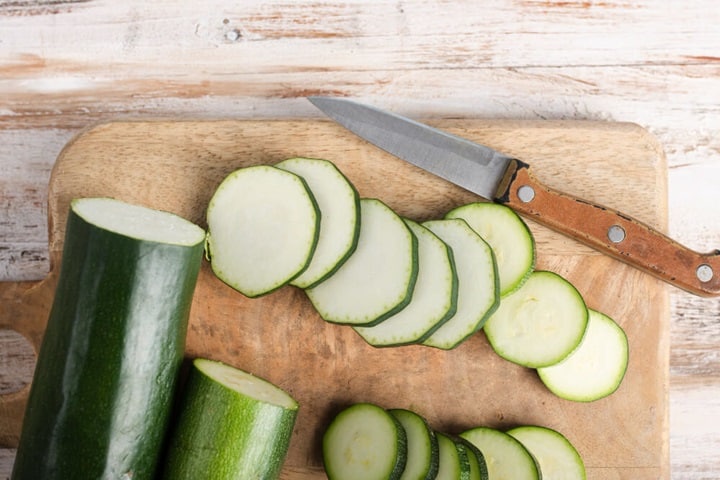
If you started a second batch of courgette seedlings in early summer, now is the time to plant them out. Courgettes are fast-growing and generous croppers, and late plantings can carry on producing well into early autumn, especially in warmer parts of the UK. Choose compact varieties if space is limited, and keep them well-watered and fed for the best yields.
10. Broccoli (Autumn Types)
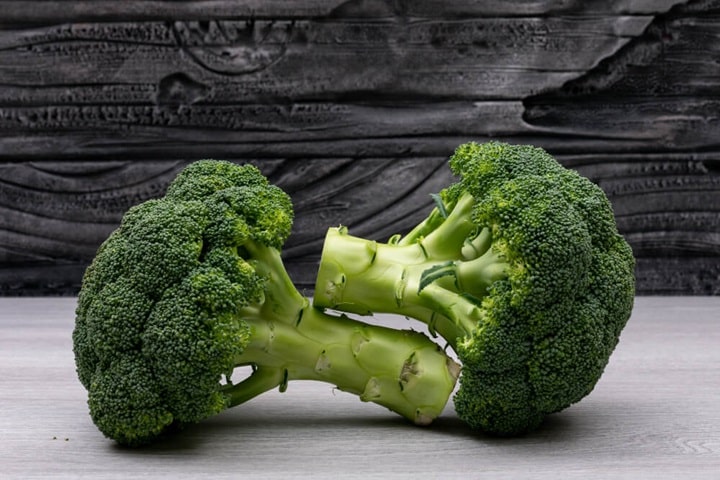
Not to be confused with purple sprouting, autumn broccoli or calabrese types can be planted out in mid to late summer for a late-season harvest. These are the large-headed types found in shops and prefer rich, firm soil. Water consistently, and keep an eye out for caterpillars, which are more active during warmer months.
FAQs
Do summer vegetables need extra watering?
In short: yes. Summer-planted vegetables, especially young seedlings, are highly sensitive to inconsistent or insufficient watering. Hot, dry spells can cause:
Bolting (flowering prematurely)
Bitter or woody textures in root vegetables
Poor germination or seedling die-off
Blossom end rot in fruiting crops like tomatoes and courgettes
Aim to water deeply and less frequently, encouraging deeper root systems rather than shallow, surface-level roots. Mulch beds generously with compost, straw, or leaf mould to conserve moisture and suppress weeds.
Where possible, use soaker hoses or watering cans at the base of plants to avoid fungal issues caused by splashed foliage. And water early in the morning or late in the day to reduce evaporation.
Are there any vegetables I shouldn’t plant in summer?
Yes – there are a few crops that don’t fare well when started in the height of summer:
Peas – they prefer cool weather and tend to struggle with high temperatures and dry soil.
Parsnips – these need a long, cool growing season and are best sown in spring.
Spinach (true spinach) – very prone to bolting in summer heat; opt for perpetual spinach or chard instead.
Brussels Sprouts – need a longer head start and do best when planted out in spring or early summer.
Most lettuce hearting types – heat causes bolting and bitterness; stick with loose-leaf varieties for summer sowing.
Some crops simply won’t have enough time to mature if planted late – always check the days to harvest on seed packets and count backwards from your local first frost date to be sure.
Sources
Gardenia.net. [2023] Do NOT Grow These Plants Together. [online] Available at: https://www.gardenia.net/guide/do-not-grow-these-plants-together [accessed 21/05/2025]