

Creating a buzzing oasis on your patio is simpler than you think. Even a handful of pots, thoughtfully planted patio plants, can transform a bare terrace into a haven for bees, hoverflies and other vital pollinators.
Today, I thought I would share my tips for a bee friendly patio or polytunnel container garden, including plenty of recommendations for the best bee-friendly plants for pots. Read on to do your bit for the different bees in the area where you live.
Why Bees Need Our Help
Bees across the UK and beyond face a perfect storm of challenges that have seen many populations decline. Habitat loss through urban expansion, intensive agriculture and the removal of hedgerows has dramatically reduced the wildflowers and nesting sites that bees rely upon.
Modern farming practices—monocultures, frequent tilling and heavy pesticide use—further strip the landscape of floral diversity and expose pollinators to harmful chemicals such as neonicotinoids, which can impair foraging behaviour and weaken colony health.
Climate change and the spread of diseases add to the pressure. Warmer winters disrupt bees’ natural life cycles, causing untimely emergence or extended periods of activity with insufficient food supplies.
Meanwhile, the global trade in commercial bumblebee and honeybee stocks has led to the spread of pathogens, like the Varroa mite and Nosema, into wild bee communities.
The combined impact of these factors threatens not only the survival of native bee species but also the crucial ecosystem services they provide, from pollinating garden flowers to securing our food crops.
According to the Bumblebee Conservation Trust’s 2025 report, of the 24 native UK bumblebee species, eight are now listed as threatened (vulnerable or endangered), with a further six in decline.
Recent surveys by the UK Pollinator Monitoring Scheme reported that between 2010 and 2023, 37% of Britain’s bee species experienced significant declines, with solitary bees particularly hard hit due to habitat fragmentation and the loss of wildflower margins in intensively farmed landscapes.
Urban expansion also continues to erode nesting sites: a 2024 study found that prime ground-nesting habitats in suburban gardens decreased by 22% compared to a decade earlier, making conservation actions on even small patios and balconies ever more crucial.
How to Grow a Potted Bee Garden
The key to a successful bee garden in pots lies in planning, plant selection and attentive care. Follow these simple steps to ensure your patio is abuzz with activity from early spring until late autumn:
- Choose the Right Containers: Opt for pots with good drainage—terracotta or unglazed ceramic work well. Ensure each pot has holes and use a saucer to catch excess water. For an eco-friendly twist, consider recycled or FSC-certified wooden planters.
- Support Native Plants and Provenance: Prioritise UK-native plants sourced from local growers to maintain genetic diversity and support local ecosystems. Growing plants of British provenance ensures better adaptation to regional pests, diseases and climate conditions, benefiting both your patio and local wildlife.
- Select Quality Potting Mix: Use a multipurpose, peat-free compost enriched with slow-release fertiliser. Bees favour healthy plants that bloom abundantly, so a nutrient-rich medium will ensure generous flower power.
- Positioning Matters: Group pots in sunlit corners for warmth-loving species, and allow for dappled shade for woodland favourites. Bees prefer sheltered spots, so tuck your containers against a wall or fence to buffer wind.
- Companion Planting: Mix perennials with annuals, and combine different flower shapes and colours to attract a variety of pollinators. Clump similar species together to make foraging easier.
- Watering and Feeding: Keep soil consistently moist but not waterlogged. A morning soak is ideal. Apply a high-potash organic liquid feed bi-weekly during the growing season to encourage prolific flowering.
- Year-Round Variety: A truly bee-friendly patio offers a succession of blooms through all seasons. Think about how you can add plants that flower not only in summer but from very early spring right through to the following winter.
Here are some native or naturalised plants well suited to gardens across the UK:
Early Spring:
- Primula vulgaris (Primrose) – native, early nectar source for queen bees.
- Pulmonaria officinalis (Lungwort) – native woodlander, spotted foliage and spring blooms.
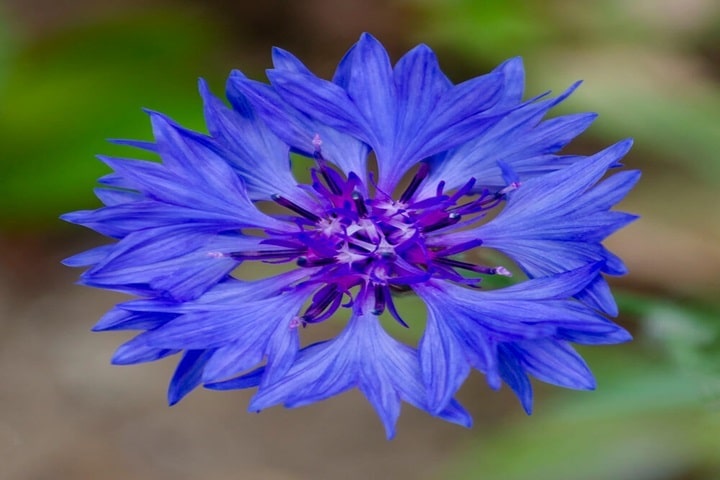
- Centaurea cyanus (Cornflower) – native arable wildflower, striking blue blooms.
Late Spring:
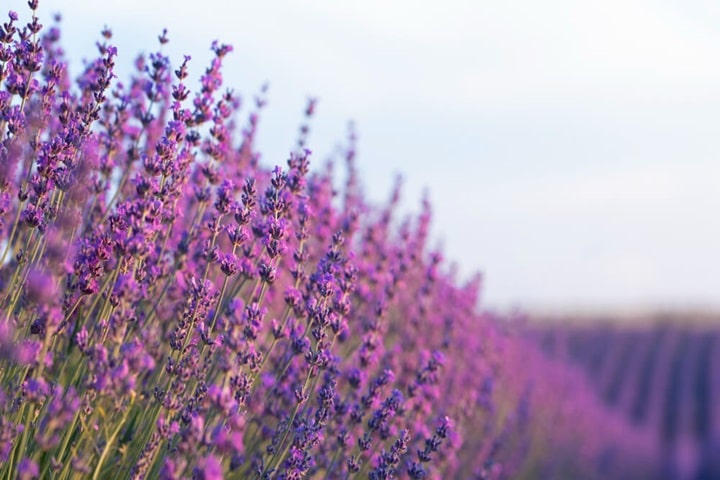
- Lavandula angustifolia (Lavender) – well adapted, semi-naturalised and much-loved by foragers.
- Salvia pratensis (Meadow Clary) – native meadow perennial with purple flower spikes.
- Muscari armeniacum (Grape Hyacinth) – widely naturalised and early pollen provider.
Summer:
- Oenothera biennis (Evening Primrose) – naturalised, yellow blooms open at dusk to attract moths and bees.
- Echinacea purpurea (Coneflower) – though North American, naturalised and invaluable for pollinators.
- Nepeta x faassenii (Catmint) – non-native hybrid, resilient and pollinator magnet.
Autumn:
- Sedum telephium (Orpine) – native sedum with autumn star-shaped flowers.
- Aster sp. (Michaelmas Daisy) – include native Aster species where possible.
- Solidago canadensis (Goldenrod) – naturalised, bright yellow plumes favoured by late bees.
Winter Interest:
- Helleborus foetidus (Stinking Hellebore) – native woodland hellebore with winter blooms.
- Ilex aquifolium (Holly) – evergreen leaves and winter berries support pollinators and wildlife.
- Sarcococca confusa (Sweet Box) – non-native but reliable winter nectar source.
Blooms for Different UK Pollinators
Different species are drawn to diverse flower forms. To support a wide range of UK bee types pollinators, make sure you include flowers of different shapes, sizes, and colours.
Bees (Bumblebees and Honeybees):
- Salix caprea (Goat Willow) – catkins in early spring feeding emerging queens.
- Centaurea nigra (Common Knapweed) – native meadow plant with nectar-rich heads.
- Phacelia tanacetifolia – non-native but fast-maturing and pollen abundant.
Hoverflies:
- Anthriscus sylvestris (Cow Parsley) – native umbel providing pollen and nectar.
- Angelica sylvestris (Wild Angelica) – tall native umbellifer ideal for hoverflies.
Butterflies and Moths:
- Verbascum thapsus (Great Mullein) – native spikes of yellow flowers popular with moths.
- Buddleja davidii (Dwarf Butterfly Bush) – non-native but butterfly magnet in pots. Choose a sterile variety to avoid spread to natural ecosystems.
Solitary Bees:
- Primula vulgaris (Primrose) – native and excellent early forage.
- Crocus vernus (Spring Crocus) – naturalised bulbs offering early nectar.
Colours that Pack a Punch
Bees see colour differently than we do, favouring blues, purples, whites, and yellows.
For example, you might include:
Blue and Purple:
- Centaurea cyanus (Cornflower) – native bright blue.
- Salvia pratensis (Meadow Clary) – native purple spikes.
- Lavandula angustifolia (Lavender) – naturalised and widely loved.
Yellow and White:
- Primula vulgaris (Primrose) – native buttery yellow.
- Achillea millefolium (Yarrow) – native umbels of white.
Reliable Perennials
Perennials form the backbone of a bee-friendly patio, returning year after year. Just a few of the many great options are:
- Lavender (Lavandula angustifolia): Compact varieties like ‘Hidcote’ or ‘Munstead’ suit pots, offering fragrant blooms and silver foliage.
- Catmint (Nepeta x faassenii): Long-flowering and drought-tolerant, this aromatic stalwart attracts bees en masse.
- Agastache (Hyssop): With spires of nectar-laden flowers, agastache performs brilliantly in well-drained pots.
- Echinacea (Coneflower): The large, daisy-like heads are magnets for bumblebees and hoverflies alike.
- Sedum (Stonecrop): Late-summer lifeline for foragers, sedums thrive on neglect and full sun.
Attractive Annuals
While short-lived, annuals add instant drama and continuous colour over the summer months. Some great bee-friendly options to grow in pots or other containers include:
- Centaurea cyanus (Cornflower): A classic native, cornflower thrives in free-draining compost. Scatter seed thinly, press in lightly and keep moist until germination. Pots brimming with vivid blue blooms will self-seed for next year.
- Papaver rhoeas (Common Poppy): The quintessential wildflower, poppies flourish in lean compost and full sun. Sow directly in pots, barely covering the seed. Their scarlet cupsl attract bees and add instant colour.
- Glebionis segetum (Corn Marigold): Often overlooked, corn marigold bears bright yellow daisy-like flowers and attracts hoverflies alongside bees. Sow in early spring or early summer modules, transplanting sturdy plugs to pots.
- Myosotis arvensis (Field Forget-Me-Not): Delicate sky-blue clusters of blooms belie its hardy nature. Sow in modules or directly, then transfer seedlings to pots once large enough to handle.
- Agrostemma githago (Corncockle): A charming native annual with rose-pink star flowers. Prefers well-drained soil; sow in spring and thin to one plant per 15cm in a pot. Its slender stems nod in the breeze, beckoning bees.
- Phacelia tanacetifolia (Tansy Phacelia): Although non-native, phacelia’s rapid growth and abundant lavender-blue blooms make it an invaluable bee magnet. Sow in modules under cover, harden off, then plant out.
- Matricaria chamomilla (Chamomile): The gentle apple-scented flower favours light, free-draining compost. Sow thinly in pots and enjoy white daisy-like flowers that provide nectar for early and late pollinators.
Shady Patio? No Problem
Even a north-facing terrace can host bee-friendly pots. Focus on plants that tolerate lower light levels, such as:
- Pulmonaria officinalis (Lungwort) – native, spotted leaves and spring blooms.
- Primula vulgaris (Primrose) – native early nectar source.
- Hyacinthoides non-scripta (Bluebell) – native and spreads happily in shade.
- Corydalis solida (Fumewort) – native spring bloomer with tubular flowers.
- Ajuga reptans (Bugle) – a hardy groundcover with purple flower spikes in spring; ideal for pots in dappled shade and a magnet for early bees.
- Digitalis purpurea (Foxglove) – striking bell-shaped blooms on tall spikes; provide excellent nectar rewards for bumblebees and thrive in partial shade.
- Anemone nemorosa (Wood Anemone) – delicate white blooms carpeting pots in early spring; favoured by emerging pollinators.
Super Scents
Strong fragrances draw in pollinators from afar. Incorporate highly scented potted plants, including, for example:
- Myrrhis odorata (Sweet Cicely) – with aniseed-scented foliage and creamy-white umbels, sweet cicely provides early nectar and enriches soil structure when its roots decompose.
- Thymus polytrichus (Wild Thyme) – a low-growing native, wild thyme produces aromatic foliage and pink flower clusters in summer, drawing bumblebees for their rich nectar.
- Geum urbanum (Wood Avens) – this woodland edge plant bears yellow, strawberriescented flowers in spring, enticing early-emerging pollinators into shadier pots.
- Galium odoratum (Sweet Woodruff) – favourite of shade gardens, sweet woodruff offers whorls of white star-shaped blooms in late spring, releasing a vanilla-like fragrance when disturbed.
- Viola odorata (Sweet Violet) – the little purple blooms of sweet violet perfume the air in spring, rewarding bees with both scent and nectar in cool conditions.
By embracing a palette of bee-friendly blooms—from the first crocus of spring to the last sedum of autumn—you’ll cultivate a patio that flourishes and hums with life. With the right pots, compost and plant combinations, even the tiniest terrace can become a vital stepping stone for pollinators in our urban landscapes.
FAQs
What plants grow well in patio pots?
Bees favour a mix of perennials and annuals with open, nectar-rich flowers. Think lavender, catmint, echinacea, cosmos and calendula. Always choose plants suited to the pot size and light conditions you can provide.
How do I care for patio plants in pots?
Water regularly—pots dry out faster than borders—ideally in the morning. Feed bi-weekly with a liquid fertiliser during active growth. Deadhead spent blooms, tidy foliage and repot every two to three years to refresh compost and prevent root crowding.
Sources
Varela, C., (2023) Types of bee in the UK: how to tell the difference. Woodland Trust. [online] Available at: https://www.woodlandtrust.org.uk/blog/2023/07/types-of-bee-in-the-uk/ [accessed 20/05/2025]