


Compost can safely generate heat inside a polytunnel through natural microbial activity.
This heat can help protect plants from frost, extend your growing season, and reduce energy costs. In this guide, I explain how compost creates heat, how to build a hot compost pile for heating compost, and how to maximise heat output for winter growing.
Compost heating is one of the oldest forms of natural temperature control in protected growing spaces. When you understand how to manage moisture, airflow and material balance, a compost heap becomes a slow-burning heater that works day and night without electricity. It will not replace every form of winter heating, but used well, it can create a noticeably warmer microclimate that keeps crops alive through the coldest months.
Key Points:
- Compost heats up through microbial decomposition.
- A balanced mix of greens and browns produces the strongest heat.
- A pile of around 1 m³ retains heat long enough to warm a polytunnel.
- Hot composting reaches 55 to 65°C and helps protect winter crops.
- Simple interventions like aeration, moisture control and insulation improve heat output.
- Why Compost Produces Heat and How This Helps Inside a Polytunnel
- What Makes A Compost Pile “Hot”?
- Choosing the Right Materials for Heating Compost
- How do I Get My Compost to Heat Up? Conditions That Help Compost Reach Higher Temperatures
- Building a High-Heat Compost Pile Inside a Polytunnel
- How to Increase the Temperature of a Slow or Cooling Compost Pile
- Making the Most of Compost Heat Inside a Polytunnel
- Troubleshooting a Compost Pile That Will Not Heat Up
Why Compost Produces Heat and How This Helps Inside a Polytunnel
Compost heats up because thermophilic (heat-loving) microbes become active as organic matter begins to break down. In the first days of decomposition, bacteria multiply rapidly. As they digest greens and browns, they release energy in the form of heat.
A well-built pile can reach temperatures of 55 to 65°C and sometimes higher. This phase is strongest when the material is moist, well aerated and large enough to insulate itself.
We can directly take advantage of this heat by placing a suitable composting system within a polytunnel. We can also create raised beds in which composting is taking place, gently heating the root zone above. Alternatively, we can create systems that run pipes through an external composting system and into the polytunnel – another way to gently heat growing areas used for tender plants over the winter months.
What Makes A Compost Pile “Hot”?
Hot composting is a method designed to create the ideal conditions for thermophilic bacteria. A hot compost heap typically reaches 55 to 65°C and holds this temperature for several days or weeks depending on size, materials and weather.
This is different from cold composting, which breaks down slowly at ambient temperatures. For a full comparison, see the First Tunnels compost guide.
Ideal Temperature Ranges for Heat Production
Typical Temperature Targets:
- 30–45°C: Warming up
- 55–65°C: Ideal hot composting range
- 70°C+: Heat rises quickly but microbial activity may decline
These ranges help gardeners monitor the pile and adjust materials or moisture to maintain strong heat output.
Choosing the Right Materials for Heating Compost
If you plan on generating heat from compost, choosing the right materials can be key.
- Nitrogen-Rich Materials (Greens)
Greens fuel rapid microbial growth and strong heat production. Examples include:
- Grass clippings
- Vegetable peelings
- Fresh manure
- Green plant trimmings
- Coffee grounds
- Carbon-Rich Materials (Browns)
Browns help maintain structure and balance. They give compost airflow and prevent it from compacting. Examples include:
- Straw
- Dry leaves
- Shredded cardboard
- Paper
- Thin twigs or stems
- Getting the Balance Right
A good starting ratio is two parts brown to one part green. Too much green leads to a wet, smelly pile. Too much brown slows everything down.
How do I Get My Compost to Heat Up? Conditions That Help Compost Reach Higher Temperatures
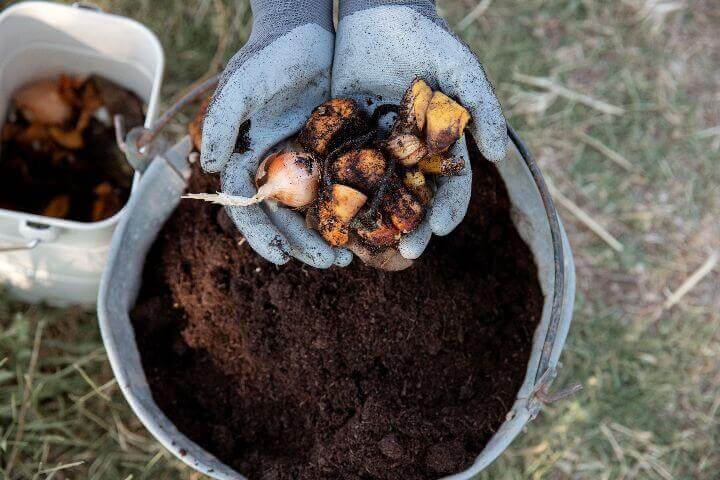
- Moisture Levels
Microbes need water to function. A compost heap should feel like a damp sponge.
- Too dry: the pile will stall.
- Too wet: oxygen levels drop and heat declines.
- Airflow and Oxygen Supply
Turning the pile introduces oxygen and helps maintain thermophilic activity.
Fresh air also prevents anaerobic (smelly) conditions.
- Pile Size and Structure
A compost pile needs at least 1 m³ to retain heat.
Smaller piles lose warmth too quickly. Structure is also important. Woody browns or straw create air pockets that help microbes stay active when heating compost.
Building a High-Heat Compost Pile Inside a Polytunnel
If you are planning on using compost to heat greenhouse or polytunnel structures, one option is simply to build a hot composting system inside.
- What You’ll Need
- Greens and browns
- Garden fork or compost aerator
- Water source
- Soil or finished compost as a microbial starter
- Insulation (straw bales, thick cardboard, old duvets)
- Compost thermometer
- Optional: a windproof cover for the heap
- Step-by-Step Method
- Choose a sheltered position inside the polytunnel, away from doors.
- Start with a bulky brown base such as straw or twigs.
- Layer greens and browns, keeping the 2:1 ratio in mind.
- Moisten lightly as you build.
- Add a microbial starter, such as soil or mature compost.
- Build up to a pile around 1 m³ in size.
- Insert a compost thermometer into the centre.
- Turn regularly to maintain airflow.
- Adjust moisture if the pile begins to cool.
- Insulate for winter with straw bales or cardboard.
During prolonged cold spells, some growers use supplemental heat from polytunnel heaters. But a well-managed compost pile will often maintain its own heat without extra support.
Creating Hot Beds Inside a Polytunnel
Hot beds use the same principle as hot composting but direct the heat into growing areas. A deep layer of fresh manure or green waste is placed beneath a raised growing bed or frame. As the material decomposes, it releases heat into the soil above. This warms the root zone, allowing earlier sowing of salad crops, herbs and hardy vegetables.
Hot beds work especially well in late winter and early spring when soil inside the polytunnel is still cold. They can maintain a gentle warmth for several weeks.
Heating a Polytunnel by Running a Pipe Through an External Compost Heap
Another traditional technique involves passing a length of pipe through a compost heap outside the polytunnel and routing it indoors. As the compost heats up, warm air or warm water moves through the pipe and adds a steady trickle of heat to the tunnel interior.
This method works best when:
- The external compost heap is very large.
- The pipe is well insulated.
- The flow is passive or assisted by a small pump (if using water).
It will not heat the entire structure, but it can help prevent frost pockets around overwintering crops.
How to Increase the Temperature of a Slow or Cooling Compost Pile
- Improving Aeration
Turning is the fastest way to raise temperatures. A compost aerator or fork works well. Adding twiggy browns also improves airflow.
- Moisture Adjustment
- If too dry: sprinkle water while turning.
- If too wet: mix in cardboard, straw or shredded paper.
- Shredding and Breaking Down Materials
Smaller pieces decompose faster and produce more heat because bacteria can access more surface area.
- Natural Accelerators
I often use:
- Comfrey leaves
- Nettle tea
- Fresh manure
- Or a few handfuls of soil
These boost microbial activity.
- Insulating the Pile
Straw bales, pallets lined with cardboard, or even an old duvet can help trap heat.
- Managing Ventilation in the Polytunnel
Good ventilation prevents condensation and mould but should not expose the compost heap to cold draughts. Balance is key.
For rapid heat recovery, see how to speed up composting. Answering the question of how long does compost take to heat up involves a wide range of variables, so it is something like asking the length of a piece of string…
Making the Most of Compost Heat Inside a Polytunnel
To get the greatest benefit from compost-generated warmth inside a polytunnel, it helps to position your heap thoughtfully. I usually place a compost pile close to the beds that need extra protection, but far enough from walkways and doors so it doesn’t interfere with access or allow cold draughts to strip heat away.
The gentle warmth produced by an active heap radiates into the surrounding soil and air, and even a shift of a few degrees can be meaningful for overwintering salads or young seedlings.
When space is tight, some growers opt for hot beds instead, which I think is a great idea where space is limited. Within a polytunnel, where the structure naturally buffers against wind and heat loss, a hot bed can raise soil temperatures enough to start early sowings long before the outdoor ground has warmed.
If you want to amplify the effect without bringing the heap indoors, an external compost heat exchanger is another useful option. By running a pipe through a large outdoor compost pile and circulating water or air through it, you can bring a steady trickle of naturally generated warmth into the polytunnel. It won’t dramatically lift the overall temperature, but it can noticeably reduce extremes.
Compost heat is most effective when paired with other passive winter strategies. Water barrels placed around the tunnel act as thermal mass, absorbing daytime warmth and slowly releasing it overnight.
Fleece covers stretched over crops add a further insulating layer, while deep mulches help stabilise the soil beneath.
In especially harsh weather, many gardeners combine these passive methods with short bursts of supplemental heating to protect tender plants. But even then, compost heat continues to play an important role, providing the slow, continuous warmth that maintains resilience across the coldest months.
Troubleshooting a Compost Pile That Will Not Heat Up
Common Causes:
- Pile too small
- Too much brown or green
- Overly wet or dry
- Poor airflow
- Cold weather slowing microbes
Quick Fixes:
- Rebuild into a tighter, larger heap
- Add a layer of greens
- Improve insulation
- Aerate well
- Drain excess liquid
Heating a polytunnel with compost is a simple and satisfying way to make winter growing more productive. By learning how compost heating happens, choosing the right materials and adjusting moisture and airflow, you can maintain a living heat source that supports crops throughout the coldest months.
Compost heating works best when combined with strategies like hot beds, insulation, thermal mass and thoughtful positioning. With a little practice, this natural approach can become one of your most reliable strategies to manage winter cold.
FAQs
How often should I turn hot compost?
You should turn hot compost every few days during peak heating, then once a week as the compost cools.
How do I get my compost to heat up?
To get your compost to heat up, use the right ratio of greens to browns, maintain moisture, turn regularly and build a pile of at least 1 m³.
How long does compost take to heat up?
Most compost heaps heat within 24–72 hours if conditions are right
How do you heat compost in winter?
To heat compost in winter, insulate the pile, add extra greens and keep moisture levels consistent.
How many days for compost to heat up?
Usually two to three days, though larger piles heat faster and stay warm longer.
What are two mistakes to avoid when preparing compost?
Two mistakes to avoid when preparing compost, include using piles that are too small and allowing the compost to become waterlogged.
How do you restart compost after winter?
To restart compost after winter, turn the pile, add fresh greens and moisten lightly to reactivate microbial activity.
Sources
Cornell University Composting Science and Engineering: https://compost.css.cornell.edu/physics.html