

As a sustainable and eco-friendly gardener, you will do doubt already do all you can to attract wildlife to your garden. Those with a wildlife-friendly garden will soon find out just how much animals can help us out with our gardening efforts.
But beyond the animals that naturally come to our gardens, could it be useful to keep other animals in your garden? Even in surprisingly small gardens, rearing certain animals might be an option for you.
You might keep animals in your garden as pets, for the yields they can provide, or simply for fun. In this guide we will talk through some of the practicalities and inspire you with a list of some animals that it might be possible for you to rear where you live.
Getting Started
The first thing to think about, of course, if you want to keep animals in your garden, is which animals are permitted where you live.
Check local regulations and bylaws, as certain animals may require permits. For example, keeping poultry may be subject to restrictions in some areas, particularly if you live in an urban setting. More restrictions will usually be in place for larger livestock.
The size of your garden will largely dictate which animals you can keep. Some animals, like bees or worms, require minimal space, while others, like pygmy goats or alpacas, will need much more.
Ensuring the health and well-being of any animals you keep is paramount. This means providing adequate shelter, food, water, and space, as well as regular veterinary care. Make sure before selecting animals for your garden that you are fully prepared, and can provide all that they need.
Consider, too, how introducing animals might affect your garden’s ecosystem. For instance, animals you keep can help control pests but might also dig up delicate plants or compact soil they will have a profound impact on what you can grow and surrounding vegetation.
Animal Housing And Other Considerations
Every animal you keep will require appropriate housing. This can range from simple worm bins to larger structures like coops, hutches, or stables. Here are some key points to consider:
- Shelter: Protect animals from the elements with well-ventilated, insulated housing. Ensure it’s secure from predators like foxes or rats.
- Feeding: While some animals, like chickens, will forage for food, most will need a consistent supply of appropriate feed.
- Water: Clean drinking water should always be available.
- Maintenance: Regular cleaning of enclosures and monitoring of animal health are essential tasks.
For those looking to use a polytunnel to house livestock, it’s worth exploring the unique benefits this can offer. Polytunnels uk can provide a warm, dry environment for chickens, rabbits, or guinea pigs and help extend the growing season for fodder crops.
How Animals are Helpful to Gardeners
Animals play a significant role in creating a thriving and productive garden. Their contributions go beyond their immediate presence, fostering a balanced ecosystem that benefits plants, soil, and even other animals. Here are some of the ways animals can be useful to gardeners:
Pollination
Pollination is one of the most critical processes in any garden, and bees are the primary pollinators.
By keeping bees or encouraging wild ones, gardeners ensure that fruits, vegetables, and flowers are adequately pollinated, leading to better yields and healthier plants. Butterflies and other insects also contribute to this essential task.
Pest Control
Pest control is another major benefit of having animals in the garden. Birds, frogs, and ducks naturally reduce populations of harmful insects, slugs, and other pests that can damage crops.
Chickens are particularly effective at keeping pests in check, as they will eat bugs, larvae, and even small rodents. This reduces the need for chemical pesticides, making the garden more sustainable.
Improving and Maintaining Soil Health
Soil health is greatly improved by the presence of animals like worms and chickens. Worms aerate the soil and break down organic matter into nutrient-rich compost, which enhances soil fertility and structure.
Chickens and pigs help by turning over the soil as they forage, which can prepare garden beds for planting.
The manure produced by many animals is also an excellent natural fertiliser, rich in nitrogen and other essential nutrients.
Weed Control
Weed management can also be achieved with certain animals. Geese and rabbits are known to graze on weeds, keeping them in check without damaging more established plants. This is particularly useful in larger gardens or areas where mechanical weeding is challenging.
Beyond these practical benefits, animals bring vitality and life to a garden, creating a more enjoyable and engaging environment. The presence of animals fosters a deeper connection to nature and promotes biodiversity. Whether it’s the hum of bees, the cluck of chickens, or the sight of fish gliding through a pond, animals add a dynamic element to any outdoor space.
By carefully selecting and managing animals, gardeners can create a harmonious and productive environment that aligns with sustainable and eco-friendly principles. Animals not only support the garden’s productivity but also enrich the experience of gardening itself.
15 Best Animals To Have In The Garden
Here are some of the best animals to consider keeping in your UK garden:
1. Honey Bees
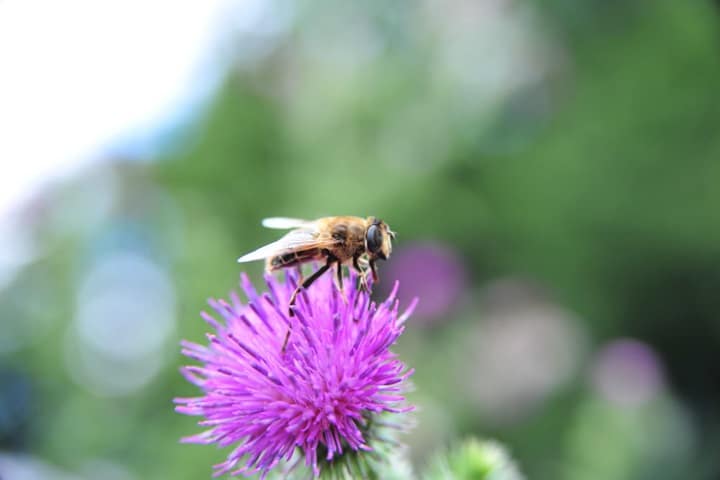
Keeping bees is an excellent choice for eco-conscious gardeners. Bees not only produce honey but also play a vital role in pollinating plants. To keep bees, you’ll need a hive and some basic equipment. Beekeeping courses are highly recommended to learn how to care for your colony.
A single beehive requires only a small corner of your garden, ideally in a sunny, sheltered spot away from high traffic areas.
2. Worms
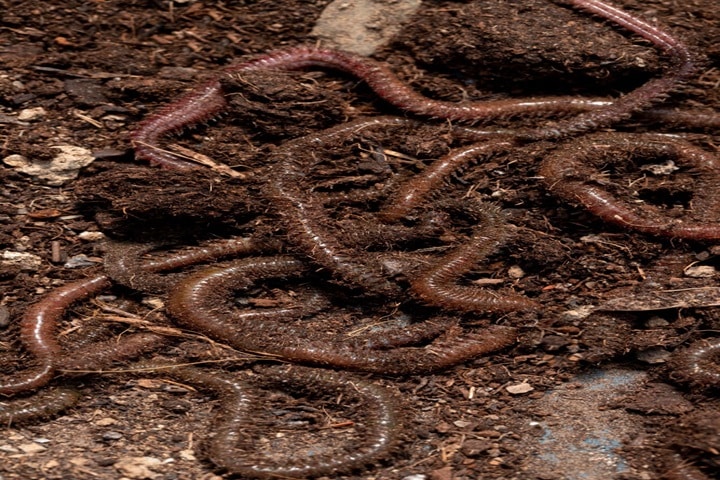
Worms are incredibly beneficial for composting organic waste and improving soil health. Vermicomposting bins are compact and ideal for even the smallest gardens. Worms will convert kitchen scraps into nutrient-rich compost to use in your garden beds.
A worm bin can be as small as 1 square foot, making it perfect for patios or balconies. Though you should size a wormery according to your household needs – learn how to make a wormery.
3. Fish
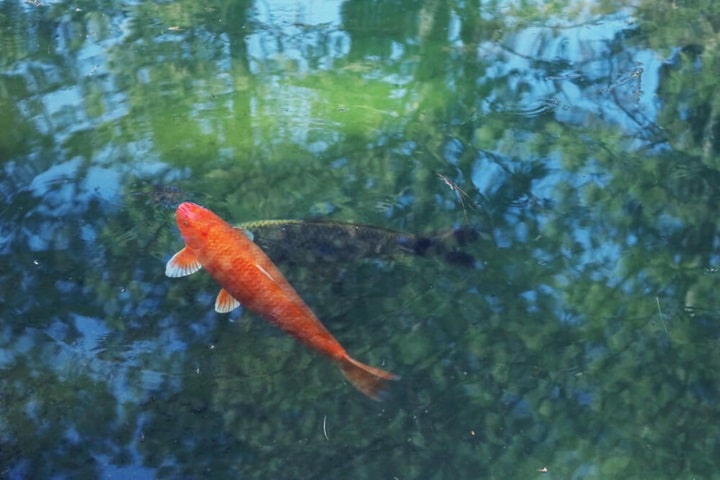
UK pond fish, such as goldfish or koi, can add aesthetic appeal and help maintain a balanced ecosystem. You might even consider rearing fish as part of an aquaponics system, in which the fish provide fertilizer for plants in a hydroponic system, and plants clean and oxygenate the water for the fish.
A small pond of around 1.5m x 1m can support goldfish, while koi require larger ponds of at least 3m x 2m and a depth of 1m.
For those considering an aquaponics system, tank size is critical. Smaller setups for herbs and leafy greens might only need tanks of around 100 litres, while larger systems incorporating fruiting plants will require tanks of at least 500–1,000 litres to maintain a balanced ecosystem.
4. Chickens
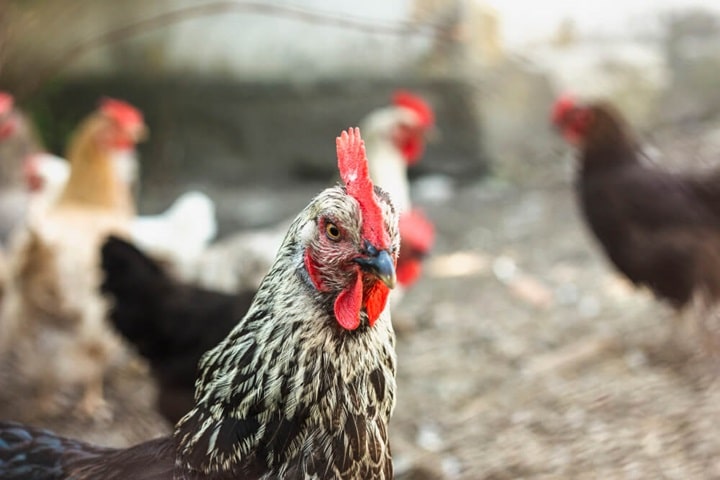
Chickens are among the most popular animals to keep in UK gardens. They provide fresh eggs, help control pests, and their manure is excellent for compost. You’ll need a secure coop and run to protect them from predators like foxes.
Each chicken requires at least 1 square metre of coop space and 4-5 square metres for an outdoor run.
5. Ducks

Ducks are another great option for egg production and pest control. They’re less likely than chickens to scratch up garden beds but will need access to water for bathing. A small pond or kiddie pool will suffice.
Ducks need 2-3 square metres of outdoor space per bird, plus access to a water source.
6. Geese
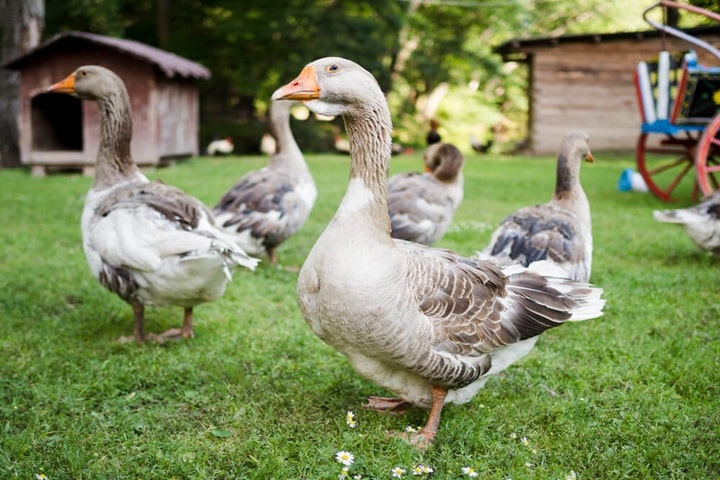
Geese can serve as excellent guards for your garden while also providing eggs and, in some cases, meat. They are particularly effective at weeding and grazing on grass so can be an alternative to a lawn mower.
Each goose requires at least 10 square metres of grazing area, however, so you will need a large garden.
7. Quail
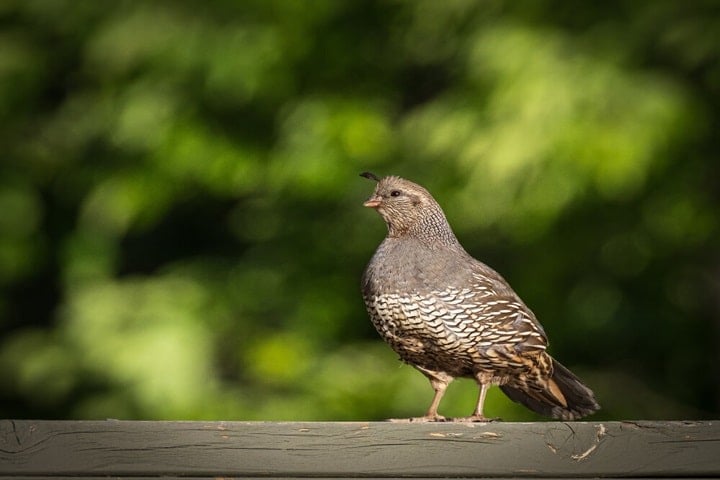
Quail are a compact alternative to chickens and produce small but delicious eggs. They require less space and can often be kept in aviary-style enclosures.
Quail need around 0.2 square metres per bird in a secure aviary.
8. Rabbits

Rabbits can be kept as pets or for their manure, which is a fantastic addition to compost. They can also help clear weeds in certain areas. However, they require secure housing and should not be allowed to roam freely in the garden.
A rabbit hutch should be at least 1.8m x 0.6m, with a secure run providing 2-3 square metres of outdoor space per rabbit.
9. Guinea Pigs
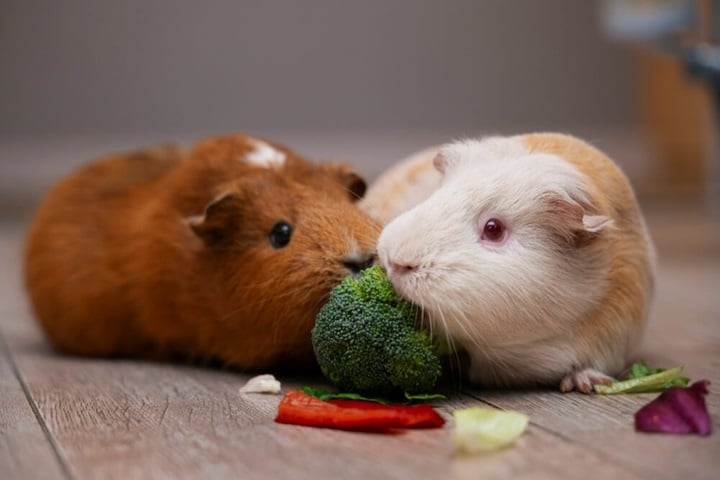
Guinea pigs are another small, manageable option for a garden. They’re mainly kept as pets but can also be used for meat. They also help trim grass and eat certain garden weeds. They require a hutch and secure outdoor area for exercise.
A guinea pig needs a hutch of at least 1.2m x 0.6m and an exercise run of around 2 square metres.
10. Pigs
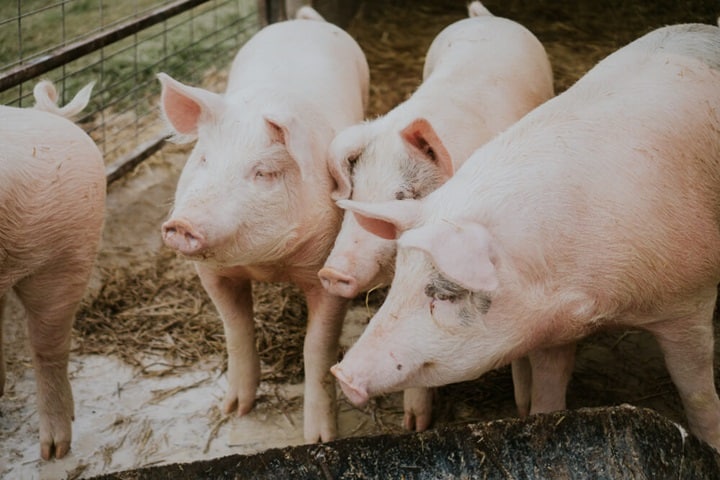
Miniature or small breeds of pigs can be kept in larger gardens. They’re excellent for turning over soil and clearing vegetation. However, they require significant care and robust fencing.
Miniature pigs need a minimum of 50 square metres each, with access to shelter and a mud wallow.
11. Pygmy Goats
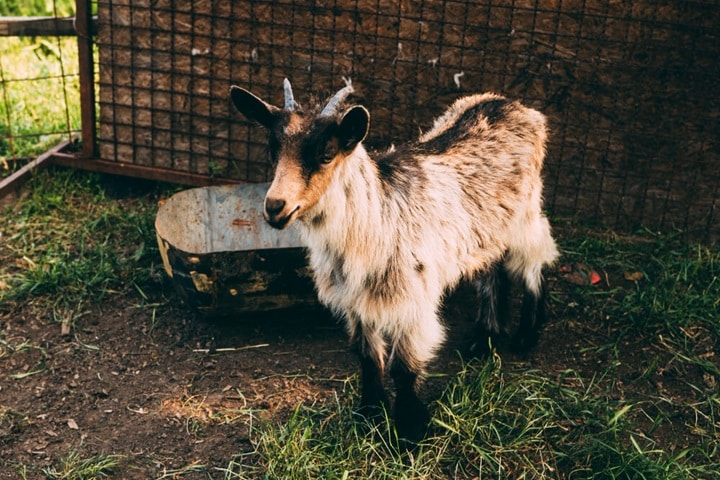
Pygmy goats are entertaining and useful animals that can help clear weeds and provide milk. They can also be reared for their fur. They require sturdy fencing and enough space to roam and climb.
Each goat requires around 20-30 square metres of outdoor space, plus a secure shelter.
12. Sheep

Smaller breeds of sheep can help with grass management and provide wool. They require ample space and secure fencing, along with regular shearing and hoof care.
Each sheep needs at least 200 square metres of grazing land and you will need to keep at least three sheep since these are not generally animals that can cope well with isolation.
13. Alpaca

Alpacas are gentle animals that provide soft fleece and can help guard smaller animals like chickens. They require a decent amount of space and a companion, as they are social animals.
Alpacas need around 500 square metres of grazing space per animal.
14. Ponies
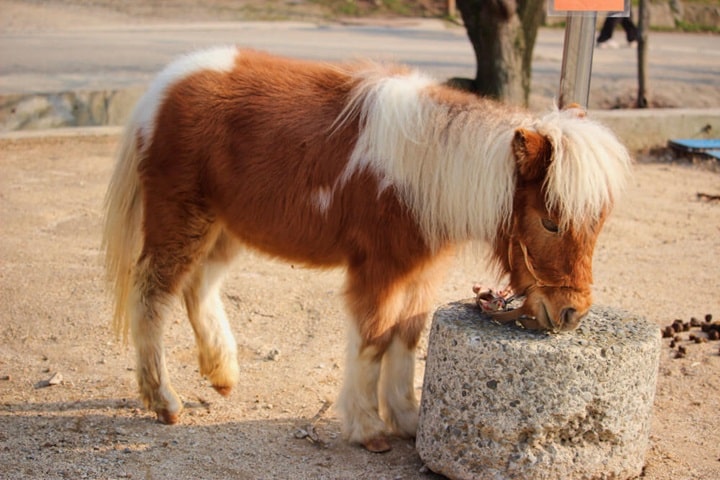
For those with larger gardens or smallholdings, ponies can be a rewarding choice. They’re primarily kept for companionship and require a lot of care, including regular hoof trimming and dental checks.
A pony requires at least 0.5 hectares of grazing land per animal.
15. Cattle
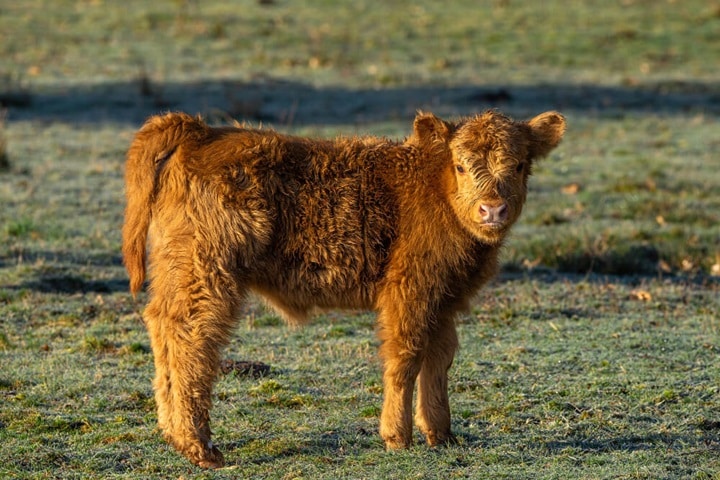
Miniature cattle breeds can be kept for milk or meat. They require significant space, proper shelter, and robust fencing. Cattle also demand a higher level of care and regular veterinary attention.
Miniature cattle need at least 1 hectare of grazing land per animal.
Keeping animals in your garden can enhance your gardening experience, provide valuable yields, and contribute to a sustainable lifestyle. From small creatures like worms and bees to larger animals like pygmy goats and alpacas, there are options to suit every space and level of commitment. With careful planning and proper care, garden animals can be useful and fun additions to your outdoor space. Invest in a large fruit cage to ensure your plants stay safe with the new wildlife in your garden or take it a step further with bird nets!
FAQs
u003cstrongu003eAre there any smaller animals suited for garden life? u003c/strongu003e
Yes, smaller animals like worms, bees, quail, and guinea pigs are well-suited to even modest garden spaces. They require minimal space and can provide significant benefits to your garden ecosystem.
u003cstrongu003eHow can I ensure my garden animals are safe and healthy? u003c/strongu003e
To keep animals safe and healthy, provide secure housing, proper nutrition, and regular veterinary care. Always check for signs of illness or distress and address any issues promptly.
u003cstrongu003eWhat should be considered when keeping animals near vegetable plots or polytunnels? u003c/strongu003e
Keep animals away from delicate crops to prevent damage. Ensure good hygiene practices to avoid contamination, especially when using manure as fertiliser. If using a polytunnel, make sure it’s well-ventilated to prevent overheating.
u003cstrongu003eCan I keep fish in my garden? u003c/strongu003e
Yes, fish can be kept in garden ponds, which enhance biodiversity and help control pests like mosquitoes. Ensure the pond is well-maintained and deep enough for the fish to thrive year-round. They can also be kept as part of an aquaponics system.
Sources
GOV.UK. (2024) Keeping sheep and goats in England. [online] Available at: https://www.gov.uk/government/collections/keeping-sheep-and-goats-in-england [accessed 07/01/2025]