

Organic gardening is essential. Not only is it unhealthy and expensive to use harmful pesticides and herbicides, these and other harmful gardening practices contribute to our current crises of climate and biodiversity.
If you have not yet made the switch to organic growing, or wish to start growing for the first time, this guide should help you get off on the right foot.
Quick Facts
Organic gardening is a holistic approach which involves working with nature. It is about more than just the avoidance of certain chemicals in the garden, though avoiding those things is a good place to start.
Tools Needed
One important thing to understand is that gardening organically reduces the list of things that you will need to purchase for your garden. You will still need most of the same basic tools that all gardeners need, but will not purchase any synthetic fertilizers, pesticides, slug-pellets, weed killers or other such products.
As you learn more about organic gardening, you will learn about working with nature, and how much of what you need for a successful garden the natural world around you can provide.
Why Garden Organically?
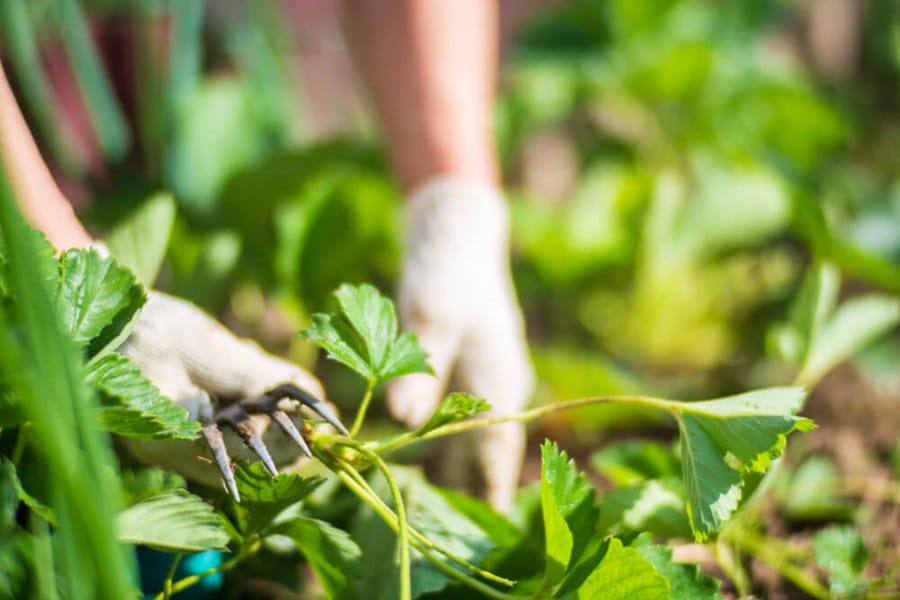
There are many reasons, both environmental and personal, to garden organically. By choosing to avoid the use of harmful herbicides and pesticides in your garden, you will reduce your carbon footprint, reduce environmental pollution, help to preserve the precious ecosystems in the soil and ensure the welfare of local wildlife.
Pesticides and herbicides have been shown to have a detrimental effect on pollinating insects such as bees, birds and other animals. They disrupt the food chain and disrupt a number of different natural cycles.
What is more, pesticides and herbicides are also harmful for human health. Scientists have discovered many links between the toxins that are commonly sprayed on our food in the West and a whole range of health problems.
Organic food is far better for you. A polytunnel can make it much easier to grow organic produce, and can mean that you always have a ready supply of healthy food throughout the year.
Top 10 Tips for Organic Growing
1. Soil Fertility Comes First
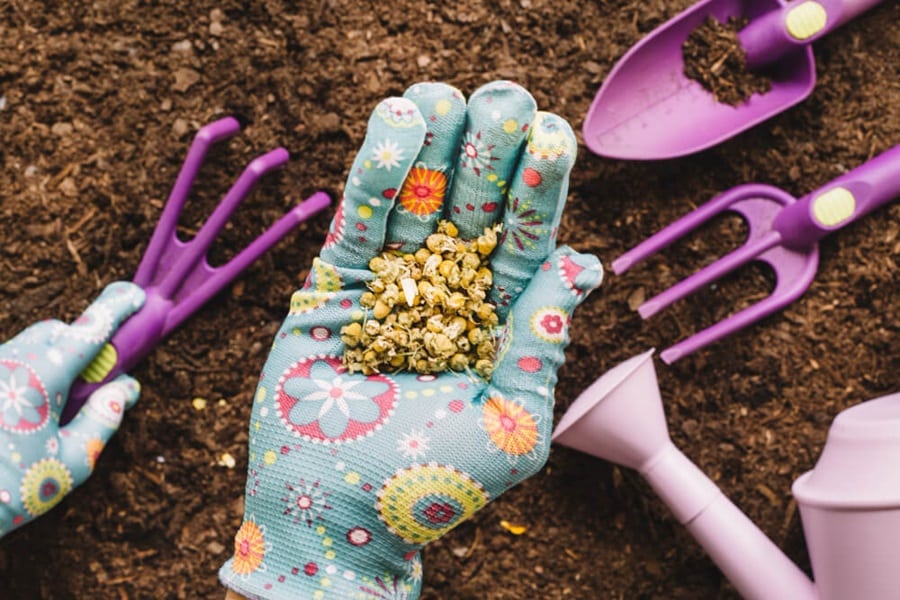
One of the biggest mistakes made by novice gardeners is underestimating the importance of the soil. The soil in your garden is essential to your success. Soil is far more than just dirt, it is a living ecosystem that teems with life.
Protecting the Soil
No dig gardening is all about taking care of the soil, maintaining it, and even improving it over time. This is a practical approach to organic gardening. It involves leaving the soil in your garden as undisturbed as possible.
It is, of course, almost certain that you will still dig in your garden at some point or another – to make planting holes, for example, or to unearth potato tubers.
But no dig gardening differs from more ‘traditional’ gardening in that it does not involve digging in order to aerate the soil, or to incorporate organic matter into it to improve fertility or soil texture.
Building Soil Fertility
Instead, in a no dig garden, soil is largely built and improved by layering organic matter and other compostable materials on the soil surface, and through the careful selection and placement of certain specific plants.
One important system for any garden is a composting system. So if you wish to be an organic gardener, you need to decide on and set up a composting system right away.
2. Pest and Disease Control: Biodiversity is Key
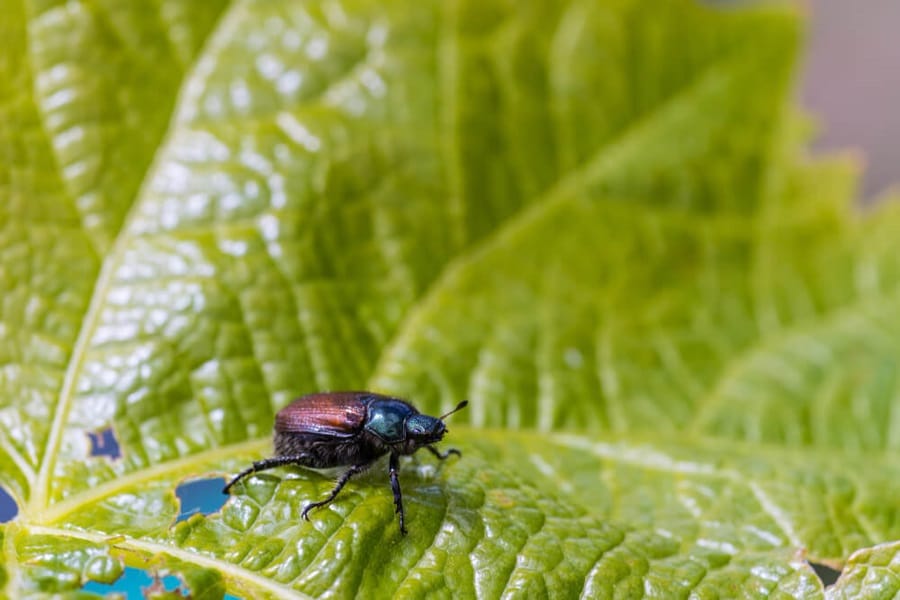
Far and away the best thing to do to keep pests in check in an organic garden is to do what you can to keep nature’s balance intact. When the balance is intact, pest species tend to remain in small numbers only, making any problems small ones.
Diverse planting schemes designed to attract beneficial wildlife are key. When planting for pest control, good biodiversity is key. Companion planting is a way to create diverse garden beds, with as many beneficial plants as possible. Many beneficial plants are chosen for their pest control qualities.
Crop rotation and careful layout and planting plans, and taking care to choose the right plants for the right places, are also all key strategies for holistic, organic pest and disease control. Pesticides are never the answer – even organic ones can do more harm than good.
3. Organic Matter Matters
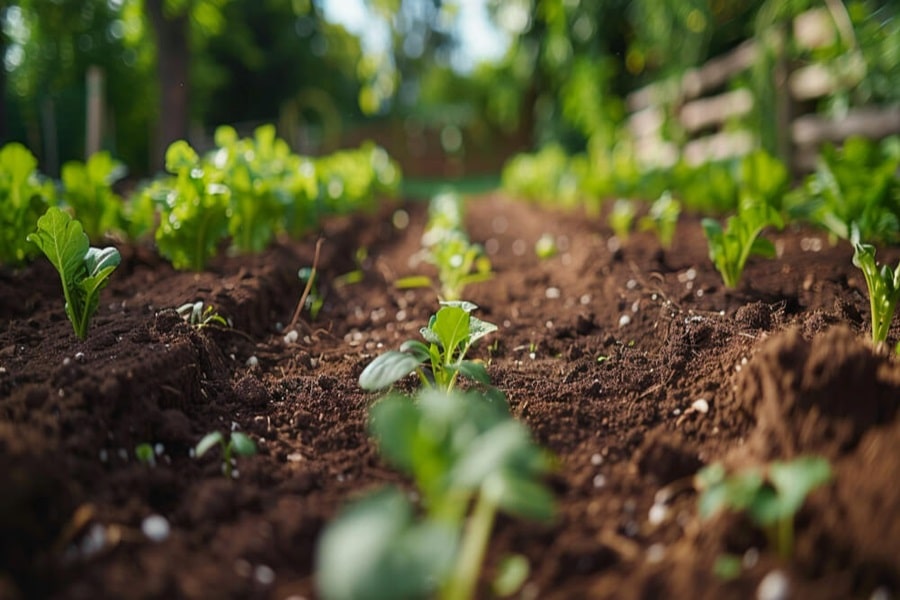
Wherever there is bare soil in your garden, you should largely aim to have either living plants, or dead plant material in the form of mulch. Using organic matter is one of the cornerstones of organic growing.
Organic matter is material derived from living plants and animals – either their own tissues after death, or material that has come from living beings during their lives. Leaves from plants and other plant tissues, complete and partially decomposed in the form of compost etc… animal manures and vegetable scraps are just some examples of materials of this kind that we can use in our gardens.
We can obviously use organic matter as mulch, but we can also make use of organic matter as mulch, to cover and protect the soil, conserve water and suppress weed growth to a degree, and can even use it to make new, layered raised beds where materials can compost in place, such as lasagna beds and hugelkultur mounds, for example.
Organic matter can also be used to make organic liquid plant feeds such as a comfrey tea, nettle feed or compost tea, for example.
Learning how to use organic matter in your garden is one of the most important things for any organic gardener to learn.
4. Weed Control: Weeds are not the Enemy
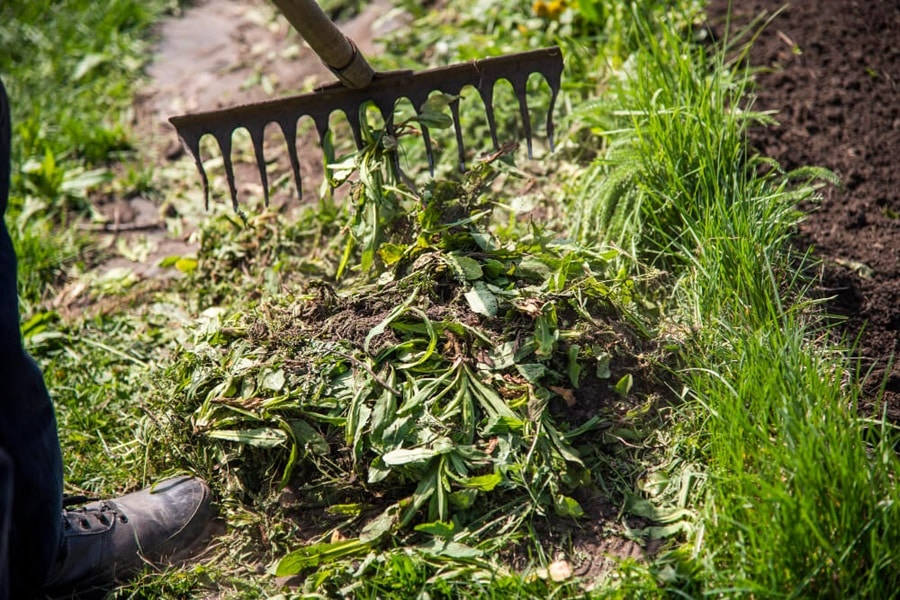
Many new gardeners make the mistake of thinking that they are in a fight against weeds in their gardens, and need to wage war against this ‘problem’. But in an organic garden it is important to recognise that weeds are not the enemy – and these wild plants can often confer a range of benefits when we allow them to grow in certain parts of our gardens.
Organic Weed Control Options
Of course, just because weeds can be beneficial that does not mean that we want to simply leave them to grow in every situation.
We can often:
- Consider weeds as additional crops in their own right.
- Keep weeds in place as companion plants.
- Or retain weeds as ground-cover plants or cover crops.
Even if, due to competition or lack of space weeds do have to go, that does not mean that they cannot still be of use. You can:
- Chop and drop annual weeds.
- Add weeds to your composting system.
- Or make an organic liquid plant feed.
5. Observation is Key: Know Your Garden
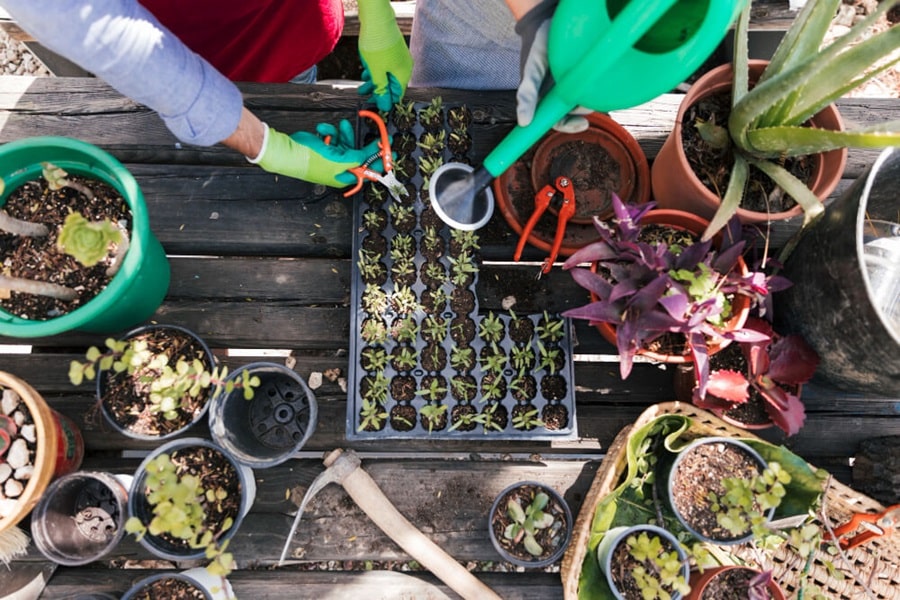
To become a successful organic gardener, one of the most important things to remember is that you need to know your garden, and the first stage in that is to hone your skills of observation.
Simply spending time getting to know your garden and the plants and animals that call it home is one key ingredient in creating a successful organic garden.
To build a firm foundation for all your efforts, you need to do the groundwork to understand all the patterns and cycles that shape your space, beginning with looking at sun and shade, wind, water and soil, and working from there.
6. Choose the Right Plants for the Right Places
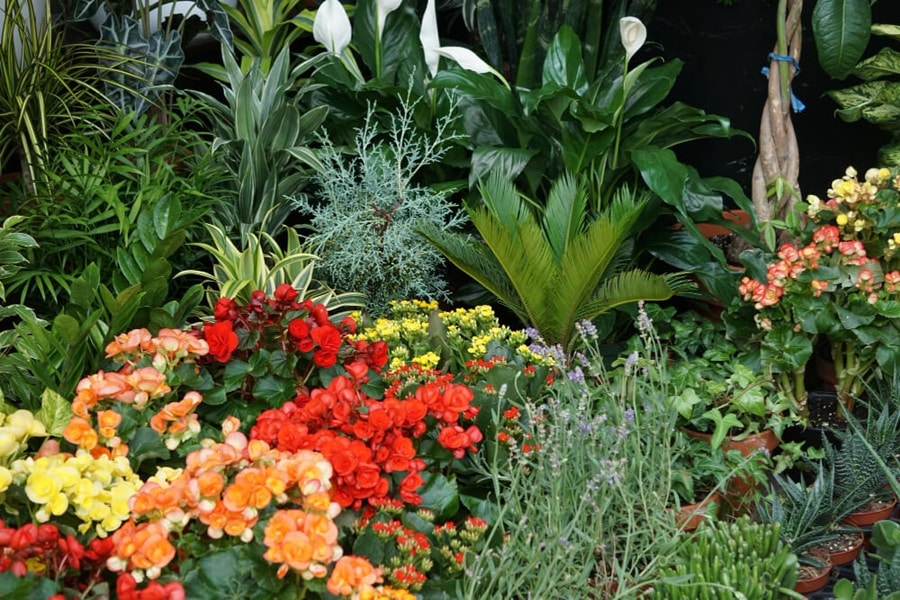
Many of the problems faced by new gardeners or by those converting to organic gardening arise because they have not taken the time to do a spot of matchmaking. It is always very important to match a certain growing area with plants suited to the growing conditions that spot provides.
When selecting plants for any site within a garden, we need to think about the growing requirements it has, and whether we can meet those requirements in that location.
Remembering this one simple thing can help us to avoid a huge number of potential problems in an organic garden.
7. Create Polycultures not Monocultures
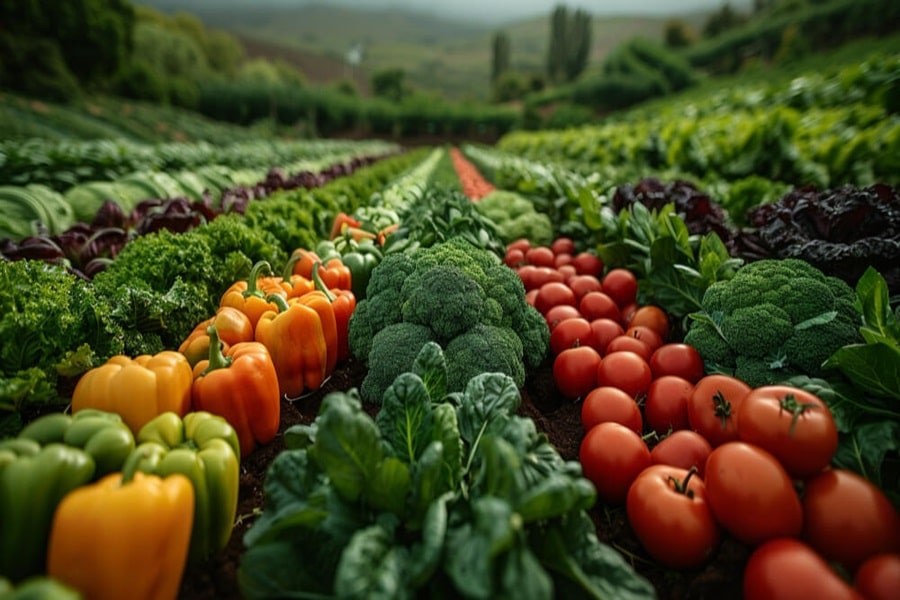
Another thing to remember when choosing any plants for an organic garden is that any choice we make should also be made with reference to other plants growing close by.
No plant grows in isolation and we should think about creating habitats or ecosystems, rather than placing plants individually. With every planting scheme we should aim to combine as many different plants as possible (wisely of course) to create polycultures, not monocultures like grass-only lawns.
Companion plants can aid one another in a wide range of different ways and polycultures are more stable and resilient – more likely to persist over time. Creating polycultures are one of many ways that organic growers can benefit from integrating rather than segregating, and also how they can avoid putting all of their eggs in one basket.
8. Don’t Waste Anything – Create and Nurture Cycles In Your Garden
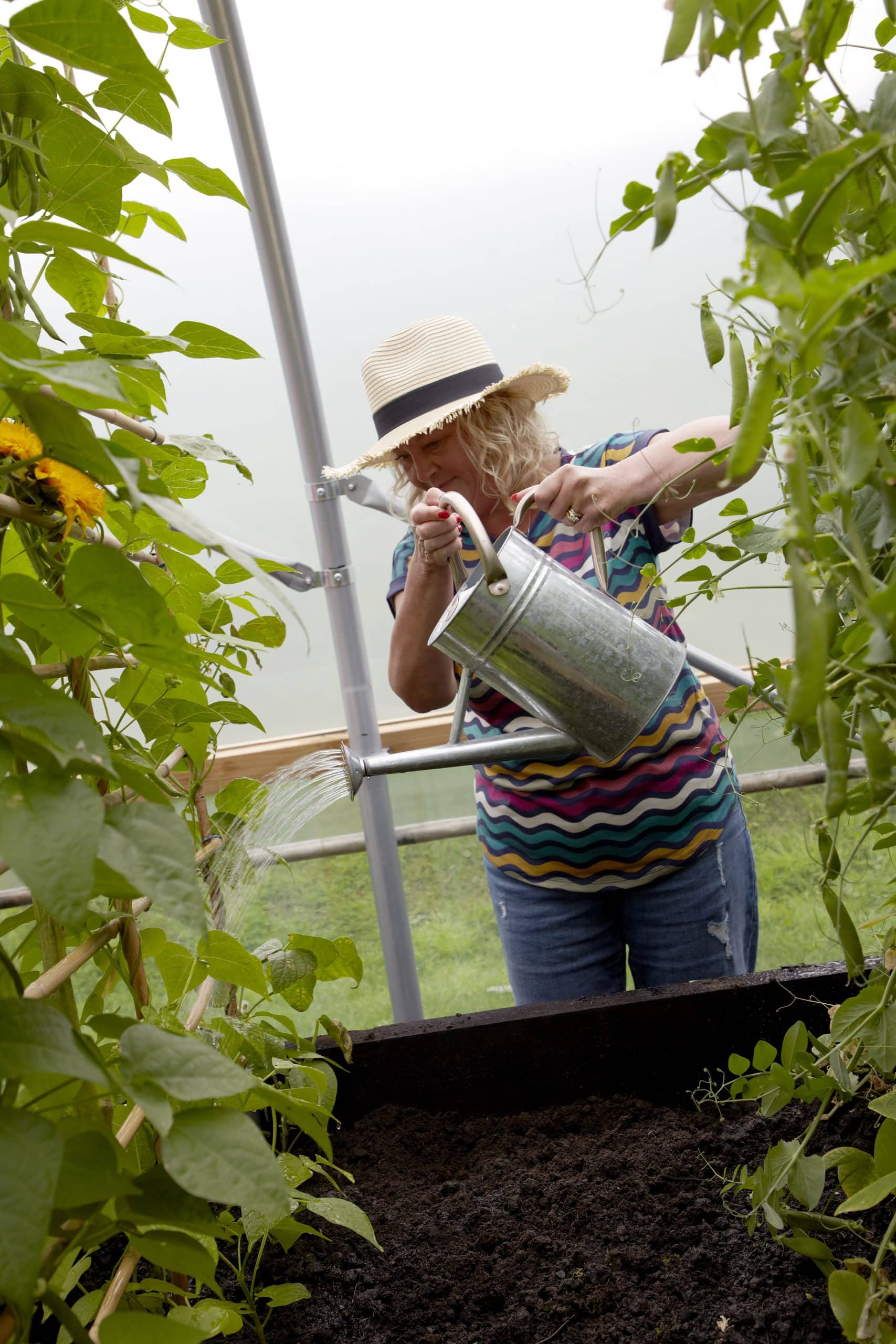
Don’t waste energy – make the most of sunlight though maximising photosynthesis, and make sustainable choices when it comes to all energy use in your home and garden.
Don’t waste water – mulch, manage water wisely, catch and store rainwater in butts or barrels, ponds, rain gardens and other such features and take steps to use less water to irrigate your garden.
Make the most of all the natural resources that your garden can provide. Compost, chop and drop as mulch, and find ways to use what you already have before you buy anything new. Embracing zero waste gardening is always crucial in an organic garden.
9. Make the Most of Space and Time
In any garden, there are two things that are not infinite and which are bounding factors for many – space and time. In an organic garden, it is important to try to increase yields as much as possible by making the most of both.
In organic gardening systems, it is important to make the most of space and time to get as much as we can from any given space. This involves taking steps to use marginal edge spaces, to use the vertical as well as the horizontal space, and to successionally sow and grow throughout not only the spring and summer but the whole of the year.
10. If At First You Don’t Succeed, Try, Try Again
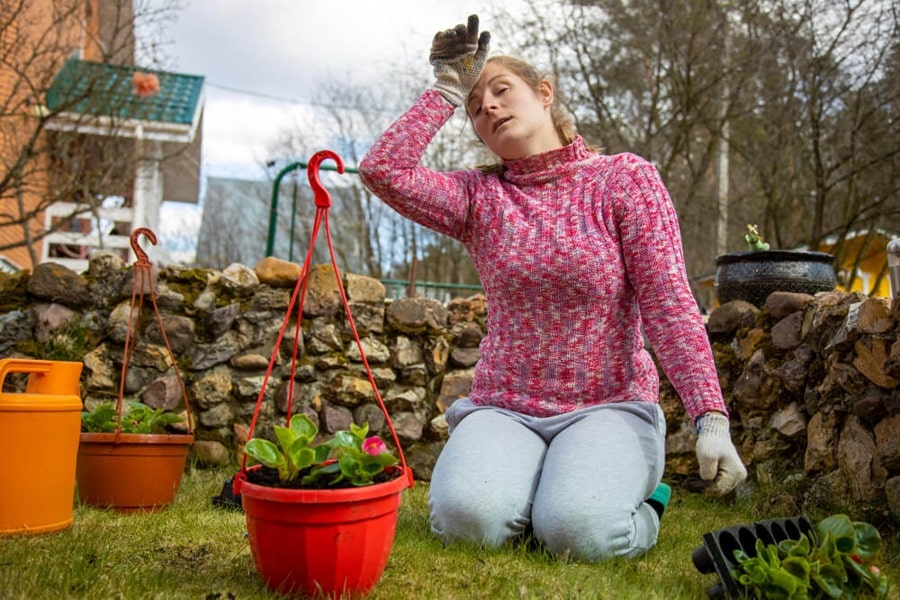
Last but not least, one of the most important things to understand about organic gardening is that everything won’t go exactly according to plan.
In an organic garden, nature is in charge, and while that is wonderful in many ways, it does leave a little less scope for human order and can bring a chaotic element at times.
Challenges
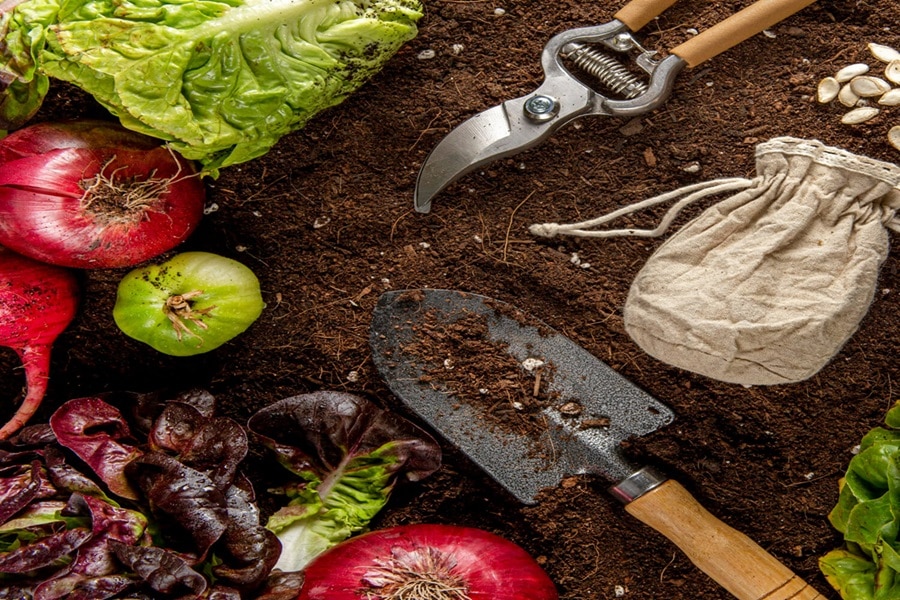
Organic gardens can have yields just as high if not higher than non-organic gardens. And while organic gardens often look ‘messy’ and wilder than the norm, this is not essential and organic gardens can look very similar to other gardens.
But the change in thinking they require can sometimes take some getting used to and people may sometimes be challenged by change, and resistant to some of the new approaches, which may be very different to their usual approach.
FAQs
How do I make my garden soil organic?
Soil in an organic garden is one of the most important things. Of course, organic soil management involves avoiding chemical fertilizers, pesticides and herbicides. To increase organic matter in the soil, we add mulches of organic matter such as compost, manure or leafy waste, and aim to disrupt the natural soil ecosystem as much as possible.
What are the 4 principles of organic agriculture?
Health – organic agriculture promotes the health of soil, plants, animals, humans and our planet.
Ecology – to emulate and help sustain ecological systems is a key principle of organic agriculture.
Fairness – to the environment and in terms of life opportunities for all involved.
& Care – for people and planet, now and for future generations.
What do you need for an organic garden?
A willingness to work with nature rather than fighting it. If you have that, everything else should slowly fall into place.
Sources
Rutter, T., (2024) What is hugelkultur gardening? Try something new in your raised beds this year. Homes and Gardens. [online] Available at: https://www.homesandgardens.com/gardens/what-is-hugelkultur-gardening [accessed 26/04/24]