

There is no right or wrong rule when it comes to gardening. However, for those new to this horticultural endeavour, understanding the right gardening tips for beginners can help you on your way.

Welcome to the world of gardening! Whether you’re just starting out or looking to refine your green thumb, our guide provides essential gardening tips for beginners. Learn how to start gardening with confidence as we cover the basics of garden planning, planting techniques, and routine care. From understanding your hardiness zone to choosing the right soil, we’ll help you grow a thriving garden that brings joy and beauty to your home.
Gardening is an enjoyable and fulfilling activity. Imagine the delight of consuming your own home-grown produce or enjoying a dinner outside, engrossed by the aroma of flowers and herbs you’ve grown yourself. Starting a garden can seem daunting, but with our article, you’ll learn the essential gardening tips for beginners to cultivate a beautiful and thriving garden.
1. Gardening Know How
Before planting, get familiar with your garden layout —whether it’s south-facing or north-facing—as this will influence which plants will thrive the most.
Sunlight exposure is crucial for plant growth, so knowing where the sun shines in your garden is a crucial step in how to start gardening.
Additionally, soil type plays a significant role in your gardening success. Observe existing vegetation; for instance, camellias or magnolias suggest acidic soil.
If these plants are absent, your soil might be more alkaline. Performing a soil test provides a clearer picture, helping you choose plants suited to your soil’s conditions.
2. Garden Planning
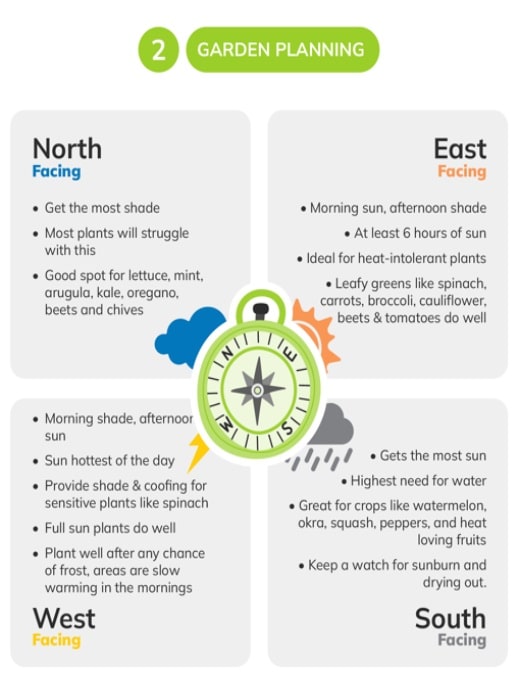
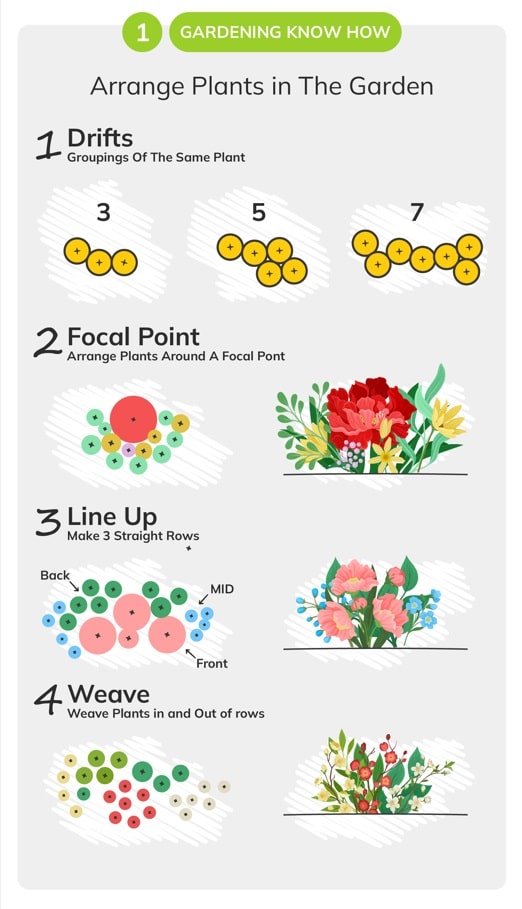
Knowing about garden planning is crucial with gardening for beginners. Instead of impulsively buying plants at a nursery, take time to sketch out your garden space. Decide what goes where based on the plant’s needs and your aesthetic vision.
This method prevents a chaotic arrangement and ensures each plant complements the other, both in beauty and growth requirements. Use colour and structure strategically to create a visually appealing garden all year round.
For further advice about garden planning:
3. Hardiness Zones Types
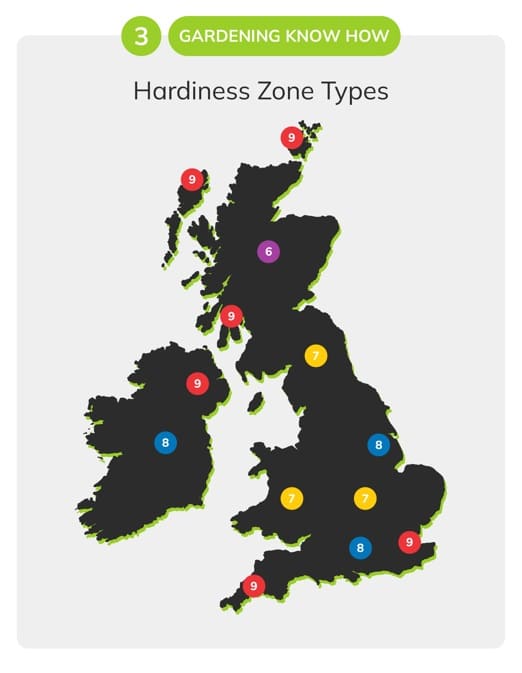
Understanding the concept of hardiness zones in the UK is important for selecting plants that will survive in your climate. These zones indicate the minimum temperatures a plant can withstand; knowing your zone helps in choosing the right plants and is a vital gardening tip for beginners.
4. Frost Dates
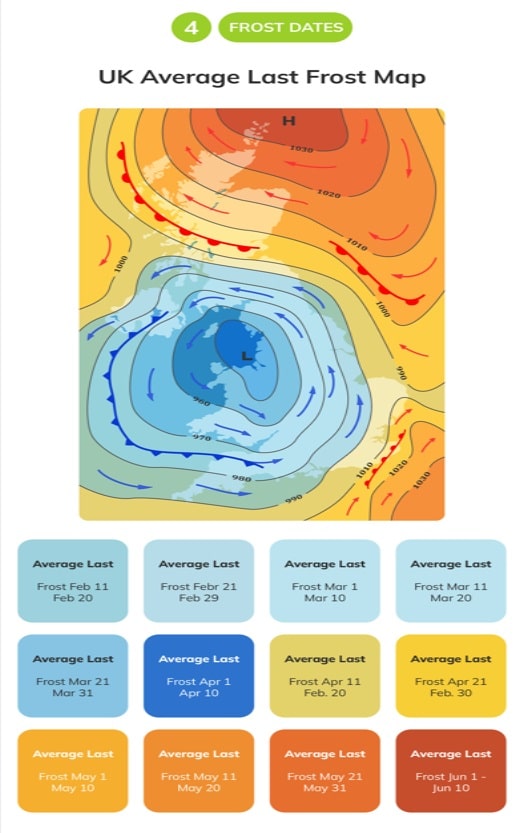
Equally important are the local frost dates. Planting before the last spring frost or after the first fall frost can damage plants. Familiarise yourself with these dates to avoid premature planting or late harvesting, which can be detrimental to your garden’s health.
5. Knowing How To Plant
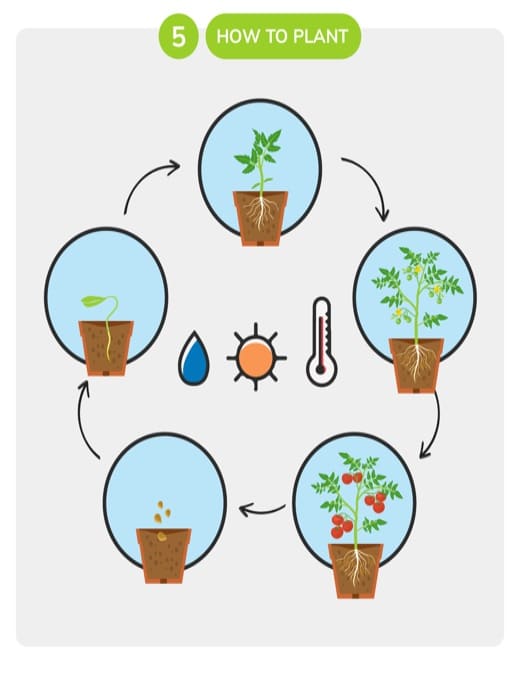
When it comes to planting, knowing the right techniques can make a significant difference. Start by clearing the area of weeds and improving the soil with necessary aids like mulch (see more below) or fertiliser. This preparation ensures your plants have the best start.
When planting, follow specific guidelines—such as not planting too deep or too shallow—to ensure root health and plant stability.
Keep up to date with our planting tips from our polytunnel gardening blog.
6. Regularly Watering and Feeding Plants
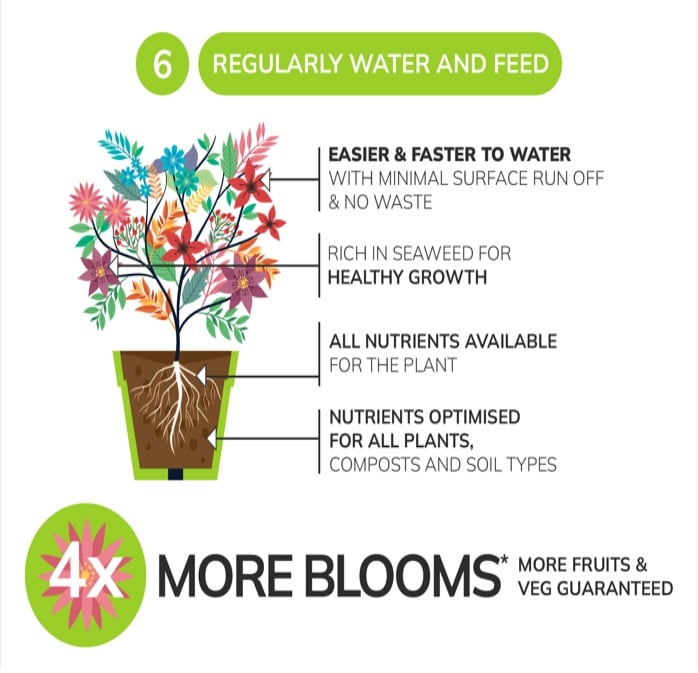
Proper watering is crucial in gardening, especially for beginners learning how to start gardening. It’s important to target the root ball when watering, as roots are the main absorbers of moisture. A deep, weekly watering is more beneficial than light daily sprinkles, as it ensures water penetrates deep into the soil, reaching the root system. This method encourages roots to grow deeper, which helps plants become more resilient and healthy.
Feeding plants is equally vital. During the growing seasons of spring and summer, fertilising every two weeks can significantly boost plant health and productivity. However, plants in containers may require more frequent feeding due to their confined environment and limited soil nutrients. Select a balanced fertiliser that matches the specific needs of the plants you are growing, as this will support their growth without overwhelming them with unnecessary chemicals.
For information regarding seeds, try these articles:
7. Adding Mulch
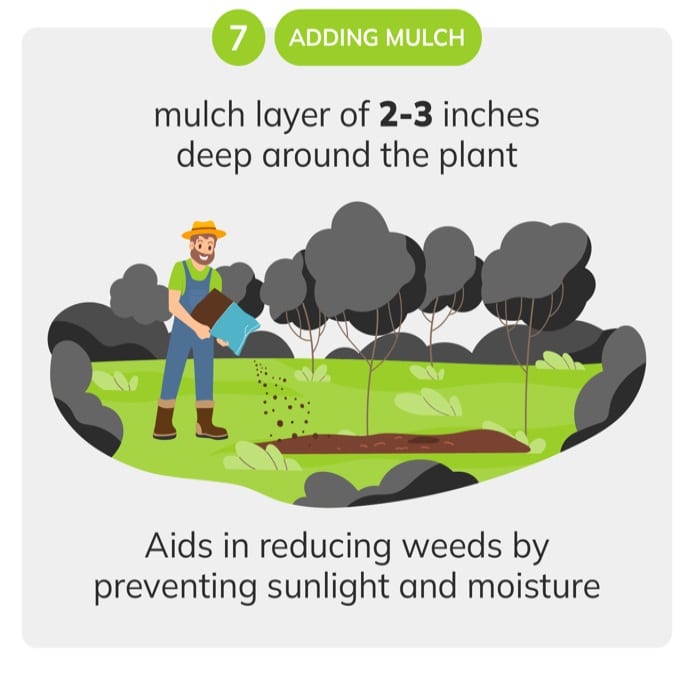
Mulching is a highly recommended practice in gardening tips for beginners. Applying a 2 to 3-inch layer of mulch around plants helps to suppress weeds, retain soil moisture, and regulate soil temperature. Organic mulches, such as straw, shredded leaves, or pine straw, not only add a neat appearance to your garden but also gradually break down to enrich the soil with nutrients.
8. Start Small
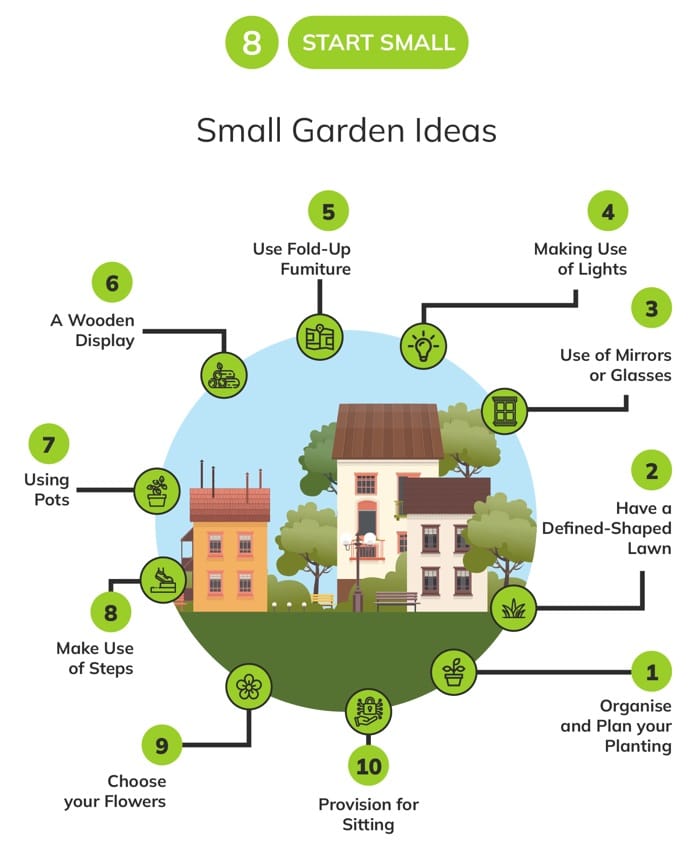
For those wondering how to start gardening effectively, it’s best to begin with a manageable area. Resist the urge to overhaul your entire space at once. Start with a small section or a few containers, allowing you to focus on getting things right and expanding as you gain more experience. Using barriers like cardboard or black plastic can help control weeds in areas that are not yet cultivated, making your gardening journey less daunting.
9. Container Planting
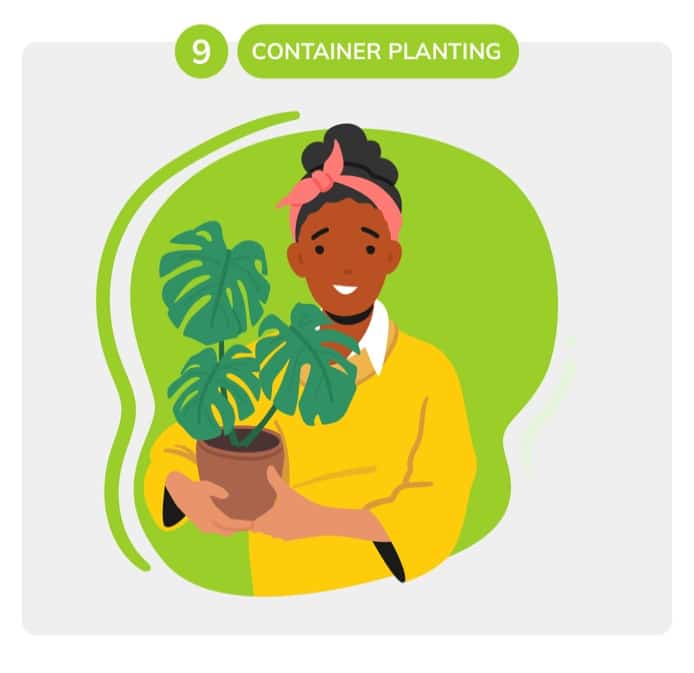
Container planting is an excellent solution for gardening in limited spaces. Pots allow you to grow a variety of plants, from vegetables and herbs to ornamental flowers and even small fruit trees. Ensure each container is adequately sized for the plant it houses and use a high-quality potting mix like a moisture-control blend, which prevents over- and under-watering by maintaining ideal moisture levels within the soil.
10. Using the Right Soil
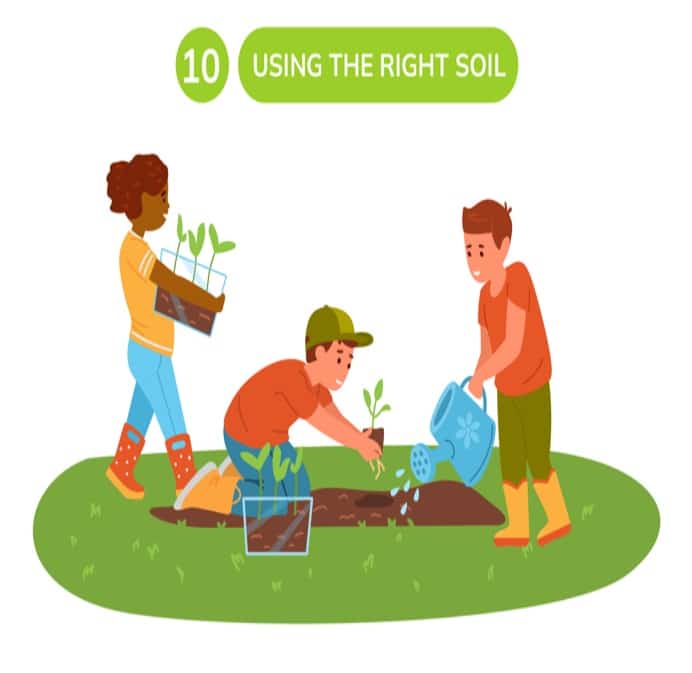
A common piece of advice in gardening tips for beginners is to invest in high-quality soil. For in-ground planting, improve your garden’s existing soil by incorporating several inches of enriched garden soil, which improves texture and fertility.
If using raised beds, opt for a specially formulated raised bed soil that provides the perfect balance of drainage and nutrient retention, essential for robust plant growth.
11. Ward Off Pests
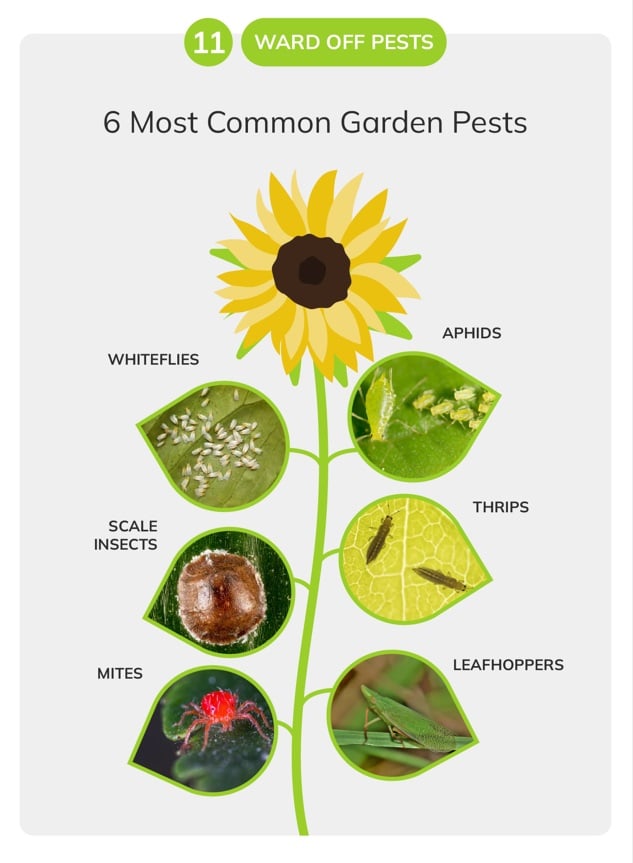
Understanding pest control is crucial when following these gardening tips for beginners. While most garden pests are harmless and controlled naturally by predators, vigilance is necessary to prevent an infestation.
Regularly inspect your plants for signs of pests like aphids, slugs, and snails. If you notice an increase in pest activity, take prompt action to mitigate damage. Utilising natural pest control methods not only keeps your garden healthy but also supports local biodiversity.
12. Using Compost
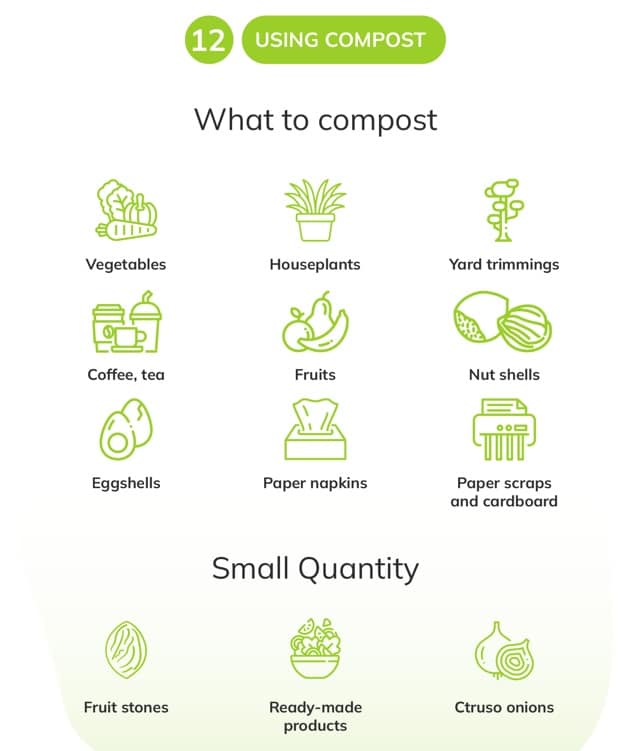
One of the most effective gardening tips for beginners is to use compost. Composting kitchen scraps and garden waste reduces landfill use and provides your plants with rich, organic material.
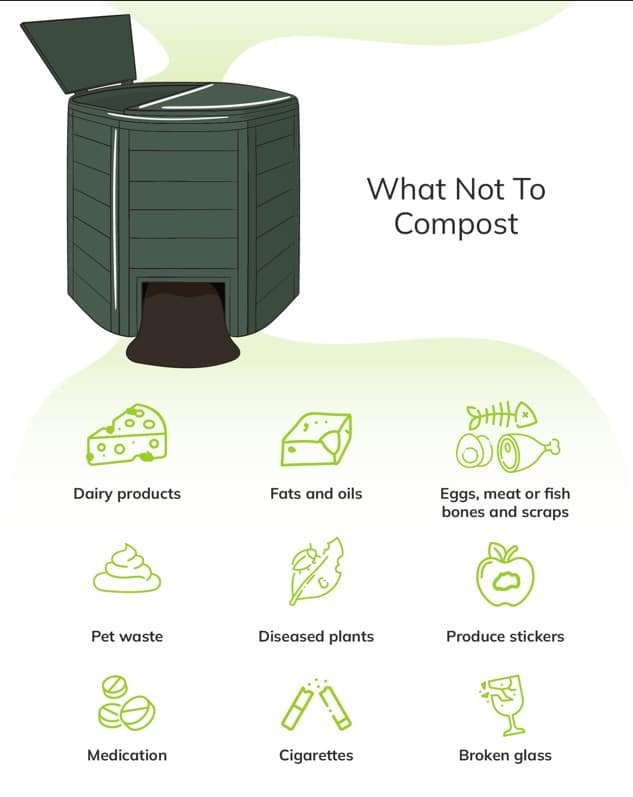
Allow your compost to decompose for about a year; then use it as mulch around your plants. This practice will enhance soil fertility and structure, promoting healthier plant growth and sustainability in your garden.
13. Pruning Methods
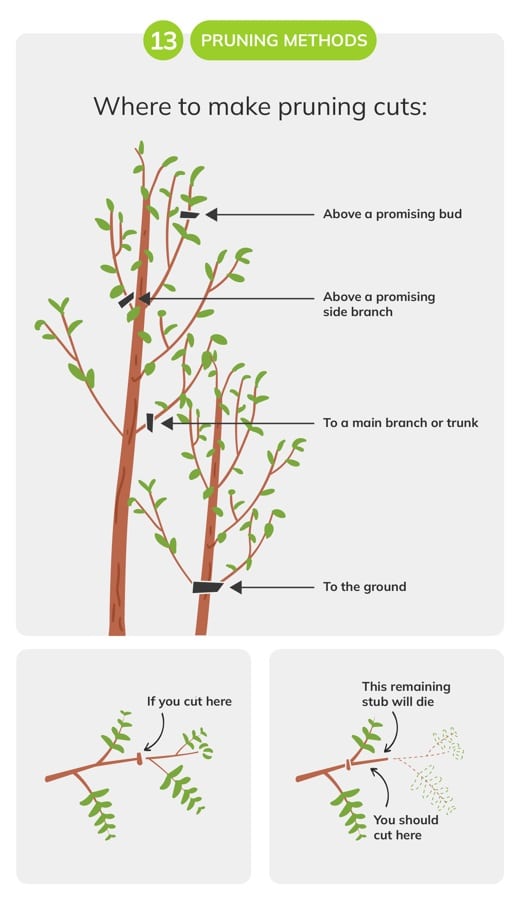
Pruning might seem intimidating at first, but it’s a vital skill in how to start gardening. Proper pruning helps maintain plant health and enhances flowering and fruiting. The key is to prune at the right time and in the right way. For guidance, consult resources such as our top of the crop guides.
14. Bring In Wildlife
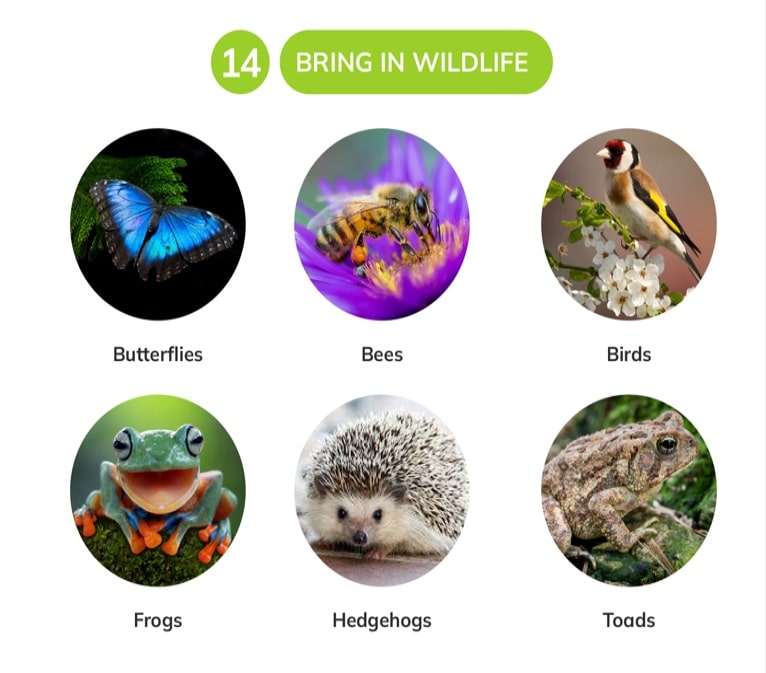
Integrating wildlife into your garden is one of the more joyful aspects of gardening tips for beginners. Contrary to seeing wildlife as pests, embracing their presence can be beneficial.
Birds, for instance, help control insects by eating aphids, slugs, and snails. Bees are crucial for pollination, improving your garden’s productivity and health. Create habitats such as bird feeders or small ponds to attract and support these helpful visitors, making your garden a vibrant ecosystem.
Look more about wildlife in the garden with these guides:
15. Enjoy Gardening
The ultimate tip in gardening tips for beginners is to enjoy the process and the results. Take time to relax in your garden; create a seating area where you can appreciate the beauty and tranquillity of your outdoor space. Plant colourful borders visible from your windows and set up bird feeders to observe wildlife.
Learn How To Start Gardening
In conclusion, gardening for beginners can be a rewarding journey filled with learning and growth. By understanding your garden’s conditions, planning wisely, and employing techniques like proper planting, mulching, and pest control, you can cultivate a thriving garden. Remember to use compost, prune regularly, and invite wildlife into your space to enhance its vitality. Most importantly, take time to enjoy the beauty and bounty of your garden, making it a cherished part of your home.
Still unsure of where to start with these gardening tips? Here are some simple DIY jobs for the weekend you can do for your garden.
FAQs
How do I get better at gardening?
To improve your gardening skills, educate yourself through gardening books, workshops, and by joining gardening communities. Practice regularly, observe your plants closely to learn their needs, and experiment with different techniques and plant types.
What should I do first in my garden?
Begin by assessing your garden space to understand the soil type, sunlight exposure, and climate. Clear the area of weeds and debris, test the soil to determine what nutrients it may lack, and plan your garden layout based on the plants’ needs and the conditions of your garden.
What is the best gardening method?
The best gardening method depends on your specific conditions such as space, soil health, and what you want to grow. Common effective methods include raised bed gardening for better soil control, container gardening for limited spaces, and companion planting to enhance plant growth.
How can I make my garden grow better?
To aid your garden’s growth, ensure your plants get the right amount of sunlight and water. Improve soil quality with compost and appropriate fertilisers. Regularly prune dead or overgrown branches, and manage pests organically to keep plants healthy.
Sources
Rutter, T., (2024) Permaculture gardening projects – 3 simple DIY jobs for the weekend. Homes and Gardens. [online] Available at: https://www.homesandgardens.com/gardens/permaculture-gardening-projects [accessed 16/04/24]