

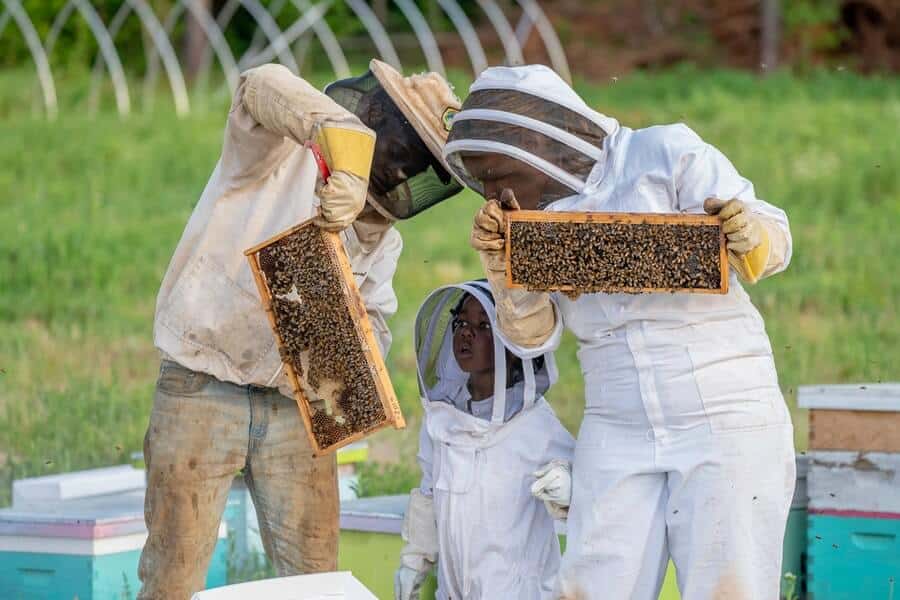
Beekeeping is becoming a trendy hobby. There are approximately 44,000 amateur beekeepers across the U.K.[i], and each plays an integral part in conserving these essential pollinators. Bees are a vital part of our ecosystem – they help our food grow, pollinate wildlife habitats and produce honey.
Since 1900, the U.K. has lost 13 species of bee, and a further 35 are under threat of extinction[ii]. We must start protecting these insects, and beekeeping is a fantastic way to do so. But do you have the resources for beekeeping? Could you maintain your own hive? We have a guide on how to keep bees for beginners that will answer these questions and more. So whether you’re wondering when to start beekeeping, the cost or just want to know how to become a beekeeper, you’ve come to the right place.
The Laws on Beekeeping
Although there aren’t any laws preventing you from beekeeping, there are two acts that you should familiarise yourself with to avoid any severe problems.
- Bees Act 1980 – To protect bees, this Act aims to control any pests or diseases that may affect them. The Minister for Agriculture, Fisheries and Food has the power to enforce regulations relating to the importation of bees and can set the standards for products, hives, containers and appliances connected to beekeeping or transportation.
- The Bee Diseases and Pests Control (England) Order 2006 – This order contains the laws about disease management, importing bees from outside the U.K. and the procedures for disease and pest outbreaks. If any pest or disease problem should occur, a beekeeper must contact their local bee inspector at once.
When keeping bees, it is also important that you consider your neighbours. Every landowner has the right to enjoy their property, but if your new hobby is drastically interfering with your neighbour’s enjoyment of their property, the law can intervene. Test the effect of beekeeping with a small hive to ensure that it will not affect your neighbours before investing in all the equipment.
If you’re unsure of anything, it’s always best to turn to your local Beekeepers Association for advice.
What To Consider
Before investing a lot of time and money in beekeeping, there are a few things you should consider carefully. Bees need different maintenance depending on the season, and you need to be sure that carrying out these tasks and providing properly for them is definitely for you. Therefore, before you start beekeeping, you need to consider:
- How Much It Costs To Start Beekeeping – The total of beekeeping equipment, including your first bee nucleus, can range from between £600 – £700, so ensuring that you have the right budget to begin is essential.
- Where You’ll Keep Your Bees – Beehives can be kept in the garden, on a roof, on unused farmland or at a nearby apiary, where different beekeeprs keep several hives.
- The Size of The Space You’ll Keep Your Bees – Being aware of the size of the space you will be keeping your bees in will help you when buying equipment. Also, knowing how big the area is can help you situate your hive where it will be the least bothersome to neighbours. Keeping bees in a small garden is possible, just be aware of your neighbours and keep an eye on the colony.
- The Time Looking After Bees Will Take – Once you’re in the routine, caring for just one hive should take about half an hour a week throughout spring and summer. This time will increase if you take on more hives.
- Joining Your Local Association – Before getting your own hive, it’s highly recommended that you join your local beekeeping association. They will provide you with advice and experience that will show you whether you’re up to the job.
What You’ll Need To Start Beekeeping
Now that you’re certain you still want to keep bees, it’s time to look at the equipment you’ll need. Buying these separately can really knock up the price, so a beekeeping starter kit that includes them all might be a good option for you. Make sure you have:
- A Hive – There are many choices for beehives, but the main three are the Langstroth, the Warre and the Top Bar. The most common is the Langstroth, and this may be the best for a beginner.
- Hive Frames – Choose hive frames with a wax foundation to hold the honeycomb.
- Protective Clothing – Invest in suitable quality gloves, wellies and a bee suit for protection.
- A Smoker – A handy tool that will calm your bees when you need to inspect their hive.
- A Hive Tool – Multipurpose tool to help when inspecting and maintaining beehives.
- A Nucleus of Bees – A small colony of honey bees, usually available through June/July. Go through your local beekeeping association to help you find some.
- A Feeder – If there is a poor nectar flow, your bees will need some extra nourishment.
- A Honey Extractor – The best tool for a beekeeper, a honey extractor will do most of the harvesting work for you
How To Start Beekeeping
Like gardening, jobs in a beehive are seasonal. Your hive will be alive with activity throughout spring and summer, but as the weather turns colder, there will be less to do since the bees will be huddling together for warmth. As long as you regularly carry out these regular activities and keep an eye on your hive for any issues, you’ll be okay.
Feeding Bees
If your bees haven’t collected enough supplies to feed themselves, primarily through the winter and at the start of spring, you may have to provide for them yourself. Create a substitute for nectar with a mix of refined sugar and hot water. For winter, lessen the water content to allow the bees to dehydrate it and prevent fermentation. Bees will also eat ripe fruit because of the high sugar content. Wait until it’s slightly overripe, so the bees can follow the fragrance. You can grow fresh, ripe fruit for your family as well as your bees without attracting pests using a walk in fruit cage.
Spring
Spring is the best time to start beekeeping because it is when the bees will be most active. If you are starting your first ever hive, there won’t be too much for you to do in the spring, but there are a couple of essential jobs that you’ll need to complete for existing hives.
- Start A New Hive – Setting up a new hive as close to the start of the season as possible is best to give the bees enough time to gather sufficient nectar for the coming months.
- Feed Existing Bees – If you have an existing hive that has survived the previous winter, their food stores may have depleted. Top up their feeder to give them enough nutrition while they begin harvesting.
- Harvest Any Leftover Honeycomb – If your hive has any honeycomb stores leftover from winter, the beginning of the spring is the best time to harvest it.
- Repair or Extend The Hive – Should your hive need any repairs or require new chambers, it’s best to do these in spring before your bees start seriously working.
Summer
The summer is when your bees will be working their hardest. Since they’ll be busy building honeycomb, collecting nectar and pollen and looking after their young, there aren’t many jobs for you to do throughout the warmer months. There are a couple of things you can do to help maintain your hive, though.
- Check The Hive/s Regularly – Check on your bees regularly throughout summer to ensure there are no problems with the nucleus or the hive. If you have top-bar hive or your hive doesn’t have a foundation, check that all of the combs are hanging straight.
- Harvest Excess Honey Stores – While your bees are so hard at work, they may produce too much honey. Try to harvest it as often as possible to prevent a build-up.
Autumn
Beehive maintenance in autumn is all about preparing your hive for winter. Bees stay huddled together throughout the winter, so it’s your job to keep them safe and healthy while they rest.
- Collect Honey – Harvest the honey that your bees have made at the very beginning of autumn. Make sure you leave plenty of honey for the bees to feed themselves – they usually need 50 – 60 pounds worth of honey.
- Provide Food Supplies – If your bees have had a rough harvest,
- Reduce Hive Entrance – To keep rodents out, place an entrance reducer at your hive entrance.
- Create Ventilation Channels – Bring in a propped-up inner cover or drill holes in the top boxes, then screen them off to help ventilate the hive.
- Guard Against Predators – The best way to keep your hive safe from predators (mainly skunks, mice and raccoons) is to elevate it on a stand and use a heavy rock to anchor it.
Winter
During winter, the colony form a cluster around the queen to keep each other warm. Although they’re sedentary for most of the season, check on your bees regularly to make sure they’re doing okay through the cold.
- Clean Hive Entrance – Rid the hive entrance of any snow, leaves or dead bees daily.
- Maintain Food Supplies – Winter is when many colonies suffer from starvation, so make sure they have enough food.
- Clean Equipment – Since you won’t need most of your beekeeping equipment, now is the best time to clean it.
- Order New Bees – If you want to start a new hive in the spring, the winter is the time to order new bees.
How To Collect Honey
Best done towards the end of August or the beginning of September, collecting honey is a relatively simple process. With a few steps, some tools and a little patience, extracting honey will soon seem like second nature. You can keep your honey – if stored properly, fresh honey can last up to two years – or you can sell it.
- Remove each frame of capped honey from your hive’s honey super
- Remove the wax cappings
- Repeat on the other side of the frame
- Withdraw the honey using your extractor
- Filter your honey through to a bottling container
Selling Honey
Once your honey is filtered, you can fill honey jars that you can then sell. Although you don’t need a license to sell your own honey, each jar you sell must have a label that provides:
- Best before date
- Country of origin
- Lot number
- Accurate weight
- Correct branding
Set up a website to help you start to sell your honey, and approach health food stores, local farmers markets, gardening centres and local gift stores to see if they will stock your produce.
Selling honey can be quite a profitable business. The average beekeeper can make £125 per hive per month selling their own honey, and you can also make a profit by selling beeswax candles and polishes.
Summary
Beekeeping is an extremely rewarding hobby and is nowhere near as complicated as you might think. With a bit of patience and a regular schedule, your hive will be alive and buzzing in no time at all. For advice and beekeeping events or meetings, turn to your local beekeeping association, who will help in any way they can. Have fun!
Do you have any beekeeping tips for beginners? Let us know in the comments!
Sources
[i] https://www.sustainweb.org/foodfacts/bee_industry/
[ii] https://friendsoftheearth.uk/nature/14-facts-you-need-know-about-bees#:~:text=Since%201900%2C%20the%20UK%20has,wild%20bee%20species%20face%20extinction.