

Setting goals is always a good idea in a garden. As a sustainable garden designer and sustainable growing consultant, I always have key organic garden goals each year that help me to stick to the right path, and continue to improve my garden year-on-year.
No matter whether you are a complete beginner, a more experienced gardener looking to transition to a more eco-friendly and sustainable way of gardening, or someone who has been gardening organically for years, setting goals is important to shaping the gardening year and making plans.
KEY TAKEAWAYS
- Organic gardening in 2026 involves natural approaches that work with nature rather than against it.
- Soil health remains the foundation of every thriving organic garden.
- Growing food year round is increasingly achievable with planning, protection and the right plant choices.
- Biodiversity is essential for resilient systems and healthy ecosystems.
- Natural pest protection is more effective when you focus on balance rather than eradication.
- Reducing waste and increasing self sufficiency are key aims for the coming year.
- Clear goal setting helps gardeners at all levels make meaningful progress.
What Organic Gardening Means in 2026
In 2026, we are gardening in a changing climate, with more unpredictable weather patterns and increasing pressure on food systems. Against this backdrop, organic methods feel more important than ever.
Organic gardening has never been simply about removing chemicals from the equation. It is about thinking holistically. When we grow food and cultivate plants, we become part of a living system.
Our actions influence soil life, water quality, local wildlife and the resilience of our environment. By working with ecological processes, we reduce the need for external inputs and foster gardens that can thrive through challenges.
New technologies, new cultivars and a growing collective understanding of soil and ecosystem science mean that organic gardeners in 2026 have more support and knowledge than at any time before. Though we live in difficult times, organic gardeners are finding hope and resilience in their gardens. What is organic gardening?
Goal #1 – Improve Soil Health Naturally
Healthy soil is the cornerstone of any organic garden. If there is one place to begin when planning your year, it is with soil care. Good soil structure, balanced nutrients and thriving microbial communities underpin productive beds, vigorous growth and natural resilience.
Build Organic Matter
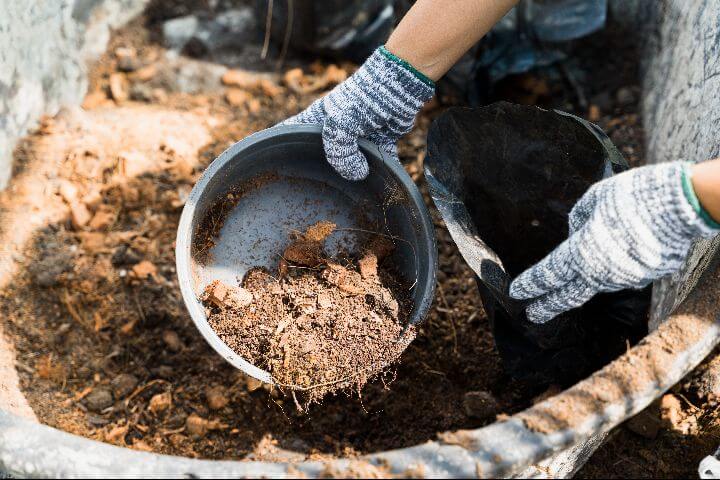
Increasing organic matter boosts fertility, enhances water retention in dry spells and improves drainage in heavy soils. In 2026, many gardeners are leaning more heavily on home produced compost, leaf mould and natural mulches because these reduce dependence on bought-in materials and move us closer to circular systems.
Regular mulching with compost, well rotted manure, grass clippings, comfrey leaves or chopped prunings feeds soil life gently. Over time, this creates a living layer that supports fungi, bacteria and invertebrates. These unseen helpers unlock nutrients, stabilise carbon and keep soil structure open.
Reduce Soil Disturbance
No dig gardening continues to rise in popularity. It avoids the disruption of tilling and helps preserve fungal networks and soil aggregates. If you already follow a no dig approach, consider refining your bed maintenance or expanding your no dig areas. If you are new to the method, start with a single bed and observe the changes throughout the year.
Test and Observe
Soil testing kits can be useful, but observational skills matter just as much. Notice colour, texture, drainage and how plants respond. When you monitor soil over time, you learn what amendments are truly needed and which problems are symptoms of deeper imbalances.
Water Wisely
Healthy soil retains moisture more effectively. Water conservation will continue to be a major concern in 2026, so aim to reduce evaporation by using groundcover plants, thick organic mulches and water efficient irrigation. Link water gathering systems to your garden so every drop serves a purpose.
Goal #2 – Grow More Food Year-Round
As climate uncertainty grows, interest in year round food growing continues to expand. Producing fresh crops through the winter provides stability, reduces food bills and encourages closer connection with seasonal rhythms.
Use Protective Structures
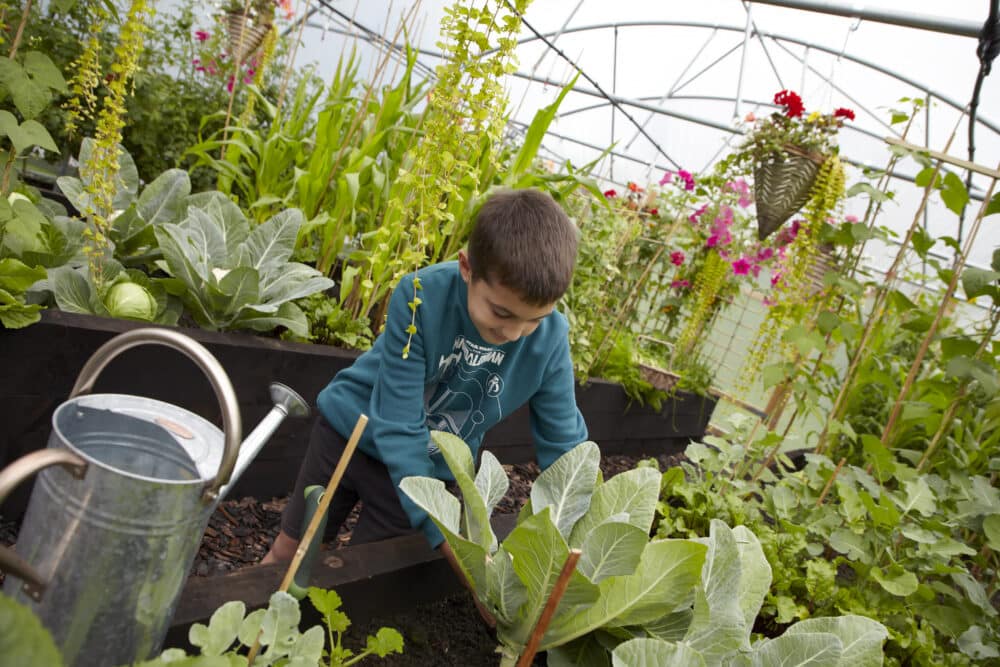
Polytunnels, greenhouses, cold frames, cloches and low polytunnels extend the growing season at both ends. They allow you to start seedlings earlier and continue harvesting later into the year. With proper ventilation and soil care, these spaces provide a steady harvest even during difficult weather.
If you already have a polytunnel, consider how it can be better utilised this year. Successional sowing, interplanting and thoughtful rotation help you make the most of the protected microclimate.
Choose the Right Crops
Hardy greens such as kale, chard, spinach, winter lettuce, mustards and mizuna will reliably overwinter. Root crops such as carrots, leeks, beetroot and parsnips can remain in the ground until needed. Perennials like sorrel, Welsh onions, perennial broccoli and lovage bridge the hungry gap and reduce the need for constant replanting.
In summer, plant later sowings of fast maturing crops such as radishes, pak choi and dwarf French beans to fill gaps and keep beds productive.
Adopt Successional Sowing
Rather than planting everything at once, stagger sowings so you have a steady supply instead of sudden gluts. Even a small change in timing can transform your harvest pattern.
Plan Storage and Preservation
Year round growing is not only about fresh produce. Good storage techniques, such as curing onions and squash, fermenting gluts or drying herbs, ensure your efforts last far beyond the growing season.
Goal #3 – Increase Biodiversity in the Garden
Biodiversity builds resilience. A diverse ecosystem supports pollinators, natural predators, soil organisms and the many species that create balance in a garden.
Use a Wider Variety of Plants
Think in layers. Include canopy, shrub, herbaceous and groundcover layers, even in small beds. Use flowers for nectar, herbs for scent, vegetables for productivity and perennials for long term stability. Even unproductive areas can become refuges for wildlife by planting native species, wildflowers or low management meadow patches.
Create Wildlife Habitats
Log piles, stone stacks, dead hedges and small ponds provide safe spaces for insects, amphibians and birds. A shallow wildlife pond is one of the most effective additions of all. Even a small container pond will attract life.
Embrace Companion Planting
Flowers like calendula, nasturtiums, cornflowers, borage and chamomile attract beneficial insects. Herbs including thyme, rosemary, mint and fennel support predators such as hoverflies and ladybirds. Many of these plants also have culinary uses or add visual beauty.
Avoid Pesticides
Organic gardeners rely on natural processes for pest control. Encouraging biodiversity reduces outbreaks before they begin. A diverse insect population, healthy soil and strong plant growth work together to keep problems manageable.
Goal #4 – Protect Crops Naturally
Protecting crops without synthetic chemicals requires observation, problem solving and some proactive strategies. In 2026, gardeners continue to explore natural alternatives and ecological approaches.
Strengthen Plants First
Healthy plants are less vulnerable to disease and pests. Good soil, proper spacing, appropriate watering and suitable varieties all reduce stress. Stress is often at the root of common problems.
Use Physical Barriers
Fine mesh covers, insect netting, fleece and cloches offer simple ways to prevent damage. Brassicas benefit from insect mesh that keeps cabbage white butterflies at bay. Carrot fly screens are highly effective. Seedlings appreciate a temporary cover to protect from birds or heavy rain.
Encourage Natural Predators
Ladybirds, hedgehogs, frogs, lacewings and birds all contribute to pest management. Plant hedgerows, create small ponds, leave autumn leaf piles undisturbed and offer nesting sites. Avoid tidying every corner, since small areas of wilderness support the creatures that keep pests under control.
Use Natural Sprays Sparingly
Homemade or natural sprays such as diluted soap, garlic or seaweed solutions can help in specific circumstances. However, these should not replace ecosystem management. Use them only for targeted, short term intervention.
Goal #5 – Reduce Waste and Increase Self-Sufficiency
Reducing waste is key to sustainable gardening. A well designed garden uses resources wisely, recycles nutrients and reduces reliance on external inputs.
Compost Everything You Can
Composting transforms kitchen scraps, plant waste and cardboard into valuable soil amendment. In 2026, it is worth exploring a combination of systems. Hot composting for fast turnover, cold composting for low effort, vermicomposting for nutrient rich castings and leaf mould piles for long term soil improvement.
Collect Water
Rainfall patterns are unpredictable, so efficient water catchment is essential. Link water butts to sheds, greenhouses and polytunnels. Consider larger tanks if space and permissions allow. Greywater can be used in certain situations, though it needs careful management.
Grow Inputs for the Garden
Comfrey, clover, nettles, alfalfa and other dynamic accumulators are useful for creating home grown fertiliser teas and mulches. Living mulches such as white clover reduce the need for purchased compost, suppress weeds and enrich the soil.
Reduce Plastic Use
Seek alternatives where possible, such as biodegradable pots, homemade paper pots, repurposed containers and durable tools that last many years. Buying once and buying well is more sustainable than replacing poor quality items frequently.
Planning Your Organic Gardening Goals
Goal setting works best when it includes practical actions. Break each goal into smaller steps and consider how they fit into your gardening calendar.
- Assess your space. Walk around your garden and take notes on soil, light, water and existing resources.
- Prioritise. Focus on goals that will have the greatest impact.
- Make a seasonal plan. Divide tasks into winter preparation, spring readiness, summer maintenance and autumn renewal.
- Monitor progress. Keep a simple garden journal. Note what works and what needs adjusting.
- Adapt. Organic gardening is dynamic. Adjust your plan as the seasons unfold.
Your garden will evolve constantly, so goals should reflect both the present conditions and the long term vision you have for your space.
FAQs
What is the first step to starting an organic garden?
Begin by improving your soil. Healthy soil sets the foundation for everything else. Start composting, reduce disturbance, add organic matter and observe how your soil behaves through each season.
Can organic gardens still have high yields?
Yes. High yields come from healthy soil, good plant selection, thoughtful layout and careful planning. Many organic gardens surpass the productivity of conventional gardens because they rely on natural resilience rather than quick fixes.
Do I need a large space to garden organically?
Not at all. Organic methods are suitable for any scale, from a balcony container to a sprawling plot. The principles stay the same. Soil health, biodiversity and careful planting will serve you well regardless of available space.