

We are in the middle of a massive biodiversity crisis. Our species are declining in number, and disappearing at a truly appalling and staggering rate. As gardeners, we should all be doing all we can to help nature by creating a wildlife-friendly garden.
Whether we live in the countryside, or in the heart of a town or city, we can turn our outside spaces into little nature reserves, welcoming in and helping all the other creatures with whom we share our world.
What Does a Wildlife-Friendly Garden Look Like?
A wildlife-friendly garden can be created in a range of different styles, but all will keep the need to welcome in other creatures front and centre and be designed around this goal. Remember, you will not always be able to see the wildlife we should be trying to attract.
Plentiful Pollinators – A wild garden will attract bees and other insects
A wildlife-friendly garden will be a space that draws in bees, butterflies and numerous other insects. Insects are crucial for pollination of the many insect-pollinated garden crops and other plants, and are extremely important in food chains.
They are crucial in the ecological function of the garden as a whole. Though for gardeners, some insects are known as pests, we still want them in our outside spaces and polytunnel gardens to ensure the healthy function of all our growing areas.
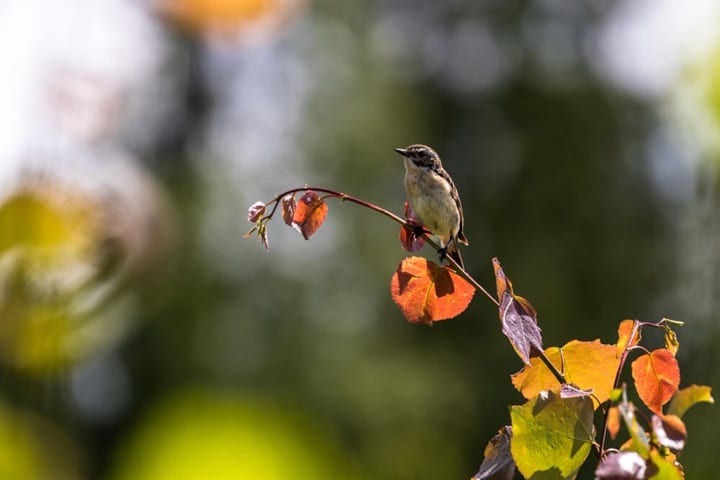
Garden Birds – A wildlife-garden provides food, water, shelter and nesting sites
Garden birds are, of course, some of the most visible and audible of our garden visitors. A wildlife-friendly garden welcomes them in, not only because of the joy they can bring through their appearance and songs, but also because they too play a crucial role in garden ecology.
Birds help disperse seeds, they fertilize our growing areas, and some can also be important predators – helping to eat pest species and keep their numbers down – keeping the garden ecosystem in balance.
A Wildlife Garden Creates a Warm Welcome for a Wide Range of Other Creatures
Of course, beyond insects and birds, there are also numerous other creatures that we might be able to welcome into our gardens – each of which can play important roles in shaping the space and helping us to maintain that space in a sustainable and eco-friendly way.
Toads, frogs and newts are some amphibians those with garden ponds might attract, (we have hundreds of tiny toadlets making their way across our garden most years in July) and some gardens may even see grass snakes, adders, lizards etc…
From bunnies to hares, squirrels to stoats, hedgehogs to harvest mice, badgers to foxes… there are also numerous mammals that might visit your garden, sometimes over night so that you do not have a clue they are there.
In my own wildlife-friendly garden here in Scotland I have had hares, red squirrels, mice, voles, moles, a stoat, weasels, and more… and deer, badgers, and foxes have all been seen (or heard in the case of the foxes) nearby.
The Basics for a Wildlife-friendly Garden Design
The most important thing to understand if you want a wildlife garden that will help nature as much as possible is that your primary goal is to increase biodiversity.
1. Increasing Biodiversity in the Garden
When we talk about increasing biodiversity we are talking about increasing the number of species (both of plants and of animals) in our gardens. Increasing the former is the most important way to bring about an increase in the latter. In other words – plant, and they (the wildlife) will come.
It is important to understand that the more biodiverse a garden, or any ecosystem, the more beneficial interactions are created between the different plants and animals and other elements within the system. And the more beneficial interactions there are within any system, the more stable and resilient that system will be.
And a more stable and resilient ecosystem is good news for us, and for all the other wildlife that depends on that ecosystem.
2. Garden Organically
It should really go without saying, but another very important thing to remember in a wildlife-friendly garden is that it is imperative to garden organically. That means avoiding the use of any harmful, synthetic pesticides, herbicides or fertilizers. These things obviously harm the wildlife that we wish to protect.
Beyond this, it is also important to remember that just because something is labelled as ‘organic’ this does not necessarily mean that it is entirely safe. When overused and especially when used in the wrong ways, even organic pesticides and herbicides can be extremely harmful. These should only ever be viewed as a nuclear option – or as the very last resort.
Instead, when managing our gardens and when dealing with pests, we should adopt the approach of integrated pest management – focussing on boosting biodiversity and keeping the ecosystem in balance, rather than trying to eradicate particular pest species.
3. Leave Wild Garden Corners
Often, creating the perfect wildlife-friendly garden is about what we do not do, rather than what we do. Minimising intervention and letting nature rule in certain areas is one of the very best things that we can do. Doing nothing in a certain area can sometimes let wild plants and native wildlife naturally reclaim the space.
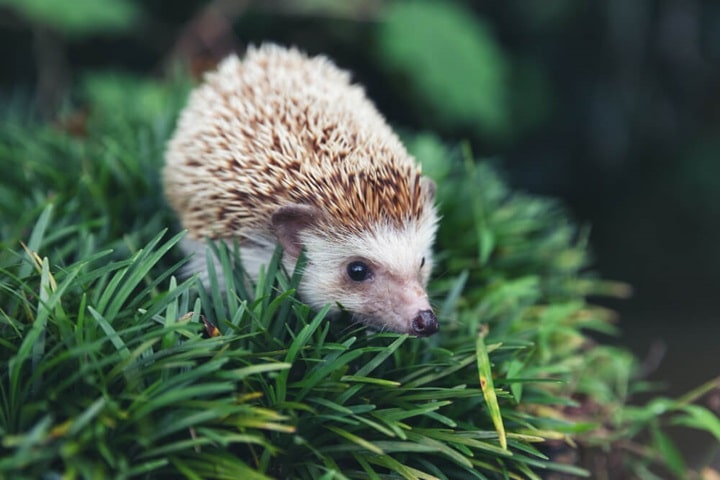
4. Consider Wildlife Corridors – Build a Hedgehog Highway
Before we talk more about specific ways to make a garden more wildlife-friendly, one more key thing to remember when thinking about making your garden better for wildlife and welcoming them in, is that you should think beyond the boundaries of your own garden.
Sometimes, fences or other boundaries placed on property lines can make it impossible for creatures to visit your garden or to take up residence.
We should always think about wildlife corridors – the paths different creatures take through the wider landscape. By thinking about these things we can ensure that we are not putting barriers in their way, and can make holes in fences between back gardens to make a hedgehog highway, for example.
5. Choosing Wildlife-Friendly Plants
Of course, when creating a design or a plan for any wildlife garden, the plants should be at the heart of things. While some people focus on things like bee hotels and bird boxes, these things, while they can be useful, are not as important as getting the basics – especially the plants – in place.
6. Add Native Vegetation
When choosing plants for a wildlife-friendly garden, it is a good idea to choose a high proportion of plants that are native to the area where you live. Choosing native plants will help you to attract the native wildlife that you want in your garden, since native plants and native wildlife have evolved together and depend upon one another in a range of complex ways.
When choosing plants for any garden, but especially for one designed to be wildlife friendly, it is important to select plants that are suited to the places in which they will be grown.
To aid wildlife, insects in particular, you should make sure that you select and plant plenty of flowering plants, which produce blooms (with pollen and nectar) throughout as much of the year as possible. You should have multiple plants in bloom in your garden in spring, summer, autumn and winter in order to cater for wildlife over as much of the year as possible.
A wildlife garden will typically have plenty of perennial plants – plants that live and remain in your garden over multiple years – including trees, shrubs and herbaceous perennials. The more permanent and long-standing the planting, the better for wildlife it will generally be.
So, while you can definitely cater for wildlife in an annual vegetable garden by introducing flowering companion plants and boosting biodiversity, perennial areas are likely to be the most important areas for wildlife within the space.
To choose the right plants to bring more wildlife into your garden, it is a good idea to research which plants different wildlife expected in your area will use for food, shelter, breeding etc… and to include specific, relevant plants within your planting plans.
7. Creating Habitats
As important as it is to choose the right specific plants for wildlife in your garden, it is even more important to realise that plants should not just be considered in isolation when planning a wildlife garden.
It is just as important to consider how plants are combined as to consider which ones to include. It is not just biodiversity but also integration that is key for a successful garden wildlife sanctuary.
We can attract wildlife to a degree simply by adding more flowering plants to our gardens that will bloom throughout the year. But creating complete, healthy, biodiverse and complex habitats will go much further.
Remember that boosting biodiversity does not just involve cramming in as many plants as possible, it means carefully considering combinations of plants to create functioning ecosystems, with more beneficial interactions, that will be more stable and resilient over time.
Creating habitat for specific wildlife species is the key to getting them not only to visit your garden, but to stick around.
We are basically, in creating habitat, creating a perfect home, with all the things they need, for the various creatures with whom we share our gardens as well as for ourselves. We are making sure that the environment in a garden provides for the creatures we want to protect.
Here are some examples of the habitats we might create in our gardens for species occupying a wide range of different ecological niches:
8. Let the Grass Grow – Create a Wild Lawn
As mentioned above, sometimes being more wildlife-friendly is about doing less rather than more. One easy way to improve things for wildlife in your garden is to mow your lawn less, and let other plants creep in so you do not just have a grass mono-culture. Remember, we want to boost biodiversity not deplete it, so we want as many different plants in a lawn as possible.
9. Make a Wildflower Meadow
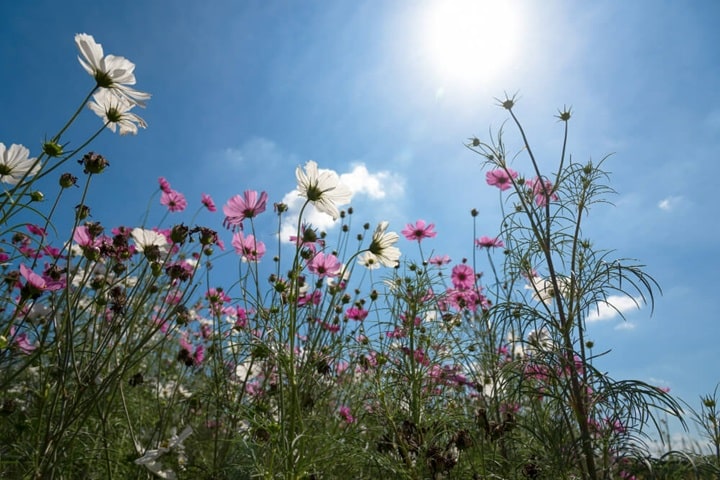
If you want to go one step further, you can turn your lawn or a portion of it into a perennial wildflower meadow. Or create an area for an annual wildflower meadow. Or both! It is important to make sure that you choose wildflower seeds suited to the particular site and location, so that the area mimics a wild, natural environment near where you live.
10. Plant a Tree (or Woodland)
When it comes to attracting pollinators, trees are often overlooked. But just 5 fruit trees in blossom can provide pollinators with as much nectar as an acre of meadow. Of course, trees can provide us, and wildlife, with many other things too – including food, shelter and places to breed, nest etc… Even in the smallest of gardens, it might be possible to plant a small fruit tree, or a small native tree like a rowan, crab apple or elder, for example.
11. Add Wildlife-Friendly Hedges
Shrubs, like trees, can provide a wide range of species with the things that they need. A single shrub on its own can be a habitat for a range of creatures, but a mixed hedgerow crammed with native plants is even better, and such hedges can tie in well and help extend or repair wildlife corridors through an area.
12. Plant Climbers
Climbers cladding bare walls or fences also help to boost biodiversity and make a better space for wildlife where you live.
13. Provide Water: Ponds, Bog Gardens & Rain Gardens
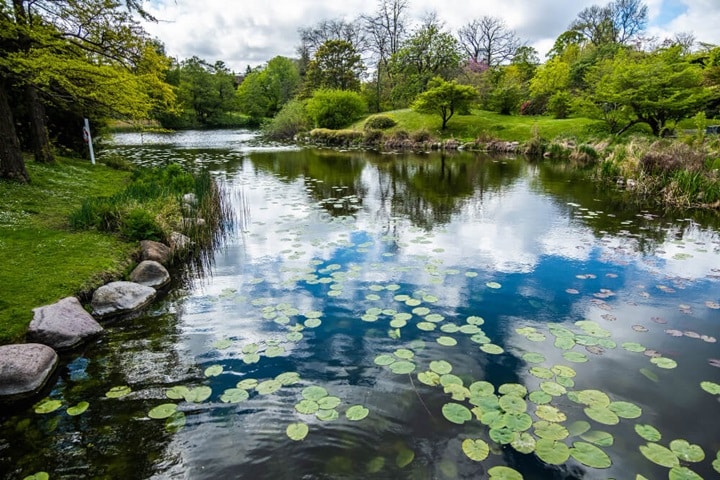
Adding aquatic and watery environments and managing water effectively within your garden is one of the most important ways that you can boost biodiversity in your garden. Adding features such as wildlife ponds, bog gardens, wetland schemes, rain gardens etc. should be foremost in the mind of anyone who wants to make a wildlife garden.
14. Create a Compost Heap
Not all of the wildlife in your garden is above the ground. You should also take steps to promote healthy biodiversity in the soil below your feet. One of the first steps to take towards a healthier soil ecosystem is making your own compost. So, for a wildlife friendly garden set up your own composting system right away.
15. Leave Leaf and Log Piles, Stump Gardens, Rockeries etc…
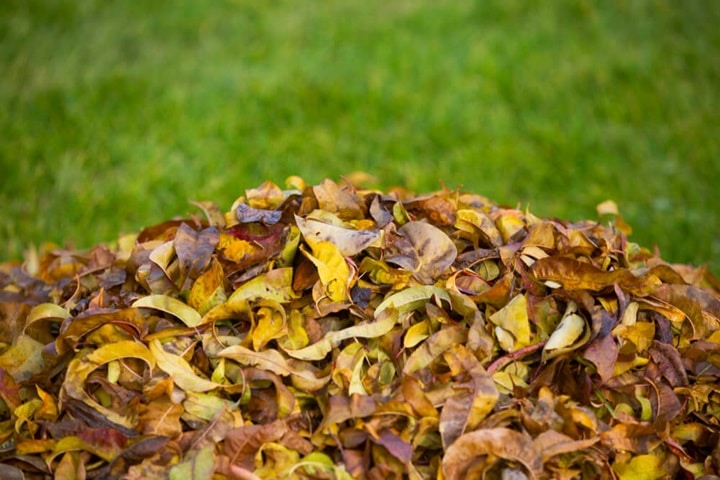
Leaving a little untidiness, and creating as many different environments as possible for a wide range of creatures is key. Leaf and log piles, stump gardens and rockeries are just a few examples for habitat creation and biodiversity enrichment.
FAQs
Which tree supports the most wildlife?
Native trees all support plenty of native wildlife – oak trees top the list, supporting hundreds of species.
How to make a biodiversity garden?
Introduce the right plants in the right places, in layered and complex planting schemes, add some water, and create as many different habitats as possible.
What shrubs are good for wildlife in the garden?
Native shrubs like hawthorn, hazel, elder, Viburnum opulus and native roses are among the great options for native wildlife.
Sources
Shropshire Wildlife Trust. (2020) Who’s Been Visiting Your Garden? [online] Available at: https://www.shropshirewildlifetrust.org.uk/garden-mammals