

Many people are worried about dealing with wasps in their garden or polytunnel and how to get rid of wasps safely. But it is important to understand that most wasps bring more benefits than problems. Understanding dealing with wasps in your garden involves understanding when they might be an issue, and when they definitely are not. Often, we can say live and let live, though there are certain situations where we may need to remove wasps nests which are in a problematic place and where they might pose a risk to human inhabitants.
Identifying Species When Dealing with Wasps in the UK
There are two types of wasp common in the UK. Solitary and parasitoid wasps are the first type. They live and work alone, and rarely bother humans. Solitary wasps primarily hunt other insects and rarely come into conflict with people.
The second type are social wasps. These live in large colonies. and it is the social wasps which are most likely to be considered a pest. However, it is important to understand that these wasps too can bring great benefits in your garden.
Types of Social Wasps
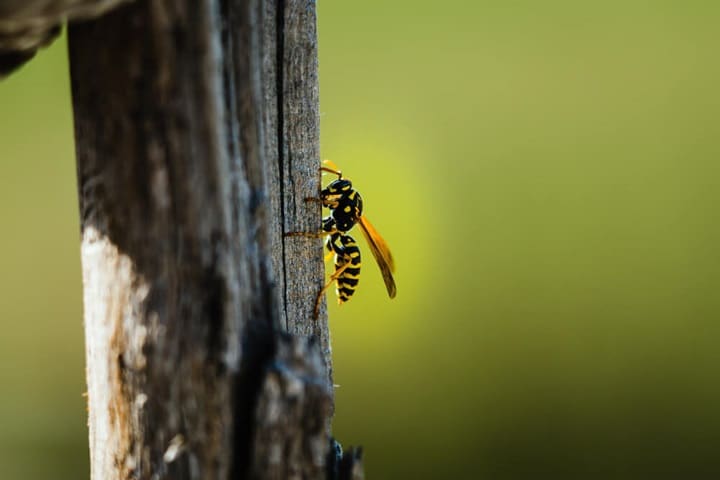
There are a number of different social wasps which are seen in gardens in the British Isles:
Vespula vulgaris (the common wasp)
V. rufa (red wasp)
German wasp (V. germanica)
Dolichovespula wasps (D. sylvestris, D. media, D. Saxonica)
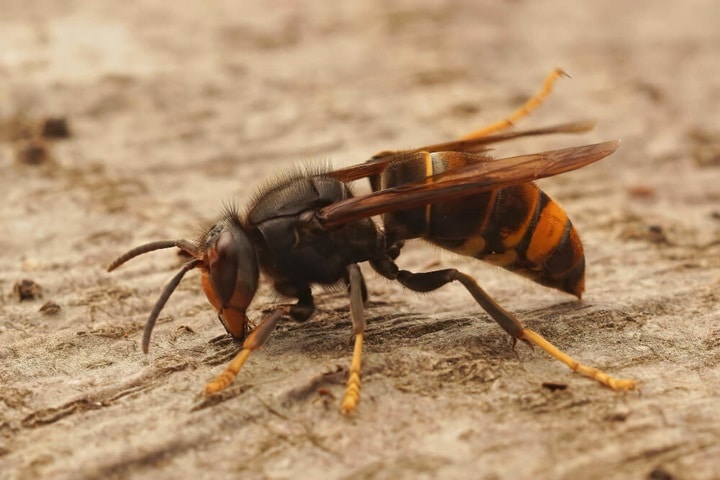
And European hornets (Vespa crabro) becoming more common as the climate warms.(Asian hornets are rare, but have been discovered in Southern England. Where these non-native hornets are found, authorities must be called and the nests destroyed.)
The Vespula social wasps usually make their nests underground or in roof spaces or other dark cavities. The Dolichovespula wasps usually make their nests in open air situations, such as on a tree or shrub, or on the outside of a building. European hornets nest in rot holes in trees or in other dark cavities, and are larger in size than the above.
Wasp Problems in The Garden
Before we dive into how to get rid of wasps safely in your garden, we first need to consider why you may want to get rid of them.
Will Wasps Do Damage To Your Property?
If you are dealing with wasps and have a wasps nest nearby, you may see paler patches where the surface of wooden decking, fencing, sheds or garden furniture has been scraped off by worker wasps. The worker wasps gnaw wood fibres to use in building the nest structure. But the amount of material removed is minute and no real damage is done. Wasps won’t make holes in buildings, but may take advantage of existing access points.
Will Wasps Cause Harm to Garden Plants?
Damage to plants by wasps is limited. Mainly, the only potential damage occurs in late summer, when social wasps feed on ripe fruit from fruit trees. Fruits with tougher skins like apples will not be damaged by wasps alone. Rather, wasps will feed on fruits which have already been breached by birds or other animals, and on any windfall fruits on the ground. Wasps can, however, initiate damage of softer skinned fruits like plums, pears and grapes, for example.
In fact, wasps can often help garden plants more than they harm them. Social worker wasps feed grubs in their nests on other invertebrates like aphids and caterpillars. So this can help reduce any problems with pests in the early summer. Wasps of many types are also important pollinators. European hornets, though their size may make them seem alarming, actually sting less often than other wasps, and through predation, they can keep down numbers of other wasp species.
5 Simple Ways on How to Get Rid of Wasps
Here are some proactive steps to prevent wasp problems:
- Inspect Regularly: In early spring, check for small, developing nests in sheds, garages, lofts, or under eaves. Early detection makes treatment easier and less dangerous.
- Secure Food Sources: Wasps are drawn to proteins in early summer and sweets later in the season. Always cover food during outdoor events and ensure that garbage bins have tight-fitting lids and are placed away from your home’s entry points.
- Limit Access: Keep doors and windows closed to prevent wasps from entering your home.
- Avoid Attractants: Wasps are attracted to bright colors and floral patterns, which they associate with flowers. Also, sweet perfumes can attract wasps, especially later in the summer.
- Natural Repellents: Planting herbs like spearmint, thyme, and eucalyptus can deter wasps due to their strong aromas. Additionally, lining birdhouses with aluminum foil or soap can prevent wasps from nesting there.
Why Wasps Seem More Bothersome in Late Summer
When dealing with wasps, you may have noticed that wasps seem more of an issue and bother you more when you are in the garden towards the end of the summer. This is because earlier in the year, worker wasps are focused on protein – not sugars. So they’ll tend to leave you alone to your sweet drinks and barbecuing.
The worker bees are gathering invertebrates to feed to the larvae in the nests. The sugary secretions of the larvae give these workers the energy they need. By the end of summer, however, there are far fewer larvae to feed, and the workers are looking for their sugar fix elsewhere. If there are plenty of nectar filled flowers for them to pollinate and feast on in your garden, they are far less likely to bother you.
But remember that swatting at wasps can worsen the situation. When a social wasp feels threatened, it releases a pheromone that acts as a distress signal, alerting other wasps of potential danger to their nest. This can lead to what appears to be a swarm, as other wasps rush in defence of their home, often mistaken for the swarm behaviour seen in honey bees. Due to the risk of aggressive wasp behaviour, it’s advisable to avoid dealing with a wasp nest on your own.
Live and Let Live When Dealing With Wasps
By far the best policy when it comes to dealing with wasps is to leave them alone, and, in fact, to aid them in getting on with their business. They are a valuable part of the garden ecosystem and can bring more benefits than problems.
But to reduce the chances of coming into conflict with them and getting a nasty sting:
Be observant and look out for wasp activity as you undertake garden activities.
Leave the area around a wasp nest alone and don’t get too close. (Leaving an area untrimmed or un-mown, for example, for a year will do no harm, and a nest will not be reused for a second year (though the papery structure may remain for several years). After the summer ends, wasp nests will die out, so a wasp nest will never be a long term problem.
Make sure there are plenty of late season flowers for worker wasps. (In fruit tree guilds, for example.)
Harvest ripe fruits promptly to reduce wasp damage and reduce the number of fruit which drop on the ground.
Place seating or outdoors dining areas away from fermenting fruit under trees. (Wasps get drunk on fermenting fruit and when drunk, can become more aggressive and more likely to sting.)
If you remember the above, you should find it much easier to enjoy the wasps in your garden, rather than fearing them. Remember, these living creatures have as much right to be there as you do. And can actually make things easier for you as a gardener as they live their busy lives.
Further reading:
Try our other in-depth guides on our blog that focus on dealing with pests and other problems in your garden, such as:
FAQs
What to do if a wasp is flying around you?
Remain calm and still. Avoid sudden movements, and gently move away from the area if the wasp doesn’t fly off on its own.
How do you stop wasps being attracted to you?
Avoid wearing strong perfumes and bright or floral-patterned clothing. Also, cover food and drinks when outdoors to reduce attraction.
What should you not do with wasps?
Do not swat at or attempt to hit wasps, as this can provoke them and make them more likely to sting.
Should I just ignore wasps?
Yes, if a wasp comes near you, it’s best to stay calm and ignore it. Most of the time, wasps will not sting unless provoked.
What do wasps hate the most?
Wasps hate strong, peppermint-scented oils. Other scents that repel wasps include clove, geranium, and lemongrass oil. Additionally, they dislike smoke and avoid flying in smoky areas.
Sources
Nature Spot. (2013) Common Wasp – Vespula vulgaris. [online] Available at: https://www.naturespot.org.uk/species/common-wasp [accessed 23/10/2024]
BWARS. (2018) Vespula rufa (Linnaeus,1758) [online] Available at: https://bwars.com/wasp/vespidae/vespinae/vespula-rufa [accessed 23/10/2024]
The Suffolk Pest Control Company Ltd. (2020) German Wasp. [online] Available at: https://www.thesuffolkpestcontrolcompany.co.uk/pest-help/german-wasp [accessed 23/10/2024]
Waspkill UK. (2014) Median Wasps – Dolichovespula Media. [online] Available at: https://www.waspkilluk.co.uk/the-median-wasp.html [accessed 23/10/2024]
Woodland Trust. (2020) Hornet (Vespa crabra) [online] Available at: https://www.woodlandtrust.org.uk/trees-woods-and-wildlife/animals/bees-wasps-and-ants/hornet [accessed 23/10/2024]