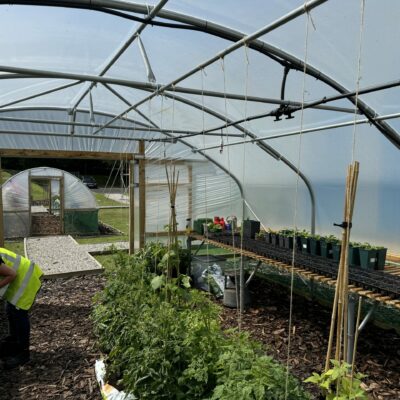



Pests such as slugs and snails can really detract from the performance of your crops in polytunnels and garden. Learn how to stop slugs and what eats slugs, to keep these slimy pests away!
Many gardeners and growers question “what eats slugs” upon finding that their crops have once again been ruined by them, especially after noticing signs of their appearance e.g., snail trails, damaged leaves, etc. In this article, you will learn the best solutions for your slug problems, what eats slugs, and how you can finally keep your crops protected from them in any sized polytunnel and garden.
Explore our range of mini polytunnels, small but mighty structures that can stand tall in your garden.
Understanding Slugs in Your Garden
Here is what you should know about slugs prior to deterring them:
- Slugs thrive in the cool, moist, and shaded areas of your garden or polytunnel from spring to autumn fall.
- These pests mainly feed on the leaves of various plants, especially vulnerable seedlings, as well as on ripening fruits, vegetables, and decaying organic material.
- Such extensive feeding can lead to weakened or even dying plants.
- While there are chemical solutions like insecticidal baits, numerous non-chemical methods are also effective in managing slug populations.
As such, slugs are most likely to feast on the following plants:
- Chrysanthemums
- Dahlias
- Delphiniums
- Gerberas
- Heucheras
- Hostas
- Lupins
- Marigolds
- Pansies
- Petunias
- Sweet Peas
- Zinnias
Not only this, but slugs will likely eat the following vegetable crops:
How To Identify Slugs
Recognising slugs is straightforward: they are essentially shell-less snails.
- Biology: As mollusks, they’re related to clams and oysters, with a slimy, soft body and no legs. Typically, slugs are brownish or greyish, featuring two pairs of feelers on their heads; the upper pair houses their eyes, while the lower pair aids in smelling.
- Size: Their size varies from a quarter of an inch to over two inches.
- Signs: The slime trail they leave behind is a clear indicator of their presence in your garden.
The Role of Slugs and Snails in the Garden
Contrary to popular belief, slugs and snails can be beneficial to the garden ecosystem. They break down decomposing organic matter, such as dead leaves and even carcasses of their own, aiding in the composting process.
Thus, while they can be pests, they also contribute positively to the nutrient cycle, making them valuable for garden health. However, problems arise when they feed on young seedlings or favoured plants like hosta, hence why appropriate control and deterrents are necessary.
Slug Damage Analysis

Slugs possess a radula, a file-like organ they use to consume plant material, leaving behind irregular holes in leaves, flowers, and fruits.
- Impact: While low to moderate feeding may not severely affect plant health, it can diminish aesthetic appeal.
- Seedling damage: Severe feeding, particularly on seedlings, can cause significant damage and reduce the yield of fruits and vegetables.
- Vulnerability: Mature plants may withstand some defoliation, but young plants are particularly vulnerable.
What Eats Slugs
Understanding what eats slugs in the UK is vital for natural garden pest control. A variety of animals play a crucial role in managing slug populations, providing an eco-friendly alternative to chemical treatments:
Amphibians

Do toads eat slugs? Absolutely, and they’re not the only ones. The UK’s native frogs, toads, and newts are keen on dining on these pests. Mature amphibians, with their larger mouths, can handle bigger slugs and snails.
Creating a wildlife-friendly garden with a pond or even a small water feature like an old bucket can attract these beneficial creatures, offering them the habitat they need to thrive and, in turn, help control the slug population.
For garden pond enthusiasts, browse our recommendations for UK pond fish to add to your pond.
Reptiles
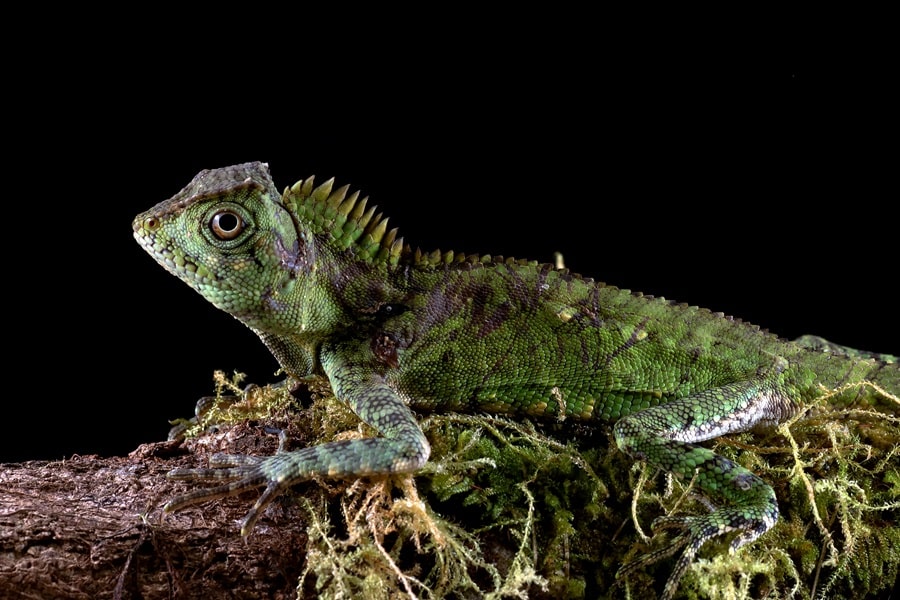
Slow worms and common lizards are among the reptiles that feast on slugs. Maintaining areas of the garden with leaf piles and woody debris can provide the perfect habitat for these reptiles, aiding in the natural reduction of slugs.
Birds
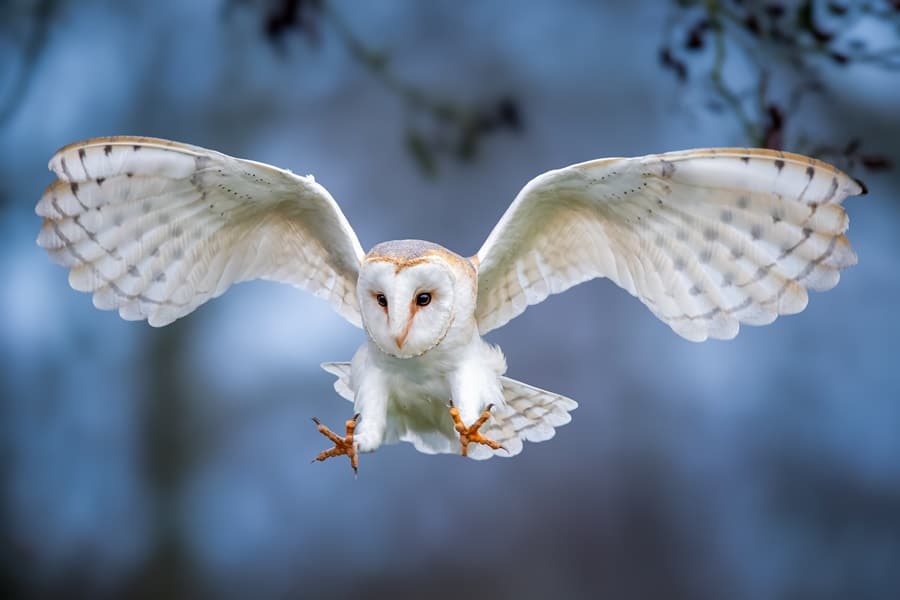
Many bird species, including thrushes, blackbirds, robins, starlings, and owls, contribute to slug and snail control. Providing bird feeders, baths, and nesting boxes can attract these feathered friends to your garden, creating a bird-friendly environment that also benefits your battle against slugs.
Learn more about gardening for birds in spring now.
Insects
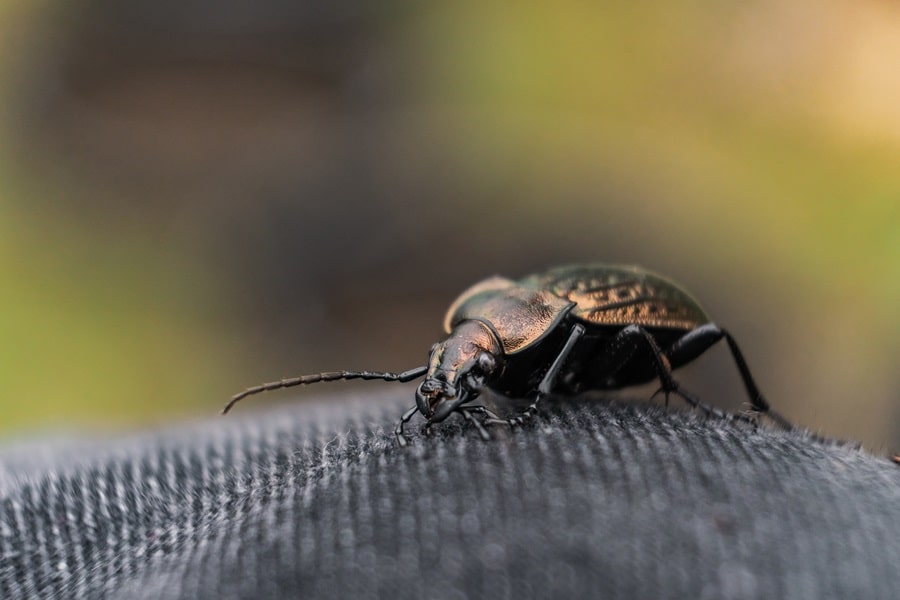
Ground beetles and rove beetles, with their varied diet, including slugs and slug eggs, are invaluable allies. With hundreds of species active primarily from March to October, these beetles are garden protectors, especially against young slugs that can rapidly damage plants.
Encouraging these insects with areas of uncut grass or wildflowers can enhance their presence in your garden.
Mammals
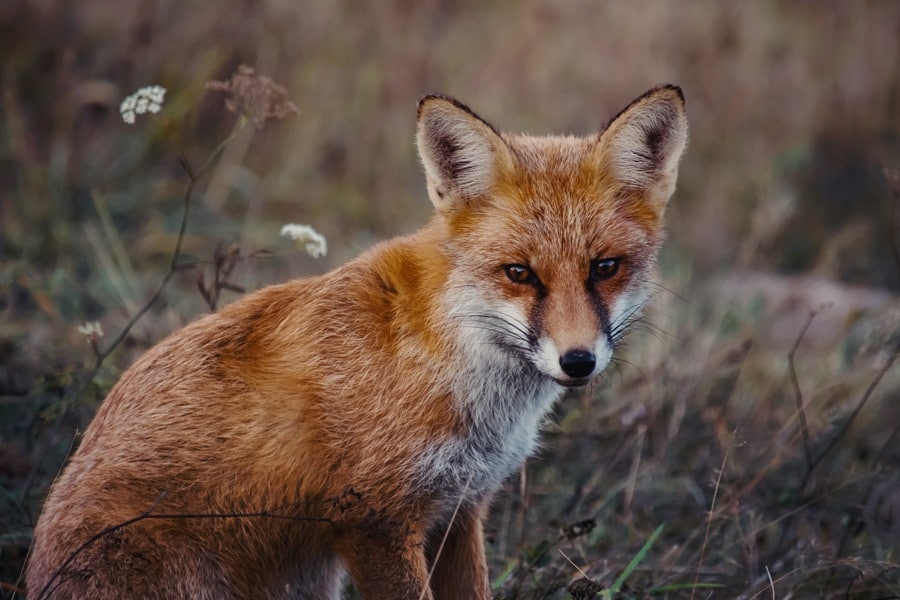
Hedgehogs, shrews, and even foxes are known to eat slugs and snails. Leaving parts of your garden wild, with longer grass and wood piles, provides shelter for these mammals, encouraging them to visit your garden and feed on slugs. Whilst badgers and foxes can be useful here, too, they will likely damage your garden, so be sure to follow our guidance on how to deal with badgers as well as how to stop foxes digging in your garden.
Here is how to make a hedgehog friendly garden.
Parasites
Nematodes, tiny parasitic worms, target slugs by infecting them with bacteria, causing them to decompose from within. These naturally occurring parasites are bred for garden use and offer an effective, organic method to control slug populations, especially when combined with physical barriers like slug rings.
Natural Strategies to Deter Slugs and Snails
Gardens are a haven for slugs and snails, especially during the moist seasons. While eradicating them entirely isn’t practical or beneficial for the ecosystem, effective management strategies can mitigate their damage, particularly to young and vulnerable plants.
Choose the right plants
Choosing the right plants is a crucial step in minimising slug and snail damage. Opt for species less palatable to these mollusks, like woody plants, or those with thick, waxy leaves.
Herbaceous plants that slugs find unappealing can also fortify your garden defences.
Incorporating slug-resistant plants like camellias, rhododendrons, and lavender can reduce the appeal of your garden to these pests.
Natural barriers
Manual removal of slugs during torchlight searches can be effective, especially in damp weather. Relocating them to less critical areas of the garden or leaving them for predators can manage their population.
Barriers like copper rings can also deter slugs, but they must be buried to prevent slugs from burrowing underneath. Although the efficacy of barrier methods like grit, eggshells, or coffee grounds in the garden is debated, some gardeners find these methods beneficial.
Elevating vulnerable plants in pots
Placing potted plants on shelves or raised stands can make them less accessible to slugs and snails. As these pests are less inclined to climb, elevating your plants can be a simple yet effective deterrent. Using materials like galvanised metal for stands can add both functional and aesthetic value to your garden space, especially those eager for recyclable gardening.
Slug and Snail-Resistant Plants
Some plants naturally deter slugs and snails due to their physical characteristics. Consider these slug and snail-resistant plants:
- Woody shrubs and certain trees, particularly conifers.
- Hardy, shiny-leaved plants like camellias.
- Aromatic, herb-flavoured leaves such as rosemary and salvia.
- Fuzzy leaves, such as artemisia.
Introduce Toads, Frogs And More To Your Garden That Eats Slugs
In conclusion, managing slugs and snails in gardens and polytunnels (both domestic polytunnels and commercial polytunnels) involves understanding their natural predators, like toads and frogs, and creating an environment that deters these pests. By selecting slug-resistant plants, encouraging biodiversity, and employing strategic barriers, gardeners can protect their crops and maintain a healthy ecosystem. Embracing these natural solutions not only controls slug populations but also fosters a thriving, sustainable garden space.
For household pets, you may wonder, can cats eat slugs? Learn more now, as well as answers in regards to why you should not eat a slug.
FAQs
What do slugs hate most?
Slugs hate most substances that are abrasive or dehydrating, such as diatomaceous earth, crushed eggshells, and copper tape.
What are predators of slugs?
Predators of slugs include birds, toads, frogs, hedgehogs, and ground beetles.
What will slugs not cross?
Slugs will not cross barriers made of copper because it causes a reaction that is unpleasant for them.
What will slugs not crawl over?
Slugs will not crawl over rough or sharp materials like gravel, sand, crushed eggshells, or diatomaceous earth, as these can damage their soft bodies.
Sources
Garden Organic. (2023) Pests and Diseases: Nematodes. [online] Available at: https://www.gardenorganic.org.uk/expert-advice/garden-management/pests-and-diseases/nematodes [accessed 08/04/24]
Adams, C., (2024) Can Cats Eat Slugs? Vet-Reviewed Risks & Precautions. Catster. [online] Available at: https://www.catster.com/nutrition/can-cats-eat-slugs/ [accessed 08/04/24]
Engelhaupt, E., (2018) Why You Shouldn’t Eat a Slug (In Case You Need Reasons). National Geographic. [online] Available at: https://www.nationalgeographic.com/science/article/dont-eat-slugs-snails-rat-lungworm-brain-parasite-health-science [accessed 08/04/24]
Distant Hill Gardens and Nature’s Trail. (2014) Dusky Slug (Arion Subfuscas) Flickr. [online] Available at: https://www.flickr.com/photos/59898141@N06/15034182409 [accessed 11/04/24]
Nicholas Turland (2009) Banana slug damage to Disporum smithii. Flickr. [online] Available at: https://www.flickr.com/photos/nturland/3482610050