

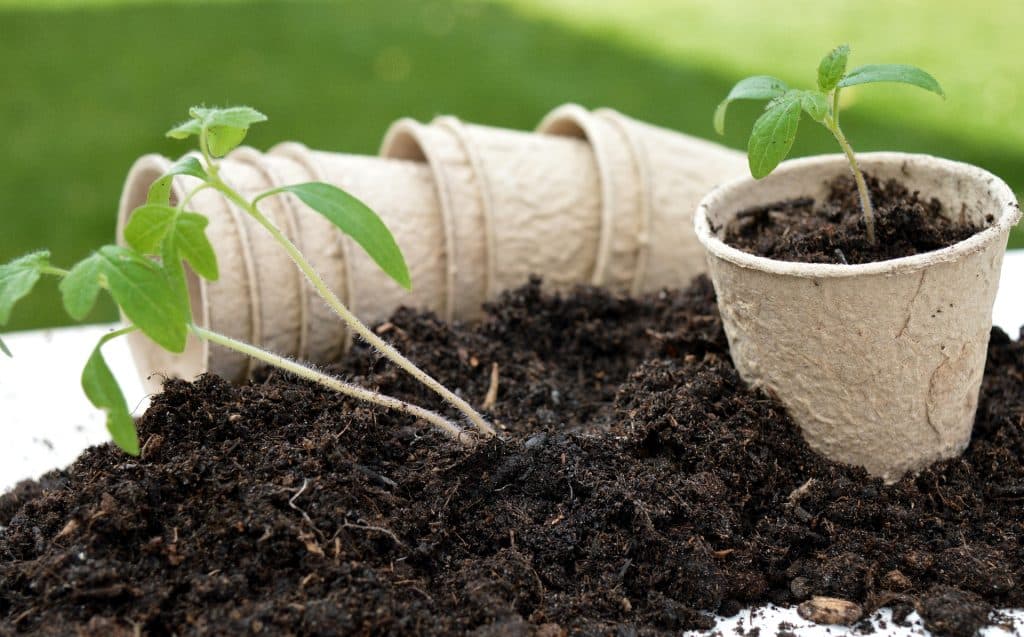
Many with container gardens wonder whether they can reuse compost used in containers the previous year. The answer is that it is certainly possible to reuse compost. But there are certain caveats to bear in mind, and there are particular things to remember when doing so.
Buying in compost can be expensive, especially if you have an expansive container garden. Of course, you can save money by making your own and there are plenty of great ways that you can consider doing so.
You can compost in place in no dig raised beds like lasagna beds or hugelkultur mounds. You can have a cold composting heap, or a hot composting system. You can employ a compost tumbler, or enlist the help of composting worms in a vermicomposting system…
But even with a great composting system set up, many of us will still find that compost is in short supply for all the things we need it for in our gardens. This is why many wonder about reusing compost or potting mix in their gardens.
Can You Reuse Compost?
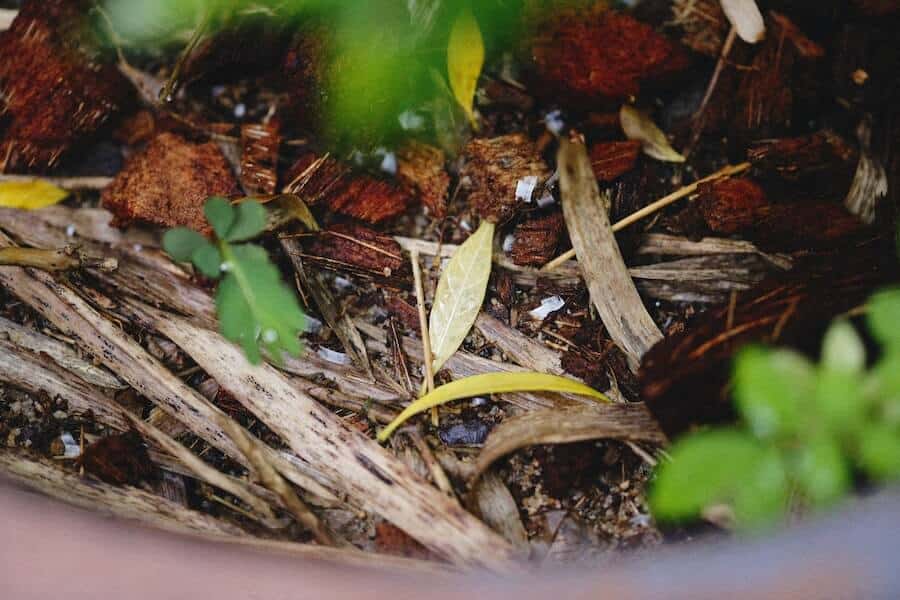
Reusing potting compost or potting mix is often a case of simple common sense. Sometimes you can reuse compost – while at other times it will be best not to, or to take steps to rejuvenate the compost before it is used.
When trying to work out whether or not you can reuse some compost from a container, there are several important things to consider.
For one thing, you need to be certain that the compost is not contaminated with pests or disease. Obviously, many diseases can be harboured and retained within potting soil, just as they can in the soil in your garden. And potting compost can also become badly infested with pests.
When pests or disease are present in the compost, it is obviously best not to reuse that compost as these problems can spread to other parts of your garden. If you have infected compost it is best to bury this in a corner of your garden far away from composting areas or areas of food production.
Another thing to think about when deciding whether or not you can reuse the compost from pots is the degree to which their structure has been degraded, and the degree to which the nutrients within the compost in question have been used.
Typically, we can discern visibly and with our sense of touch whether a compost still feels fresh or whether its structure has degraded and it would be best replaced. So we might simply be able to look at and feel the compost to see if it still ha a good structure.
Thinking about what was grown in the compost and for how long is also important. What was growing in the compost will give us clues about whether or not it might be depleted of certain nutrients, or whether the plant in question sat lightly, and the compost could be reused to grow other plants in pots.
Obviously, if plants were only in the compost for a short time then it is likely that its nutrient profile is still largely as it was. But if plants were in the compost all summer, it is far more likely that it is far less fertile and nutrient rich than it was.
However, even where the compost is degraded and its nutrients used up, it is still possible that you can reuse the compost – either by rejuvenating it and using it for its original purpose of filling pots, or using it elsewhere in your garden.
How Can You Reuse Compost?
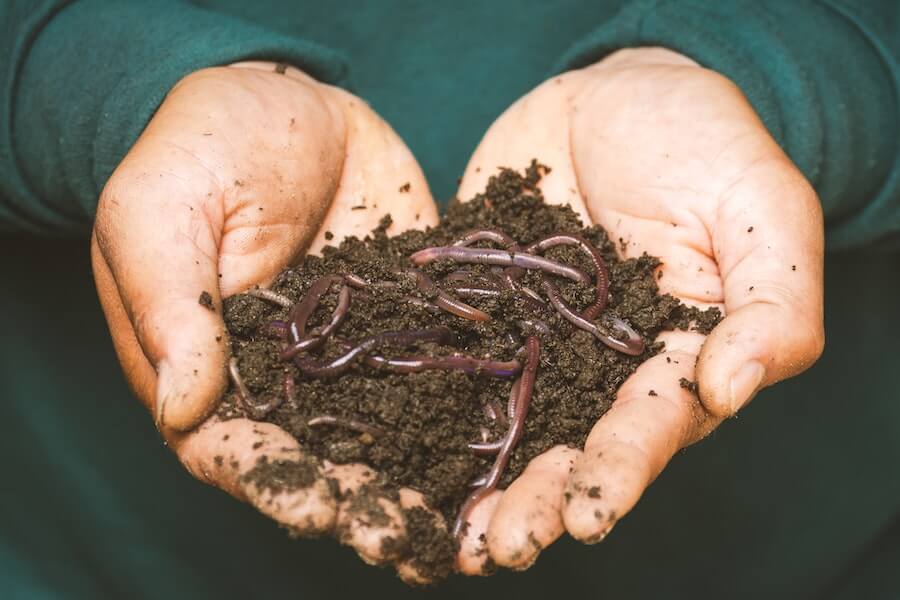
You can reuse uncontaminated compost by mixing it with fresh compost and other organic materials and use it to make up a proportion of the growing medium for your pots.
You can also use compost that has already been used in containers elsewhere in your garden. Even though it may be largely depleted of nutrients, it can serve as a mulch material to protect the soil and conserve moisture in your growing areas, and it can also be used to improve the structure of relatively poor soils.
Let’s take a closer look then, at each of these ideas for reusing compost, to see whether you can use these ideas in your own garden:
Rejuvenating Used Compost
If the compost seems fine, then there really is not likely to be much harm in simply reusing it, perhaps with a little top up of new compost to make sure that the nutrient content is still reasonable for the plants you wish to grow.
But do not just add a little more compost to the top of the pot, because doing so will not tackle one potential problem rather likely to occur in containers – compaction.
Compaction is a problem because it means that the soil has lost aeration, which is required for plants to grow well.
So rather than simply adding new compost to the tops of old containers, it is best to remove the plant, tip out the old compost, mix it with new compost or other organic material, then replace it into the container, firming the plant gently back into position, or planting a new one in its place.
Common sense is required. Of course, this will be suitable for some plants, but not for others. Some that are more hungry feeders may definitely fail to thrive if the growing medium is not particularly fertile and of tip top quality, while other plants are far less fussy.
Remember, also, that certain plants should not be grown in the same potting mix for more than one year. This is especially of note when we are talking about growing edible crops in containers.
The idea is exactly the same as when we talk about crop rotation in a typical vegetable garden. Certain plants should not be grown in the same potting mix each year, as disease can potentially built up in it just as it can in the soil. And when we keep growing the same things in the same medium or soil, this also leads to more depletion of particular nutrients.
So, think about which plants were grown in the medium before you decide which plants might be grown in the reused compost you have.
While sometimes it is not essential, sometimes it can be a good idea to expose the old compost that you wish to reuse to heat. Heat can kill off some pathogens and prevent the accidental spread of diseases. So before you reuse compost, it is a good idea to place it in a warm and sunny spot under glass or plastic to solarise it.
Unfortunately, this can kill off beneficial bugs as well as unwanted problems. So we must take steps to reintroduce friendly micro-organisms to the medium so it is as good as possible for plants. We might do this by using a compost tea, for example, made with some fresh compost you have to hand.
Using Compost From Containers On Growing Areas
Another way to use spent compost from containers is to spread it as a mulch on growing areas. While most of the nutrients may be used up, as long as the compost is healthy and free from pests and disease it can still have the structure to be useful in some ways for soil amendment.
Perhaps combined with other chopped and dropped materials or fresh compost, the old compost that you reuse in this way could help to protect the precious soil ecosystem in your garden, conserve soil moisture and suppress weeds when spread between your plants in certain parts of the garden.
Reusing Compost for other Jobs in a Garden
Even if you do not have a way to reuse compost from containers in your growing areas, you might be able to use it in other ways, such as to fill in any holes in a grassy area, for example, or to level out an area of pathway.
Remember, you might also simply add reasonably good quality compost that has not been contaminated and which has been cleared of roots and any seeds to your general composting system, where it can complete the cycle and blend in with the other new ingredients that you add to your bin or heap.
How To Store Compost
It is always important to remember that a good compost is a living system, filled with beneficial micro-organisms. Like the soil in any garden, it is far more than just dirt. So if you want to make sure that it is as good as it can be for plants, and remains so, it is important not to treat it as though it is.
Store where it will not get too wet or too dry, and where it will retain aeration and will not become anaerobic in an airtight container. Ideally, use compost as soon as possible as even in optimal storage conditions, it will lose nutrients over time.
But remember, you can often reuse compost simply by adding more ingredients to compost to the existing depleted mix, to restart the composting process once more.
Composting in your garden should be an ongoing process. And remember, when you make your own, you won’t have to buy in new compost each year.
References:
https://www.theguardian.com/lifeandstyle/2019/may/18/how-to-reuse-old-compost-alys-fowler