

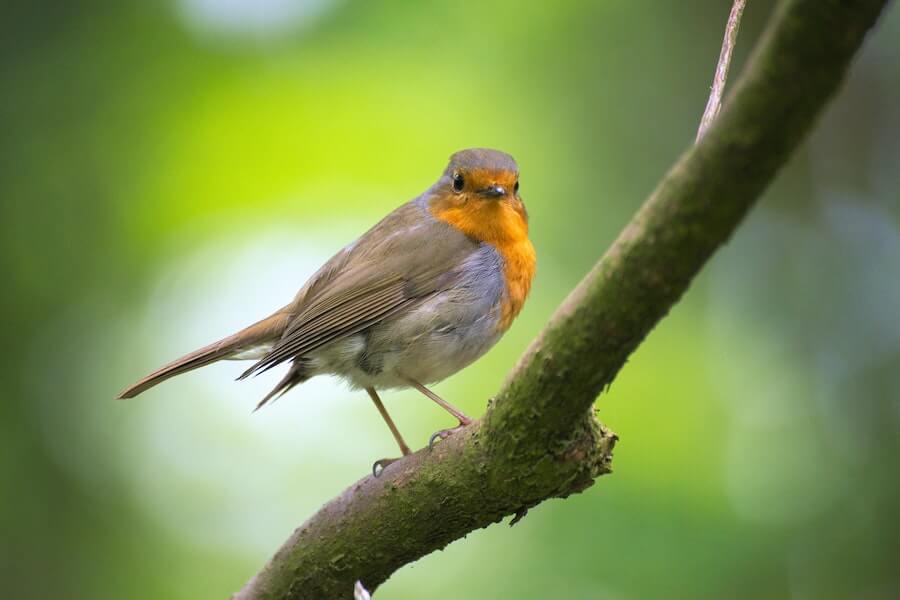
Gardening for birds in spring rather than just for ourselves is important. When we think about birds we can do our part to aid those which share our space.
And helping birds is not just the right thing to do, and not only turns a garden into a delight for birdwatching enthusiasts – it can also be important for us in creating a healthy, productive and beautiful garden.
The Importance of Birds In The Garden
Birds are an extremely important part of natural ecology in any healthy garden. They play a number of vital roles within an ecosystem and are integral to the successful function of the whole.
We need them to help fertilize our gardens and to disperse seeds with their droppings, to pick off a number of pest species through predation, and more… They themselves can also sometimes be a food source for other birds, or mammals in a garden.
Those of us who grow our own food at home can often find that birds can be a pest themselves, as well as conferring certain benefits. Birds may often eat seeds that we sow, or eat our crops of berries or fruits before we get the chance to.
Using polytunnels or fruit cages can help us keep crops safe while still welcoming birds into other parts of our gardens.
How To Create A Bird-Friendly Garden
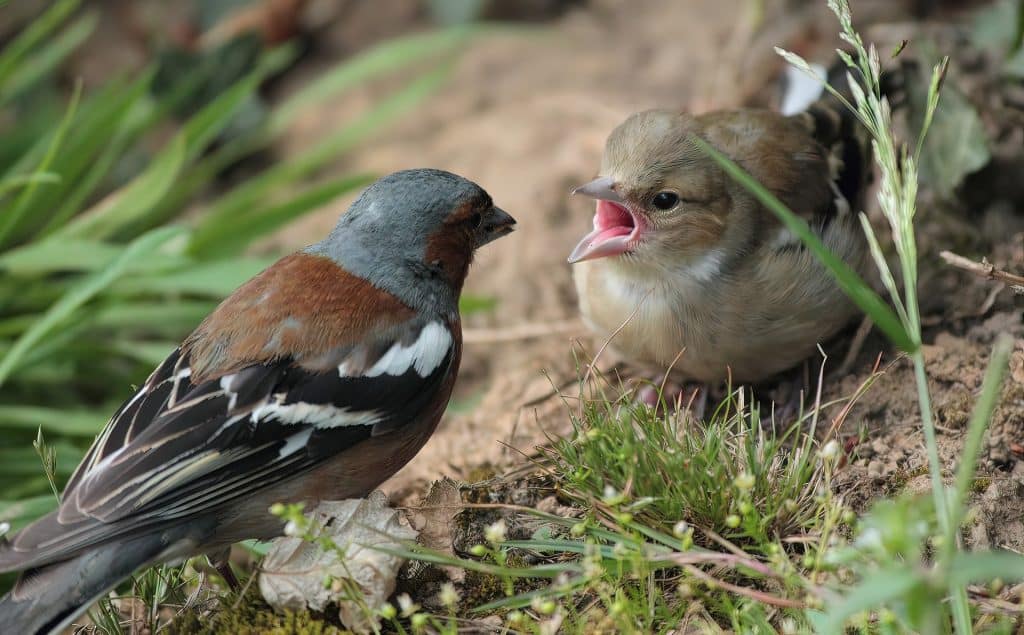
In order to thrive in their environment, birds need:
- A safe environment.
- Places to perch.
- Shelter and nesting or brooding spots.
- Water
- And, of course, food.
Thinking carefully about how we can provide each of these things lies at the heart of the design, planning and creation of a bird-friendly garden.
As gardeners, we are in a great position to make the choices that can allow birds and other wildlife to thrive in the gardens we create.
The easiest ways to do so are also the most eco-friendly and natural. By creating good gardens that are as biodiverse as possible, filled with native planting and bird habitat, we can easily create spaces where numerous birds really want to be.
It is also important to make sure before you do more to attract birds, that your garden is a safe place for them to be.
Birds may be deterred from visiting or spending time in your garden if there are dangers there for them to contend with.
Obvious things that might keep some birds away are noisy or aggressive dogs, and especially cats that are allowed to roam – as these are aggressive bird-predators. If cats rule the roost, birds may steer clear.
Of course, when you are trying to attract birds to your garden, you should also make sure you garden organically – avoiding the use of anything that could pose a threat to your avian visitors.
How To Care For Birds In Spring In Your Garden
Spring is a good time to think about creating a bird-friendly garden, as you start a new growing season by sowing and planting new things, and think about any changes that you might want to make within the space.
It is important to learn how best to care for birds during the spring, since this is a crucial time period during which many birds will be breeding and nesting.
Leave Out The Right Food
When people think about helping the birds, supplemental feeding through bird feeders or at bird tables is likely to spring to mind. Feeding wild birds in this way can also be beneficial. But it is always important to remember that we should, first and foremost, be gardening for birds, to aid them long term rather than simply leaving out some food at feeders.
However, once you have a garden filled with plants to help the birds, you can also certainly aid them further by filling feeders with different foods that different spring birds like to eat.
Seed mixes, fat balls, and mealworms are all potential options for feeding the birds at this time of year. It is important to research the different birds that you see in your bird friendly garden and the different foods that they eat, however, as birds can differ markedly in their dietary requirements.
Attract Grubs and Insects
A bird-friendly garden, it is important to remember, will also have to be an insect-friendly one. Insects at different stages in their lifecycles, and grubs below the soil are important parts of the garden food chains, and are eaten by a wide range of different garden birds.
The protein-rich diet of grubs and insects can be important for adult birds, and for the young that they feed at this time of the year.
Grow Spring-Blooming Bird Favourites
As keen gardeners will know, choosing the right plants is one of the most important things in any well designed garden.
The right plants for the location and the specific situation, combined in the right ways, can help gardeners to deliver all the bird essentials. And when you create a welcoming, bird-friendly garden, the birds should flock in.
Thinking about creating a space that is as full of plants and as biodiverse as possible is always the number one thing that you should do to draw more birds to your space.
A great place to begin is always with researching plants that are native to your area.
Planting plenty of spring- blooming flowers in your bird friendly garden will be beneficial for birds because it will help you to ensure that there are plenty of insects around for birds and their young to eat. Spring flowers and fruit tree blossom are wonderful for British birds which eat insects or feed them to chicks on the nest.
Plant Other Bird-Friendly Species
Spring is also the time to think about sowing and planting a range of other bird-friendly plants that will provide birds with shelter, nesting sites, and food later in the year.
You should look to include:
- Trees (both deciduous and evergreen, of different sizes and forms, and perhaps particular trees like fruit or nut trees to provide food sources too). You might not think you have space for a tree, but there are varieties and forms suited to even the smallest of spaces.
Trees not only provide perches, shelter, nesting and brooding spots for birds, and potentially fruits or nuts. They also attract insects that many birds also like to eat, and support a huge range of life. To add biodiversity to your space, trees are often the very best way to go.
- Shrubs (fruit and berry bushes, evergreens and deciduous species…). Shrubs native to your area can also be very important in a wildlife friendly garden. Many bird species will be attracted to stand-alone shrubs and especially hedgerows, which are wonderful avian habitat for a range of species.
These too can provide perches, shelter, nesting and brooding sites, and a wealth of food – both plant foods and insects that can also be attracted to shrubs – especially flowering ones.
- Climbers (against a wall or fence, or on a trellis or other structure). Cladding a structure with native climbers is a great way to give birds more cover and create a more biodiverse garden that will attract birds and a wide range of other wildlife to your space.
Anything that you can do to disguise man-made structures and create a more blended, natural environment can help attract birds and other wildlife to your property.
- Herbaceous Plants (perennials, biennials and annuals). Flowers draw in pollinators and other beneficial insects that birds like to eat. You should aim to plant as rich a diversity as possible, so you have flowers in bloom over as much of the year as possible. Grasses and flowering plants that set seeds provide a bounty of sustenance for seed-eating bird species… and more.
But it is important, when trying to attract as many different birds as possible, to think beyond just beneficial individual bird-friendly plants. You should think about how you can combine plants that might be of benefit to birds in your garden to create diverse, bird-attracting habitats.
Help Protect Chicks
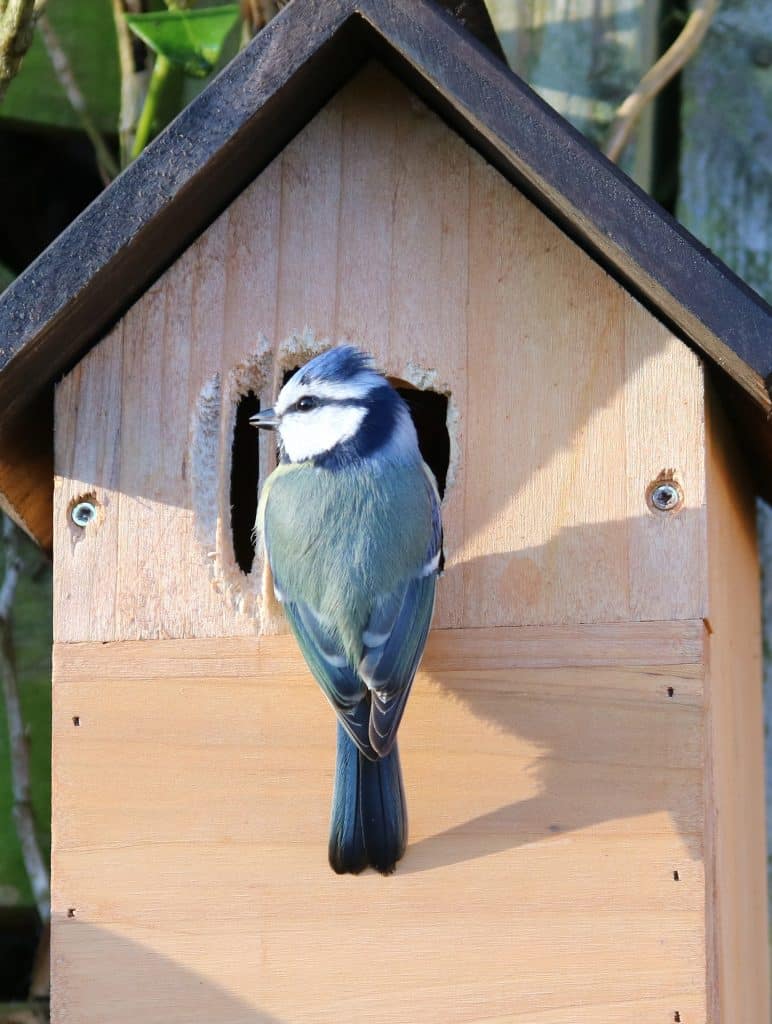
The first stage in helping to protect young chicks is making sure that there are suitable natural nesting sites in your garden, ideally ones that will be as safe from predation as possible. Birds might nest in the walls or eaves of your home, in trees or shrubs, in hedgerows etc.
Evergreens in a garden, whether trees, shrubs or climbers, can often be beneficial to birds as nesting sites early in the year.
Even when we have natural nesting sites on our properties, we can also help provide birds with suitable spots to nest and raise their young by placing a range of different nesting boxes, suited to different bird species. Place these nesting boxes in a suitable spot and chicks will tend to be safer and more secure.
Introduce A Water Feature when Gardening for Birds in Spring
Another important thing to consider when planning your garden to attract birds is adding some kind of water source to the space.
Of course, birds need water to drink, and for bathing. But many birds are also attracted to water due to the insect life it attracts. And many species will also be drawn to a space by the sounds of running or moving water.
To attract birds to your space, one of the best and simplest things to do is to create a wildlife pond. Plant around your pond and in it with marginal and aquatic plants and you have a thriving little ecosystem to draw in the birds and other wildlife.
You can further enhance your garden’s appeal for many species by adding a water feature of some kind. This might be a fountain feature or waterfall feature trickling into a pond. Or simply a bird bath or other water feature somewhere else in your garden.
How to Maintain Your Bird-Friendly Garden
Even once you have created a bird-friendly garden and are gardening for birds in spring and throughout the year, it is important to make sure that you do maintain the space.
Maintenance is especially crucial when you have a feeder or table where wild birds congregate. These bird feeding stations must be cleaned thoroughly and regularly to prevent the build up of pathogens and the spread of avian diseases.
References:
https://blog.happybeaks.co.uk/help-advice/how-to-care-for-birds-in-spring/
https://www.rspb.org.uk/our-work/rspb-news/rspb-news-stories/keep-your-garden-birds-healthy/