

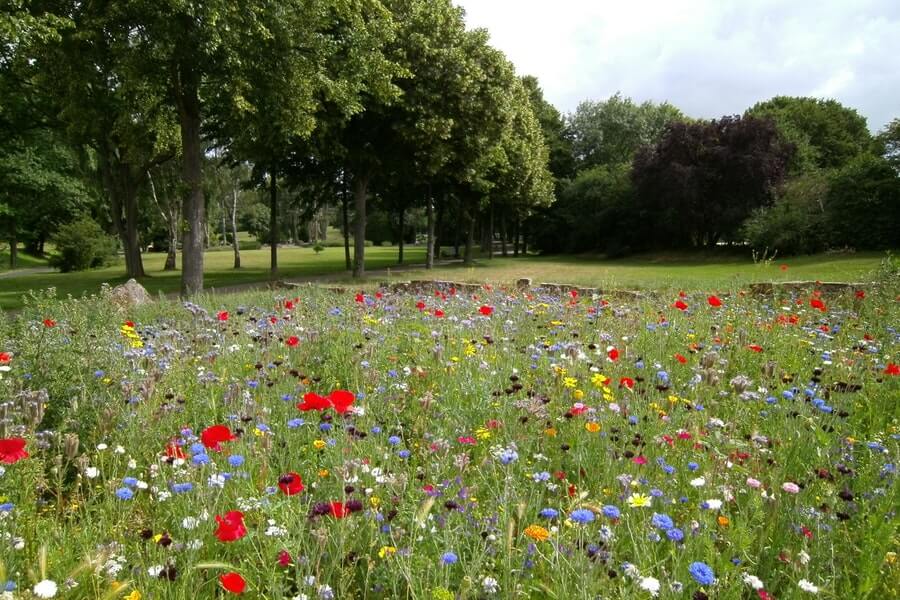
Incorporating plenty of native wildflowers into our gardens is one of the best things that we can do for wildlife, for ourselves, and for long-term health and fertility in our spaces. There are, of course, numerous native wildflowers that can be used to great effect in UK gardens.
In this article, we will look at some of the different schemes and garden areas where native wildflowers can be incorporated, and give a few examples of native plants that might be used in each of these schemes.
Native Wildflowers for a Vegetable Garden
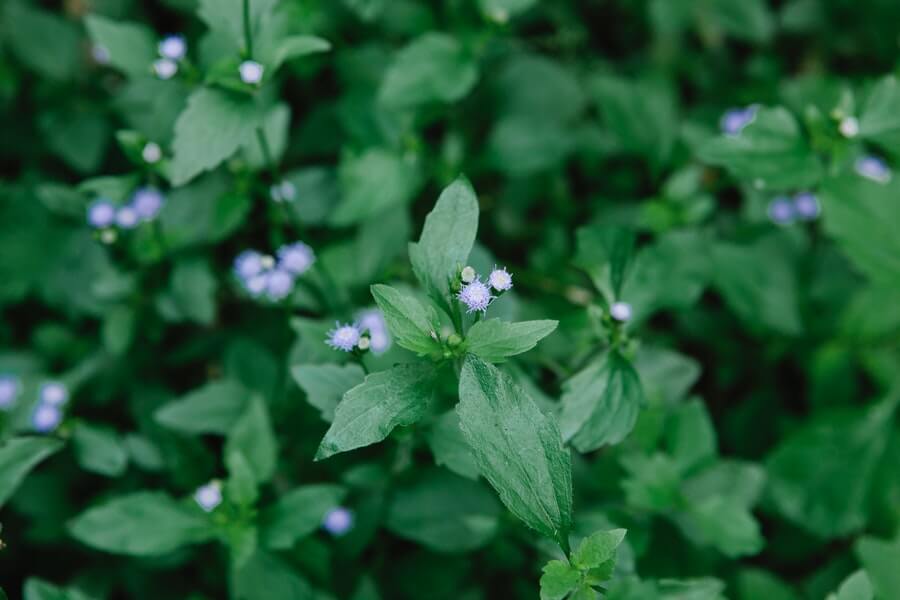
The native wildflowers that we see in our vegetable gardens might often be considered weeds. But it is important to remember that a weed can just be a native plant particularly well adapted to the growing conditions in the area. It is also important to remember that even plants commonly viewed as weeds can be very useful – even when they pop up where we do not necessarily wish them to grow. If you don’t have the ideal growing conditions to begin planting, try using a polytunnel in order to create a well rounded climate.
Some native wildflowers may even be considered as edible plants in their own right, and deliberately allowed to thrive in a food producing garden.
Chenopodium album – Fat Hen and Stellaria media – Chickweed, for example, are just two common ‘weeds’ that can be great additions to a home-grown diet. When these pop up in my vegetable beds, I may sometimes allow them to thrive. Chickweed can even make a good living mulch around, for example, your brassica plants, and can increase the overall yield from an area. The little star-like white flowers are rather pretty too.
Several other native wildflowers might also be deliberately incorporated into a vegetable garden as companion plants. A number of annual wildflowers can be beneficial in bringing in pollinators, and also predatory insects which eat insect pests. Some of my favourites are cornflowers, corn marigolds and forget-me-nots.
Of course, many biennial and perennial native wildflowers are are also very useful to vegetable growers – though are usually placed in other planting areas around, rather than actually in, your vegetable beds.
Native Wildflowers for a Herb Garden
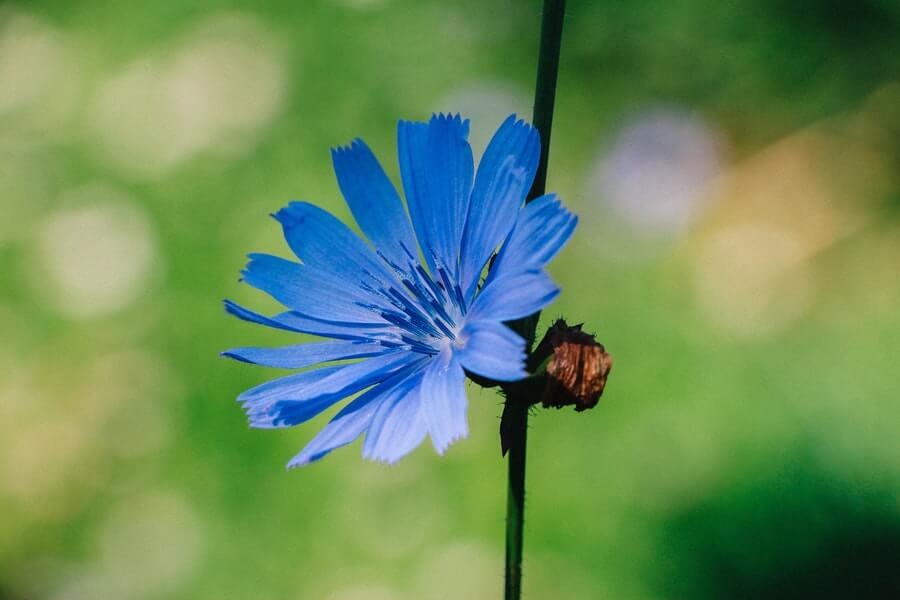
While many of our culinary herbs hale from the Mediterranean region, there are also plenty of native wildflowers which were also traditionally used as culinary or medicinal herbs, and a great place to incorporate these native plants is in a dedicated herb garden.
Alexanders, angelica, chicory, comfrey, elecampane, feverfew, lesser calamint, meadowsweet, milk thistle, pennyroyal, salad burnet, selfheal, soapwort, St John’s wort, sweet cicely, tansy, valerian, vervain, viper’s bugloss, wild basil, yarrow… these are some native plants and wildflowers which could be very useful in a herb garden. Just be sure to look at the growing conditions each plant requires to choose the very best places in which to position them. Some will thrive in a herb garden in full sun, while others prefer somewhat shadier conditions.
Native Wildflowers for Wild Lawns and Wildflower Meadows
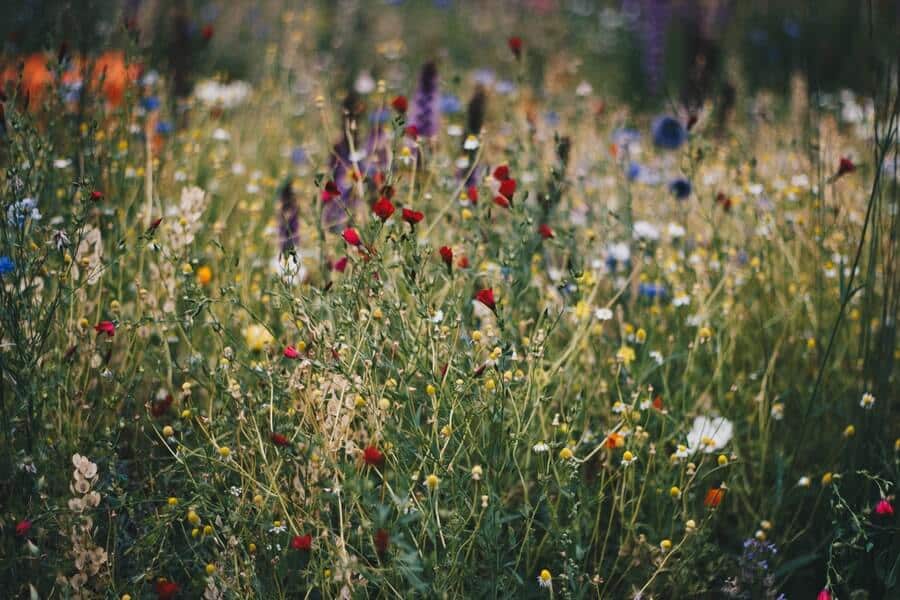
As well as incorporating native wildflowers in your vegetable beds and herb gardens, you should also definitely think about incorporating wildflowers (or allowing them to thrive) in your lawn. Or replacing some or all of your lawn with a dedicated wildflower meadow.
The specific wildflowers that you should choose will depend on where you live in the UK, the soil type and other conditions. It is important to choose a native mix specific to your area.
Native Wildflowers for a Woodland Garden or Fruit Tree Guild
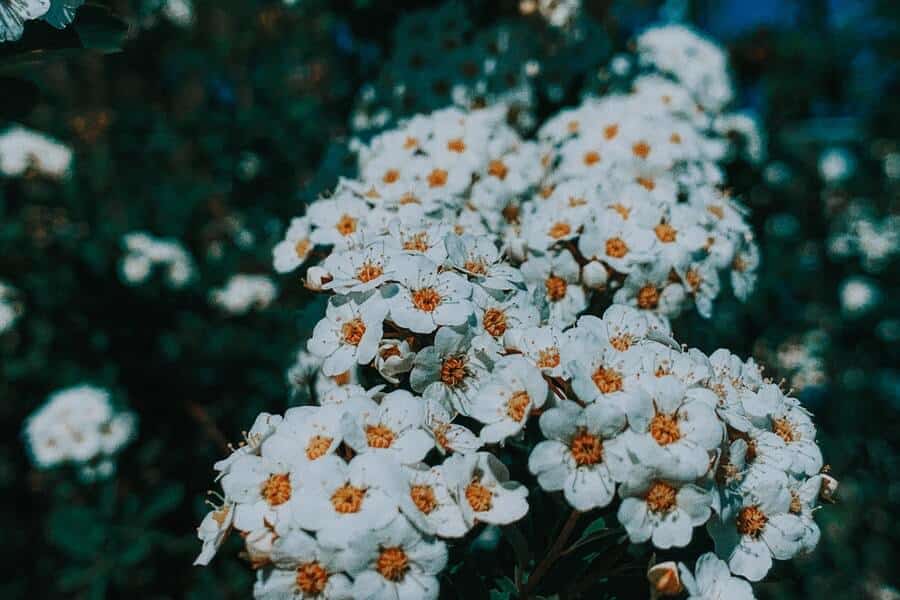
Some of the native wildflowers mentioned above in the herb garden section can cope with light shade as well as full sun, and can thrive in dappled shade below your fruit trees, or below other trees in a woodland garden. These native wildflowers can not only look good in the dappled shade below the trees, but in a fruit tree guild, can bring a range of benefits to the tree and potentially increase your yield.
From wild edibles and herbs including some of those mentioned above, to dynamic accumulators such as comfrey, yarrow etc.. there are plenty of native wildflowers which bring great benefits in a fruit tree guild. Even native weeds like hogweed and cow parsley can look lovely and bring benefits below trees. There are also the native bulbs to consider – such as snowdrops, English bluebells and wild daffodils, which can be useful as spring ephemerals.
Native Wildflowers for Ponds, Wetlands and Rain Gardens
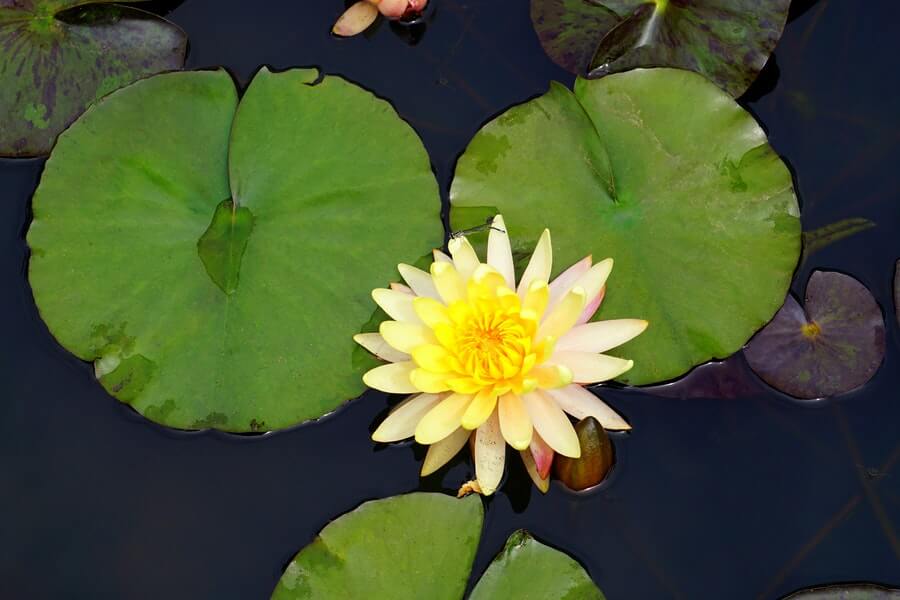
Other features where native wildflowers might be included are in ponds, wetland gardens, and rain gardens used to manage and infiltrate rainwater in your garden.
Native pond and marginal wetland plants include, for example, the British native waterlily, Nymphaea alba, frogbit, flag iris, marsh marigold, flowering rush, hemp agrimony, water avens, ragged robin, loosestrife, water mint, marsh cinquefoil, lesser spearwort, cowslip, etc…
When it comes to planting a rain garden, you need plants which can cope with wet and dry conditions as rainfall varies throughout the year, and at different levels – at the base, on the slopes, and around the top of the feature. Marginal plants including yellow flag iris work well in the base and by the inlet to the rain garden. Other native plants for a rain garden in the UK include crab apple, elder, Rosa rugosa, guelder rose, foxgloves, campanula, cranesbills, bugle, etc…
Of course, the plants mentioned in this article are just some of the many native wildflowers to consider. And we’ve only explored some of the main ways to incorporate them into your garden. You might also add wildflowers and native flowering climbers and shrubs as part of a hedgerow in your garden or around its boundary. You might also simply add some native wildflowers to a traditional border for an informal and wildlife friendly space.