

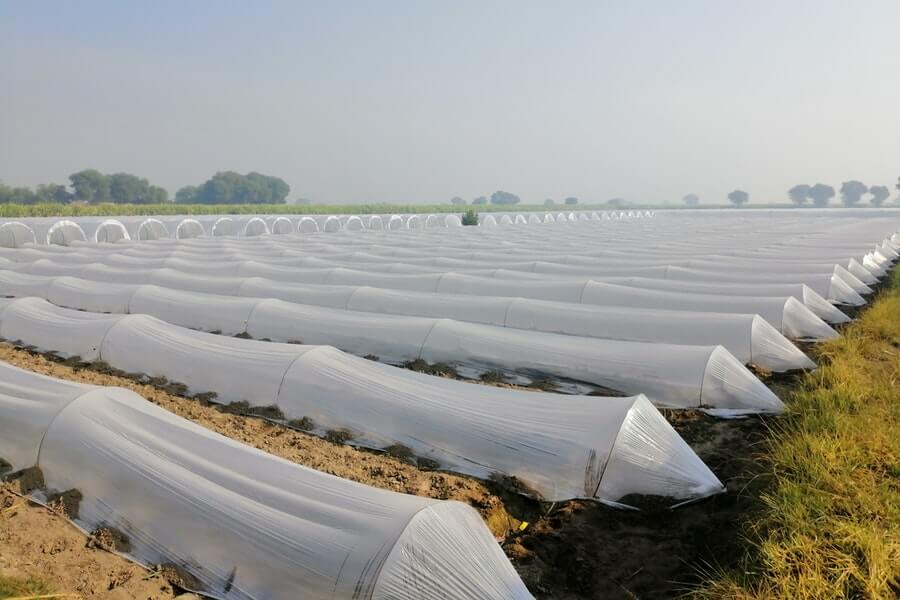
What to grow in a polytunnel? If you are new to polytunnel gardening, you may struggle when faced with the variety on offer in deciding what to grow in a polytunnel. Most polytunnel gardeners will choose to grow a range of different fruits, vegetables, herbs and flowers.
But just what can you grow in a polytunnel? And how exactly should you go about the process of deciding which species and varieties to choose? Here are some key tips to help you in deciding what to grow in your polytunnel garden this year.
What Can You Grow In A Polytunnel?
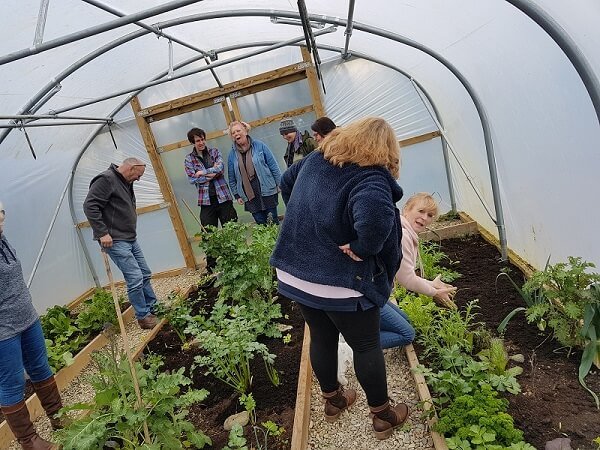
Polytunnels are becoming more popular among gardeners because of their sheer versatility. As well as direct vegetable sowing, a polytunnel is the perfect environment to bring on healthy plug plants.
French beans, runner beans, sweetcorn, cabbage and bedding plants for borders all thrive under cover at the beginning of their growth cycle, ensuring your crops get off the a successful start. Also, you can plant up hanging baskets and containers too, leaving them in a corner until the frosts have passed.
On top of this, polytunnels allow you to grow your seasonal favourites all year round. In April’s hungry gap, you can be picking lettuce, rocket, radish, lambs lettuce and the first carrots while broad beans and peas will arrive weeks before their exposed neighbours. Plus, with a polytunnel, your crops will arrive faster and much bigger!
What To Grow In A Polytunnel
Now you know how versatile polytunnels can truly be, it’s time to choose exactly what you’d like to grow from all the variety available.
Choosing What To Grow In A Polytunnel
Although these plants and crops are Here are our tips on choosing what to grow in a polytunnel for a bountiful harvest all year round.
Observation of Your Specific Site Is Key To Deciding What To Grow In A Polytunnel
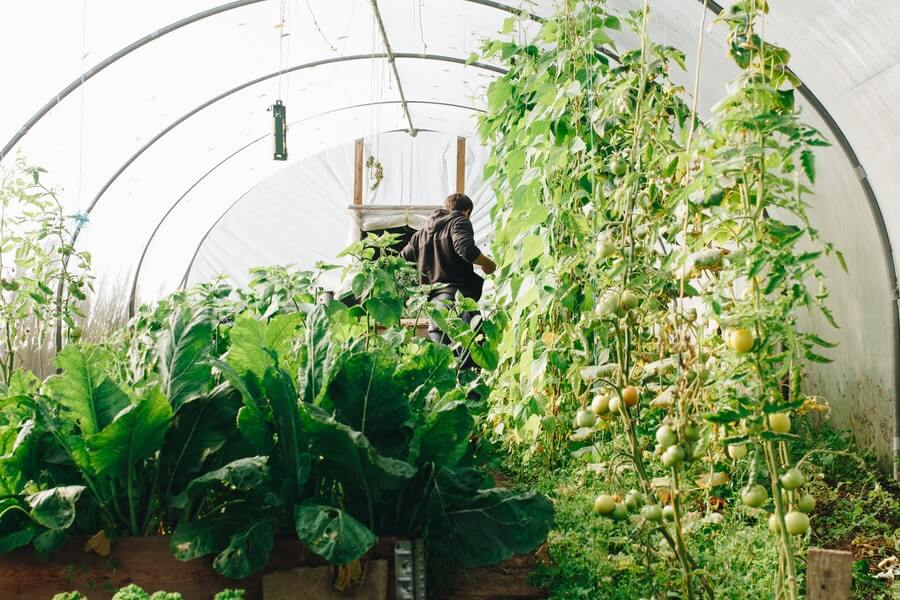
Going back to the basics of horticulture is crucial in making decisions about which plants you will grow in a polytunnel garden.
Key to success is always finding the right plants for the right places. This involves understanding the characteristics of your particular garden, and the growing needs and environmental preferences of different plants.
No gardener can ever succeed without a keen eye and excellent observational skills. Before you think about purchasing seeds or plants for your space, make sure you really look at your garden. There is a lot that you can learn from what you see.
Thinking about the sunlight and shade, wind and water, temperatures, humidity, and soil are all fundamentals which will be crucial in making the right decisions when you are deciding what to grow in a polytunnel – both under cover and outside in your garden.
Make Sure You Plan for the Whole of the Available Space
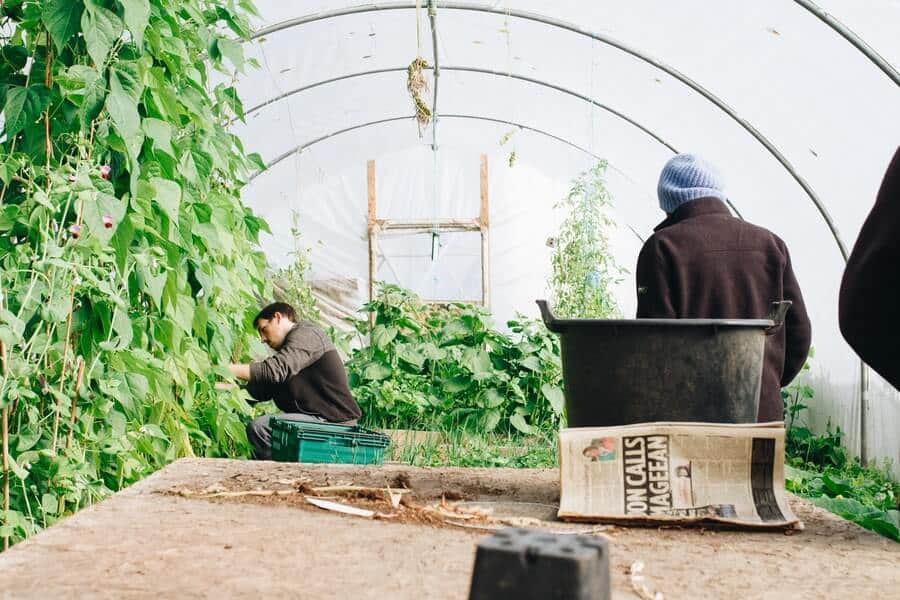
In polytunnel gardening, outdoors conditions are of course mediated by the environment created within. A polytunnel can potentially provide appropriate growing conditions for a much wider range of plants than a typical outdoors garden.
However, one downside to a typical domestic polytunnel is that it can restrict the size of the planting area available. This means that you need to be even more careful when choosing what to grow, and even more thoughtful about your use of space.
No matter how much space is available in a polytunnel, you will always find that it fills up quickly. But by making a careful and thoughtful plan for the entirety of the space – vertical as well as horizontal – you can create a holistic plan to integrate plants in ways which make the most of the area available.
Thinking about the use of space carefully before choosing plants can help you make sure you can maximise yield within the area.
Decide What To Grow Year Round – Not Just in Summer

When deciding what to grow in a polytunnel, it is also important to remember that in a polytunnel garden, you can grow year round – not just over the primary summer growing season.
To make the most of a polytunnel garden, selecting plants with reference to the whole of the year can help you to work out timings, and make the most of the time, and well as the space, that is available.
Remember that you may sow and plant in spring for summer, autumn, and winter cropping. But you may also sow and plant in other seasons. Considering how the space will be used over the whole year can help you choose plants which will fit in well into a holistic planting and harvesting schedule.
Consider Subsequent Years When Making Plant Choice Decisions
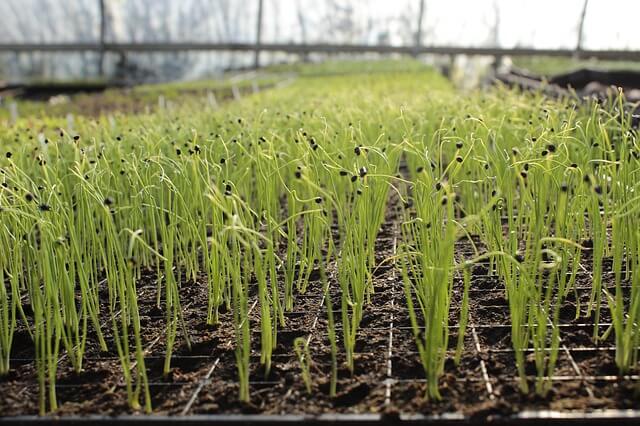
Another thing to consider when deciding what to grow in a polytunnel is how you may have to rotate annual crops between different polytunnel beds or growing areas in subsequent years.
When making plans and choosing plants, think about whether plants will remain in place and grow over a number of years, or will need to be grown in a different spot each year. Think about the plant families to which particular plants belong, and whether crop rotation is important for that family.
Thinking about crop rotation from the outset can help you to manage pests and disease, and ensure plant health and fertility long term. If you don’t consider crop rotation and future needs when making plant choice decisions, you may encounter issues down the road.
Deciding What to Grow In A Polytunnel Is About Combinations, Not Just Individual Plants
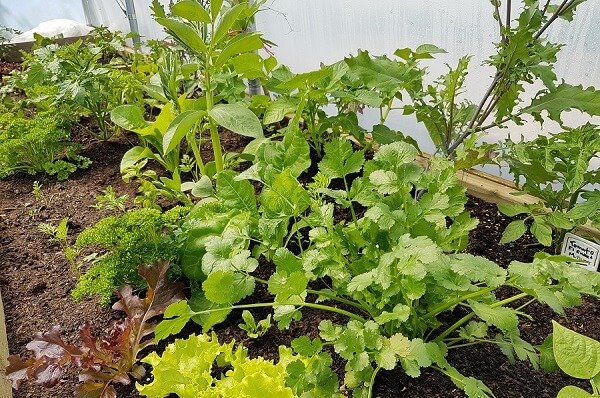
Remember, making decisions about what to grow in a polytunnel is not just about choosing specific species and varieties. It is also about considering how plants will work in relation to one another.
Careful companion planting can make a big difference to how easy your garden is to maintain, to its long term health and to the size of the yields that you are able to achieve.
Consider the environmental needs of different plants, which have similar needs and where needs differ considerably. Think about the root systems of different plants, and whether plants will be overly competitive with one another for water and nutrients, or will make good neighbours for each other.
Consider Your Own Preferences and Desires When Deciding What to Grow In A Polytunnel

Creating the right combinations of plants is, of course, not just about their own health and the overall performance of the system. It is also about creating a polytunnel garden that can, overall, meet your needs.
A polytunnel garden can provide yields to meet both physical and emotional needs. It can be both useful and beautiful. Choosing the right plants when deciding what to grow in a polytunnel can make sure that your polytunnel provides the yields: food, medicine, crafting materials etc.. that you require and desire.
In polytunnel gardening, the primary desire is usually food production. But that does not mean that you should overlook the other yields that your garden can provide. You also, of course, need to make sure that the plants you grow provide the things you personally actually want to eat or use.
Consider Plant Propagation When Deciding What to Grow In A Polytunnel
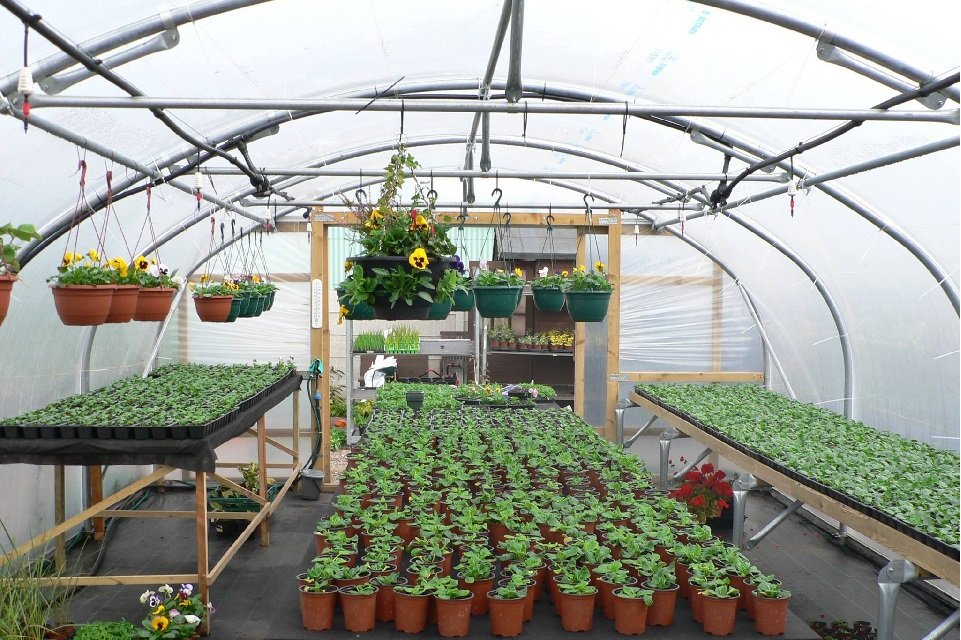
Once you begin to zero in on which crops and companion plants you would like to grow, you should also think about whether you would like to save your own seeds, and propagate your own plants. If you would like to save your own seeds from culinary crops, then you should think about choosing heritage fruit and vegetable varieties. H1 hybrids will not come true from seed[i].
However, if plant propagation is not a top priority, the superior performance and resistance of hybrid vegetables etc. can sometimes mean that these are sensible options to choose.
Make Sure You Don’t Put All Your Eggs in One Basket
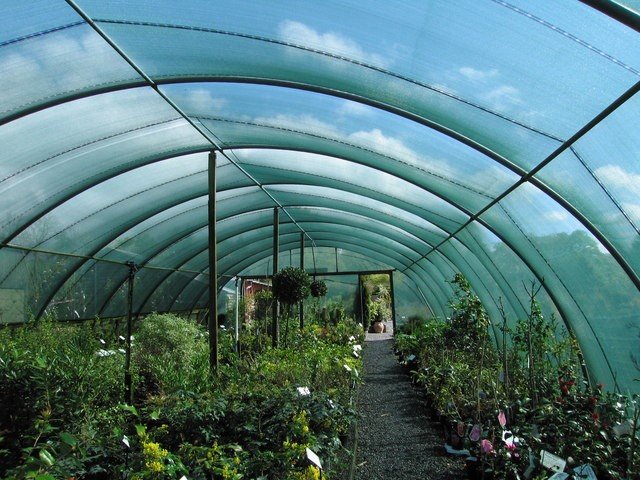
Finally, when it comes to choosing both species, and honing in on specific varieties, it is important to diversify.
Often, it can be a good idea to consider trying several different species or varieties, to boost diversity and make sure that even when one crop fails, another may succeed. Don’t put all your eggs in one basket.
Deciding On What To Grow In A Polytunnel
If you consider all of the above, you should be able to avoid some common pitfalls. You can make sure that you are really making the right choices when deciding what to grow in a polytunnel, and are making the most of your polytunnel garden.
Sources
[i] https://www.rhs.org.uk/vegetables/f1-hybrids