

In 2025, amidst a backdrop of economic uncertainty, ecological breakdown, and ever-increasing disconnection from the natural world, the simple act of growing your own food is more relevant and powerful than ever.
Far from being a nostalgic throwback to wartime victory gardens or a niche hobby for the green-fingered, food growing has emerged as a cornerstone of personal resilience and environmental responsibility. But many are still unaware of the benefits of growing your own food.
The choice to cultivate even a modest portion of your own produce—whether in a rural garden, an urban balcony, or a community allotment—can yield profound and wide-ranging benefits. Below, we explore the many reasons why growing your own still matters, and how it can empower individuals, families, and communities to live better, healthier, and more sustainably in the modern world.
Why Growing Your Own Food Matters More Than Ever in 2025
In 2025, many of the world’s most pressing problems—rising food prices, climate instability, mental health struggles, and community fragmentation—can find real, practical solutions in the humble garden.
As inflation and economic uncertainty persist, families are struggling to put nutritious food on the table. A productive garden offers a direct response, providing fresh produce at a fraction of the cost. It offers food security when supply chains falter and ensures access to nutrient-rich ingredients that may be unaffordable in shops.
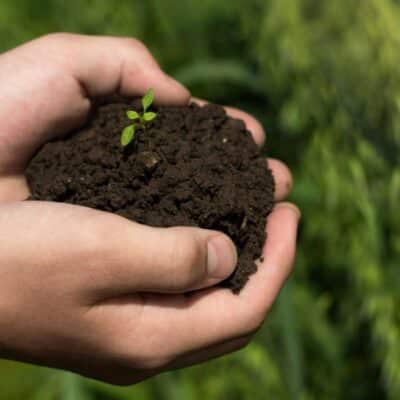
Climate change is another escalating crisis. Industrial agriculture remains a major contributor to greenhouse gas emissions, yet gardens—especially when designed using organic or permaculture principles—can help reverse this trend. By improving soil health, supporting biodiversity, and absorbing carbon, a well-managed garden becomes part of the climate solution rather than the problem.
Loneliness and mental health issues are also on the rise. Tending a garden fosters mindfulness, routine, and a deep sense of connection with the natural world—proven ways to reduce anxiety and depression. Community gardens go further, offering spaces for social interaction, shared learning, and mutual support.
Plastic pollution, food waste, and a lack of ecological awareness also plague modern life. Gardens replace packaging with baskets, landfill with compost, and consumerism with self-sufficiency. They reconnect people to the rhythms of nature and the origins of their food.
In a world grappling with disconnection, resource scarcity, and ecological collapse, the act of growing food is not a quaint pastime—it’s a powerful, hopeful act of regeneration.
1. Provide for a Family on a Low Income
Food insecurity remains a pressing issue for many families in the UK and beyond. Inflation, global supply chain disruptions, and volatile agricultural markets have sent grocery prices soaring. In this context, growing your own food can be an act of liberation.
Even a small kitchen garden can supplement a family’s diet with fresh fruit, vegetables, and herbs, dramatically reducing reliance on costly store-bought produce. Potatoes, courgettes, beans, kale, and tomatoes are particularly high-yielding and can be grown inexpensively from seed. For those on a low income, this is not just about saving money—it’s about regaining control over what goes on the plate.
2. Save Money on Groceries
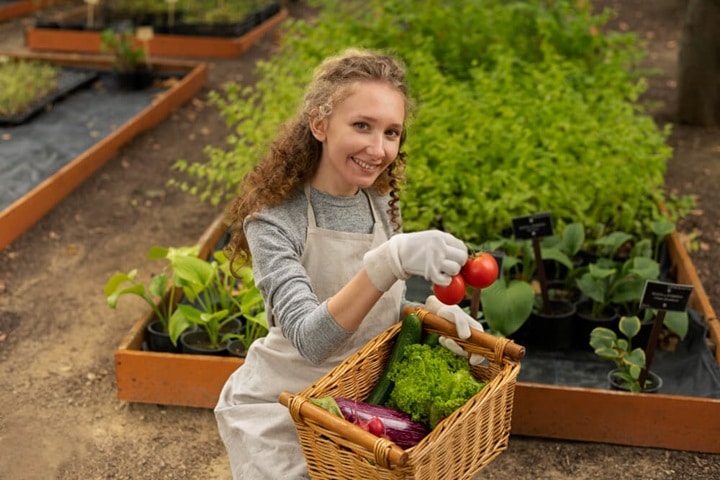
For rich and poor alike, the cumulative savings from home food production can be remarkable. Once the initial investment in tools, compost, and seeds is made, the ongoing costs are minimal. Perennial crops like rhubarb, raspberries, or herbs return year after year with little additional input, offering free harvests long into the future.
Homemade preserves, pickles, and drying or freezing excess produce can also extend the usefulness of your harvest and reduce the need to buy out-of-season imports. A well-managed garden, particularly one guided by permaculture principles, can turn into a self-sustaining food system with excellent economic returns.
3. Access Fresh, Nutrient-Rich Food
Nutritional content declines the longer produce sits on supermarket shelves. Food that’s picked and eaten fresh from your own garden retains its full complement of vitamins, minerals, and beneficial phytochemicals. This is especially important for leafy greens, which begin losing vitamin C within hours of harvest.
By growing your own, you ensure access to the freshest possible food. You also have the freedom to choose heirloom or heritage varieties, many of which are far superior in taste and nutrition to their commercially bred counterparts.
4. Limit Exposure to Harmful Chemicals
Commercial agriculture still relies heavily on synthetic pesticides, herbicides, and fertilisers—substances increasingly linked to soil degradation, biodiversity loss, and human health concerns. By contrast, home growers can choose to garden organically, avoiding harmful chemicals entirely.
Using compost, mulch, companion planting, and natural pest deterrents, gardeners can create robust, resilient systems that nourish both the body and the earth. The peace of mind that comes from knowing exactly how your food was grown is invaluable.
5. Withdraw Your Support From Damaging Agricultural Systems
Industrial farming contributes significantly to global carbon emissions, deforestation, water pollution, and soil erosion. It relies on fossil fuels, monoculture practices, and long-distance transport networks that are neither sustainable nor equitable.
Growing your own food allows you to step outside this broken system. While one garden may be small, the collective impact of millions of such plots is substantial. It’s a quiet but powerful act of protest—a way to opt out of exploitative food chains and cultivate a more just, localised alternative.
6. Cut Your Carbon Footprint
Food miles matter. Much of the produce in UK supermarkets has travelled thousands of miles to reach your table, burning fossil fuels all the way. Packaging, refrigeration, and processing add yet more environmental cost.
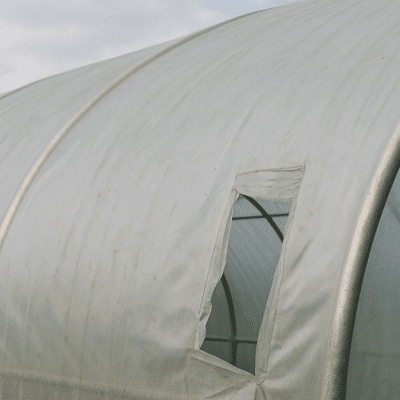
By sourcing food from a polytunnel or other growing area in your own garden or on a community plot, you slash emissions at every stage. Composting organic waste further closes the loop, converting what would be rubbish into rich soil amendment and reducing food that ends up in landfills and contributes to greenhouse gas emissions.
7. Minimise Food Waste
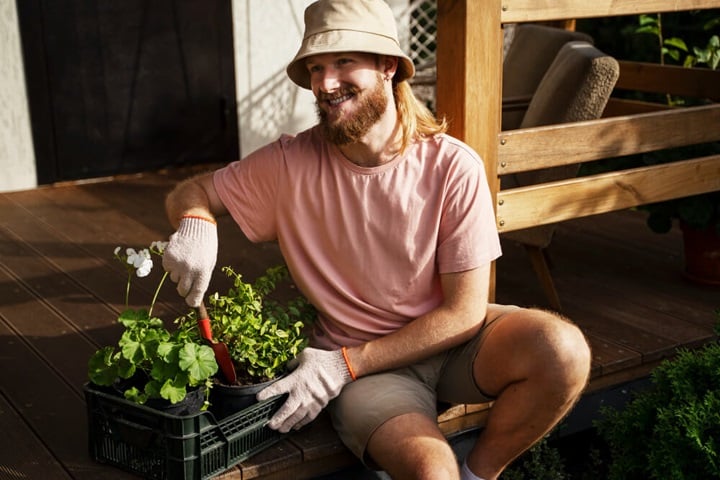
When you grow your own food, you’re intimately connected to the effort it takes to produce it. This respect fosters a more mindful approach to consumption. You’re far less likely to waste a tomato you’ve watched ripen slowly over weeks than one you grabbed on a supermarket shelf.
Leftovers become compost, peels feed the soil, and surplus harvests can be shared with neighbours or preserved for later. Growing food nurtures a deeper sense of stewardship—an antidote to the throwaway culture that plagues modern society today.
8. Reduce Plastic Use
Grocery shopping often means bringing home a small mountain of plastic packaging. From cling-wrapped cucumbers to bagged salad, convenience comes at a cost.
In contrast, harvesting your own food eliminates the need for single-use plastics entirely. Reusable baskets, containers, and cloth bags take their place. When seeds are saved and swapped locally, even packaging in the gardening process can be kept to a minimum.
9. Improve and Make the Most of Your Garden or Growing Space
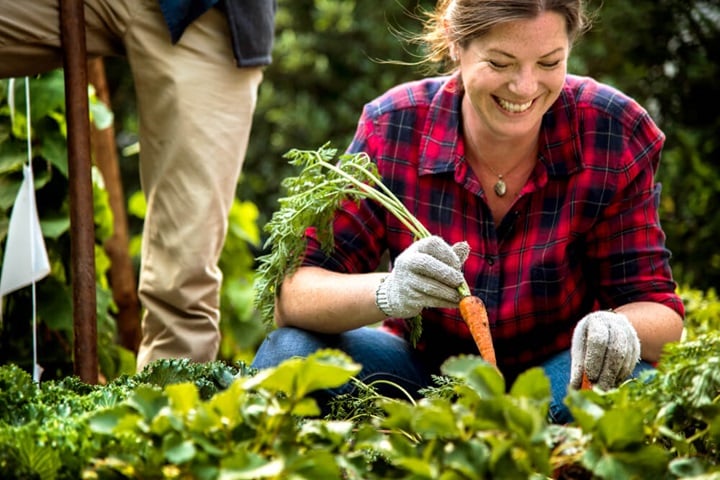
Any outdoor space can be transformed into a productive oasis, no matter how small. Urban gardeners are finding innovative ways to grow vertically, in containers, or through hydroponic systems on balconies and rooftops. Even shaded courtyards can support mushrooms, herbs, or cool-loving greens.
By growing food, you’re making the most of your available resources and increasing the biodiversity and beauty of your surroundings. Fruit trees, edible plants, and perennial vegetables can be integrated seamlessly into ornamental landscapes, offering both form and function.
10. Benefit Local Wildlife
Gardens that prioritise food production also tend to support local ecosystems. Pollinators flock to flowering herbs, fruit trees, and companion plants. Birds benefit from seed heads and shelter, while amphibians and insects thrive in ponds, compost heaps, and undisturbed corners.
When gardeners use organic methods and avoid pesticides, they create safe havens for wildlife. This is especially vital in 2025, when biodiversity loss has reached critical levels here in the UK and around the world.
11. Improve Physical and Mental Health
Gardening is proven to reduce stress, anxiety, and depression. The physical activity involved—from digging to watering to harvesting—promotes cardiovascular health and flexibility. Time spent outdoors enhances vitamin D levels and resets circadian rhythms.
Beyond the physical, gardening fosters good mental health, mindfulness and a deep sense of connection to nature’s cycles. There’s something profoundly healing in the act of tending to life—especially in a world that often feels uncertain and disconnected.
12. Boost Personal Resilience & Gain Useful Skills
Learning to grow food builds competence, confidence, and autonomy. Gardeners develop a working knowledge of botany, soil science, weather patterns, and pest management. They become problem solvers and planners, always thinking a season ahead.
These are not just quaint hobbies—they are essential life skills. In a time of mounting global crises, the ability to provide for oneself and one’s family is no small thing. Gardening fosters a kind of quiet resilience that is increasingly rare and deeply necessary.
13. Help Children To Develop the Right Habits and Grow Well
Children who are involved in growing their own food are more likely to eat healthily, develop a love for nature, and understand the origins of what they consume. Gardening teaches patience, responsibility, and the importance of hard work.
It also provides an antidote to screen time and structured schedules, offering open-ended play and exploration. Watching a seed grow into a meal is an awe-inspiring lesson in biology, ecology, and interconnectedness that no classroom can quite replicate.
14. Build a Stronger and More Resilient Local Community
Community gardens, seed swaps, shared composting schemes, and co-operative food growing projects all strengthen local ties. They foster collaboration, mutual support, and a shared sense of purpose.
In 2025, as social isolation and economic disparity widen, these spaces become more than just places to grow food—they become hubs of resilience and connection. Growing together helps rebuild the social fabric that holds communities strong in hard times.
15. Provide Food Security in the Face of an Uncertain Future
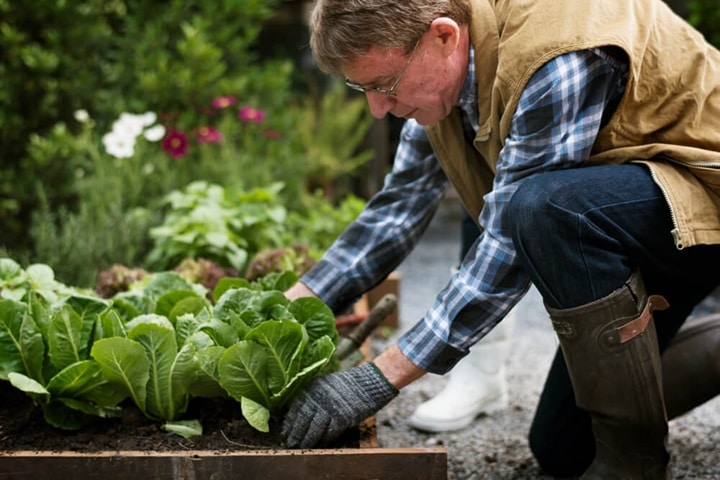
Climate change, political instability, and global pandemics have all underscored the fragility of our current food systems. Supply chains can break, prices can spike, and access can disappear in a moment.
Having a reliable local source of fresh food is no longer just a lifestyle choice—it’s a safeguard against uncertainty. Home growing provides a buffer, a safety net, and a means of self-reliance when the future feels unpredictable.
Growing your own food in 2025 is no longer just about frugality or sustainability—it’s about empowerment. In planting a seed, you plant hope, resilience, and a better way forward. Whether you’re tending a small container of herbs or managing a full kitchen garden, you’re participating in a quiet revolution—one that allows us all to grow together.
FAQs
How does growing food help the environment?
Growing your own food reduces your reliance on industrial agriculture, cuts transport emissions, and eliminates packaging waste. Organic gardening methods improve soil health, boost biodiversity, and support pollinators and other beneficial species. It’s one of the most effective ways to live more lightly on the Earth.
What skills can you learn by growing food?
You’ll gain practical knowledge of plant care, composting, seed saving, soil building, and seasonal planning. You’ll also develop soft skills like patience, observation, and adaptability. These are not only useful in the garden but in every area of life.
Sources
Randall, M., (2025) The benefits of gardening for people with dementia. Alzheimer’s Society. [online] Available at: https://www.alzheimers.org.uk/blog/benefits-gardening-people-dementia