

Today, those with an eco-friendly frame of mind will often focus on tackling the climate crisis by running a biodiverse garden. And doing so is important! We are facing another ongoing crisis of biodiversity loss. In part due to climate changes, in part due to other issues like habitat destruction, pollution and other devastating by-products of modern society, we are losing species around us at an alarming rate. Many species are declining in number and many more are at serious risk of extinction.
The important thing to understand is that biodiversity losses are not only a concern in and of their own right, because wildlife has value and we should wish to preserve it, but also because the diversity of plant and animal life around us is crucial for our own continued survival on this planet. Biodiversity loss, like climate change, is an existential threat for humanity.
Bringing things are more personal and local in scope, running a biodiverse garden is very important in any food-producing garden. Below, we will explore what we mean but a biodiverse garden, and why promoting and preserving biodiversity is so important, not only globally speaking, but also within the garden, for the gardener.
What Is A Biodiverse Garden?
A biodiverse garden is one that contains a wide variety of plants, animals and other life. Crucially, however, it is not only a space that has numerous species, but also which combines those species or allows them to combine to create beneficial interactions between them.
One important thing to remember is that much of the life in a garden is not visible to the naked eye. In addition to protecting and encouraging wildlife that we can see into our space, it is also important to think about preserving biodiversity where it cannot be seen – most crucially, below the soil surface.
Why Is It Important To Have Diversity In A Food Garden?
Having a biodiverse garden for producing food is important to:
- Preserve the natural variety of life on Earth, for its own value.
- Ensure a large number of beneficial interactions within an ecosystem.
- Make sure we, as gardeners don’t put all our eggs in one basket.
- Preserve and maintain fertility in our growing systems.
- Benefit from seed dispersal.
- Ensure pollination for key crops.
- Maintain equilibrium in an ecosystem and make sure pest species don’t proliferate too much.
The Intrinsic Value of Life on Earth
First of all, it is vital to recognise the intrinsic value of all life on earth. From the largest mammals to the smallest micro-organisms, all life has value. Morally as well as practically, we should aim to preserve that life wherever and however we can.
In a food-producing garden, we are aiming to meet basic human needs. But we should not do so at the expense of other life around us. By understanding which gardening practices contribute to the destruction of habitat or cause harm to wildlife, and which can benefit the life around us as well as ourselves, we can make sure we are a force for good in this world rather than a force for ill.
All gardeners should appreciate and respect the intrinsic value of life on our planet. And should take steps to do all they can to work in concert with nature rather than fighting it. Some might argue that it is our duty to look not only to our own needs, but recognise our place – no better and no worse – within the system as a whole.
Beneficial Interactions
Of course, moral and philosophical obligations are only part of the picture. We also need to recognise that we are just one more animal in our ecosystems. Though we often consider ourselves to be separate from and sometimes ‘above’, we are, in the end, just one among many living things that ‘garden’, and obtain what we need from the natural world of which we are a part.
Everything is connected. And when we recognise this, we can harness this feature of the natural world and use it to our advantage. We can work with and in nature – recognising beneficial interactions between plants and animals and other elements in a system, and working to use them, and to increase those beneficial interactions wherever possible.
When we talk about beneficial interactions, we are not only talking about those interactions that are beneficial to us, but more so about interactions that are beneficial within and for the system as a whole.
The more diversity there is within a garden, the more beneficial interactions there can be. The more beneficial interactions there are within a system, the more stable that system will be over time. Stability brings a form of natural resilience that means that any system in a garden will be more likely to stand the test of time.
Redundancy & Resilience
From a more anthropocentric perspective, ensuring that we introduce and maintain diversity in a food-producing garden allows us to create more resilient systems, upon which we can depend. We should, as we garden, avoid putting all of our eggs in one basket.
This means not only running a biodiverse garden (in terms of the number of species present, the populations of each species, and beneficial interactions). It also means ensuring diversity in terms of the specific varieties of plants and crops we choose, the elements we include, and the methods we employ.
By ensuring all of these forms of diversity, we can build resilience, and create systems that are better able to sustain us and meet our own needs over time.
Diversity for Fertility Long-Term
Within a garden, there are further more specific benefits that biodiversity and other forms of diversity can bring.
Within a biodiverse garden, there can be a range of plants that provide fertility through nitrogen fixation, and wildlife that brings fertility to the garden through waste etc.
As organic matter accumulates, life below the soil can also thrive. And it is the web of life below the soil that is especially crucial in ensuring long-term fertility in any garden.
Diversity in your plant and variety choices, in an annual vegetable garden to give one example, can help you maintain a good balance of nutrients in the soil, and rotate those crops and combine them for long-term fertility.
Natural Plant Propagation
When there is a good variety of wildlife in a garden, this can also ensure the dispersal of seeds in a natural way as birds and other animals eat seeds then deposit them elsewhere.
This natural method of plant propagation means that we can have interesting volunteer plants popping up. While we may often think of these as weeds, they can often be beneficial in a garden. (The wild raspberries that birds deposit where I live are just one example of this.)
Pollination
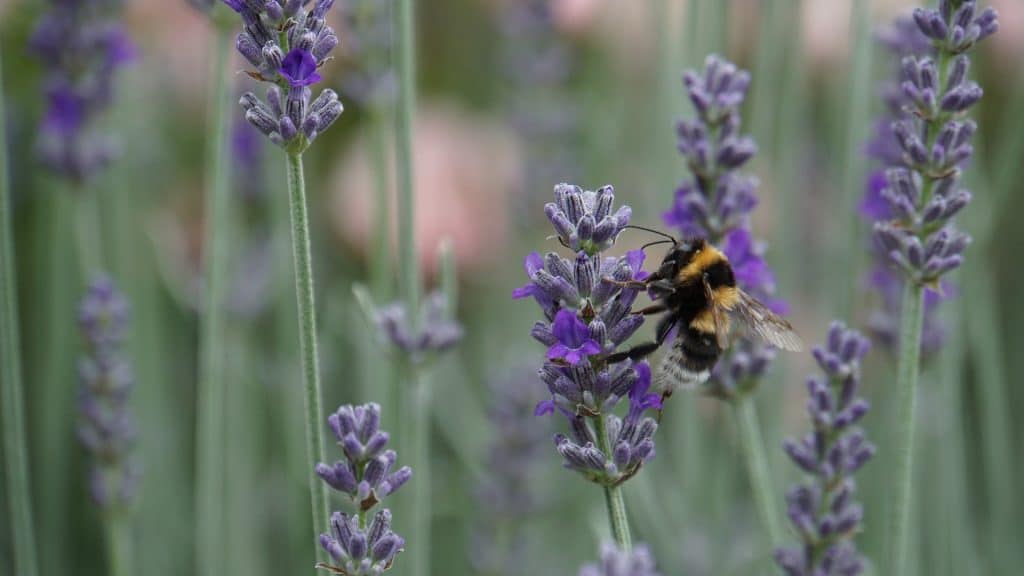
Remember, we also need wildlife around for pollination. Bees and many other insect pollinators are crucial for many fruits and nuts and other insect-pollinated crops to grow to maturity. Without insects to provide pollination services we would have to laboriously take pollination into our own hands in order to grow these foods.
Organic Pest Control
Wildlife is also crucial to have around in our gardens for pest control. The more biodiverse a garden, the easier it will be to maintain it in a sustainable and organic way. In a biodiverse environment in an organic garden, we will have pests, and these will also have a role to play. But their numbers will be kept in check by predatory species.
How To Create A Biodiverse Garden
To promote biodiversity in a garden, there are a number of things that we can do. Creating and maintaining biodiversity is not just about the plants we initially select, but also about how we combine them in the most effective ways.
When choosing plants for our gardens we should:
- Plant plenty of native plant species.
- Select plants for blooms throughout as much of the year as possible.
- Choose plants with diverse blooms, sizes, forms and growing habits.
- Go for plants and varieties that fulfil as many different functions as possible.
- Choose multiple plants to fulfil each function.
However, it is important, also, to think beyond individual plants and create habitats – functioning ecosystems that can support as much life as possible above and below the soil.
From bringing more biodiversity to our vegetable gardens, to creating native habitat schemes to garden rewilding, there are plenty of things we can all do to ensure natural diversity where we live.
The key thing is to think holistically to make your garden as healthy and resilient as possible.
References:
https://www.weforum.org/agenda/2022/10/nature-loss-biodiversity-wwf/