

How To Add Biodiversity to a Summer Vegetable Garden
Adding biodiversity to your garden’s planting will boost the biodiversity in wildlife too. And boosting biodiversity is always a wonderful thing to do.
When you add biodiversity, this means increasing the number of species present – plants, and wildlife above and below the soil. But more importantly, it involves increasing the number of beneficial interactions that occur within the system.
Learning how to add biodiversity is very important for any organic gardener who wants to do the right thing – not only to make their garden as beautiful and productive as possible – but also to work in harmony with the natural world.
Why Boost Biodiversity?
Learning how to increase biodiversity in your garden is not just about cramming in as many different plants as possible. It involves thinking very carefully about the plants you grow, how you combine them, the habitats you create and the life you welcome in.
This is important because any system can be enhanced and improved by an increase in diversity.
One way that biodiversity improves a garden is by increasing stability and resilience. The more beneficial interactions there are within a system, the more stable and therefore resilient the system can be.
Everything is connected, and the more strong bonds can form between different elements in a garden, the stronger the whole system will be.
Biodiversity is not just something that is ‘nice to have’. It is essential for the function of the system overall. We need the complex webs of life around us, above and below the soil, to garden successfully.
We must always remember as gardeners that we do not garden alone. Everything ‘gardens’ in the sense that it alters the environment around it.
We rely on plants, animals and micro-organisms around us to do a wide range of different ‘jobs’ in our gardens. When biodiversity suffers, our gardens suffer too. And gardening becomes a whole lot more difficult, and perhaps even impossible.
Biodiversity, alongside diverse strategies and methods, can also help us to make sure that even when one thing goes wrong, we can still succeed since we don’t have all our eggs in one basket.
Add Biodiversity in an Existing Vegetable Garden
Obviously, when we plan and plant a garden, we should be doing so with biodiversity in mind. But boosting biodiversity is not just something to think about at the early design stage, nor does the journey end when you plant, and do spring sowings.
Even when plantings in a vegetable garden are already in place, and your garden is in full swing, there are still more things that you can do through summer to make your existing growing areas even more successful and abundant.
Here are some ways to add biodiversity to a summer vegetable garden that is already in full swing:
Add Herbs To Your Existing Vegetable Garden
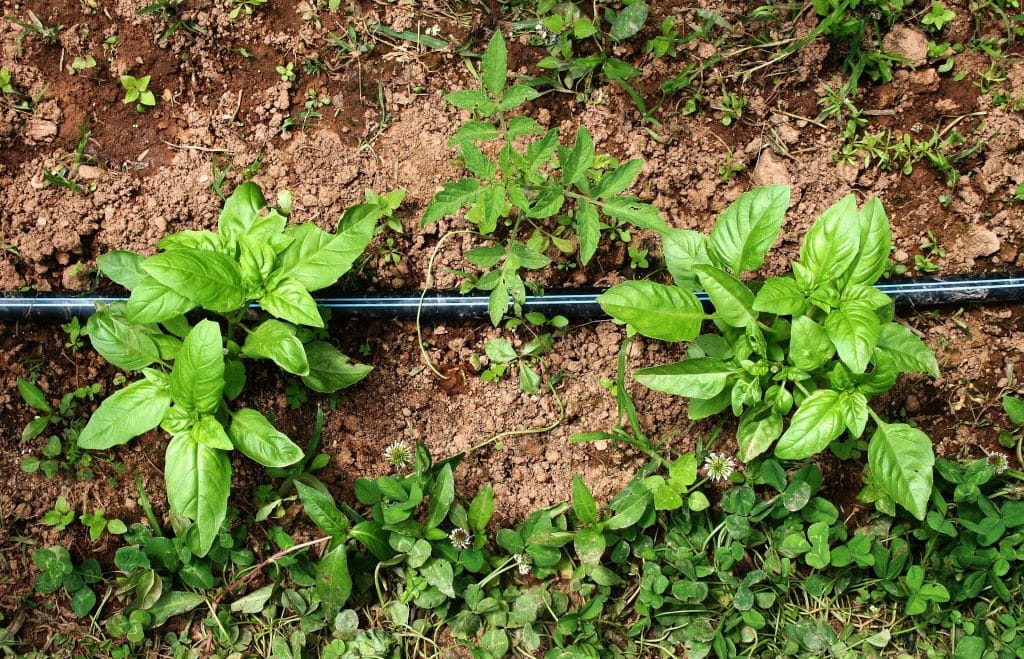
If you are already familiar with the concept of companion planting, and have taken steps to add some companion plants in your vegetable garden, you may already have some herbs growing among your fruits and vegetables.
But even if you did not consider companion planting at the start of the growing season, you might still add some herbs to a garden already in full swing.
Add Summer Bedding Plants As Companion Plants to Summer Crops
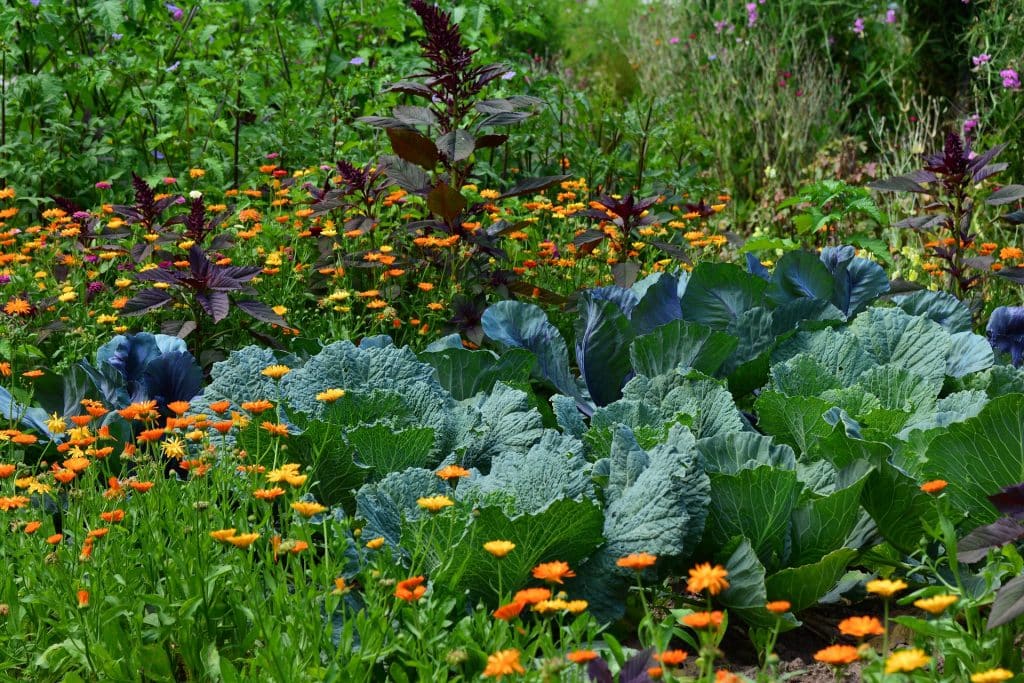
Annual flowers can also often be excellent companion plants for common summer crops. And where you have planted these already, you will likely have seen the benefits as these flowers draw in pollinators and other beneficial insects.
It might be too late to direct sow flower seeds. But you might still consider doing more for pollinators and other wildlife by adding some bedding plants as companions for your summer crops.
To add biodiversity in your garden, you should have flowers in bloom over as much of the year as you possibly can.
Remember, both herbs and flowers can help you meet with success in a vegetable garden by attracting pollinators or other beneficial insects that help keep pest numbers down, by repelling, confusing or distracting pest species, etc…
Fill Gaps In Your Garden With Quick Crops Like Cut-and-Come-Again Lettuce
Another strategy is to fill any gaps in your garden when these appear, either due to crop problems or due to the fact that things have been harvested.
There are several quick crops that you might still sow in summer for a yield in the next couple of months. One of the easiest to fit into any vegetable garden is a cut-and-come-again type of loose leaf lettuce.
Gap filling in the summer vegetable garden does not just give you additional yields. It also helps you protect the soil and the precious life that it contains by avoiding leaving the soil bare.
Remember, we need to protect the biodiversity in the soil just as much as we need to protect the life we see in the world above the surface of the growing medium. Taking a no dig approach, covering bare soil, and keeping the soil as undisturbed as possible allows the soil life to thrive as it should.
Let Calabrese Broccoli Or Other Brassicas Flower and Go To Seed
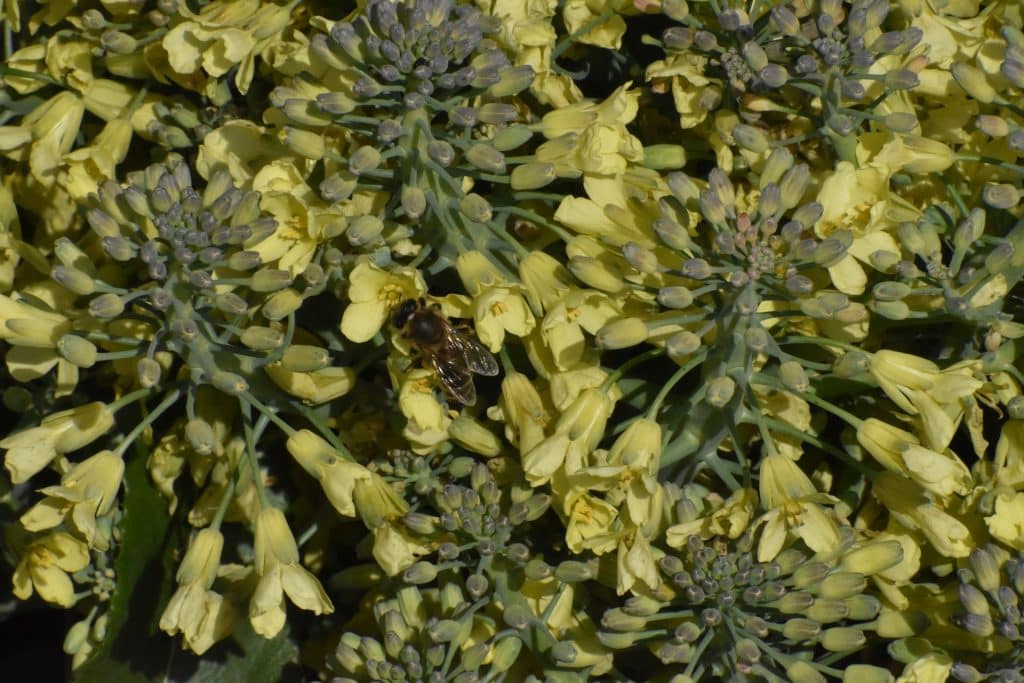
Sometimes, adding biodiversity is not a question of adding new plants or features to your garden. It can sometimes simply be a question of thinking about how you manage the existing plants in your garden.
If you are growing members of the cabbage family in your garden, then one great way to add biodiversity and encourage a thriving insect population in your vegetable plot is to allow some of these plants to flower and go to seed.
Flowering brassica plants are wonderful for attracting beneficial insect life to your space. When you want to add biodiversity to your summer vegetable garden, it is sometimes just as much about what you don’t do as what you do.
Letting things be and letting some plants flower and set seed can bring beneficial life to the system. Just remember, if you want to collect seeds to sow next year, not to let more than one specific type of brassica plant bloom at the same time, or they will cross.
Leave Some Radishes to Flower
Another easy to grow crop that you might allow to flower in your vegetable garden is radishes. Radishes are typically harvested, of course, before they flower and set seed. But letting a few radishes remain in the ground can provide benefits for you and for the wildlife around you.
For one thing, when a radish plant flowers, the flowers attract a range of insect life that, for a successful and productive vegetable garden, you really want around.
Then, once the pods develop, you will gain an abundant yield of delicious radish pods. Let some of those mature, and seeds to develop fully inside, and you can also collect those seeds to sow next year.
This is another example showing that sometimes inaction, rather than action, can help you to boost biodiversity in an existing vegetable garden.
Maintain an Organic Mulch – Layer on That Organic Matter
Remember, biodiversity below the soil surface is just as important as that visible above the ground. In a sustainable, organic garden it all comes back to the soil.
Adding organic mulches on the soil surface, between the plants in a vegetable garden ensures ongoing biodiversity and fertility – feeding not only the plants you grow but also the organisms that allow the system to function as it should.
Mulches are commonly added in spring each year, to replenish fertility, conserve soil moisture, and help, at least to a degree, to suppress weed growth. But you can also consider adding additional mulch layers over the summer months.
You might add some compost, carbon rich materials, and/or some green, leafy material to add specific nutrients to the system.
Drop Annual Weeds On the Soil Where They Grow
When annual weeds grow in a vegetable garden, remember that you do not necessarily have to pluck them from the ground and move them elsewhere.
You might simply chop and drop them where they grow, to decompose on the surface of the soil and return the nutrients they contain to the system. This is another way to ensure a healthy soil that teems with life.
Of course, there are plenty of other things you can do around an existing vegetable garden to bring more life and more beneficial interactions to the space. But the options mentioned above are some ways to boost biodiversity within your annual growing areas.
Just remember that in addition to growing annuals you should be growing a range of perennial plants too. Ideally, trees, shrubs and herbaceous perennials should be planted close to annual vegetable gardens to bring in an even wider range of life.
And you should also think about taking other steps for a wildlife-friendly garden – like adding water in your garden, and creating different habitat zones to draw in and provide for as much wildlife as possible.
But learning how to add biodiversity to a summer vegetable garden can be a great place to begin.
References:
https://horticulture.co.uk/wildlife-garden-ideas/