


Increasing yields in your polytunnel means thinking about making the most of not only space but also time. Learning how to extend your growing season can be crucial to growing more crops and growing them successfully.
KEY TAKEAWAYS
- Know your seasons and microclimates—time plantings to match local conditions for optimal results.
- Favour hardy, fast-maturing, and perennial crops to stretch your harvest window.
- Stagger sowings and use season extenders (like polytunnels) to maximise yields.
- Pre-warm beds and shield crops from frost to jump-start early growth.
- Feed the soil—add organic matter, mulch, and rotate crops to keep it healthy.
- Plan ahead and keep records to refine your approach year after year.
- UNDERSTANDING THE GROWING SEASON
- 2. CHOOSING PLANT VARIETIES FOR EARLY AND LATE SEASONS
- 3. TIMING IS EVERYTHING: SUCCESSION & STAGGERED PLANTING
- 4. MAKING THE MOST OF MICROCLIMATES
- 5. WARMING THE SOIL & FROST PROTECTION
- 6. SEASON EXTENSION STRUCTURES: POLYTUNNELS, COLD FRAMES & CLOCHES
- Polytunnels
- Cold Frames
- Cloches & Fleece Tunnels
- 7. START SEEDS INDOORS & TRANSPLANT CAREFULLY
- 8. OVERWINTERING & WINTER CROPS
- 9. SOIL HEALTH & FERTILITY
- 10. PLANNING & RECORD-KEEPING
- FAQs
- SOURCES
1. Understanding the Growing Season
The first step in extending the growing season is understanding the growing season where you live. It is important to recognise that the growing season on the south coast of England is very much longer than that in the far north, and in mountain regions inland.
Even in a relatively small geographic area like the British Isles, the growing season can vary significantly from one place to the next, with many small but significant micro-climate variations.
Though there are certain approximations we can follow, the length of the growing season can also vary quite a lot from year to year. Spring starts later some years and earlier others, and the first frost can also fluctuate in when it makes its appearance.
In general, though we have a shorter growing season than regions further south, our growing season here in the UK is getting longer as our climate continues to warm and global temperatures increase. Of course, climate change is also bringing more weather extremes, and weather weirding that can make it more difficult to predict temperatures and conditions at a particular time of the year.
Getting as clear a picture as possible of the growing season where you live, and getting to grips with the broad patterns of the gardening year, can help you avoid many common pitfalls and grow more of your own food.
In UK gardening, the “growing season” is defined not by the pages of a calendar, but by temperature. According to the Met Office/Carbon Brief definition, it begins after five consecutive days with average daily temperatures above 5 °C and ends after five consecutive days below that threshold.
This matters because it determines when plants can actively grow without cold stress. The length of the season varies by region – with the southwest of England enjoying the longest stretches, and northern England and Scotland the shortest.
Between 2006–2015, the UK’s average growing season lengthened to around 280 days, about 29 days longer than the 1961–1990 average. Fewer frost days – down by 17 % since 1961–90 – also help gardeners extend cropping times and try more tender species.
While climate change is a major driver of these changes, it is important to remember that local factors still strongly influence when plants can thrive.
For design ideas to make the most of your growing window, see First Tunnels’ “Design an All-Season Garden”.
Factors influencing the growing season:
- Temperature thresholds – Consistent warmth above 5 °C triggers growth.
- Frost frequency – Fewer frost days extend the safe planting window.
- Microclimates – Sheltered or south-facing spots can gain extra weeks.
- Soil temperature – Cold soils delay germination even if air is mild.
- Day length – Longer daylight hours boost growth rates.
- Rainfall & moisture – Adequate water availability supports active growth.
- Elevation – Higher ground generally shortens the season.
2. Choosing Plant Varieties For Early And Late Seasons
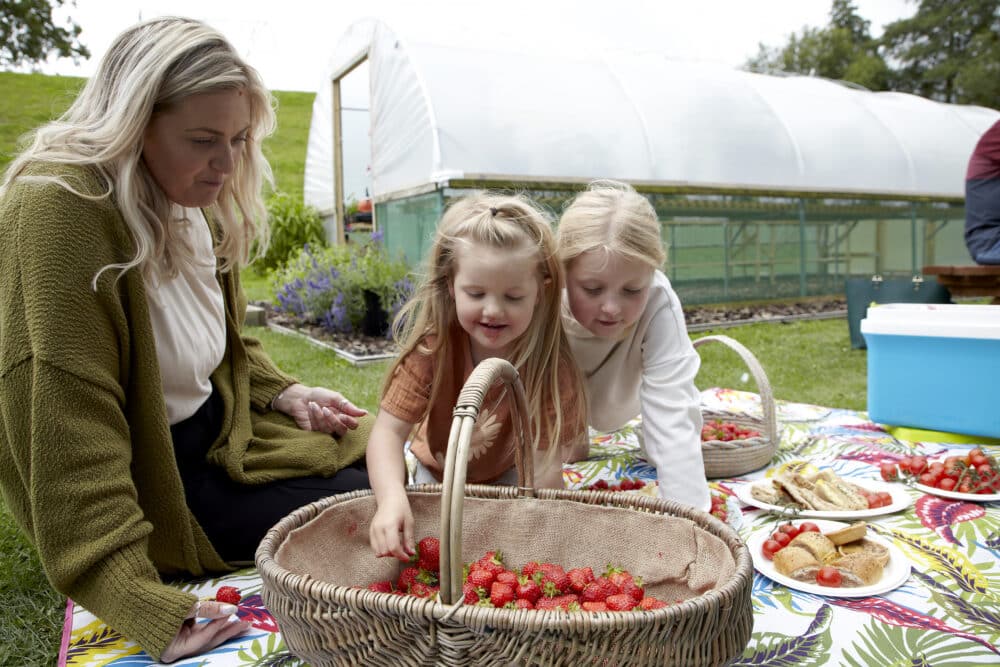
Selecting the right plant varieties is one of the simplest ways to extend your harvest window.
Hardy & Overwintering Choices
Certain crops can be sown in autumn, overwinter in the soil, and be ready to harvest far earlier than spring-sown plants. For example, broad beans like ‘Super Aquadulce’ or ‘The Sutton’ can be sown in late autumn, survive the winter, and be picked as early as May – weeks ahead of spring sowings.
Other hardy candidates include peas such as ‘Meteor’ and ‘Douce Provence’, as well as kale (Nero di Toscana), chard, spinach, endive, winter lettuce, mizuna, and mustards. These crops make the most of cooler months and bounce back quickly in spring.
Quick-Maturing Crops for Late Sowing
If you’re looking to fill gaps towards the end of summer, choose varieties that race to maturity. Dwarf French beans, finger carrots, beetroot, baby turnips, and fast-growing salad mixes can all be harvested within a few weeks, making them ideal for late-season sowings.
Perennial Crops to Bridge the Gaps
Perennials like asparagus, rhubarb, and sea kale naturally extend your harvest season, producing fresh growth early in spring or continuing to crop well into autumn.
By planning variety choice alongside sowing dates, you can enjoy homegrown produce for much longer each year.
3. Timing Is Everything: Succession and Staggered Planting
Succession planting is the art of staggering sowings so your crops don’t all mature at once – ensuring a steady, rolling harvest rather than a glut followed by a gap. Instead of sowing a whole seed packet in one go, plant small batches every 2–3 weeks.
By combining early, mid, and late-season varieties, you can extend the harvest window and bridge the “hungry gap” – that tricky late-spring period when winter stores are dwindling but summer crops aren’t ready. Late summer sowings of broccoli, cabbage, and leeks can also help carry you into autumn and winter.
Best practices for successful succession planting:
- Sow little and often – For example, quick crops like salad leaves can be sown every 3 weeks from spring to early autumn for a constant supply.
- Use a diary or app – Plan sowing dates, track germination, and note harvest times to improve next year’s schedule.
- Combine early, mid, and late varieties – This spreads out cropping and reduces seasonal gaps.
- Rotate beds – Change crop families each year to prevent disease build-up (crop rotation guide).
- Intercrop fast and slow growers – Sow quick crops like radishes alongside slower crops like parsnips to maximise space.
- Plan ahead – Map out sowings on a calendar and leave space for follow-on crops after early harvests.
For detailed advice on sowing techniques, see First Tunnels’ Sowing Seeds guide.
4. Making the Most of Microclimates
A microclimate is a small, localised area where environmental conditions differ from the surrounding space – often warmer, more sheltered, or more humid.
In gardens, microclimates can be created naturally by south-facing walls that absorb and radiate heat, brick patios that retain warmth, hedges that block wind, or ponds that moderate temperature swings. These sheltered spots can advance sowing by a few weeks in spring and extend harvesting into autumn.
Gardeners can also design and enhance microclimates to suit specific crops. Planting tender vegetables against a heat-absorbing wall, using raised beds to warm soil earlier, or avoiding frost pockets in low-lying hollows can all make a measurable difference.
Deciduous trees provide summer shade yet allow winter sun, while windbreaks or hedges protect plants from drying winds. You can even create artificial microclimates with water barrels that store daytime heat and release it overnight, to give just one example.
Practical microclimate techniques:
- Site tender crops near south-facing, heat-retaining walls.
- Use raised beds for faster spring soil warming.
- Avoid planting in hollows where frost lingers.
- Grow under deciduous trees for seasonal shade and winter sun.
- Install hedges or windbreaks to shelter crops.
- Apply black mulch to absorb heat into the soil.
- Use reflective surfaces to increase light levels.
- Position water barrels to store and release heat overnight.
5. Warming the Soil & Frost Protection
Cold soil is one of the biggest barriers to early sowing and transplanting. Seeds germinate more slowly – or not at all – if temperatures are too low, and young seedlings can sulk or stall until conditions improve. By pre-warming your soil, you give plants a head start, enabling earlier germination and quicker establishment.
The RHS notes that covering soil with cloches, fleece tunnels, plastic mulch, or even old glass panes can raise soil temperatures by up to 10 °C and speed up germination by 10–14 days. For best results, cover the area at least a week before sowing to allow the warmth to penetrate.
6. Season Extension Structures: Polytunnels, Cold Frames & Cloches
Of course, in talking about microclimates and warming the soil, we have not yet mentioned the most effective solutions for season extension – polytunnels, cold frames and cloches.
Season-extension structures help gardeners push the boundaries of the growing season, protecting plants from cold, wind, and excess rain while creating warmer, more stable microclimates. From walk-in tunnels to small portable covers, each offers unique benefits for earlier sowing, later harvests, and overwintering crops.
Polytunnels
Polytunnels “extend the growing season at both ends and create a microclimate where warmth-loving plants can flourish” (First Tunnels blog). They allow early sowing, keep tomatoes and cucumbers cropping into autumn, and overwinter hardy greens, while suiting permaculture polycultures.
- Tips: Choose a sunny, sheltered, north–south site. Include ventilation.
- Accessories: Staging, raised beds, irrigation kits.
Cold Frames
Small, box-like with transparent lids, cold frames are ideal for hardening off plants, starting seedlings early, and protecting winter crops.
- Tips: Use reclaimed windows; ventilate to prevent overheating.
Cloches & Fleece Tunnels
Portable covers for warming soil and shielding crops; RHS notes they can raise soil temp by up to 10 °C, advancing germination by 10–14 days.
- Tips: Use fleece in spring/autumn where there is not space for a permanent structure, perhaps.
7. Start Seeds Indoors & Transplant Carefully
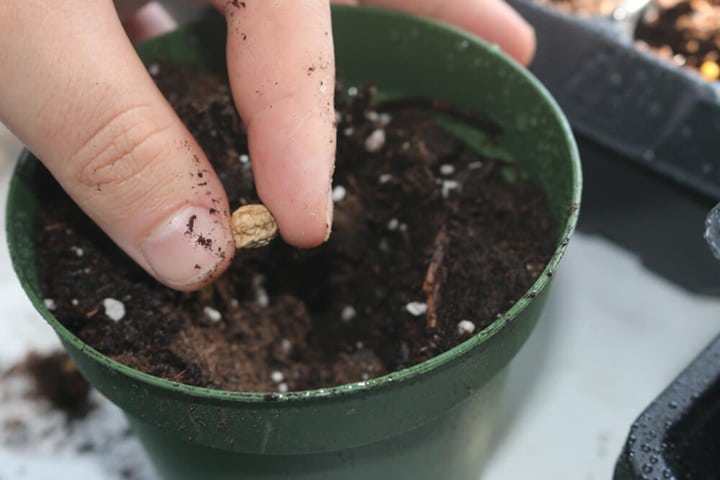
Starting seeds indoors allows you to take full advantage of your growing season by giving plants a strong, early start. Use seed trays or pots in a warm, light space—such as a heated propagator or a sunny windowsill—to encourage rapid germination.
When seedlings develop their first true leaves, harden them off gradually by exposing them to outdoor conditions over a week or two. This careful transition reduces shock and improves survival rates when transplanting into your polytunnel bog garden or beds.
8. Overwintering & Winter Crops
A polytunnel’s microclimate is perfect for overwintering hardy vegetables that would otherwise struggle outdoors. Crops like kale, winter lettuces, chard, and broad beans can thrive through the colder months, offering fresh produce year-round.
Providing additional protection with fleece or cloches inside your polytunnel can help shield tender plants from unexpected frosts, extending your harvest window even further and extending the number of crops that you can grow.
9. Soil Health & Fertility

Healthy soil warms faster in spring, holds moisture in summer, and supplies essential nutrients for continuous cropping.
Building organic matter with compost, well-rotted manure, leaf mould, and green manures is key. Mulching provides dual benefits—insulating roots against winter frost and conserving moisture while suppressing weeds in summer.
Crop rotation and cover crops help maintain fertility and reduce disease risks. Adding thermal mass—like stones, bricks, or water barrels—inside polytunnels moderates temperatures and keeps soil warmer for healthier growth.
10. Planning & Record-Keeping
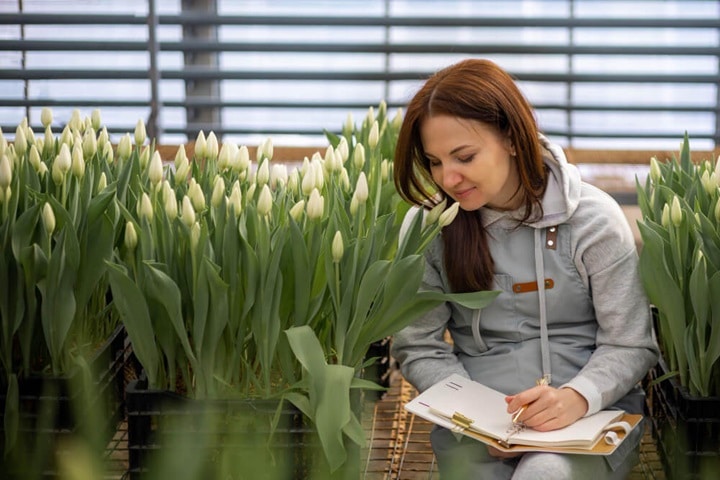
Good planning and record-keeping are the foundations of gardening success. Use a calendar or gardening journal to track sowing dates, germination times, planting schedules, and harvests.
Note any problems or successes with particular varieties to refine your approach season by season. This information is invaluable for making adjustments that suit your microclimate and garden space.
FAQs
When does the growing season start and end in the UK?
The growing season begins after five consecutive days with average temperatures above 5 °C and ends similarly with five days below this threshold. It varies regionally but has generally lengthened by nearly a month in recent decades.
What vegetables are best for overwintering in a polytunnel?
Hardy greens like kale, chard, winter lettuce, broad beans (‘Super Aquadulce’), and certain peas thrive in polytunnels through winter.
How can I warm soil before sowing without a polytunnel?
Cover soil with cloches, fleece tunnels, or old glass panes at least a week before sowing to raise temperatures by up to 10 °C and speed up germination.
Do polytunnels work in small gardens or allotments?
Yes, polytunnels come in various sizes to suit small spaces and allotments, making them versatile for gardeners of all scales.
Is watering different inside a polytunnel during winter?
Yes, polytunnel watering needs often reduce in winter, but monitor soil moisture.
How do I stop early flowering and bolting when sowing early?
Choose slow-bolting or overwintering varieties and avoid exposing seedlings to sudden temperature fluctuations or stress, which can trigger premature flowering.
Sources
Mcsweeney, R., (2016) England’s growing season now almost a month longer, says Met Office. Carbon Brief. [online] Available at: https://www.carbonbrief.org/englands-growing-season-now-almost-a-month-longer-says-met-office/ [accessed 20/08/2025]
RHS. (2022) Cloches. [online] Available at: https://www.rhs.org.uk/prevention-protection/cloches [accessed 20/08/2025]