


A polytunnel is a place of abundance, resilience, and balance—an extension of natural systems housed under protective cover.
While many gardeners focus on temperature regulation, ventilation, and soil health in these growing spaces, water is sometimes overlooked beyond its obvious role in irrigation.
Yet integrating water features into a polytunnel design can bring numerous practical and ecological benefits, while also enriching your connection with the space.
Water, when thoughtfully incorporated, can help regulate temperature, increase humidity, attract beneficial wildlife, and even add a calming, meditative presence to your growing environment. Whether you’re adding a simple bird bowl or experimenting with a flowing rill or hydroponic setup, water can truly transform the way you use and enjoy your tunnel.
Let’s explore a variety of water feature ideas—ranging from the beautifully simple to the more advanced—each with their own ecological function and aesthetic charm.
The Benefits of Water in a Polytunnel
Before diving into specific features, it’s worth taking a moment to reflect on why water integration matters. Beyond basic hydration, water can:
- Moderate temperature fluctuations, acting as a thermal mass to absorb heat by day and release it slowly overnight.
- Increase humidity, which benefits certain crops and reduces stress in hot conditions.
- Attract beneficial organisms, such as frogs, toads, and pollinators, which contribute to pest control and pollination.
- Create microclimates, allowing you to grow a wider variety of plants.
- Support closed-loop systems, such as aquaponics or wicking beds, reducing input needs and mimicking natural cycles.
- Add serenity, turning your polytunnel into a restorative, sensory space as much as a productive one.
Whether you’re driven by practicality, aesthetics, or ecology, water offers a lot to polytunnel gardeners.
Harvesting Rainwater
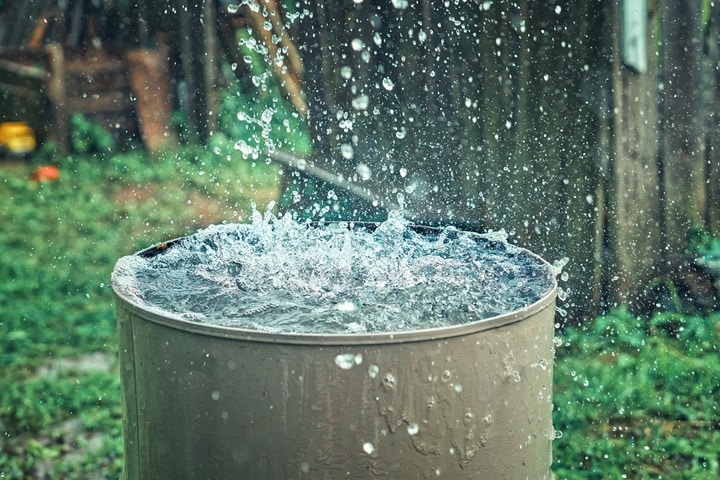
The first step in integrating water into any garden system should be harvesting what nature provides freely. While polytunnels are enclosed, their curved roofs still offer a perfect surface for collecting rainwater if you attach guttering systems along the edges.
Simple, low-cost guttering can be installed along both sides of the tunnel, leading to water butts or storage tanks. Not only does this reduce reliance on mains water, but it also provides a supply that’s better for plants—free from chlorine and full of natural minerals.
For year-round usefulness, consider raising storage tanks slightly off the ground for gravity-fed watering, or connecting them to wicking systems or drip irrigation lines. Just be sure to use mosquito-proof mesh or lids to keep water clean and safe.
Stored Water and Wicking Beds
Water storage can be more than just utilitarian. Large barrels or sunken containers placed within the tunnel can double as both a water source and a passive temperature stabiliser.
In winter, they absorb solar heat and slowly radiate it overnight, protecting tender crops from frost. In summer, they help prevent overheating by releasing cooler air as the water evaporates.
One excellent water-conserving method is the use of wicking beds—raised beds with a reservoir beneath the soil layer.
These systems allow water to be drawn upwards by plant roots as needed, reducing evaporation and saving time on irrigation.
Wicking beds can be lined with pond liner, filled with gravel and topped with soil, or adapted from old bathtubs, tanks, or IBC containers. The design is simple, yet this is a design that can just keep on giving over the years in a polytunnel garden.
Simple Solar Water Features
Solar-powered fountains or bubblers are ideal for polytunnels, where access to mains electricity is often limited. These small, low-maintenance features keep water moving—helpful in preventing mosquito larvae, oxygenating small ponds, and creating a gentle soundscape that softens the working day.
A solar water feature can be as humble as a birdbath fountain or as intricate as a tiered cascade. Place it near companion planting areas with nectar-rich flowers to encourage bees and butterflies to linger, increasing pollination while adding charm.
Choose models with integrated solar panels or separate solar collectors you can position outside the tunnel for better sun exposure.
Troughs, Basins, Bowls and Jugs

Sometimes, it’s the simplest features that bring the most joy. Shallow bowls or ceramic basins placed among your crops provide easy-access drinking and bathing spots for birds, beneficial insects, and amphibians.
Old stone troughs, vintage enamel basins, or repurposed clay pots all work beautifully and lend a rustic charm. Add a few pebbles or floating corks to allow insects to land safely, and refresh the water regularly.
A strategically placed jug or urn can even become part of a slow-drip irrigation system—simply filled and placed near the base of a thirsty plant, releasing moisture steadily throughout the day.
Piles of Rocks or Stones
Imagine, in a quiet corner of your polytunnel, a gentle trickle of water weaving its way over a mound of sun-warmed stones.
Smooth river rocks, salvaged slate, or even broken bricks arranged with care create both form and texture—an organic sculpture shaped by the gardener’s eye. Water, lifted by a small solar pump, begins at the top and cascades softly down through gaps and channels, pooling briefly before recirculating.
This sort of feature is more than decorative. The moisture held by the stones and the increased humidity benefit nearby plants—particularly those prone to drying out in summer heat. The water invites insect pollinators to stop for a drink, while amphibians may find shelter among the damp crevices at the base. These can also be used for rockery ideas.
Waterfall Features
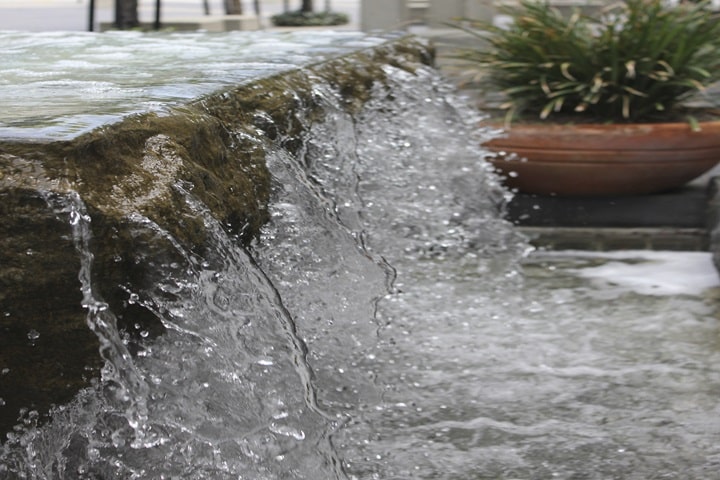
For those who want something a little more impressive or grand, a small waterfall feature can create a striking focal point within the tunnel. These needn’t be elaborate or wasteful—many closed-loop designs recirculate water using solar pumps, requiring only a modest supply.
Miniature waterfalls constructed from stacked slate, recycled bricks, or clay tiles can be nestled into a corner, surrounded by lush greenery like ferns or moisture-loving herbs (think mint, lemon balm, or watercress). Not only will this bring auditory interest and a feeling of movement, but it also supports the tunnel’s microclimate by adding humidity and cooling the air.
Hydroponic and Aquaponic Systems
If you’re open to experimentation or working within a small footprint, hydroponics and aquaponics offer high-yield growing with efficient water use. These systems are particularly suited to polytunnels, where protection from the elements ensures more consistent results.
Hydroponics involves growing hydroponic plants in nutrient-rich water without soil. Vertical towers, NFT (nutrient film technique) systems, or floating rafts can be integrated along the edges of the tunnel, using recycled water and significantly less input than traditional beds.
Aquaponics, meanwhile, adds fish to the equation—creating a closed-loop system where fish waste feeds the plants and plants filter the water for the fish. While more complex to manage, aquaponics brings a new layer of diversity and resilience to your tunnel, and can be incredibly rewarding for those looking to deepen their permaculture practice.
Water Rills, Vegetated Swales, Streams or Canals
In commercial polytunnels or connected greenhouse systems, small flowing water elements can be introduced to guide excess water, manage drainage, or create habitat zones.
A narrow rill—a shallow, lined stream—can carry harvested rainwater slowly through the tunnel, feeding different beds as it flows. These rills can be edged with plants like water mint, creeping jenny, or even semi-aquatic edibles like watercress.
Vegetated swales—shallow ditches planted with moisture-tolerant vegetation—can be added just outside the tunnel to absorb and slow runoff during heavy rain, allowing you to harvest more water passively while protecting the structure from waterlogging.
Mini-canals or sunken planting lanes are another approach, and these might pass through a polytunnel garden linking with broader water management systems in your garden.
Polytunnel Ponds
A pond inside a polytunnel might sound unconventional, but when carefully managed, it can offer enormous benefits. Even a small pond increases humidity, moderates temperature, and becomes a haven for life. Frogs, dragonflies, hoverflies, and beneficial microbes all take up residence, supporting pest control and pollination. Learn about the best UK pond fish.
A sunken pond made from a lined trough, bathtub, or upcycled container can be ringed with water-loving plants, such as iris, sedge, or marsh marigold. Floating oxygenators like hornwort or duckweed help keep the water clean, while marginal plants offer perching spots for insects.
To prevent overheating, shade part of the pond with tall crops or floating leaves. And if you’re keeping frogs or fish, ensure there’s sufficient cover and a gentle slope or rocks to allow wildlife safe access.
Integrating water features into your polytunnel isn’t just about aesthetics—it’s about deepening your partnership with the living systems you’re nurturing. Water invites life, softens the hard edges of utility, and reminds us that gardening is not only about doing, but about observing and being.
Whether you opt for a humble jug of water or a flowing stream, the key is to work with your space, your climate, and your values. Choose features that serve multiple purposes—cooling, habitat, hydration, joy—and allow them to evolve with you and your garden.
FAQs
What plants are best for a water garden?
The best plants for a water garden are those that thrive in or near aquatic environments. Choose a mix of oxygenators (like hornwort or water crowfoot), floaters (such as duckweed or water lettuce), and marginal plants that enjoy damp edges—think marsh marigold, purple loosestrife, iris, or sedges.
If your water garden is within a polytunnel, select species that enjoy warmth and humidity, and avoid those that require full exposure to winter cold. Edible options include watercress, wasabi, and taro (in milder climates). Always choose non-invasive natives when possible to protect local ecosystems.
Do water gardens attract wildlife?
Yes—beautifully so. Even the smallest pond or bowl can draw a surprising variety of creatures. Birds will visit to drink or bathe; bees and butterflies may rest on damp edges; frogs, toads, and newts may take up residence in stiller waters.
This increase in biodiversity can bring measurable benefits to your garden, aiding in pest control and pollination. If your water garden is in a polytunnel, leave doors open when possible or provide easy access to ensure wildlife can come and go freely.
Are water gardens suitable for children or pets?
They can be, with care. For families with young children or curious pets, safety must come first. Shallow water features—like pebble-filled basins with recirculating trickles, or troughs with grates over the surface—offer beauty and ecological benefit without posing a risk.
Deeper ponds should be covered, fenced, or placed in areas where supervision is always possible. Involving children in planting or maintaining a water garden can be a wonderful learning experience, helping them connect with nature in a hands-on way.
Do I need planning permission to install a water garden?
In most domestic gardens, planning permission is not required for a small water feature or pond—especially one within a polytunnel or greenhouse.
However, it’s always wise to check with your local council if you’re planning something larger, altering drainage, or live in a protected area or conservation zone.
Where in doubt, keep things simple and reversible: raised containers, recycled tubs, or modular elements that can be moved or removed without disturbing the land.
Sources
Glantz, M., (2025) 5 Mistakes in Your Garden’s Design You’ll Only Notice When Temperatures Soar in the Summer. Living Etc. [online] Available at: https://www.livingetc.com/advice/summer-garden-design-mistakes