

Planning for the perfect cut flower garden means thinking about choosing the right flowers to grow throughout as much of the year as possible.
When you think about flowers for cutting, your mind may leap immediately to colourful annual species. But you can cut flowers from a range of different plants, including trees, shrubs and plenty of other perennials or biennials. We can select and grow a huge variety of plants for cutting in UK gardens.
Quick Facts:
- You don’t need a separate space for growing cut flowers; they can integrate seamlessly into your existing beds and borders.
- A dedicated space can make management easier, but consider its multifunctionality for uses beyond decoration.
- Match the plants to your available conditions for optimal growth.
- Select varieties to ensure blooms throughout as much of the year as possible.
Practical Considerations: Existing Beds and Borders
One of the most important things to remember if you want to grow flowers for cutting is that you do not necessarily need to grow these in a separate area, with only this dedicated function.
Flowers for household displays can be taken from a range of existing planting schemes – from your vegetable beds, to forest gardens, to traditional perennial borders. You should integrate flowers for cutting with plants for other purposes to really make the most of all the outside space you have available.
The Cutting Garden
Of course, you can have a dedicated cutting garden. For specific flowers commonly used for cuttings, it can something be beneficial to have a dedicated space because it can make it easier to weed, protect, stake and otherwise maintain and grow your flowers.
Remember, however, that a cutting garden might be more than just a space that provides flowers for visual appeal. You might also harvest flowers and other plant parts not only for home decoration, bouquets, etc. but also for food, medicine, dyes, natural cleaning and beauty products and more. Considering the practical uses of the flowers you grow can also help you make the most of a cutting garden.
Choosing the Site
There are flowers to grow for cutting suited to almost every site and situation. While most flowers bloom best in a sunny, or at least a partially sunny spot, (most flowering plants prefer 6-8 hours of sunlight per day) there are also a few species that can grow in even deep shade.
You need to select a spot for a cuttings garden suited to the species you wish to grow. Or, if your options are more limited, select the right plants for the environmental conditions that you can provide.
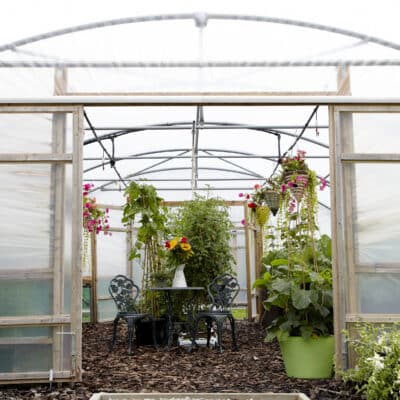
If you do decide on a dedicated cutting garden, creating one inside a polytunnel can be a great idea. Polytunnels are particularly useful in a dedicated cutting garden. They extend the growing season, protect plants from unpredictable weather, and allow you to grow tender or exotic flowers that might struggle outdoors in the UK climate.
Planning for the Perfect Cutting Garden
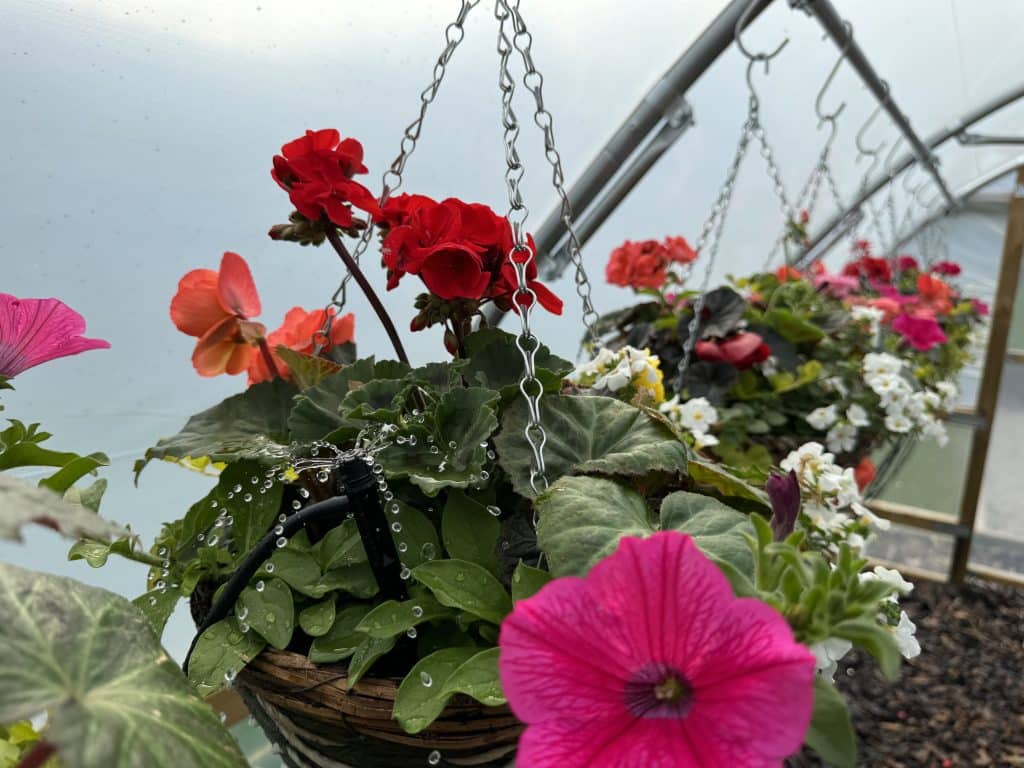
Creating a successful cutting garden requires careful planning to ensure a continuous supply of blooms throughout the year. By selecting the right plants, considering the layout, and adopting sustainable practices, you can enjoy a flourishing garden that provides a steady stream of flowers for arrangements.
Start by clarifying your objectives for the cutting garden. Consider the following:
- Do you want flowers for personal enjoyment, gifts, or commercial purposes?
- Will you focus on seasonal flowers or aim for year-round production?
- Are you planning to include multifunctional plants for food, dyes, or medicinal purposes?
Evaluate the site’s conditions to determine which flowers will thrive. (See notes on choosing plants below).
Design an efficient layout for the space. Divide the area into manageable sections, with wide paths for access. Take height and spacing considerations into account for the plants you wish to grow.
Choosing Plants
Selecting the right flowers for your cutting garden involves considering bloom times, growth habits, and maintenance needs. A staggered planting approach ensures you have flowers year-round.
When choosing plants and making your garden plans, remember to consider:
- Sunlight
- Preferred Aspect (whether plants prefer a north, south, east or west facing position).
- Exposure (whether plants need a sheltered location).
- Soil needs (ph and other soil characteristics for best growth).
- Water needs
Remember, it is also a good idea not to think about specific flowering plants in isolation, but to create diverse, functioning ecosystems that are more resilient, require less work from you, and are more likely to stand the test of time.
Think about how to group plants which like similar conditions, and which grow well beside one another without competing excessively. Remember, certain plants can benefit others and make good companion plants when grown close by.
Propagation
Propagating plants from seeds, cuttings, or division is an economical and sustainable way to grow your cutting garden.
Successional planting ensures that new flowers are always coming into bloom: Plant seeds at intervals of two to three weeks for prolonged flowering. Remove spent plants and sow quick-growing varieties like cosmos or marigolds to fill gaps.
Opt for organic seeds and avoid synthetic rooting hormones. Use compostable seed trays or biodegradable pots, don’t use peat, and always avoid disposable plastics where possible. Taking a sustainable approach is more cost effective and ensures greater resilience over time. It is also simply the right thing to do!
Plant Selection
Spring
- Tulips – Iconic spring flowers with a wide colour range; their sturdy stems make them ideal for bouquets and elegant arrangements.
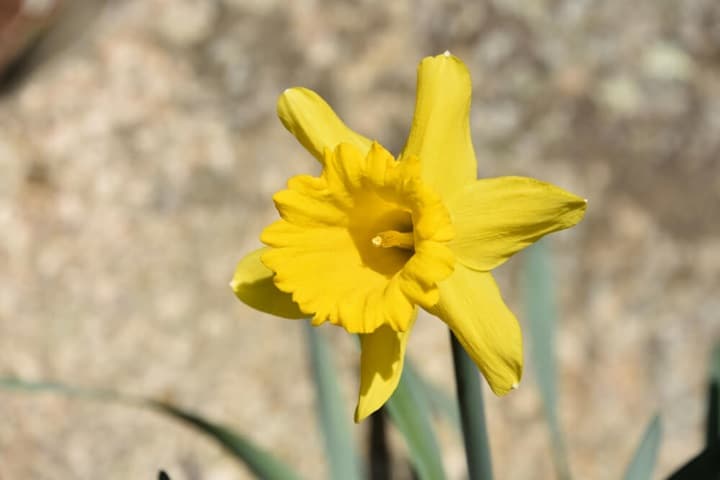
- Daffodils – Cheerful, long-lasting flowers in sunny hues; perfect for brightening early spring arrangements.
- Hyacinths – Intensely fragrant blooms in compact clusters; they add both colour and scent to indoor vases.
- Anemones – Striking flowers with dark centres; excellent for contemporary floral designs.
- Ranunculus – Layered, rose-like blooms; their delicate appearance belies their durability in vases.
- Crocus – Small but impactful; these add a touch of charm to petite spring arrangements.
- Forget-Me-Nots – Dainty, sky-blue flowers that complement larger blooms in mixed arrangements.
- Primroses – Vibrant, compact flowers; ideal for adding colour to small, informal posies.
- Grape Hyacinths (Muscari) – Tiny, bell-shaped flowers on tall stems; they provide interesting texture in arrangements.
- Pansies – Versatile flowers with intricate petal patterns; perfect for whimsical, small-scale arrangements.
Late Spring/Early Summer
- Peonies – Luxurious, large blooms with an intoxicating fragrance; perfect for centrepieces and bridal bouquets.
- Irises – Elegant, architectural flowers; their unique form adds drama and sophistication to vases.
- Foxgloves – Tall spikes with bell-shaped blooms; they create vertical interest in mixed arrangements.
- Sweet Williams – Fragrant clusters of small flowers; ideal for rustic or cottage-style bouquets.
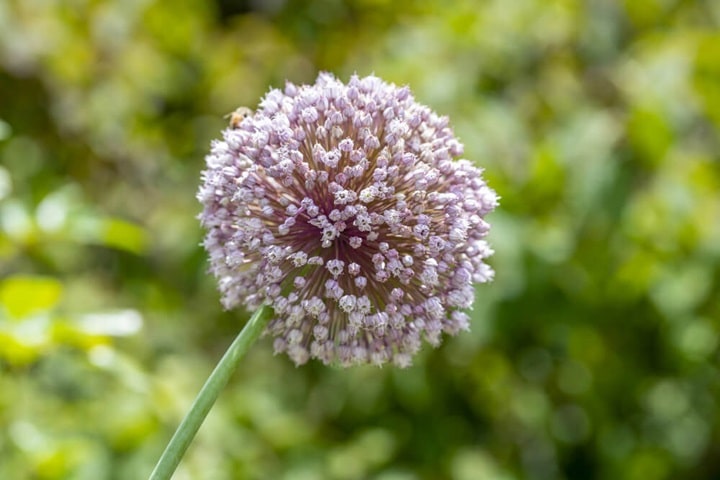
- Alliums – Spherical blooms on sturdy stems; they provide a striking focal point in modern arrangements.
- Aquilegias (Columbine) – Delicate, spurred blooms; their intricate shapes add a romantic touch to spring bouquets.
- Delphiniums – Towering spires of densely packed flowers; they bring height and bold colours to large arrangements.
- Nigella (Love-in-a-Mist) – Lacy foliage and intricate blooms; they work well as fillers in naturalistic displays.
- Geums – Cheerful, vibrant flowers on wiry stems; they’re excellent for loose, informal bouquets.
- Camassia – Starry flowers on tall stems; these make a statement in elegant arrangements.
Summer
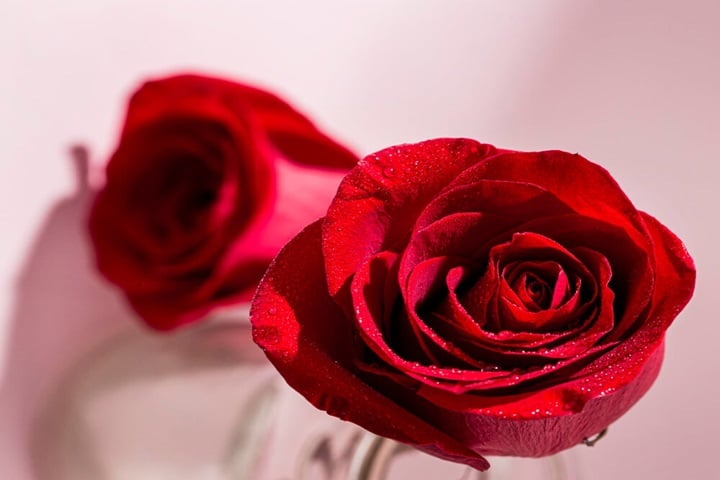
- Roses – A perennial favourite for cutting; they add timeless beauty and a heady fragrance to any bouquet.
- Dahlias – Prolific and varied; their bold shapes and colours make them standout choices for striking arrangements.
- Cosmos – Light, airy blooms with feathery foliage; they lend a delicate touch to summery bouquets.
- Sunflowers – Large, cheerful flowers; their bold yellow heads add impact to vibrant, seasonal displays.
- Cornflowers – Long-lasting blooms with vivid blue petals; they add pops of colour to mixed arrangements.
- Snapdragons – Tall spikes of brightly coloured blooms; they are perfect for adding height and texture to vases.
- Phlox – Fragrant clusters of small flowers; these work well in romantic or cottage-style bouquets.
- Zinnias – Durable, bright flowers in a spectrum of colours; they are excellent for long-lasting summer arrangements.
- Larkspur – Delicate, feathery blooms; they bring height and an old-fashioned charm to floral designs.
- Gladioli – Dramatic, tall flowers with sequential blooms; they are ideal for large, showy arrangements.
Late Summer/Autumn
- Chrysanthemums – Long-lasting flowers with varied forms; they are staples for late-season arrangements.
- Echinacea (Coneflowers) – Large, daisy-like blooms with prominent centres; they add bold, rustic charm to autumn bouquets.
- Asters – Small, daisy-like flowers in soft hues; perfect for adding delicate accents to arrangements.
- Sedum (Stonecrop) – Sturdy, textured flowers; their muted tones complement vibrant blooms in autumn displays.
- Japanese Anemones – Elegant, soft flowers; their delicate appearance suits romantic arrangements.
- Helenium (Sneezeweed) – Warm-toned flowers in golds and reds; they bring rich, autumnal colours to vases.
- Scabiosa (Pincushion Flowers) – Unique, soft-textured flowers; they are lovely focal points in seasonal bouquets.
- Rudbeckia (Black-Eyed Susan) – Bright yellow blooms with dark centres; they bring a sunny feel to rustic arrangements.
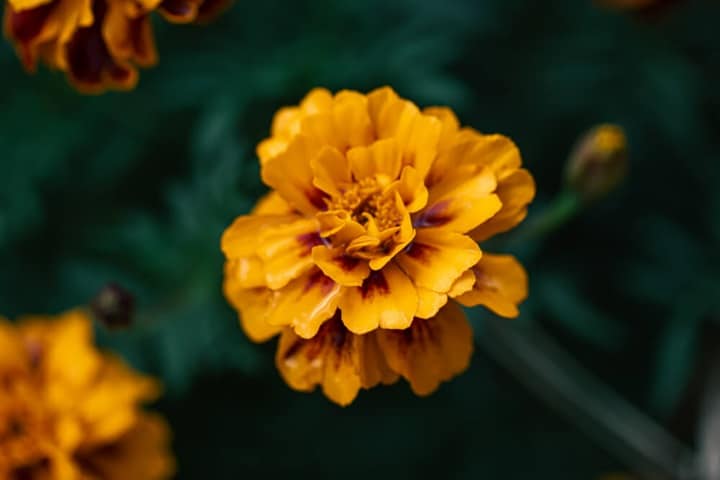
- Marigolds – Vibrant, richly coloured flowers; ideal for adding warmth to autumnal arrangements.
- Clematis (Seed Heads) – Ornamental seed heads; they add intriguing texture to late-season bouquets.
Winter
- Hellebores (Christmas Roses) – Elegant blooms in soft shades; they add sophistication to winter arrangements.
- Winter Jasmine – Bright yellow flowers on trailing stems; perfect for adding a cheerful note to cold-season displays.
- Eucalyptus – Fragrant, silvery foliage; it serves as a versatile filler in bouquets and wreaths.
- Ivy (Berries) – Clusters of dark berries; they bring texture and seasonal charm to winter designs.
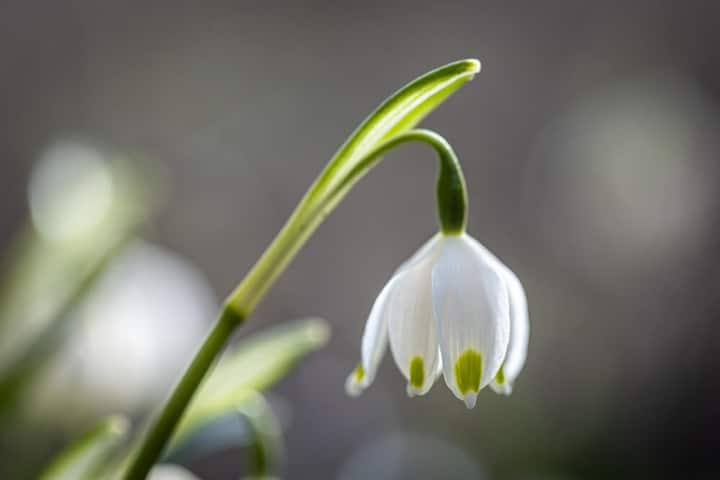
- Snowdrops – Petite, white blooms; they are perfect for dainty winter posies.
- Witch Hazel – Unique, spidery flowers; they add an unusual element to seasonal displays.
- Dogwood (Stems) – Colourful stems in reds or yellows; they provide structure and vibrancy to arrangements.
- Mahonia – Yellow flowers on spiky stems; ideal for brightening winter bouquets.
- Pussy Willow – Fuzzy catkins on bare stems; they lend a soft, tactile element to arrangements.
- Holly (Berries) – Evergreen leaves and bright red berries; perfect for festive decorations.
Foliage
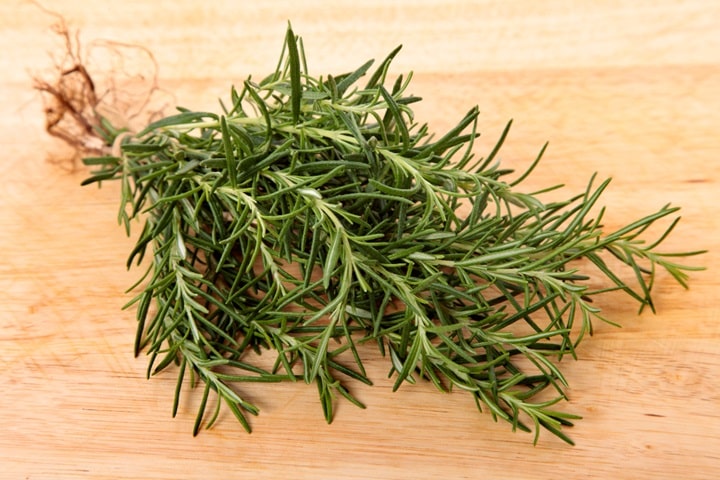
In addition to growing flowers for cut arrangements, you should also think about which foliage plants you can grow to add depth to and bulk out your cut flower displays.
- Ferns – Lush, green fronds; they add soft texture and depth to any arrangement.
- Hostas – Bold, architectural leaves; they provide a dramatic backdrop for floral designs.
- Eucalyptus – Aromatic, silver-blue leaves; a staple foliage for contemporary bouquets.
- Rosemary – Fragrant, needle-like foliage; it adds a herbal touch to arrangements.
- Mint – Aromatic and versatile; its vibrant green leaves add freshness to displays.
- Lamb’s Ear (Stachys) – Velvety, silvery leaves; they lend a soft, tactile element to arrangements.
- Aspidistra – Glossy, broad leaves; excellent for structural arrangements.
- Artemisia (Wormwood) – Silvery-grey foliage; it complements pastel flowers beautifully.
- Pittosporum – Small, variegated leaves; ideal for adding contrast to bouquets.
- Ivy – Trailing vines; perfect for cascading arrangements and wreaths.
Further reading:
Want to learn more about flowers? Try these articles that are also available on our blog:
FAQs
What are some tips for extending the vase life of cut flowers?
Cut flowers early in the morning, use sharp tools, and place them in clean water with natural preservatives like sugar or vinegar. Keep arrangements out of direct sunlight and away from heat sources.
Are there any environmentally friendly practices for maintaining a cut flower garden?
Use organic growing methods, composting, and natural pest control. Collect rainwater for irrigation, mulch to retain soil moisture and ensure that methods you follow and decisions you make are sustainable ones.
What are the best flowers to start a cut flower garden?
For beginners, start with easy-to-grow and prolific bloomers like sunflowers, zinnias, cosmos, and sweet peas. Add hardy perennials such as echinacea and rudbeckia for reliable blooms. Remember, however, that there are many diverse flowers that you might grow in your garden for cut flowers.
Sources
Michel, C., Sansone, A.E., (2024) 25 Garden Plans and Ideas to Inspire Your Planting. Country Living. [online] Available at: https://www.countryliving.com/gardening/garden-ideas/g746/garden-plans/ [accessed 16/12/2024]