

Rewilding Your Garden (And Why It’s a Great Idea)
If you have heard much about rewilding, you might think of it as something done at landscape scale, on farms and over large swathes of countryside. But even in the smallest garden, a spot of small-scale rewilding could be a great idea.
What is Rewilding?
Rewilding is the term we use for letting nature take the reins and creating a space where native plants and wildlife thrive.
When you rewild a garden that means that you are helping to boost biodiversity, and creating a resilient system well suited to your particular area that can stand the test of time.
A garden, however small, can teem with life. And when we garden in a way that welcomes in nature rather than trying to repel it, or tame it too much, we ensure that the complex web of a natural ecosystem can function as it should.
Why is Rewilding Your Garden Beneficial?
In any garden, it is vital to remember that everything is connected. Each decision we make in our gardens has a knock-on effect within the ecosystem, and all the interconnected plants and wildlife that share our space.
By letting nature reign in our gardens, we can help ensure a healthy and vibrant ecosystem. And in a healthy and vibrant ecosystem everything and everyone wins.
Rewilding is about increasing biodiversity. Biodiversity not only means a beautiful and productive garden. It is also the key to garden success.
The more plants and animals are present in a garden, the more beneficial interactions there are between different species. And the more beneficial interactions there are within a system, the more stable and resilient that system will be.
So rewilding means less work for you, as the gardener, and a garden that is better able to stand the test of time.
Of course, rewilding brings benefits far beyond personal benefits to the gardener and for the immediate system. Rewilding even the smallest of gardens can help wildlife in the area, and have broader scale effects to help combat biodiversity losses in the wider world.
When you rewild your garden, you are playing a key role in helping to protect many vital species in our wider environments. Every rewilded garden area can make a difference.
Rewilding your garden also helps us to combat other crises we face. A biodiverse garden, managed organically, where nature is allowed to rule, can sequester more carbon, reduce water use, protect the precious soil upon which we all depend… and more.
When you rewild your garden, you will soon discover just how many personal benefits you and your family can also derive from the presence of wildlife, and from the feel of a more natural, holistically designed and less-manicured garden. And just how beautiful and calming such a space can be.
General Tips For Garden Rewilding
When rewilding a garden, the first and most important thing to remember is that you should design it in a way that works well for where, specifically, you live. Just as in nature, ecosystems vary dramatically in their composition and look, so too a rewilded garden can take many different forms.
By looking and listening in our outside spaces, we can learn a lot about the natural world around us, and begin, through observation, to develop the best strategies for our particular space.
Here are some general tips to help you rewild your garden:
- Garden organically – ditch harmful herbicides, pesticides and herbicides and let nature find its own balance within your space.
- Recognise weeds as wild plants that can be beneficial in certain areas. See what weeds in your garden have to teach you, and what each one might offer within the ecosystem, and to you.
- Relax. Don’t be too concerned about wilder areas, and elements that are outside of your immediate control within the garden. Do not tidy up too much and let some less disturbed and less managed areas emerge within your space.
- Recognise that sometimes, what we do not do can be just as important as the action we take.
- Protect the soil in your garden and disturb it as little as possible. Take a no-dig approach, plant plenty of perennials, and plant and mulch to keep bare soil to a minimum.
- Think about creating ecosystems and habitat, rather than focussing on individual plants. Take a big-picture view and remember the interconnectedness of the whole.
- Remember, when you rewild your garden, that does not mean that you have to compromise. You can cater for wildlife, boost biodiversity, and also enjoy your space, make it beautiful, and use it to provide valuable yields for you and your family.
How To Rewild Your Garden
Learning to rewild a garden begins with the general tips above. But beyond these things, it involves thinking about the specific strategies you might employ.
It is a good idea to take a look at the patterns and the broader scene before you focus in on the details. And to think about how you can make your space into a place that is more natural than it was before through the decisions you make about the overall design.
A good place to begin can be with the creation of different habitats filled with as wide a variety of plants as possible.
Rewilding a Lawn
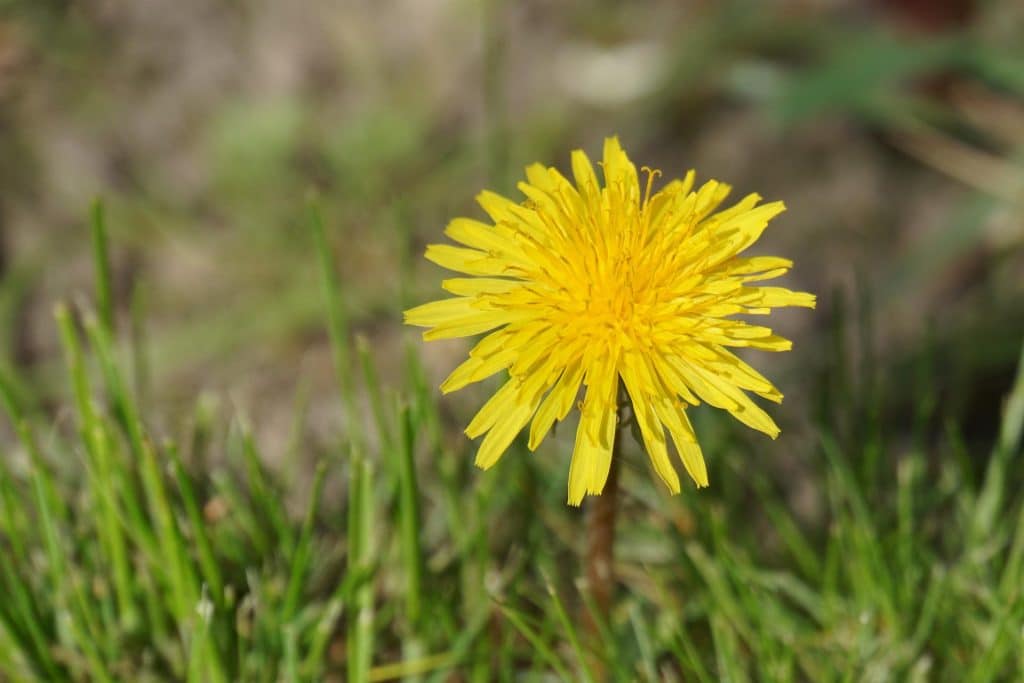
Manicured lawns are one of the least natural things you can have in your garden. In place of a neatly clipped lawn, you can create a vibrant and diverse ecosystem that teems with life. If you take just one small step to move things in the right direction, this might be simply mowing less often.
Leaving even some of your existing lawn un-mowed can quickly bring benefits. It can provide shelter and food for a range of wildlife.
And when you are not maintaining the grass sward, wildflowers and other ‘weeds’ will often creep in, providing natural beauty and even more benefits for the wildlife that shares your space.
Even without introducing further species yourself, your lawn, when left alone, can revert to a more natural ecosystem, which requires far less work and water to maintain.
Establishing Wildflower Meadows

If you want to go further in turning your lawn into a wildlife haven, you might also consider introducing more species of perennial wildflowers to turn the area into a fully fledged wildlife meadow, with species appropriate for your soil and your particular region.
A perennial meadow will just keep getting better over time, and you can mow paths through it or areas within in just as you would with a typical lawn. The more species your meadow area contains, the better it will become for you, and the wildlife in your area.
Creating Native Woodland
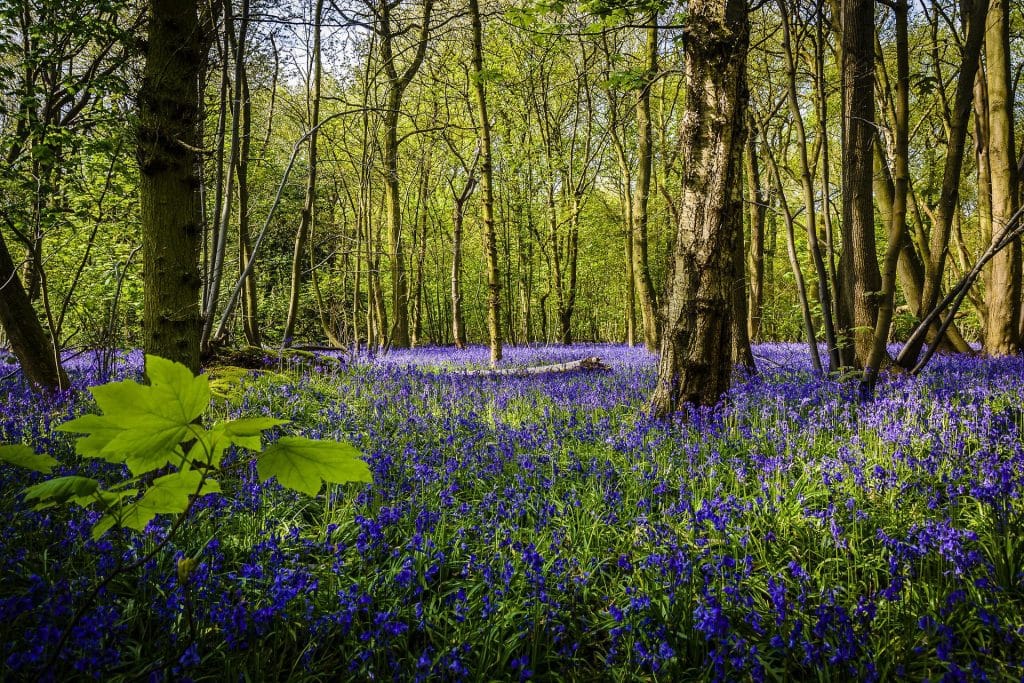
Of course, rewilding in a garden can involve thinking beyond open grassy areas. Depending on your specific garden and the amount of space available, you might also be able to consider creating small areas of another type of habitat that are particularly good for wildlife and biodiverse.
Creating an area of native woodland can be a wonderful way to rewild your garden. Even a handful of native trees with appropriate under-storey planting can help you to recreate a small haven of this type of natural environment.
Wildlife Ponds and Bog Gardens
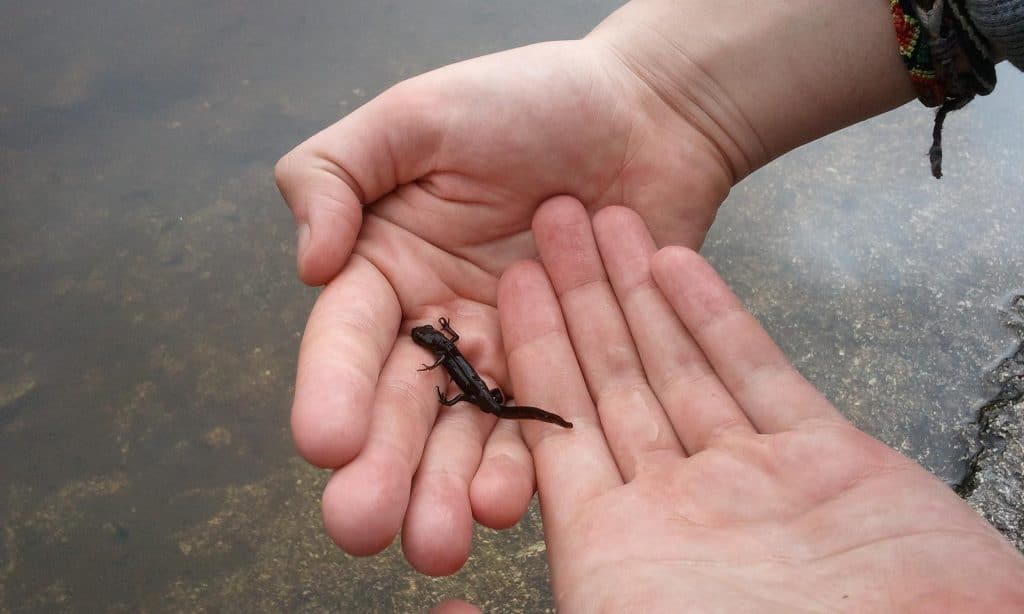
Adding water can also be a great strategy to help you rewild your garden. Having water around not only makes your garden an appealing place for people to spend time, it can be great for a huge range of wildlife too.
Creating space for aquatic and marginal plants around a wildlife pond, and perhaps an attendant area of bog garden with plenty of moisture, can allow you to grow a wider range of plants in your garden, with knock-on effects on the biodiversity of the space.
Other Diverse Habitats for Wildlife
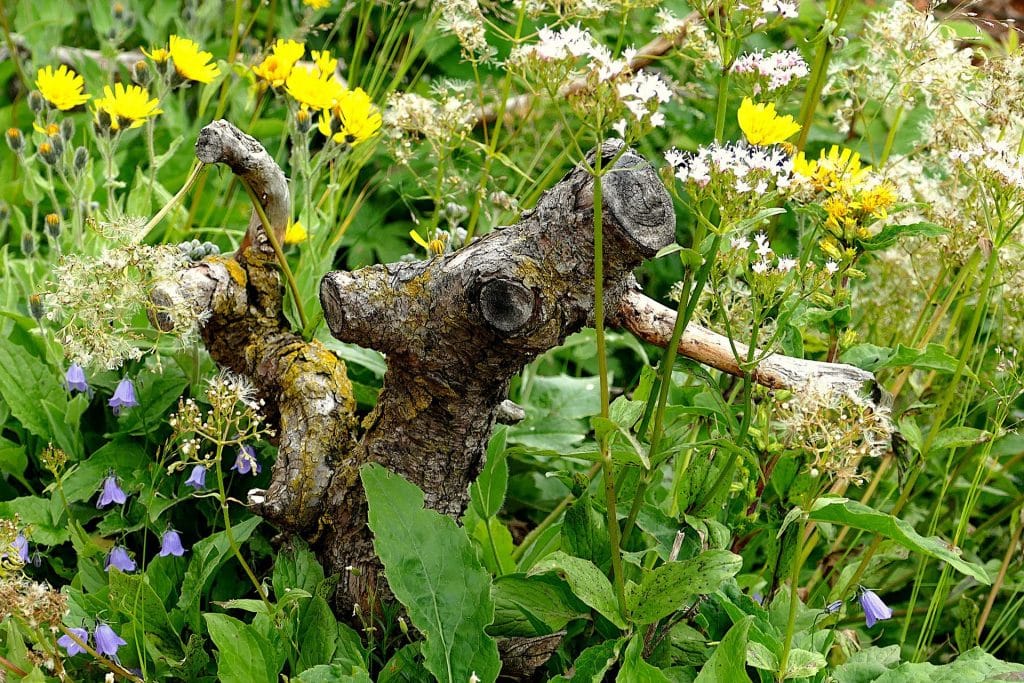
Of course, when trying to create as many different habitat niches for plants and animals as possible, and moving closer to natural systems in your garden, diversity is key.
You might also consider recreating other habitat types to encourage wildlife in your garden. For example, you might create a stumpery, or rock garden, with plenty of spaces for the creatures who share your garden, as well as plants adapted to specific environments.
Growing Food in ‘Wilder’ Ways
One important thing to remember is that you can rewild your garden, and cater to wildlife, without compromising on the things you and your family want or need your garden to provide.
Rewilding can also extend to thinking carefully about how and where we grow food in our gardens. From forest gardening to companion planting, from creating foraging hedgerows perfect for you and for the birds, to embracing edible weeds… there are plenty of ways to make sure a garden is wild but also abundant.
A ‘wilder’ garden can still produce plenty of yields for us, as well as for the creatures who share our space.
Rewilding People As Well As Gardens
It is also important to understand that rewildling doesn’t mean giving up recreational spaces, nor compromising on aesthetics. By getting the balance right, and managing a garden a little, but not too much, you can create a space where humans and nature can come into closer connection.
When you rewild your garden, you can also rewild yourself and your family – forging strong ties to, and a deeper appreciation for, our place within the wider natural world.
References:
https://www.gardeningetc.com/advice/rewilding-your-garden
https://www.ruralsprout.com/rewild-your-garden/
https://www.treehugger.com/why-worth-rewilding-domestic-scale-5210130