

Creating the perfect child-friendly garden should be a priority for all parents with outside space. But how exactly should you do so? In this article, we’ll share some tips to help you design a space that your whole family can benefit from and enjoy. Read on to get some tips to help you plan your own child-friendly space.
Think About Things From a Child’s Eye View
First of all, the mistake that garden designers often make when designing a child-friendly garden is thinking about the space from an adult point of view. A child friendly garden designer should always think about things from a child’s perspective, and consider the space from a child’s eye view – both literally and in a less literal sense.
Remember to engage all the senses, and create planting schemes which look beautiful and enthral at child-height, as well as for adults. Think about how a meadow planting scheme, for example, might come up to your knees, or waist – but could create a maze for a small child to explore, not knowing what is round the next corner. A large shrub might seem more like a tree – the space below it a palace to a smaller child. Look at things though their eyes and you will find it easier to design for them.
Inject a Sense of Fairytale Magic To The Space
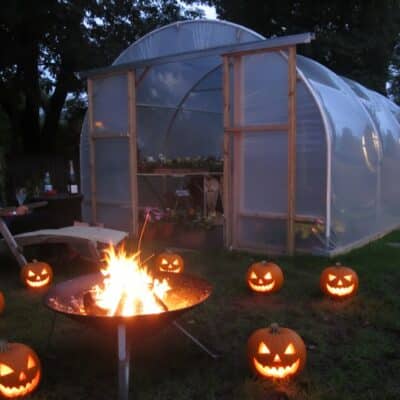
Children have a sense of wonder at the world, and that is something to foster and encourage. Adding fairytale features to a garden can help give your child-friendly garden a magical feel.
Finding pathways give the sense of jungle exploration. And you can also add other features like fairy houses, fairy doors, earthworks that look like sleeping giants and more… Think about adding solar powered lighting to give your garden an even more magical feel. And get your kids to help you in making some wonderful natural artworks for the space.
Let Them Have Their Own Space to Grow
A child friendly garden is a garden which encourages children to get involved with growing their own. and get involved in gardening activities for kids. And while you can also have them help you out on your own plot, there is a lot to be said for giving them a space that they can call their own. Make a space just for them, in which they can (with some guidance) make their own decisions about what and how they grow. This is the perfect way to make sure they have the space to make mistakes, enjoy successes, learn and grow.
Make Space in a Child-Friendly Garden For Fabulous Foraging
Kids love to be able to pick and eat food straight from the garden. Of course you have to teach them what they can and cannot eat.
As they learn about plant identification, you can create an area with only edible plants, where they can learn to forage for delicious food such as fresh summer berries, edible flowers, fresh peas, summer salads and more. Perennial planting schemes and forest gardens are relatively low maintenance, and can keep kids connected to food, and the natural world.
Create the Perfect Dens in Your Child-Friendly Garden
Dens are perhaps an essential for a brilliant childhood garden. Many of us will remember our own garden dens, whether they were elaborate forts or treehouses, or simply spaces below trees or shrubs in a corner of the garden.
Making dens with your kids is a fun summer activity. And letting them take part in the process is a good idea. They can, with your help, create a magical hideaway to enjoy on their own, for some quiet time, or sneak off to with their friends. No matter what age children are, dens are a wonderful idea.
Make Spaces For Natural Fun and Play
Dens are not the only spaces for fun and play that should be created in a child-friendly garden. There should be plenty of places for imaginative and active play. Remember that you do not necessarily have to leave a boring grass lawn for fun and play in a child-friendly garden. Woodlands, perennial planting schemes, meadows etc. can be far more eco-friendly and be just as much fun – if not more fun – for kids to play in.
Leave Space For the Imagination
Make sure your garden makes it easy for kids to enjoy imaginative play, and is a safe place where you can give them time for unsupervised creative play. As well as having spaces where you can have fun together. Don’t be too precious and make sure your garden is set up so they can make a bit of a mess without censure. Make a play kitchen where making mud pies is allowed, for example… and thickets and dens where kids can hide out and get creative… and planting schemes that whisk they off to different worlds…
Leave Space for Wildness in Your Garden
Make sure that you do not make a child-friendly garden to neat, tidy and ordered. The best child-friendly gardens are those which let nature take the reigns. Children exposed to less well-managed gardens can more easily imagine that they are exploring new worlds, battling foes, or kings or queens of their own enchanting kingdoms.
Wilder corners are essential. Rewilding your garden is great for wildlife, but it can also help you rewild your children too – breaking them of unhealthy habits and keeping them away from screens.
Attract Bugs and Beasts To Your Child-Friendly Garden
Make sure you make your child-friendly garden a wildlife friendly garden too. Make sure you plant to attract pollinators and other beneficial wildlife. Create a range of diverse habitats and features for wildlife like ponds, ‘hotels’ and feeders.
Kids love watching, hunting out and learning more about the creatures who share the space. Encourage them to learn by seeking out and discovering the wildlife in your garden.
Keep Safety in Mind When You Design a Child-Friendly Garden
Kids should not be wrapped in cotton wool. But it is of course important to make sure that your garden is safe for them. When choosing plants for your garden, avoid poisonous species.
If you make a pond or water feature, remember that young kids should always be supervised around water. Make sure that landscaping and any hard elements like bed edging are positioned in such a way that accidents are not likely to occur.
Make sure there is a soft surface below play areas, or where kids will be climbing trees. Mostly, just use your common sense and you should find it easy to keep kids safe in a child-friendly garden.
These are just a few tips to help you create your family garden. If you have any other tips to share, or experiences to tell us about, please do so in the comments below. We’d love to hear more about your own child-friendly garden.