

Raised bed gardening is very popular – and with good reason. Raised beds can be easier to tend and maintain, and are one easy way to get started with growing your own. However, there are a number of things that can go wrong, and you can inadvertently make things more difficult (and expensive) initially than they need to be. So to help you avoid some of the most common pitfalls if you are just starting out, here are some of my top tips for raised bed gardening:
1. Think Carefully About Where You Position Your Raised Garden Bed or Beds
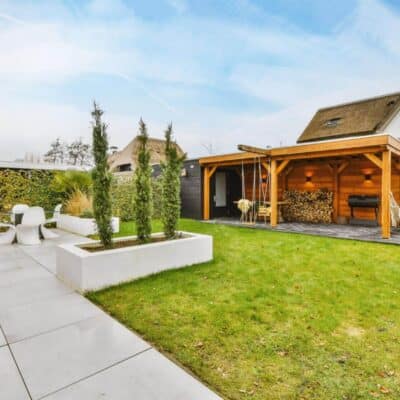
This step is one of the most crucial when planning a new raised bed garden. Garden design should always begin with observation. Simple observations about sunlight and shade, water, wind and soil can help you avoid some of the most common mistakes.
A raised garden bed for growing annual crops will usually best be positioned in full sun, where you will be able to grow the widest range of plants. Of course, there are also plenty of edibles which will grow in partial shade. But if possible, placing a raised bed in a sunny and sheltered spot will usually be ideal.
You could also consider placing raised garden beds within a polytunnel or other undercover growing structure, since this can also increase the variety of crops you can grow, as well as providing your new garden with some protection.
You should also think about where the garden is located in relation to your home, and to other elements such as rainwater harvesting systems or compost systems in your garden. A good layout will save you time and effort as you move around your space. Keep your raised beds close, where you can keep an eye – don’t tuck them away at the end of your garden or you might not be as zealous at maintaining them.
2. Don’t Make Your Raised Garden Bed too Big (or Too Small)
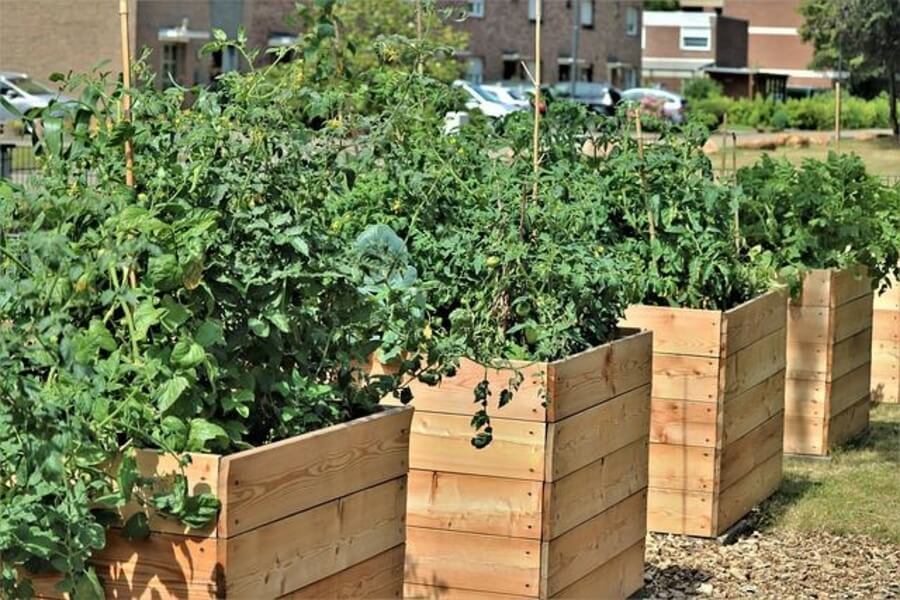
Once you have chosen a location for your raised bed or raised beds, you will of course have to determine what size and shape they should be. You may well be restricted in size and shape by the site you have available.
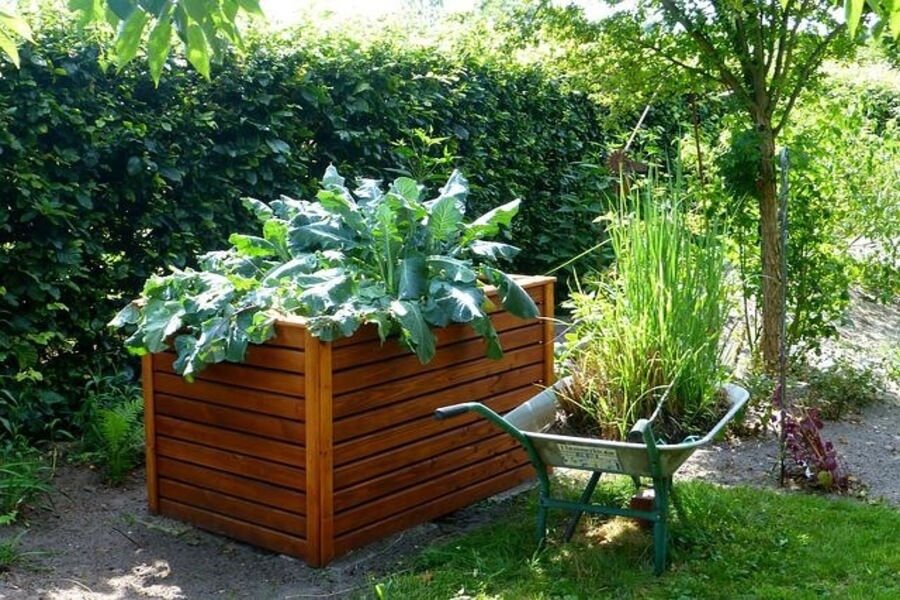
But remember, do not make your raised beds too big. Whatever shape you decide to make your raised beds, it is important that you are able to reach all areas of the bed without straining, and without stepping on or compacting the growing area.
And also remember that you should think about the plants you wish to grow. Though raised beds can be deeper, make sure you have a minimum depth in mind so that the roots of your plants will be accommodated. Starting reasonably small can be a good idea if you are new to gardening, but remember, the larger the bed the easier it will be to meet water needs, since smaller beds will dry out more quickly.
3. Make Use of Free Materials for Bed Edging
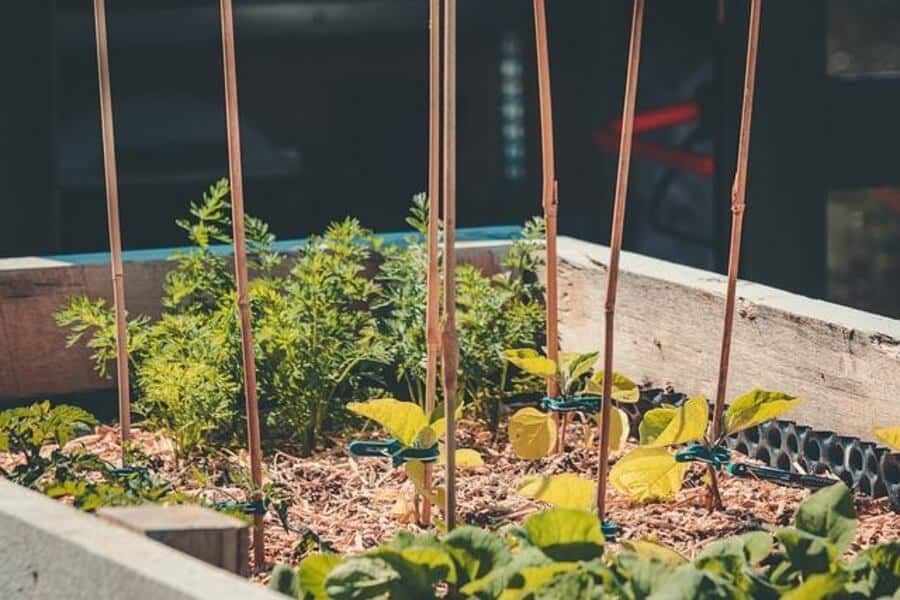
Don’t be tempted to rush out and buy new bed edging. Before you decide to purchase ready made kits, think carefully about materials that you could use for a raised garden bed that you might already have lying around. There are a huge range of natural and reclaimed materials which can be used to make bed edging for new raised beds – often very cheaply, or even for free.
Just make sure that you do not use items like treated timbers or tyres which could release harmful toxins into the soils and potentially into your food. If using such materials, make sure they are lined in the inside with other materials to be on the safe side where food is to be grown.
4. You May Even Be Able to Fill Your Raised Bed For Free
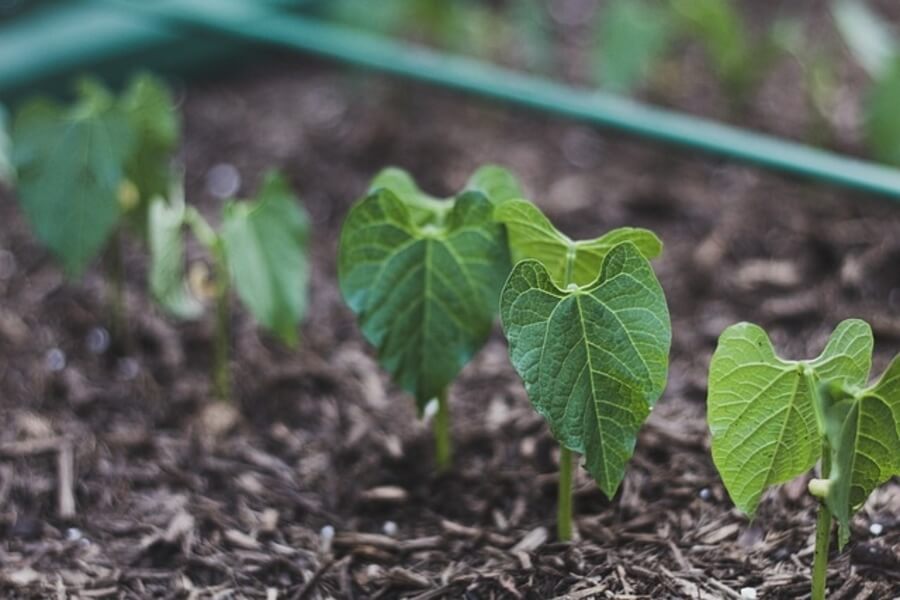
You can also often use natural materials, perhaps even from your own garden, to fill beds for free. Don’t rush out and buy potting soil, compost and/or topsoil to fill your raised beds. Consider composting organic materials in place and building a lasagna bed or hugelkultur mound instead of a more traditional raised bed. These no dig gardening techniques bring a range of benefits. These options can save you money, and help you build healthy soil. These types of raised bed, rich in decomposing organic matter, can also reduce water needs and help plants grow healthy and strong.
5. Think About Watering From the Very Beginning
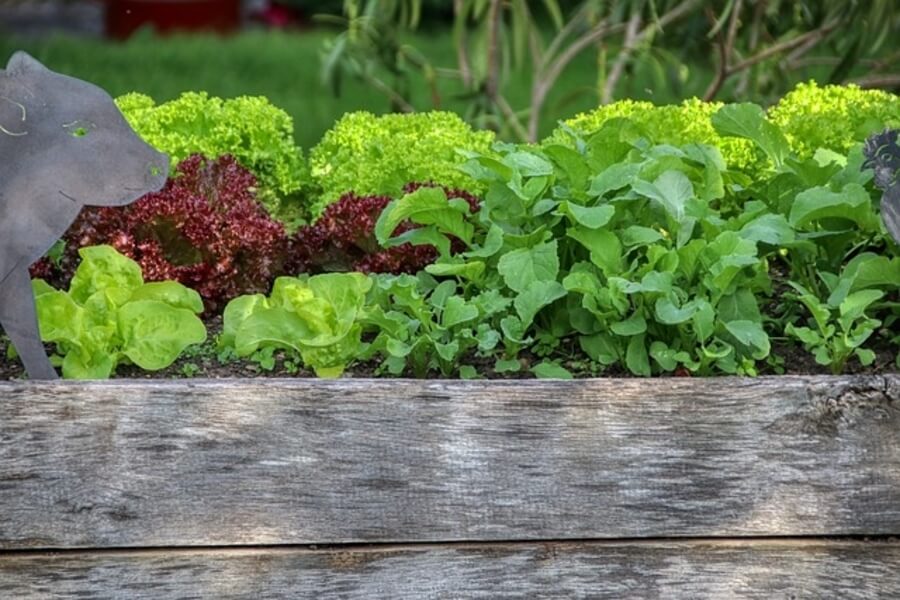
When building smaller raised beds, one important thing to remember is that plants growing in them will typically require more watering than plants grown in the ground. It can be helpful to think about water from the very beginning – before you even create your raised beds.
Harvest rainwater to make sure you have a sustainable water supply to irrigate or water your plants. And consider adding features like clay pots, watering globes, or drip irrigation systems to your beds before you plant them up. You might even consider wicking beds, which can be a great option for low-water areas.
6. Know What You Want To Grow
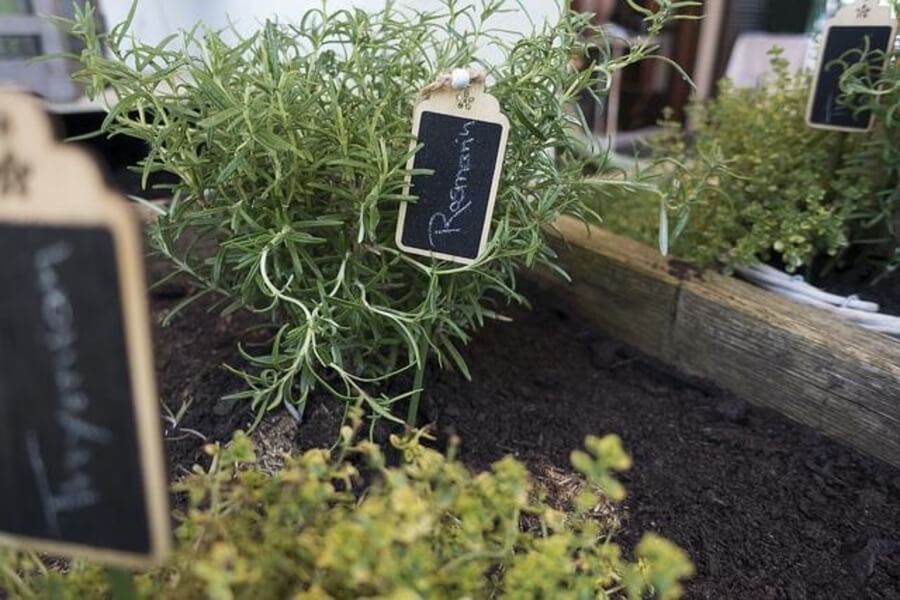
Of course, in conjunction with thinking about watering your raised garden beds, you also have to think about what you want to grow, and the conditions they require.
A huge part of gardening success involves choosing the right plants for the right places. And tailoring the environment to meet the needs of the plants you grow.
Many people, of course, will used raised beds to grow annual edible crops. These are best combined with companion plants to create thriving and biodiverse ecosystems, which work well together, with the environment, and will local wildlife.
But you might also use raised beds to grow a wide range of perennial crops, and other perennial plants. These are great for lower maintenance gardens, and can deliver a high yield over time. Which plants you can grow will depend on the size and depth of the beds, as well as their positions.
7. Integrate, Don’t Segregate in Raised Bed Planting

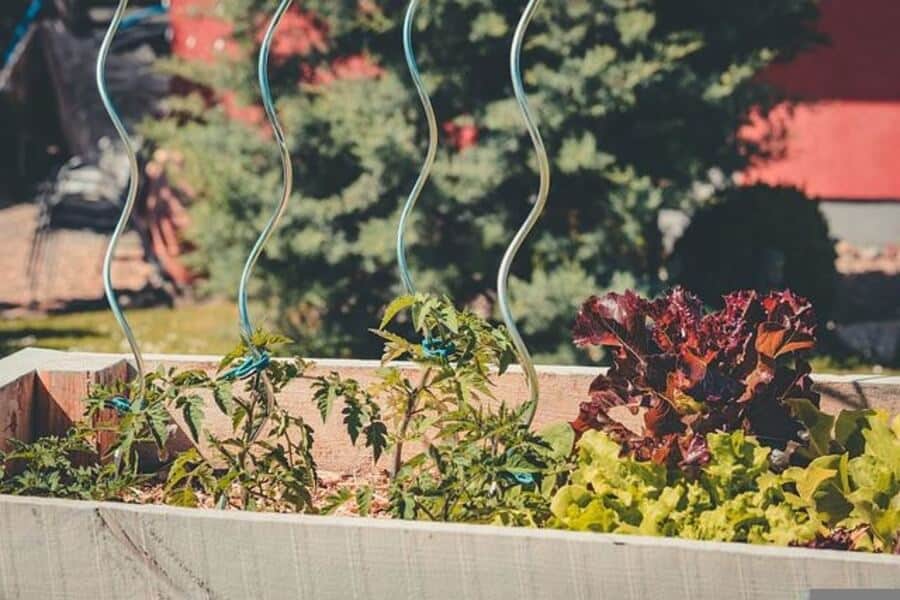
When planting up raised beds, do not be tempted to grow one crop in one, and one crop in another. Mono-crop areas with just one type of plant are more vulnerable to pests and diseases. And this won’t be the way to make the most of your space. Make sure you think about companion planting, and combine plants in beneficial ways when planting up your raised beds.
8. Make Sure You Mulch Your Raised Bed
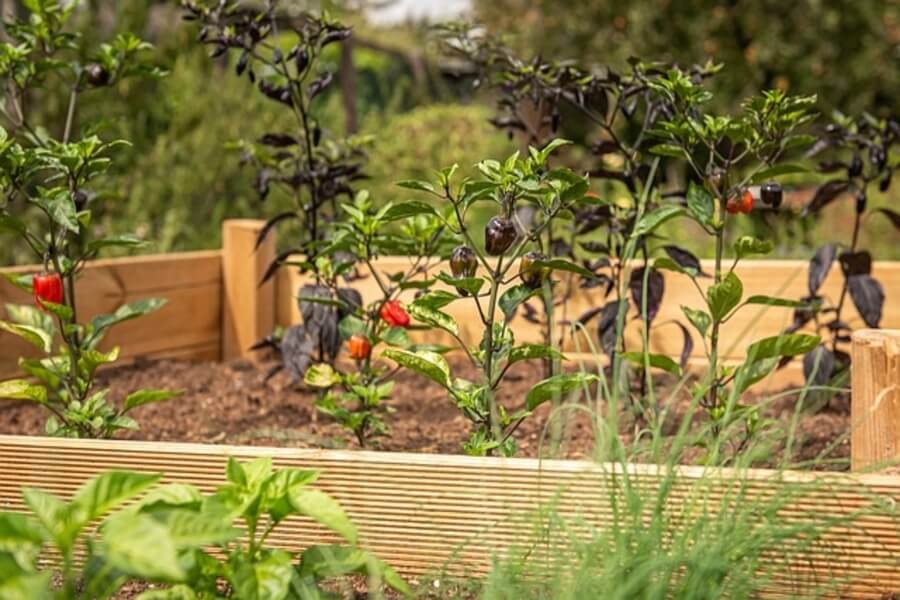
As well as choosing watering systems which help with water conservation, you should also make sure you mulch. Using an organic mulch between plants in a raised bed is beneficial for a range of reasons. One reason is that it helps reduce water loss from the soil surface. Another is that it slowly adds fertility to the growing area over time. Mulching can also help maintain a healthy soil with a good texture, and can also aid is suppressing weed growth.
9. Plan To Fill Your Raised Bed Year Round
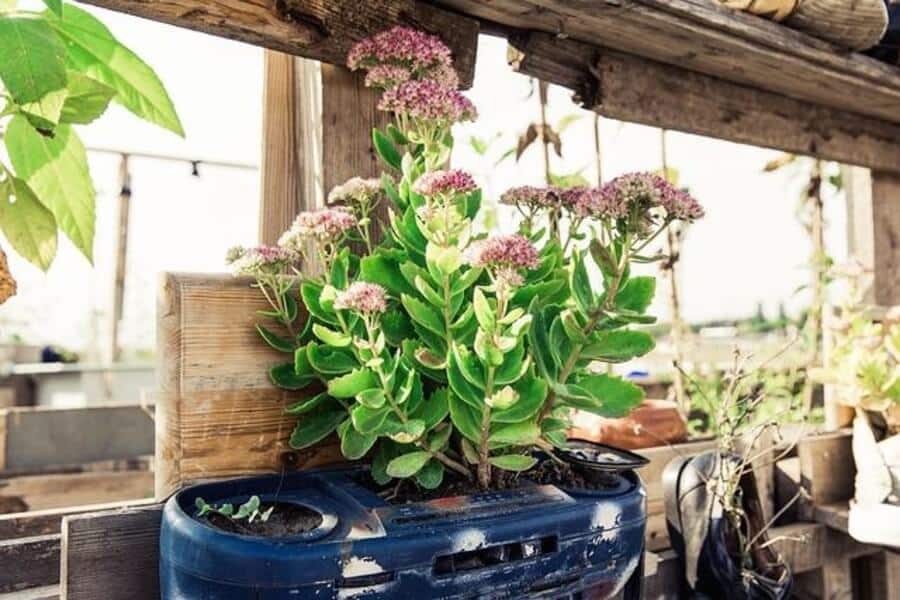
Finally, plan and prepare. Make sure you have plans in place to use your raised beds not just over the summer months but year round. Outdoors, even in cooler areas, there are certain crops that you can grow in raised beds (with some protection) over the winter. You can also use cover crops and green manures. Remember that the surface of your raised beds should always be covered, ideally with living plants, all year round. Make successional sowing and crop rotation plans to keep your garden healthy and productive over time.
10. Think About Crop Rotation Plans
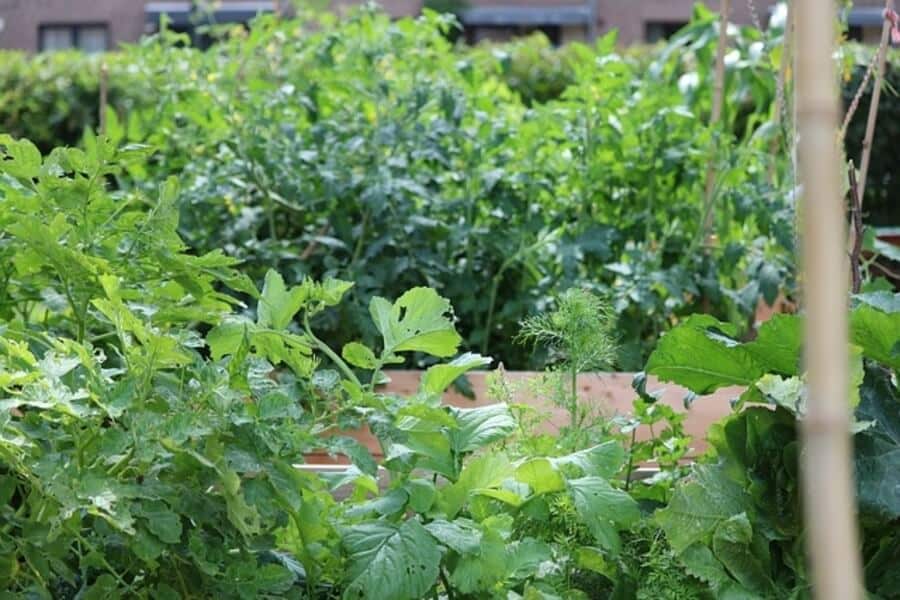
When determining layout and making raised beds, it can also be very helpful to think ahead. Decide not only what you will be growing first, but also how you will manage and alter the planting plan over time.
Crop rotation plans will be easier to implement if you have created beds which make it easier to rotate crops between them. If you plan a four year crop rotation, for example, four beds of equal or roughly equal size will make planning and implementation easier.
Making The Most Of Your Raised Garden Bed
These are just a few simple tips that I would recommend. They should help you make sure you make the most of your space. And the most of your raised bed garden. Of course, there is more to think about relating to raised garden bed creation. But the basics above should help make sure that you start as you mean to go on, and avoid many of the most common mistakes and pitfalls.
If you have additional tips to share, please feel free to share them in the comments below.