


Beyond their visual charm, many white blooming shrubs and plants are richly scented, filling the air with fragrance and even attracting nocturnal pollinators like moths, turning your polytunnel into a sanctuary of life and aroma.
This guide will help you discover the top white-blooming shrubs and flowers suited to polytunnel growing, explore the reasons these blooms are so valuable, and provide essential care tips tailored to the controlled environment of a polytunnel.
Whether you want to create a serene winter display, a fragrant summer retreat, or a year-round sequence of blooms, this article should give you inspiration for your white-bloom-filled polytunnel garden.
KEY TAKEAWAYS
- Extended growing season: Polytunnels allow gardeners to start flowers earlier and shield delicate plants from late frosts, prolonging their display.
- Best shrubs and flowers: Featured shrubs include Camellia sasanqua, Sarcococca, Daphne, Viburnum, Hydrangea, and Gardenia. Top flowers include Snowdrops, Hellebores, Tulips, Cosmos, Echinacea ‘White Swan’, and Gaura.
- Plant selection: Consider size, growth habit, and environmental needs to ensure thriving blooms.
- Seasonal planning: Arrange plants to ensure continuous white blooms from winter through autumn.
- Care essentials: Watering, ventilation, soil preparation, and pruning strategies are critical inside a polytunnel.
UNDERSTANDING POLYTUNNEL CONDITIONS FOR WHITE BLOOMING SHRUBS
A polytunnel is a lightweight, curved greenhouse structure that creates a microclimate ideal for plant growth. By moderating temperature fluctuations and protecting plants from frost, polytunnels allow gardeners to start spring flowers earlier and extend the flowering season. The enclosed environment also supports tender and exotic varieties that might otherwise struggle in open gardens.
However, a polytunnel presents unique challenges. Understanding the conditions in your polytunnel is key to successfully cultivating a dazzling display of white blooms.
Key considerations for polytunnel plant care:
- Adequate ventilation to reduce humidity and prevent fungal diseases.
- Shading for delicate blooms during hot weather.
- Consistent watering without waterlogging.
- Well-draining, fertile soil.
- Proper spacing to avoid overcrowding and allow airflow.
- Pest management and regular inspection for disease.
Explore our polytunnel guides to learn more about creating an ideal growing environment. For practical setups, browse our range of polytunnels to elevate your indoor garden space.
BENEFITS OF GROWING WHITE BLOOMING SHRUBS AND FLOWERS
White blooms are more than just aesthetically pleasing—they offer multi-sensory and ecological benefits. Their brightness brings light to shaded areas, creating contrast against colourful plants. Many white-flowered species are richly scented, attracting nocturnal pollinators such as moths and adding a gentle fragrance to your polytunnel.
Psychologically, white flowers evoke calmness and serenity, transforming your polytunnel into a peaceful retreat. Ecologically, early-blooming whites like Helleborus niger provide crucial nectar for winter and spring pollinators, supporting biodiversity within your enclosed garden.
Benefits at a glance:
- Aesthetic: Brighten shaded spaces, create contrast, and elevate visual appeal.
- Sensory: Fragrant blooms attract pollinators and delight the gardener.
- Ecological: Early nectar for pollinators; support for moths, bees, and butterflies.
- Versatility: Suitable for sunny fences, shady corners, and container planting.
CHOOSING THE RIGHT SHRUBS FOR A POLYTUNNEL
Selecting the right white-blooming shrubs involves considering height, spread, growth habit, and environmental preferences. Shrubs must suit the size of your polytunnel and the intended design, whether you want tall structural plants or compact, fragrant fillers.
Selection considerations:
- Assess mature height and spread to ensure space compatibility.
- Match soil type, light, and humidity requirements to polytunnel conditions.
- Decide between containers or in-ground planting for control over soil and mobility.
- Choose evergreen for year-round structure or deciduous for seasonal interest.
- Combine different sizes and forms for vertical structure and visual variety.
TOP WHITE BLOOMING SHRUBS FOR POLYTUNNELS
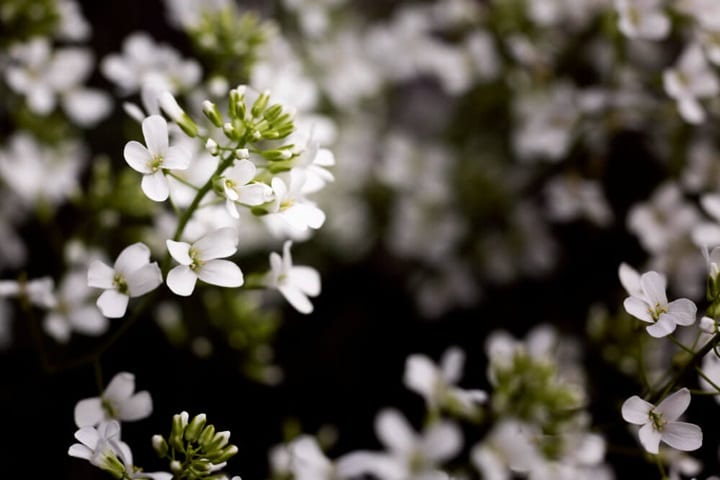
- Camellia sasanqua
Camellia sasanqua is an evergreen shrub that brightens the late autumn and early winter months when few other plants are flowering. Its delicate blooms, often tinged with a hint of cream, pair beautifully with glossy green foliage.
Key Facts:
- Height × Spread: ~3 m
- Bloom Period: November–December
- Fragrance: Mildly scented
- Light Requirements: Bright, filtered light
- Polytunnel Tip: Use large containers with ericaceous compost and provide good ventilation to avoid fungal issues. Place near seating areas to enjoy the seasonal blooms.
- Sarcococca confusa (Sweet Box)
Sarcococca confusa offers intensely fragrant white flowers that bloom from December to March. Its compact, evergreen habit makes it ideal for corners or shaded areas of a polytunnel.
Key Facts:
- Height × Spread: ~2 m × 1 m
- Bloom Period: December–March
- Fragrance: Strong, sweet
- Light Requirements: Sun or shade
- Polytunnel Tip: Thrives in shadier spots; scent fills enclosed spaces during winter.
- Daphne bholua ‘Darjeeling’
A compact winter-blooming shrub with intoxicating fragrance, perfect for polytunnels with limited space.
Key Facts:
- Height × Spread: ~1.5 m
- Bloom Period: Winter
- Fragrance: Highly scented
- Light Requirements: Sun or partial shade
- Polytunnel Tip: Position near walkways to enjoy fragrance; water sparingly in winter and ensure good air circulation.
- Viburnum tinus
Viburnum tinus is an evergreen shrub producing fragrant pinkish-white flowers during the winter months.
Key Facts:
- Height × Spread: ~3 m × 3 m
- Bloom Period: Winter
- Fragrance: Mildly scented
- Light Requirements: Full sun to partial shade
- Polytunnel Tip: Use as a backdrop; prune after flowering to maintain shape.
- Hydrangea (Annabelle / ‘Incrediball’)
Hydrangeas produce large, showy white blooms from summer into autumn, perfect for creating dramatic focal points.
Key Facts:
- Height × Spread: 1–2.5 m
- Bloom Period: Summer–Autumn
- Fragrance: Lightly scented
- Light Requirements: Partial shade
- Polytunnel Tip: Grow in rich soil in raised beds; maintain consistent moisture; compact varieties are preferable for smaller tunnels.
- Gardenia jasminoides
Gardenias offer creamy white, highly perfumed flowers from late spring into summer, complemented by glossy green leaves.
Key Facts:
- Height × Spread: ~1.5 m
- Bloom Period: Late spring–early summer
- Fragrance: Intense
- Light Requirements: Part shade
- Polytunnel Tip: Requires high humidity and acidic soil; keep near a polytunnel door for airflow and avoid midday sun.
TOP WHITE-BLOOMING FLOWERS FOR POLYTUNNELS
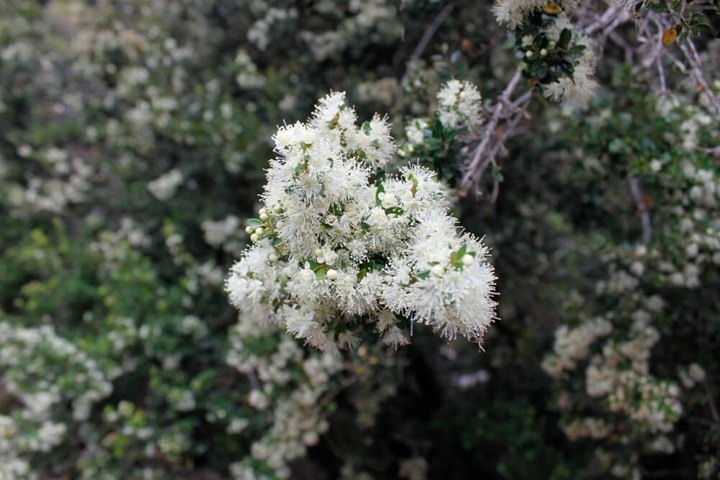
- Snowdrop (Galanthus nivalis)
Snowdrops are the first sign of life in late winter, offering delicate nodding flowers in moist, partially shaded spots.
Key Facts:
- Height: 10–15 cm
- Bloom Period: Late winter–early spring
- Soil: Moist, well-drained
- Light Requirements: Partial shade
- Polytunnel Tip: Plant bulbs in autumn; naturalise in pots or raised beds to protect from waterlogging.
- Helleborus niger (Christmas / Lenten Rose)
Evergreen perennials that produce white flowers through winter into spring, perfect for early nectar.
Key Facts:
- Height × Spread: 30 cm × 30 cm
- Bloom Period: Winter–Spring
- Soil: Well-drained, humus-rich
- Light Requirements: Partial shade
- Polytunnel Tip: Place near entrances for cooler microclimates; water sparingly in winter.
- Tulip (‘Purissima’ / ‘White Triumphator’)
Iconic spring bulbs, offering bright, pure white flowers that stand out in any polytunnel display.
Key Facts:
- Height: 35–45 cm
- Bloom Period: Spring
- Soil: Well-drained, fertile
- Light Requirements: Full sun
- Polytunnel Tip: Plant bulbs in autumn in containers for easy rotation. After flowering, lift bulbs and store them in a cool, dry place to replant next year or replace for optimal performance.
- Cosmos bipinnatus ‘Purity’
A summer annual with feathery foliage and large, papery white flowers, Cosmos brings an airy lightness to a polytunnel display.
Key Facts:
- Height: Up to 1 m
- Bloom Period: Summer–Autumn
- Soil: Well-drained, moderately fertile
- Light Requirements: Full sun
- Polytunnel Tip: Sow directly into raised beds once frost risk has passed. Pinch out young shoots to encourage bushy growth and deadhead regularly for a continuous display.
- Echinacea purpurea ‘White Swan’
A sturdy perennial with prominent golden cones surrounded by crisp white petals, beloved by bees and butterflies.
Key Facts:
- Height: 80–90 cm
- Bloom Period: Mid-summer–Early autumn
- Soil: Well-drained, deep
- Light Requirements: Full sun
- Polytunnel Tip: Plant in deep beds to accommodate taproots. Water deeply but infrequently, and leave seed heads for winter interest and wildlife food.
- Gaura lindheimeri ‘Whirling Butterflies’
This perennial produces clouds of delicate white blooms on slender stems, dancing gracefully in even the slightest breeze.
Key Facts:
- Height: 60–90 cm
- Bloom Period: Early summer–Autumn
- Soil: Well-drained, light
- Light Requirements: Full sun
- Polytunnel Tip: Plant at the edges of paths or beds to create a soft, airy frame for taller plants. Avoid overwatering and cut back in autumn to encourage fresh growth.
CREATING A YEAR-ROUND WHITE BLOOM DISPLAY
The key to an uninterrupted display of white blooms in your polytunnel (for you and the pollinatord and other beneficial insects) is succession planting—selecting plants with staggered flowering times so there’s always something in bloom.
When designing, think in layers:
- Base Layer: Low growers like Snowdrops for ground coverage.
- Middle Layer: Mid-height shrubs or perennials such as Hellebores and Echinacea.
- Upper Layer: Tall shrubs like Hydrangeas and Camellias for structural presence.
Pair white blooms with silver-leaved plants or deep green foliage for contrast, and place fragrant varieties near seating or walkways to maximise sensory enjoyment.
PLANTING & CARE TIPS FOR POLYTUNNEL WHITE BLOOMS
Soil Preparation:
- Use rich, well-drained compost for healthy root development.
- Adjust pH for acid-loving plants like Camellias and Gardenias with ericaceous compost.
Watering:
- Keep soil consistently moist, especially for hydrangeas in summer, but avoid waterlogging.
- Water in the morning to allow foliage to dry before nightfall.
Ventilation & Humidity:
- Open doors and vents on warm days to reduce humidity and discourage fungal diseases.
- Avoid overcrowding plants to maintain airflow.
Temperature & Shading:
- Provide shade cloth during heatwaves to prevent scorch.
- Group plants by heat tolerance to simplify shading.
Feeding:
- Apply balanced organic fertiliser during the growing season.
- Topdress with mulch to retain moisture and suppress weeds.
Pruning & Deadheading:
- Prune shrubs after flowering to maintain shape and encourage new growth.
- Deadhead annuals like Cosmos to extend the flowering season.
Dos and Don’ts:
- Do match plants to their ideal light conditions.
- Do rotate containers to prevent soil fatigue.
- Don’t let humidity remain high for extended periods without ventilation.
- Don’t overfeed—too much nitrogen can produce lush leaves but fewer flowers.
DESIGN IDEAS & POLLINATOR BENEFITS
White blooms can be the foundation of a stunning polytunnel design or act as elegant accents in a mixed planting scheme. A monochrome display of whites and silvers creates a calming, moonlit effect, while pairing white flowers with bold colours like deep purples or reds adds drama and depth.
Fragrance plays a key role in the sensory appeal of a polytunnel. Position shrubs like Sarcococca and Gardenia where their scent will be most enjoyed—near doors, paths, or seating areas.
From an ecological standpoint, white flowers are invaluable. Their pale hues and often strong scents are particularly attractive to moths and other night-flying insects.
A polytunnel is the perfect partner for cultivating white-blooming shrubs and flowers. By moderating temperature, protecting against frost, and allowing for precise control of humidity and light, a polytunnel creates ideal growing conditions for even the most delicate blooms.
With options for different sizes, ventilation features, and accessories, you can create the exact environment your plants need to thrive. Investing in a durable, well-designed polytunnel will reward you with earlier blooms, longer flowering seasons, and healthier, more vibrant plants.
With thoughtful selection, careful planning, and attentive care, you can enjoy a seamless succession of blooms that turns your polytunnel into a tranquil, fragrant retreat every day of the year.
FAQs
Can white-flowering shrubs grow well in shade?
Yes. Many, such as Sarcococca and some viburnums, thrive in shaded areas. Position them in cooler parts of the polytunnel to mimic their natural woodland habitat.
Can I grow shrubs in containers inside a polytunnel?
Absolutely. Use large containers to allow for root development, and choose species like Camellia or Gardenia that benefit from the controlled soil conditions containers offer.
When is the best time to plant bulbs for white flowers in a polytunnel?
Plant bulbs like Snowdrops and Tulips in autumn. The protection of a polytunnel allows for earlier emergence and bloom.
How can I control humidity in my polytunnel to prevent fungal diseases?
Open vents and doors regularly, especially on warm days. Avoid overcrowding and water plants early in the day.
What fertiliser should I use for white-blooming plants?
A balanced organic fertiliser works for most, with ericaceous feed for acid-loving shrubs. Feed during active growth for best results.
Will white flowers attract pollinators in a closed polytunnel?
Yes, particularly if they are scented. Keeping vents open during the day allows pollinators access, ensuring your blooms support local biodiversity.
Sources
Estep, P., (2024) 5 Reasons to Consider a White Flower Garden. Hearth & Vine. [online] Available at:
https://hearthandvine.com/white-in-the-garden/ [accessed 21/08/2025]