


Creating a garden inspired by Scandinavian and Nordic design is about embracing nature, minimalism, and mindful living.
This guide explores the defining features of these styles and offers practical ideas to help you design a beautiful, sustainable, and functional outdoor space—true to the essence of Northern Europe, with Scandi garden ideas.
What Are The Features Of Scandinavian Garden Design?
Scandinavian garden design is renowned for its understated elegance, practicality, and connection to nature. Originating from countries like Sweden, Denmark, and Norway, it blends clean lines with warm textures, soft colours, and a seamless flow between indoor and outdoor living.
Key features include:
- Minimalist layout with clearly defined spaces.
- Natural materials such as light wood, stone, and gravel.
- Low-maintenance planting using hardy, native species.
- Seasonal functionality—gardens that look beautiful year-round.
- Outdoor living areas styled with comfort and simplicity in mind.
This design philosophy prioritises balance, sustainability, and a sense of calm—an antidote to the fast-paced modern world.
Key Plants for Scandinavian Style Gardens
Evergreen trees are central to creating year-round structure and interest in Scandinavian gardens. These trees retain their foliage throughout the seasons and provide a sense of continuity, even in winter when many other plants are dormant.
Norway Spruce (Picea abies), Scots Pine (Pinus sylvestris), and Silver Birch (Betula pendula) are popular Nordic plant choices, too, providing a natural, forest-like feel. They also add height to the garden and act as a backdrop for smaller plants.
Ornamental grasses are a staple in Scandinavian garden design. Their simple elegance and the movement they provide with the wind create a soothing atmosphere. Feather Reed Grass (Calamagrostis acutiflora), Blue Oat Grass (Helictotrichon sempervirens), and Miscanthus varieties thrive in Scandinavian gardens, offering texture and architectural beauty, especially in the cooler months when other plants may look sparse.
Perennials are perfect for creating a balanced garden that has lasting beauty and minimal upkeep. And incorporating herbs and edible plants into your garden enhances both its aesthetic appeal and functionality. Select plants carefully not only for the right look but for natural ecological function.
What is Nordic Garden Design?
Nordic garden design extends the Scandinavian aesthetic to include a more rugged, wild charm influenced by the dramatic natural landscapes of Iceland, Finland, and the Arctic north.
While it shares core principles with Scandinavian style, Nordic gardens often:
- Emphasise natural wilderness over geometric perfection.
- Use weathered materials like stone, iron, and aged timber.
- Incorporate wildflowers, mosses, and lichens to reflect forest floors and mountain slopes.
- Celebrate seasonal contrasts—from snowy winters to vibrant summers.
- Promote biodiversity and harmony with local wildlife.
This makes the Nordic approach ideal for those seeking a garden that feels untouched, elemental, and grounded in nature, with these Scandi garden ideas.
Key Plants for Nordic Gardens
Again, as in Scandinavian style, evergreens are essential in Nordic gardens because they provide structure and greenery year-round, even when snow blankets the ground during the long winters.
Birch trees are also iconic in Nordic gardens, evoking the wild beauty of the Nordic forests. Their distinctive white bark and delicate leaves are particularly striking against the snow. Silver Birch (Betula pendula) is one of the most common species used in Nordic gardens.
Perennials, again, are an excellent choice for Nordic gardens because they offer consistent beauty from year to year with minimal upkeep. These gardens focus on the unique climate and natural conditions of the region, emphasizing hardy, resilient plants that can withstand long, harsh winters and the short, intense growing seasons.
Alpine plants are perfect for Nordic gardens due to their cold-resilient nature. These plants are adapted to high altitudes, making them perfect for the cooler regions of the Nordic countries. These plants are well-suited for rock gardens, alpine beds, or areas with poor, well-drained soil.
Moss and ferns are also embraced in Nordic garden design, particularly for their ability to thrive in shady, damp conditions and their ability to soften and enrich the natural landscape, making them a perfect addition for these Scandi garden ideas.
15 Scandi Garden Ideas To Try
1. Live the Lagom Lifestyle
Embracing these Scandi garden ideas begins with the concept of “lagom,” a Swedish philosophy that means “just the right amount.” This approach to design encourages moderation, proportion, and functionality. Rather than filling the space with numerous features, every choice is made with intention. The result is a garden that feels calm and balanced, where nothing is excessive and everything has its place.
2. Be Sustainable
Sustainability plays a pivotal role in Scandinavian garden design. The use of reclaimed or responsibly sourced materials is a common practice, as is the integration of energy-efficient systems such as drip irrigation systems. Organic, sustainable gardening, composting, the selection of native plants, and reducing lawn areas in favour of wildflower meadows or gravel paths further contribute to an environmentally conscious garden.
3. Strive for Minimalism
Minimalism is a visual and philosophical cornerstone of Scandi garden ideas and outdoor aesthetics. It promotes clarity and peace by encouraging open space and simple geometric forms. Plant selections are often limited to a few species that are repeated throughout the garden, creating rhythm and visual cohesion. Clutter is avoided not just for aesthetics, but to allow the garden’s most beautiful elements—like a flowering tree or a sculptural boulder—to take centre stage.
4. Declutter
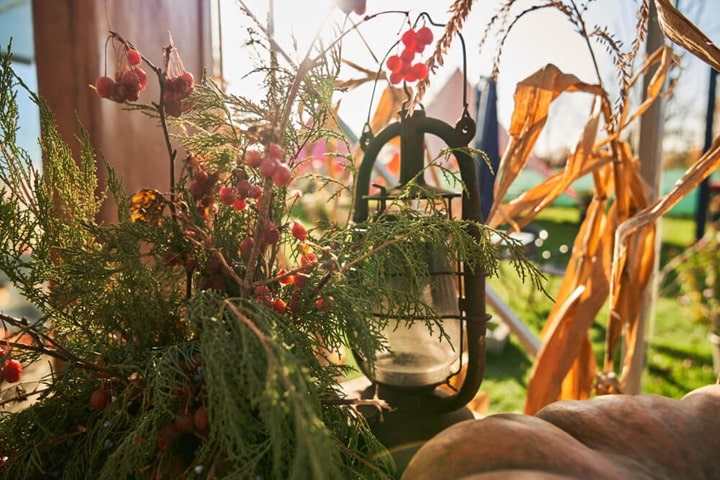
Decluttering is more than just removing physical items; it is about editing the landscape to remove distraction. Tools and garden accessories are stored away in wooden sheds or built-in benches that blend seamlessly with the natural surroundings. Pathways are kept clear and tidy, and plants are pruned and arranged to create a well-kept yet unforced look.
5. Use a Natural, Calming Colour Palette
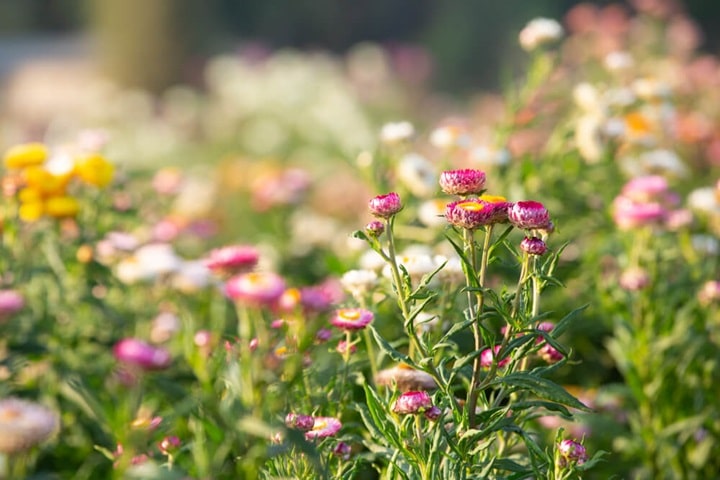
The colour palette of a Scandinavian garden takes direct inspiration from the natural world. Think soft greys reminiscent of coastal stone, muted greens echoing pine forests, and pale earth tones found in sandy soil. Whites, beiges, and charcoal greys are often used on surfaces, structures, and furniture, creating a cohesive and calming effect that brings serenity to the space.
6. Choose Natural Landscaping Materials
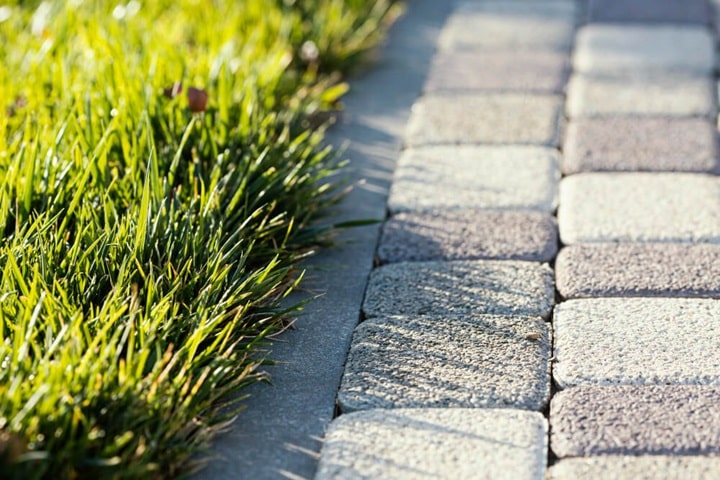
Landscaping materials are chosen not only for aesthetics but also for their ability to weather naturally and improve with age.
Timber is frequently used in decking, fencing, and garden structures, particularly in its untreated form. Stone pathways, pebble-covered sitting areas, and gravel driveways blend beautifully into the environment while requiring minimal maintenance.
7. Bring the Inside Outside

Outdoor living is an essential component of Scandinavian life, especially during the long summer days. The garden becomes an extension of the home. Comfortable seating areas are equipped with soft textiles like throws and cushions designed to withstand the elements.
Lighting plays a key role as well, with lanterns, string lights, and even solar-powered lamps providing ambience. Canopies, pergolas, or outdoor curtains help provide shelter and define spaces, enhancing the comfort and usability of the garden.
8. Create a Series of Garden Rooms
Rather than being one vast open space, a Scandinavian-inspired garden is often divided into a series of functional areas, or “rooms.” Each space serves a unique purpose. A small patio might serve as a breakfast corner, while a shaded bench beneath a tree offers a tranquil reading nook.
A vegetable patch or greenhouse fosters sustainable living, and a covered pergola might house an outdoor dining area. These rooms are delineated not with walls but with natural dividers like hedges, trellises, and varied ground materials.
9. Make Hygge Garden Spaces
Cosiness—or “hygge” in Danish—is a concept that extends outdoors. A hygge garden space is one that prioritises warmth, comfort, and emotional wellbeing.
It might include soft lighting, a fire pit, plush seating, and textured blankets for chilly evenings. These are the corners of the garden where you’ll want to sip a hot drink, read a book, or simply unwind.
10. Create an Outdoor Kitchen

Cooking and dining outdoors are cultural staples in the Nordic lifestyle. Outdoor kitchens, while simple in construction, are thoughtfully designed. A barbecue or pizza oven takes centre stage, accompanied by a rustic wooden countertop and perhaps a small herb garden within arm’s reach.
Tables and chairs are usually made of wood or metal, chosen for their durability and clean lines, encouraging long, lingering meals with friends and family.
11. Create a Cosy Fire Pit Area
A fire pit provides warmth and becomes a central gathering point in any garden, and there is no stopping us from including them in these Scandi garden ideas as well. It might be surrounded by wooden benches or minimalist metal chairs, with gravel or paving creating a defined area. The gentle crackle of the fire, combined with soft lighting, creates a magical setting for socialising or solitary reflection, even during colder months.
12. Add Water for Serenity
Water is another powerful tool for these Scandi garden ideas and designs. Whether it’s a reflective pond, a bubbling fountain, or a simple stone basin, water introduces sound and movement to the garden. It enhances tranquillity, supports wildlife, and adds a meditative quality that elevates the overall experience of the space.
13. Select Low-Maintenance, Hardy, Native Plants
Plant selection is both practical and poetic. Scandinavian gardens often feature trees such as birch and pine, shrubs like juniper and boxwood, and herbaceous perennials including lavender, astrantia, and sedum.
Grasses bring softness and motion, while groundcovers like moss and thyme help blend hard edges into the landscape. These native and hardy plants are well adapted to their environment, requiring less water and care, and inviting local pollinators to thrive.
14. Add Features for Year-Round Functionality
A well-designed garden should be usable in every season. This year-round functionality is key to Scandinavian style. Lighting is crucial during the long, dark winters, with strategically placed fixtures creating a warm glow.
Evergreen plants provide structure when flowers fade. Heated cushions, fire pits, and weather-resistant furniture make it possible to enjoy the outdoors even on chilly days. Flexibility in design allows elements to be easily stored or covered when needed.
15. Work Alongside Wildlife
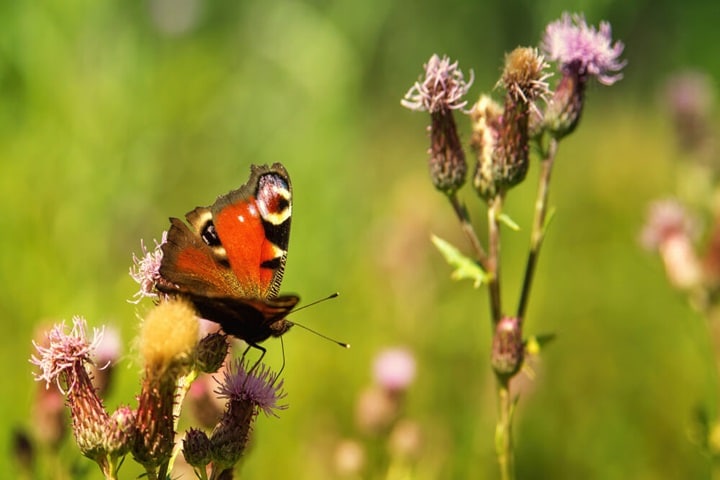
Lastly, a true Scandinavian garden works in partnership with nature rather than against it. This means creating habitats for birds, bees, butterflies, and beneficial insects. Gardens are designed to be chemical-free, with companion planting and natural pest control methods taking precedence. Log piles, rockeries, wild corners, and flowering shrubs all contribute to a biodiverse and healthy garden ecosystem.
Scandinavian and Nordic garden design offer more than just visual appeal—they represent a holistic and mindful way of engaging with outdoor space. Through principles such as minimalism, sustainability, natural beauty, and a deep appreciation for comfort and seasonality, these styles create gardens that nourish both the body and soul.
Whether you are transforming a city balcony, a suburban plot, or a sprawling countryside retreat, the ethos of Scandinavian and Nordic design can be adapted to suit any setting. Keep your design intentional, your materials honest, and your spaces serene, and you will find that your garden becomes more than just a place—it becomes a sanctuary.
FAQs
How can I create privacy in a Scandinavian garden?
Creating privacy in a Scandinavian garden involves thoughtful, subtle techniques that align with the minimalist aesthetic. Instead of tall, imposing fences, consider using natural screening elements such as tall grasses, trellises with climbing plants, or staggered planting of hedges and shrubs. Wooden slatted panels can offer semi-transparent shielding while still allowing light and air to flow. Pergolas draped with linen or canvas shades can also define more intimate garden rooms, creating a sense of enclosure without closing off the garden entirely.
What are some common mistakes to avoid in Scandinavian garden design?
One common mistake is overcrowding the space with too many decorative elements or a wide variety of plant species. Scandinavian gardens thrive on simplicity and restraint. It’s important to maintain visual cohesion and avoid mixing too many materials or colours.
Another pitfall is neglecting seasonal planning—ensuring that your garden remains functional and attractive all year round is crucial.
Finally, overlooking sustainability undermines the philosophy of this design style; always choose eco-friendly materials, favour native plant species, and implement environmentally responsible practices.
Sources
McKinna, F., (2021) 10 Plants Beloved in Nordic Gardens. Living a Nordic Life. [online] Available at: https://www.livinganordiclife.com/post/10-plants-beloved-in-nordic-gardens [accessed 23/04/2025]