


Flooding and waterlogging are problems that many gardeners, both urban and rural, contend with at some stage in their gardening careers; fortunately, effective garden flooding solutions can be integrated to prevent these issues. Whether triggered by heavy rainfall, poor drainage, or shifting weather patterns, the impact on the garden can be both frustrating and damaging.
As organic gardeners, we seek harmony with the natural world. So, rather than fighting against nature with brute force or artificial solutions, we must seek sustainable methods to mitigate and adapt to these challenges.
In this guide, I explore holistic and regenerative approaches to preventing waterlogging and floods in gardens and polytunnels, encouraging solutions that not only work to address any immediate water-related problems but also enhance ecological health.
Analysing a Garden for Flooding Issues
Before any meaningful changes can be made, the first step is observation. A garden is a living, evolving system, and every element—from the soil underfoot to the trees overhead—plays a role in how water moves through the space.
Careful observation of your garden during and after rainfall can reveal where water tends to collect, where the flow is hindered, and which areas dry quickly.
Record rainfall patterns, monitor standing water, and note which plants struggle due to too much moisture. A site journal can be useful, allowing you to document seasonal variations and make informed decisions over time.
The permaculture principle of “observe and interact” reminds us that no sustainable solution can be implemented without first understanding the nuances of the space.
Identify the Cause of Poor Garden Drainage

To find the right solution, one must first correctly identify the problem. Poor garden drainage can arise from a number of causes:
- Compacted soil, often the result of heavy machinery or frequent foot traffic.
- High clay content, which slows infiltration and drainage.
- Impenetrable subsoil or hardpans that restrict percolation.
- High water tables causing groundwater to linger near the surface.
- Urban runoff, where surrounding buildings or hard surfaces channel water into the garden.
- Blocked or inadequate drainage systems.
Each of these issues requires a tailored response. Simply digging a ditch or installing a drain may address the symptom, but not the underlying cause.
Perform a Soil Assessment
Soil is the heart of any garden. Understanding its composition and structure is essential when addressing flooding or waterlogging.
Start by performing a jar test to determine the proportions of sand, silt, and clay. Next, assess drainage by digging test holes and filling them with water. Observe how long it takes for the water to drain. A well-draining soil should allow an inch or more of water per hour to percolate.
You should also check for signs of compaction—soil that is difficult to dig, with few visible roots or earthworm activity. Smell the soil; sweet, earthy aromas indicate good microbial activity, while sour or rotten smells suggest anaerobic conditions caused by excessive moisture.
Organic matter is key. Healthy, humus-rich soils not only support better drainage but act like a sponge, holding moisture in droughts and releasing it slowly.
Topsoil and Subsoil Issues
One of the more persistent challenges arises when the topsoil appears fine, but a hard, compacted layer of subsoil prevents water from moving downwards. This may be the result of construction work, historical farming practices, or natural soil layering.
In such cases, double digging, broadforking, or subsoiling can break up the compacted layer and restore better water movement. Avoid rotavators, which often smear and compact wet soil, worsening the problem.
Introducing organic material deeply into the soil profile through green manures or deep-rooting plants such as comfrey, chicory, and alfalfa can also help open up pathways for water and will be a more eco-friendly option since it will not involve digging up and damaging the precious and fragile soil and disrupting its systems.
Look at Geography and Topography
Water always follows the path of least resistance. Understanding the topography of your site—its slopes, depressions, and contours—is vital. Does your garden sit at the bottom of a hill? Are there natural drainage paths through the site?
A simple topographic map, which can be made using a line level or A-frame, allows you to visualise water movement and identify areas of accumulation. Use this information to plan swales, rain gardens, or raised beds that work with the landscape rather than against it.
High Water Table?
A high water table presents a unique challenge. In such cases, the water is naturally close to the surface, and traditional drainage efforts may do little. It may be necessary to adapt your planting plan to suit wet conditions rather than attempting to change them.
Consider using raised beds or mounded planting areas to lift plant roots above saturated soil. Alternatively, embrace the conditions by cultivating wetland species or creating bog gardens, which can become biodiversity hotspots.
Runoff from Roads or Neighbouring Properties?
Urban and suburban gardens often suffer from runoff originating from nearby properties or roads. This water, often laden with pollutants, can overwhelm even well-designed garden beds.
To mitigate this, create buffer zones using deep-rooted native plants, hedgerows, or bioswales. A well-placed rain garden—a planted basin that captures and filters runoff—can slow water flow, clean it through plant roots, and allow it to infiltrate safely into the ground.
Speak with neighbours or local authorities if runoff is excessive—there may be simple cooperative fixes, such as redirecting guttering or adding permeable surfaces.
Issues with Pipes or Guttering?
Sometimes, the cause is deceptively simple: clogged guttering, leaky downpipes, or poorly placed drains. These should always be addressed first before considering more extensive measures.
Check regularly for debris build-up, especially in autumn. Ensure downpipes are not discharging directly onto compacted ground. Instead, use them to feed rainwater into water butts, rain chains, or constructed infiltration pits.
Flood Prevention and Polytunnel Siting
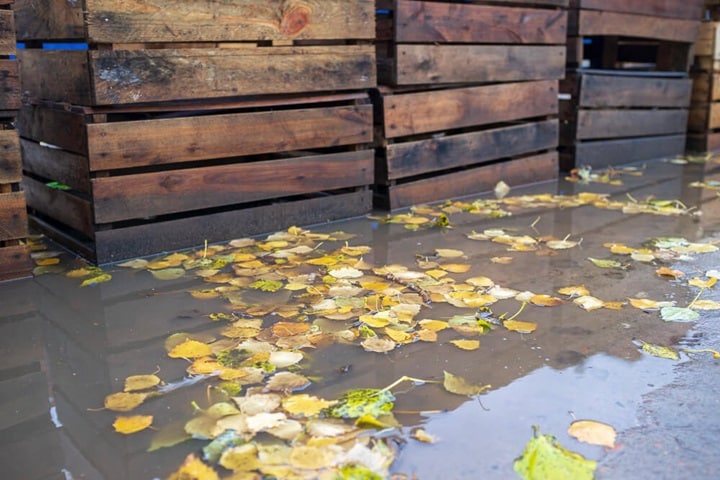
When siting a polytunnel, avoid areas prone to waterlogging. Do not place the tunnel in a spot known to get excessively damp, not at the bottom of a steep slope that experiences runoff.
Elevate the tunnel slightly or install perimeter drains filled with gravel to divert excess water. Raised beds within the tunnel can further protect crops during wet seasons.
Use mulch paths (woodchips or straw) rather than impermeable surfaces, and consider adding internal gutters or water collection barrels to manage condensation and roof runoff.
Polytunnels also benefit from a good airflow, which helps prevent mould and rot associated with damp conditions. Carefully placed vents, and orientation along the prevailing wind direction, can aid in passive air movement.
Traditional Drainage Vs Sustainable Solutions
While French drains, perforated pipes, and soakaways are common solutions, they often rely on invasive digging and synthetic materials. Such methods can be effective but are rarely regenerative and often require regular maintenance.
In contrast, sustainable drainage systems (SuDS) prioritise the slowing, spreading, and sinking of water using natural materials. These systems promote biodiversity, support pollinators, and enhance the aesthetic appeal of a garden.
Examples include:
- Bioswales
- Infiltration trenches
- Green roofs
- Permeable paths
- Rain gardens
These solutions work in harmony with natural processes and often provide additional ecosystem services.
Garden Design for Flooding or Waterlogging
A well-designed garden can handle even the heaviest downpour. Key strategies include:
- Zoning: Place water-hungry plants or bog gardens in the lowest areas, drought-tolerant plants in the highest.
- Pathways: Use permeable materials like bark, gravel, or reclaimed bricks set in sand.
- Edges: Soften borders with plants to slow water flow and reduce erosion.
- Levels: Terracing or contouring can help spread water more evenly across a sloped site.
Good design is not just functional but also beautiful. Wet areas can become features rather than flaws when embraced with the right approach.
Working With Nature – Wetland & Bog Garden Ideas
Sometimes, the best way to solve water issues is to stop fighting them. A soggy, shaded corner of the garden might never grow carrots, but it could become a magical wetland sanctuary. Bog or wetland garden areas also offer habitat for frogs, newts, dragonflies, and a host of beneficial insects.
Where possible, link these wetland spaces to small ponds or wildlife corridors, increasing biodiversity and resilience across the whole site.
Reducing Hard Surfaces
Hardscaping—paving, concrete, tarmac—prevents water from soaking into the ground, leading to runoff and potential flooding. Replacing or reducing these surfaces makes a substantial difference. Plant more, and use permeable materials for patios and paved areas.
In existing paved areas, you can also retro-fit permeable grouting or create small planting pockets to aid water infiltration and soften the landscape.
Planting for Water Management
Plants are one of our best tools for managing water in the garden. Deep-rooting species open up soil channels, improving infiltration. Dense plantings intercept rainfall, slowing its descent. Groundcovers reduce evaporation and shield the soil from compaction.
The right plant in the right place can prevent erosion, improve drainage, and support pollinators and wildlife all at once.
Catching, Storing and Directing Rainwater the Sustainable Way
Rather than viewing water as a nuisance, think of it as a precious resource. Catch it where it falls, store it, and use it wisely.
Install:
- Water butts beneath every downpipe.
- Rain chains to slow and redirect water.
- Swales—shallow channels that follow the contour and hold water.
- Overflow paths lined with gravel or mulch to guide excess water to less sensitive areas.
If possible, link collection systems to drip irrigation or soaker hoses for efficient watering during dry periods.
Sustainable Garden Drainage Solutions
Ultimately, the most effective drainage solutions are those that work with the land, not against it. Focus on increasing soil health, planting wisely, and slowing water movement across your site.
To summarise, key sustainable strategies include:
- Building organic matter into the soil.
- Creating swales and rain gardens.
- Using plants to absorb and slow water.
- Replacing hard surfaces with permeable ones.
- Capturing and reusing rainwater.
- Designing with contours, not against them.
As we face more erratic weather patterns due to climate change, embracing these approaches becomes not only sensible but necessary. Let us step into a role not just as gardeners, but as caretakers of the land—cultivating systems that nourish both people and planet.
FAQs
What type of drainage system is best for a waterlogged garden?
The best drainage system for a waterlogged garden depends on the root cause of the problem, but sustainable solutions are often the most resilient. Rather than defaulting to pipes or gravel-filled trenches, consider swales, rain gardens, or infiltration basins, which allow water to slow down, spread out, and soak in naturally. If compaction is an issue, aerating the soil and incorporating organic matter can drastically improve infiltration. In some cases, a bioswale or planted trench can be an effective and attractive long-term fix.
Why is my polytunnel flooding after heavy rain?
Flooding in polytunnels is commonly caused by poor siting or a lack of adequate water management around the structure. If your polytunnel is located in a natural low spot or depression, water will naturally collect there. Compacted or clay soils around the structure can also prevent water from draining effectively. To resolve the issue, ensure that the polytunnel is slightly elevated, and add perimeter drains filled with gravel or mulch to divert excess water. Also consider the slope of the surrounding land and whether runoff from roofs or nearby surfaces is being directed towards it.
Should I install guttering on a polytunnel?
Yes, installing guttering on a polytunnel is a simple yet highly effective step. It helps to redirect rainwater away from the tunnel’s base, preventing soil saturation and potential flooding inside. Collected water can be channelled into water butts or storage barrels for use during dry periods. This not only protects your polytunnel but also contributes to more sustainable water use in the garden. Guttering can be fitted to most frames using lightweight kits, and overflow from barrels should be directed into a soakaway, swale, or rain garden.
What plants are best for areas prone to garden flooding?
Deep-rooted species like comfrey, alders, and willows can help stabilise and dry out wet areas. In wildlife-friendly bog or wetland gardens, native sedges and rushes, as well as marsh marigold (Caltha palustris), provide excellent habitat value. Always match the plant to the conditions, embracing moisture-loving species rather than trying to force drier species into unsuitable soils.
Sources
David, A., (2025) 6 French drain alternatives – and why a common tree could be a secret solution for waterlogged lawns. Homes and Gardens. [online] Available at: https://www.homesandgardens.com/gardens/french-drain-alternatives