Whether you like them sweet or spicy, a greenhouse tunnel can make it much easier to grow peppers of many different kinds successfully in the UK. Of course, you are sure to find plenty of pepper recipes to use up your crop, whichever types and varieties you decide to grow.
Timing, preparation, and technique, however, are all essential for growing healthy plants that thrive in a polytunnel environment. Let’s explore how to choose the right peppers, how and when to sow pepper seeds, and how to plant them out to maximise your chances of success.
Choosing Peppers to Grow
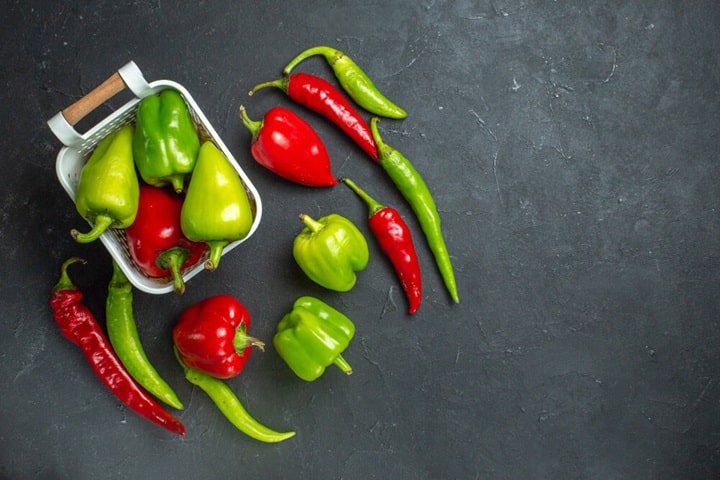
The first step to a productive pepper garden is choosing the right varieties. Peppers come in a dazzling array of shapes, sizes, colours, and heat levels.
When selecting, consider your personal taste preferences, growing conditions, and intended uses. Look for varieties labeled as suitable for greenhouse or polytunnel cultivation to ensure they thrive in the particular conditions that you are going to provide.
Varieties of sweet pepper that are recommended for UK growers include this list of options that have received an award of garden merit from the RHS:
- ‘Amy’: A sweet bell pepper with a compact growth habit, ideal for small spaces. It produces crisp, thick-walled fruits that ripen from green to red.
- ‘Astor’: A blocky sweet pepper known for its excellent flavour and high yield. Its fruits turn from green to bright red when fully ripe.
- ‘Beja’: A robust sweet pepper variety producing large, elongated fruits with thick, juicy walls. It ripens to a deep red and is perfect for grilling or stuffing.
- ‘Bianca’: This variety yields pale yellow, sweet, and juicy fruits. It matures early, making it a great choice for shorter growing seasons.
- ‘Corno di Toro Giallo’: An Italian heirloom variety producing large, horn-shaped yellow peppers. It has a sweet flavour and is excellent for roasting or frying.
- ‘Corno di Toro Rosso’: The red counterpart to Giallo, this variety offers sweet, vibrant red fruits with a similar horn shape, perfect for salads or cooked dishes.
- ‘Cuneo Giallo’: A traditional Italian sweet pepper with bright yellow, thick-walled fruits. It’s prized for its rich flavour and versatility in cooking.
- ‘Diablo’: A medium-hot chilli pepper that produces slim, red fruits with a slight curve. It adds a spicy kick to salsas and sauces.
- ‘Friggitello’: A classic Italian frying pepper, also called ‘pepperoncini.’ It produces small, thin-walled, sweet fruits that are great for frying or pickling.
- ‘Gourmet’: A high-yielding variety with blocky, bright red fruits. It’s a reliable choice for sweet, flavorful peppers in salads or cooked dishes.
- ‘Hamík’: A small, snack-sized pepper with a sweet, fruity flavor. It ripens to an orange hue and is perfect for eating fresh.
- ‘Jolly Giallo’: This vibrant yellow pepper variety has a crisp texture and sweet flavor, making it ideal for fresh eating or grilling.
- ‘Mohawk’: A compact, bushy plant that produces orange, sweet bell peppers. It’s perfect for container gardening and small spaces.
- ‘Redskin’: A dwarf variety that produces sweet, red bell peppers. It’s ideal for growing in pots and has a high yield despite its compact size.
- ‘Tarquinio’: A traditional Italian sweet pepper with elongated fruits that mature to a glossy red. It’s known for its robust flavour and versatility.
- ‘Topepo Rosso’: A round, thick-walled Italian pepper that ripens to a deep red. Its sweet, juicy flesh makes it perfect for stuffing or roasting.
Heritage pepper varieties also abound and are well worth considering.
Here are the chilli peppers with an award of garden merit from the RHS:
- ‘Apache’: A compact chilli variety that produces small, fiery red fruits. It’s ideal for container growing and has a sharp, intense heat.
- ‘Basket of Fire’: A highly ornamental chilli with a cascading habit, producing an abundance of small, colourful fruits that range from yellow to red. It’s perfect for hanging baskets and has medium heat.
- ‘Bolivian Rainbow’: A strikingly colourful chili variety with purple, orange, yellow, and red fruits on the same plant. It’s both decorative and moderately spicy.
- ‘Caribbean Antillais’: A traditional Caribbean habanero variety known for its extreme heat and fruity, citrusy flavour. Ideal for hot sauces and marinades.
- ‘Demon Red’: A compact, bushy plant that produces small, intensely hot red chilies. Great for indoor growing or small spaces.
- ‘Etna’: A fiery chilli variety with upright-growing fruits that turn from green to bright red. It’s excellent for drying or using fresh in spicy dishes.
- ‘Filius Blue’: An ornamental chilli with blue-green foliage and small, purple fruits that ripen to red. It’s visually striking and offers moderate heat.
- ‘Fresno’: A versatile chilli similar in appearance to jalapeños but with a sweeter, fruitier flavor and mild to medium heat. Perfect for salsas or roasting.
- ‘Fuego’: A compact plant that produces long, slender red chilies with a fiery heat. Excellent for adding a kick to dishes.
- ‘Hot Thai’: A popular chilli in Asian cuisine, producing slender, red-hot fruits. It’s perfect for stir-fries, curries, and sauces.
- ‘Hungarian Hot Wax’: A versatile chilli that can be harvested when yellow or left to ripen to red. It has a mild to medium heat, making it suitable for frying or pickling.
- ‘Krakatoa’: A dwarf chilli variety with small, intensely hot fruits. Ideal for growing on windowsills or in small containers.
- ‘Loco’: A vibrant chilli variety producing small purple fruits that mature to red. It’s highly ornamental and offers moderate heat.
- ‘Navaho’: A compact chilli plant that produces a high yield of small, fiery fruits. It’s perfect for adding heat to dishes or for decorative purposes.
- ‘Pot Black’: A striking ornamental variety with deep purple, glossy fruits that ripen to red. It has moderate heat and adds visual interest to gardens.
- ‘Prairie Fire’: A compact, bushy chilli variety that produces clusters of small, colourful fruits with a hot punch. Great for windowsills or patios.
- ‘Riot’: An eye-catching chilli plant with a mix of yellow, orange, purple, and red fruits. It’s highly ornamental and offers a moderate heat level.
- ‘Super Chili’: A prolific chilli variety producing slender red fruits with intense heat. Ideal for drying, pickling, or spicing up dishes.
- ‘Treasure’s Red’: A compact plant that produces bright red chillies with a medium heat level. Perfect for both culinary use and decorative purposes.
What And Where To Buy
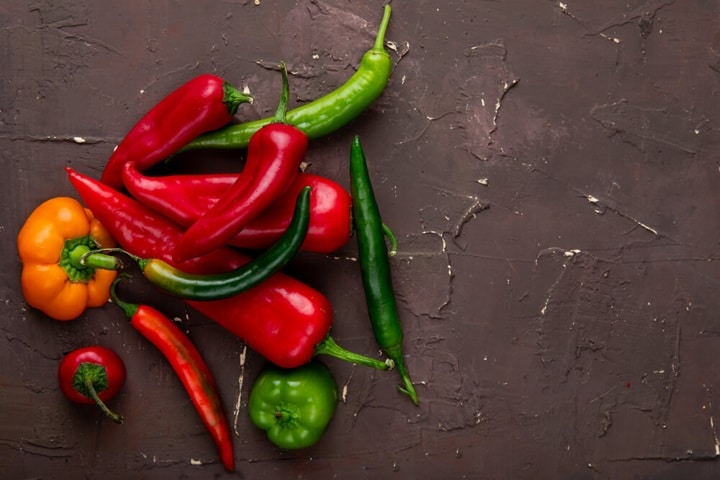
You can purchase pepper seeds from a variety of sources:
- Garden Centres: Local shops often stock popular varieties suited to your climate.
- Online Retailers: These provide a vast selection, including rare or heirloom varieties.
- Seed Swaps: Join gardening communities where enthusiasts trade seeds, offering access to unique and proven varieties.
Ensure the seeds you choose are fresh and viable, as older seeds may have reduced germination rates.
You Will Need
Before sowing, gather the necessary materials to ensure smooth and efficient sowing. Here’s what you’ll need:
Pepper Seeds
Choose seeds based on your preferred varieties. Keep extras on hand in case of uneven germination.
Seed Trays, Small Pots or Soil Blocks
These are what you will sow your seeds into. You have a choice of a tray, a small pot or reclaimed container like a yogurt pot, or blocks of soil/ potting mix made with a soil blocker. If you sow into a seed tray then you will need to prick out and pot on your young seedlings once they have a set of true leaves and are large enough to handle.
Make sure that when choosing containers, these have adequate drainage holes to prevent waterlogging.
Potting Mix
Use a light, well-draining potting mix rich in organic matter. Peppers thrive in soil with good aeration and moisture retention. You can purchase a seed starting potting mix or make your own if you have access to homemade compost and other organic matter.
Optional: Heated Propagator
A heated propagator maintains a consistent temperature, encouraging faster and more reliable germination. This makes it easier to provide the 18-21 degrees C. that peppers require for optimal germination.
Optional: Grow Lights
If natural light is limited, grow lights will provide the necessary spectrum for healthy seedlings. This can often help with peppers, that are typically sown indoors very early in the year, while natural light levels are low and days are short.
Sowing
In the UK, sow pepper seeds indoors or in a heated propagator between late January and early April. This gives the plants ample time to mature and fruit before the end of the growing season.
Fill seed trays or pots with moistened potting mix. Gently firm the soil without compacting it too much.
Place one or two seeds per cell or small pot, about 0.5 cm deep. Cover lightly with soil and mist with water to settle the seeds.
Keep the seeds at a temperature of 18-21°C for optimal germination. Place them in a bright location or under grow lights for 12–16 hours per day.
Use a spray bottle to keep the soil consistently moist but not soggy.
Seeds usually germinate within 7–14 days. Once seedlings appear, reduce the temperature slightly to around 20°C and continue providing plenty of light.
Planting
Once your seedlings have grown two to four true leaves and the last frost date has passed, it’s time to transplant them into larger containers or directly into the polytunnel soil.
Before moving the seedlings, harden them off by gradually exposing them to outdoor conditions. Over 7–10 days, increase the time they spend outside to reduce transplant shock.
To grow well, peppers need to be planted into a position that offers the appropriate growing conditions. That means ensuring that your peppers have::
- Full sun, and as warm and sheltered a position as possible. Usually this means growing undercover in a greenhouse, polytunnel or cold frame, such as a large fruit cage.
- Temperatures above 12 degrees C. and ideally always above 15 degrees C.
- A fertile, rich soil that is moist yet free draining and slightly acidic.
Planting In Containers
Growing peppers in containers is a great option if you want flexibility in their placement or have limited polytunnel space.
- Use pots at least 30 cm in diameter with good drainage.
- Fill the pots with a nutrient-rich potting mix. You can also add slow-release fertilizer or compost.
- Place seedlings in the pots so the base of the stem is level with the soil. Firm the soil gently around the roots and water thoroughly.
- Position the pots in a sunny spot in the polytunnel, and water regularly to keep the soil evenly moist.
Planting In The Ground
If you prefer to plant directly in the polytunnel soil, follow these steps:
- Loosen the soil and incorporate plenty of organic compost or well-rotted manure. Ensure the soil is well-draining.
- Plant pepper seedlings 30–50 cm apart, depending on the variety, to allow good air circulation and room for growth.
- Apply a layer of mulch around the base of the plants to retain moisture, protect the soil, and reduce weeds.
- Stake varieties that require this to support their growth as they become laden with fruit.
FAQs
When should I start sowing pepper seeds in a polytunnel?
You should start sowing pepper seeds in late winter to early spring (January to April). Starting early ensures the plants have a long growing season, which is essential for a good harvest in the UK climate. Use a heated propagator if possible to maintain consistent germination temperatures.
How can I prevent pests and diseases in my polytunnel-grown peppers?
To keep your pepper plants healthy, follow these tips:
Good Ventilation: Ensure the polytunnel is well-ventilated to reduce humidity, which can lead to fungal diseases like powdery mildew.
Inspect Regularly: Check for pests such as aphids, spider mites, and whiteflies. Remove them by hand or use an organic insecticidal soap.
Rotate Crops: Avoid planting peppers in the same location year after year to prevent soil-borne diseases.
Sanitation: Remove dead leaves and debris that can harbour pests or diseases.
What are some suitable companion plants for peppers in a polytunnel?
Companion planting can enhance growth and deter pests. Consider planting these alongside your peppers:
Basil: Repels certain pests, and improves pepper flavour.
Marigolds: Deter nematodes and other pests.
Onions and Garlic: Help repel spider mites and sap-sucking pests.
Sources
BBC Food. (2010) Pepper recipes. [online] Available at: https://www.bbc.co.uk/food/pepper [accessed 07/01/2025]