

In this article, we’ll take a look at heritage peppers. We’ll look at why you should grow them, how to choose them, and options you might like to consider. We’ll also take a look at growing heritage peppers, and how to get the most from your pepper plants.
Both chilli peppers and bell peppers can be great additions to a polytunnel garden. These warm weather crops do not usually do very well when grown outdoors, even in southern parts of the UK. But under cover, you can definitely grow peppers and get a worthwhile crop.
Why Grow Heritage Peppers in Your Polytunnel?
Choosing heritage peppers and other heritage fruits and vegetables is a great choice. Heritage varieties make it easier for you to increase the diversity of the crops that you grow. Heritage varieties can taste far better than many modern hybrids. You will also find that there is greater variety in terms of colour, taste and heat.
Growing heritage crops will also allow you to save your own seeds. Unlike hybrid varieties, heritage peppers will come true from seed. So you can collect seed and plant them the following year. This means that you can perpetuate rare varieties, and create plants that are better adapted to your growing environment over time.
Things to Consider When Choosing Heritage Pepper Varieties
When choosing heritage pepper varieties, there are a number of different things to consider. Most important – you must consider the climate and growing conditions where you live. It is important to choose a variety that is adapted to growing in the UK climate. Whichever option you choose, it should be capable of producing a good yield even in our relatively short growing season.
In addition to considering your site, however, you should also consider your own personal preferences with regard to taste and, especially, when it comes to chilli peppers, how much heat you want or can handle. Some chilli peppers are much spicier than others.
You may also like to think about the visual appearance of your peppers. Choosing heritage varieties often means that you will be able to choose from a wider range of colours, shapes and sizes. Growing different colours of peppers can enliven your dishes, both in terms of appearance and nutrition. We should all eat a diet that is as colourful as possible.
Heritage Peppers To Consider
There are many different heritage pepper varieties out there to consider. Some interesting options are:
Heritage Sweet Peppers To Grow in the UK
-
Karlukha Sweet Paprika Pepper
-
Semaroh
-
Lipstick
-
Yellow Monster
-
Orange Bell
-
Sweet Chocolate
-
Kaibi Red Bell Pepper
-
‘King of the North’ Green Bell Pepper
-
‘Amy’ Sweet Hungarian Wax Pepper
-
‘Napia’ Pointy Red Pepper
-
‘Amanda’ Big Bulgarian Yellow Pepper
-
Purple Beauty
Heritage Chilli Pepper Varieties To Grow in the UK
-
Ohnivec (Big & Very Hot)
-
Chinese Dragon Tongue
-
‘Pyramid’
-
‘Kristian’
-
Red Basque Chilli
-
Bartlett’s Bonnet Chilli
-
‘Pretty in Purple’
-
‘Prairie Fire’
-
‘Lemondrop’
-
Black Hungarian
-
‘Palivec’
-
Early Green Jalapeno
Choosing the right heritage peppers for your growing area, climate and conditions will help make sure that you can get a worthwhile yield before the end of the season.
Sowing Pepper Seeds
Sow pepper seeds from January or February to get a head start on the short growing season. Pepper seeds need temperatures of between 16 and 35 degrees C. for germination, ideally above 18 degrees. So you will need to start your seeds indoors in a heated space, or in a heated propagator.
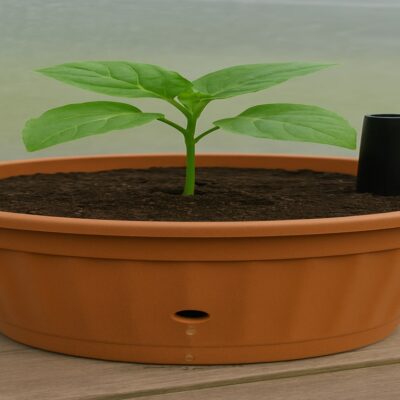
Usually, you will transplant your heritage pepper seedlings into individual pots when two true leaves have formed. You can then transfer them to your polytunnel, or to larger containers. Transplant seedlings to their positions in your polytunnel from late April if your polytunnel is heated and from mid-late May if it is not.
Planting & Caring For Peppers in Your Polytunnel
You can grow peppers in containers in your polytunnel. Or you can find a place for them in the ground or in the raised beds in your undercover growing area. Be sure to place them in as sunny and sheltered a position as possible. Make sure they are not too shaded by other plants or too close to the polytunnel doors.
Try to maintain reasonable humidity levels to avoid the plants drying out too much and to reduce pest problems. But avoid watering from above and do not splash the leaves if you can help it. Consider adding an organic mulch around pepper plants to help retain soil moisture.
If you are growing bell peppers (or any varietal with heavier fruits), you will likely have to tie or stake them. Once your pepper plants reach 20 cm tall, pinch the tops in order to encourage them to thrive and bush out.
Harvesting Heritage Peppers
In order to know when to harvest your heritage peppers, you will need to know how large you should expect them to grow, and what colour or colours they should be when you harvest them. As soon as they are large enough, mature and the right colour, you can begin your harvest.
It is best to harvest your peppers when they are fully ripe. But with many varieties, you can pick them a little early and allow them to ripen fully indoors.
Be careful when harvesting chillies, and wash your hands carefully before touching your eyes! The capsaicin from the chillis can really burn.
You can then use of preserve your heritage peppers in a range of different ways. For example, you can:
-
Eat sweet peppers raw as crudités, or in salads.
-
Cook them right away in a wide range of savoury recipes. (And even use chillis in some sweet recipes too.)
-
Dry your chillis for use throughout the year.
-
Pickle peppers or preserve them in oil.
Companion Planting For Pepper Plants
In an organic polytunnel, it is always better to create polycultures (collections of different types of plant). This is a more sustainable way of gardening that creating mono-cultures of just one crop. Here are some good companion plants to consider placing alongside, or close to, your peppers:
-
Tomatoes
-
Basil
-
Oregano
-
Rosemary, Marjoram and other Mediterranean herbs
-
Chives, Onions and other alliums
-
An under-crop of spinach, lettuce or chard
-
Carrots
-
Radishes
-
Marigolds
-
Nasturtiums
While it is best not to shade out or overcrowd your peppers, companion planting a diverse range of other crops can help your peppers grow strong, and attract pollinators and other beneficial insects into your polytunnel.
There is no need to restrict yourself to growing only one type of pepper. (Though it is worthwhile remembering that you will need some separation if you want to collect the seed, or cross-pollination could occur and you might end up with some weird new hybrids.)
By growing a range of different heritage peppers, and companion planting around your pepper plants, you can greatly improve the biodiversity in your polytunnel. This will make your growing system much more resilient. You will increase the range of beneficial interactions between plants and other elements of the ecosystem. What is more, you won’t end up putting all your eggs in one basket.
Do you grow heritage pepper varieties in your polytunnel? Which varieties would you recommend? Share your tips, comments and suggestions below.