

Wildflowers have long been an integral part of the British landscape, creating breathtaking meadows, enriching woodlands, and supporting an extraordinary diversity of wildlife. More than just a source of beauty, wildflowers play a crucial role in ecosystems by providing food and habitat for pollinators, improving soil health, and fostering resilience in the face of climate change. Whether you have a large rural property or a small urban garden, incorporating wildflowers into your growing space can help you cultivate a low-maintenance, sustainable environment that thrives in harmony with nature.
For organic and permaculture gardeners, wildflowers offer even greater benefits. They encourage natural pest control, attract beneficial insects, and can be used in companion planting to support food crops. Wildflowers can be integrated into a range of settings, from lawns and hedgerows to polytunnels and food forests, making them an invaluable component of regenerative gardening practices.
Understanding the best time to sow wildflower seeds, how to prepare the soil, and which species to select will ensure success in establishing a long-lasting wildflower habitat. This guide explores the practical steps needed on how to sow wildflower seeds effectively while embracing organic, sustainable methods.
Quick Facts
- Best Sowing Time: Spring (March-May) or Autumn (September-October)
- Soil Type: Well-drained, nutrient-poor soil often preferred
- Sunlight Requirements: All, but most commonly full sun to partial shade
- Maintenance: Minimal, ideal for sustainable, low-maintenance gardens.
- Growth Duration: Annuals bloom in the first year, perennials take longer but return yearly
Getting Started With Your Wildflower Patch
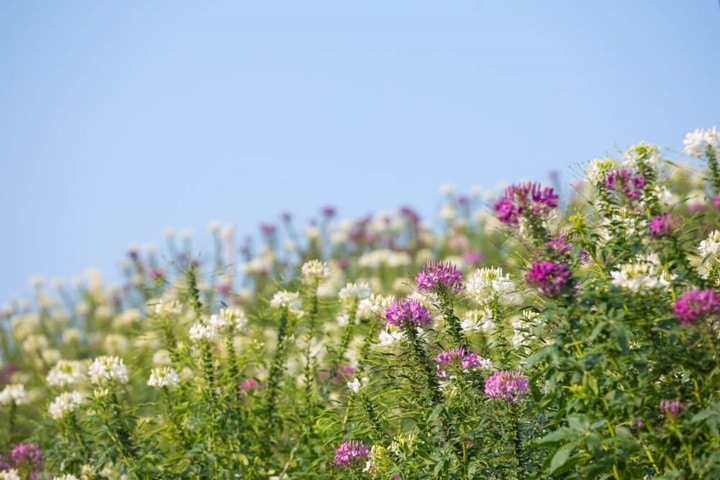
Creating a wildflower patch is a rewarding way to encourage biodiversity, support pollinators, and establish a low-maintenance, organic garden space.
Wildflowers thrive in a variety of settings, from garden borders to woodland edges. Whether you wish to cultivate a meadow or enhance a polytunnel with flowers to attract beneficial insects, the key lies in selecting the right species and sowing at the correct time.
Sowing wildflower seeds is one of the most natural and rewarding ways to transform a space into a biodiverse haven. A carefully planned wildflower patch not only enhances the beauty of a garden but also provides essential habitats for pollinators like bees, butterflies, and other beneficial insects.
The key to a thriving wildflower patch is understanding when to sow, how to prepare the soil, and which species are best suited to the environment. Whether you aim to establish a colourful meadow or integrate wildflowers into an existing garden, the timing and method of sowing play crucial roles in success.
The Best Time to Sow Wildflower Seeds
Wildflower seeds can be sown at two key times of the year: in spring, from March to May, and in autumn, between September and October.
Spring sowing is ideal for annual wildflowers, which bloom quickly and provide instant colour and nectar sources for pollinators.
Autumn sowing, on the other hand, allows perennial and biennial wildflowers to establish strong root systems over winter, leading to more vigorous growth and early flowering the following year.
Tools You Need To Sow A Wildflower Patch
- Rake
- Garden fork
- Watering can or hose with a fine spray attachment
- Roller or plank of wood (for firming down seeds)
- Mulch (optional for added protection and moisture retention)
Types Of Wildflower Seeds
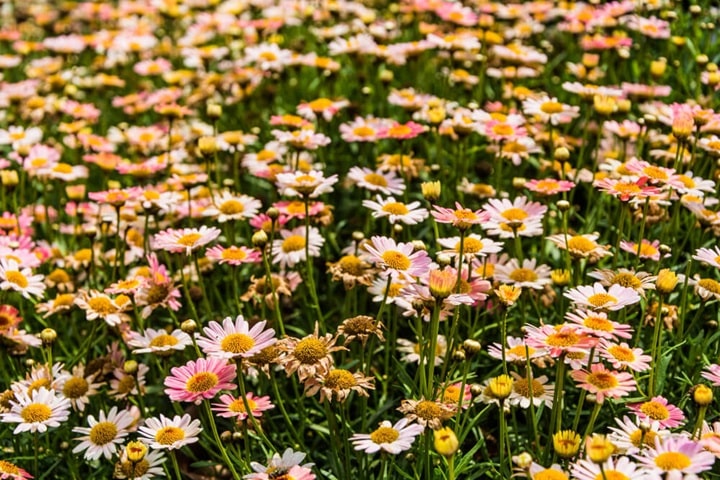
Selecting the right type of wildflower seeds for your specific environment is essential. Wildflowers can generally be divided into three main categories: annuals, biennials, and perennials. Each has its own characteristics and advantages, making them suitable for different planting schemes.
Annual Wildflowers
Annual wildflowers complete their life cycle in one year, providing a burst of vibrant colour before setting seed. These are ideal for quickly establishing a display or for adding variety to an existing wildflower area.
Popular annuals include Cornflower (Centaurea cyanus), Poppy (Papaver rhoeas), and Marigold (Calendula officinalis). These flowers are particularly useful for attracting pollinators and can be sown directly onto well-prepared soil.
Biennial Wildflowers
Biennial species take two years to complete their life cycle. In the first year, they produce foliage, and in the second year, they flower and set seed.
Foxglove (Digitalis purpurea), Teasel (Dipsacus fullonum), and Evening Primrose (Oenothera biennis) are popular choices, offering a mix of structure, height, and nectar-rich blooms for insects.
Perennial Wildflowers
Perennial wildflowers establish more slowly but return year after year with minimal maintenance.
Species such as Ox-eye Daisy (Leucanthemum vulgare), Red Campion (Silene dioica), and Yarrow (Achillea millefolium) provide long-lasting beauty and support biodiversity by creating a stable habitat for wildlife.
In addition to looking at the lifecycle of specific wildflowers, when choosing them it is also important to look at their basic growing needs in terms of sunlight, exposure, water and soil so that you ensure that you choose the right native wildflowers for the right places.
Where Should I Plant?
Wildflowers can be integrated into a variety of spaces, from structured garden beds to wilder, more natural areas. Of course, wildflowers are found within a wide range of different environments, from full sun to full shade, from dry to wet, in different soil types, micro-climates and habitats.
That means that there are wildflowers that you can include in many different locations and planting schemes in your garden.
Sowing or Planting In an Existing Bed or Border
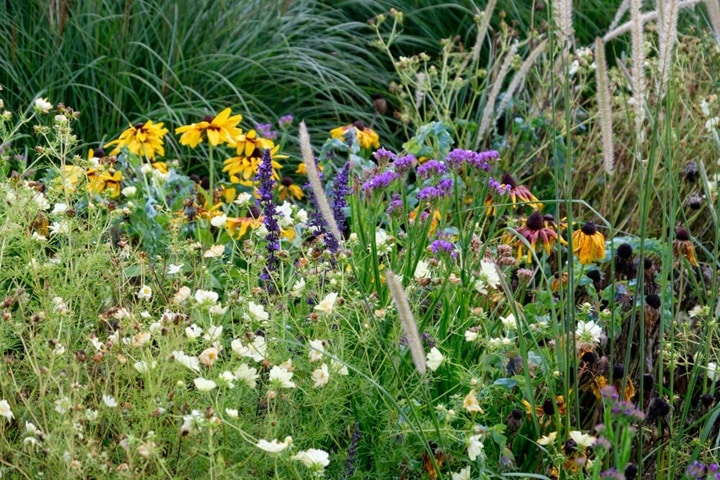
Many native wildflowers can easily be integrated as ornamental plants within existing beds or borders in your garden. You can also add wildflowers as companions for edible crops, and some are even edible crops in their own right.
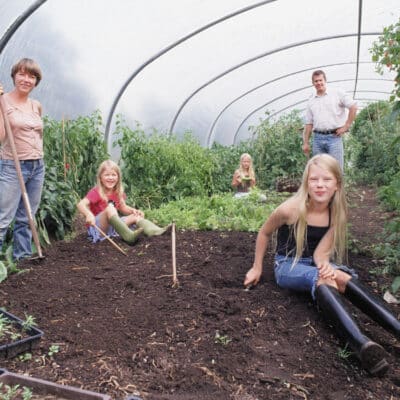
A polytunnel can be a fantastic way to start wildflowers early or grow delicate varieties that need extra warmth. Use wildflowers in polytunnel beds to attract pollinators into the polytunnel, aiding in the pollination of fruiting crops. There are many native wildflowers that might work well as companion plants inside polytunnels.
Naturalising in a Lawn
Introducing wildflowers into an existing lawn can create a stunning naturalistic effect while supporting biodiversity. This method works best with low-growing species such as Self-heal (Prunella vulgaris), Clover (Trifolium repens), and Daisies (Bellis perennis).
To encourage wildflowers in a lawn, reduce mowing frequency and allow grass to grow longer, particularly in spring and summer when flowers bloom. Over time, species naturally establish themselves, especially if patches of bare soil are created to give seeds a place to germinate.
For a more intentional approach, existing grass can be weakened through scarification before scattering wildflower seeds, ensuring they have room to grow without being outcompeted.
Creating a New Meadow Area/ Wildflower Patch
To create a wildflower meadow, prepare the area by removing any nutrient-rich topsoil and reducing grass dominance.
A mix of annuals and perennials will provide an evolving display over time, with species like Yellow Rattle (Rhinanthus minor) helping to suppress aggressive grasses.
Once established, wildflower meadows require minimal upkeep beyond an annual cut to prevent woody plants from taking over.
Along a Hedgerow or Woodland Edge
Hedgerows and woodland edges are vital corridors for wildlife, offering shelter, food, and nesting sites. Wildflowers like Red Campion, Cow Parsley (Anthriscus sylvestris), and Hedge Woundwort (Stachys sylvatica) thrive in these areas, supporting pollinators and providing nectar sources for moths and butterflies.
These plants contribute to the hedgerow ecosystem by stabilising the soil, preventing erosion, and offering refuge for beneficial insects such as ladybirds and hoverflies.
Over time, a well-established wildflower understory beneath hedgerows enhances biodiversity by supporting a complex web of organisms, from fungi and invertebrates to birds and small mammals.
In a Woodland or Food Forest
Woodlands and food forests provide excellent conditions for shade-loving wildflowers, helping to create layered biodiversity within these ecosystems. Many native wildflowers thrive in dappled shade, benefiting from the moist, rich soil often found in these areas.
Bluebells (Hyacinthoides non-scripta), Wood Anemones (Anemone nemorosa), and Primroses (Primula vulgaris) are all excellent choices.
To introduce wildflowers into a woodland setting, clear small patches of ground where seeds can establish, or scatter seeds in autumn to mimic natural seed dispersal. Over time, these species will spread, enhancing the resilience of the ecosystem while supporting pollinators and other wildlife.
Beyond their beauty, wildflowers in a food forest serve multiple functions. Certain species, like Comfrey (Symphytum officinale), act as dynamic accumulators, drawing nutrients from deep in the soil and making them available to surrounding plants when their leaves decompose.
Others, like Red Clover (Trifolium pratense), contribute nitrogen to the soil, enhancing fertility naturally.
Wildflowers can also attract predatory insects that help control pests, making them an essential part of a balanced, functioning ecosystem.
By selecting a mix of shade-tolerant, nitrogen-fixing, and insect-attracting species, a food forest can maintain a diverse, thriving under-storey that supports both cultivated and wild plants.
How To Sow A Wildflower Patch In Five Simple Steps
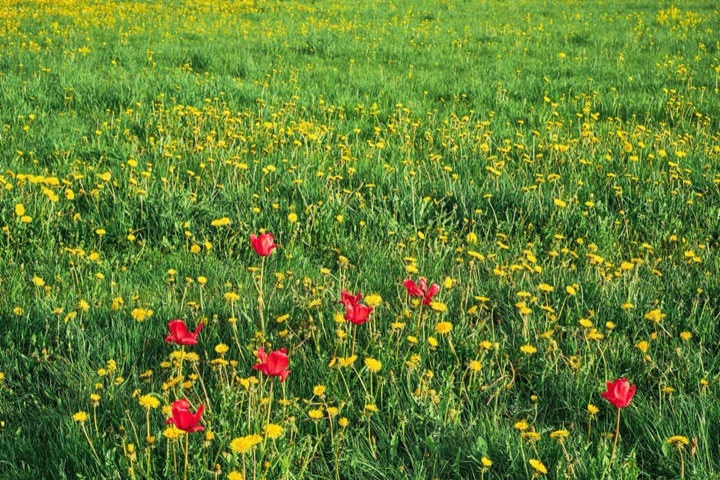
1. Cultivate The Soil
Loosen the top layer of soil using a fork or rake to create a fine tilth. Avoid fertilising, as wildflowers thrive in nutrient-poor soil.
2. Prepare For Sowing
Mix wildflower seeds with fine sand to ensure even distribution. This also helps you see where you’ve sown seeds.
3. Sow Your Seeds
Scatter the seeds thinly and evenly across the prepared area. A mix of broadcasting and gentle raking helps embed the seeds without burying them too deeply.
4. Firm Down The Seeds
Use a roller, plank of wood, or simply walk over the area to ensure good seed-to-soil contact.
5. Protect Your Seeds From Birds
A light covering of mulch or fleece can deter birds from eating the seeds before they germinate.
Aftercare
Minimal maintenance is required for wildflower patches, but occasional weeding and an annual cut will help keep them in good condition. Allowing plants to self-seed will ensure continuous blooms year after year.
Problem Solving
Wildflower patches are generally low-maintenance, but some common issues can arise:
- Poor Germination: Seeds may be buried too deeply or outcompeted by existing vegetation. Ensure soil is prepared properly and sow at the correct depth.
- Excess Grass Growth: Reducing soil fertility and incorporating Yellow Rattle can help keep aggressive grasses in check.
- Sparse Flowering: This may indicate a lack of perennial species. Adding more varieties suited to local conditions can improve diversity.
By embracing wildflowers as part of an organic, sustainable, eco-friendly, permaculture-focused approach, gardeners can support local wildlife, improve soil health, and enjoy a stunning display of colour season after season.
Learn more about wildflowers in our other guides:
FAQs
When is the best time to sow wildflower seeds?
The best time is either spring (March-May) or autumn (September-October). Spring sowing gives a vibrant display in the first year, while autumn sowing allows seeds to naturally stratify over winter, leading to robust growth the following year.
Can I sow wildflower seeds directly into the ground?
Yes, direct sowing is the most effective method. However, ensuring good soil preparation increases germination success.
How deep should wildflower seeds be planted?
Most wildflower seeds should be surface-sown or lightly raked in, as they need light to germinate.
Can I just sprinkle wildflower seeds?
Yes, but for best results, mix them with sand and lightly firm them down to improve soil contact.
What happens if you just scatter wildflower seeds?
Some will germinate, but many may be eaten by birds or displaced by rain and wind. Firming them into the soil increases success rates.
What month is best to plant wildflower seeds?
March-May for quick spring growth, or September-October for strong, overwintered plants the following year.
Sources
Flying Flowers (2025) The Top British Wildflowers. [online] Available at: https://www.flyingflowers.co.uk/blog/british-wild-flower-guide