

Creating and maintaining a wildflower garden can be a wonderful way to aid wildlife where you live, while also enjoying a vibrant and colourful outside space. Creating a wildflower garden and keeping it going over time need not cost the earth, and some simple tips can stop things from going awry.
Quick facts
- Preparation is key to success with many types of wildflower garden.
- It is important to choose the right wildflower meadow for where you live, and the right mix of plants for your needs.
- The right wildflower garden ideas can create a low-maintenance garden.
- Early maintenance can also be important for lower-maintenance long term.
- Observing a wildflower meadow or other wildflower garden can help you to see where some intervention may be required to get back on track.
Tools You Need to Sow a Wildflower Patch
To sow and maintain a wildflower patch, you do not need much, but you will typically need:
- Annual and biennial, or perennial wildflower seeds, or a meadow mix suited to your specific location.
- A rake, and perhaps other basic garden tools.
- String, twine or a hose, or flour, to mark out the area you wish to sow.
- A lawn mower, strimmer or scythe.
- Perhaps – biodegradable fleece or other similar material to cover the area or other items for bird scaring and seed protection.
1. Choose the Right Location
First of all, it is important to think about where in your garden you might like to include wildflowers, since it can be problematic if you choose the wrong location for the flowers that you would like to grow.
There will be different wildflowers suited to almost any location, though of course you will have the most choice if you select a reasonably sunny spot – one in full sun or partial or dappled shade.
There are far fewer wildflowers that will grow in deep shade – but there are still some to consider, especially perennials that thrive in woodland environments.
Remember that wildflowers might be incorporated into your garden in a number of different ways. Some wildflowers may simply be incorporated into beds or borders alongside other flowering plants.
However, wildflowers are most commonly added to gardens as part of perennial meadow or annual wildflower meadow schemes, alongside grasses, or as polycultures of wildflowers alone. Wildflowers might also be naturalized in an existing lawn or added to an existing meadow area.
2. Remove Existing Weeds
Whichever method you have chosen, and however you decide to incorporate wildflowers into your garden, it can often be important to prepare the area well before you start planting.
One key thing to think about is whether or not you need to remove any plants currently in the area where you wish to place your wildflowers.
In some instances, it is best to start from scratch, removing existing vegetation to leave an area of exposed soil into which you can sow wildflower seeds.
In such cases, it is best to make sure that you have carefully removed any existing weeds, which could prove too much competition for your young wildflowers and shade them out or outcompete them for water and/or nutrients before they get the chance to thrive.
In some cases, you can simply mow grass and existing vegetation short before raking to expose some soil and sowing your seeds. But make sure extremely vigorous weeds do not become an issue by getting rid of these before you begin.
3. Prepare the Soil
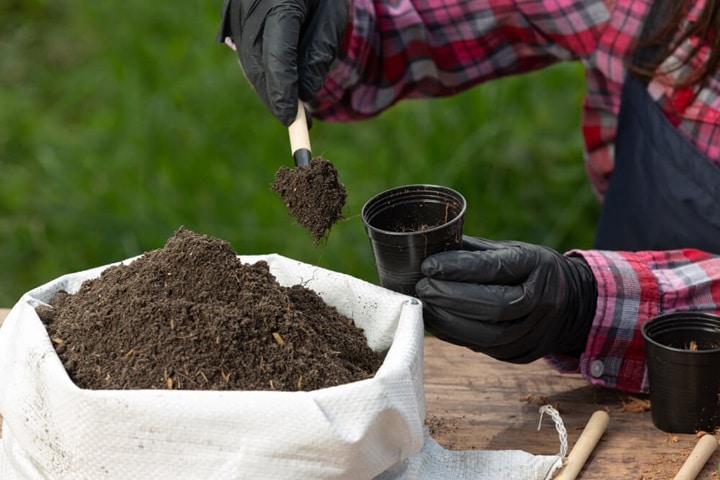
Another important area of preparation involves thinking about the soil characteristics needed by the plants that you would like to grow. Remember, there are wildflowers that grow in a wide range of settings, in a wide range of different soils.
Take a look at the soil in the area where you would like to grow your wildflowers and determine soil type, whether the soil is waterlogged, moist but well drained, or well drained, and its pH level. Think about how fertile this soil may be.
Only armed with this information can you think about how soil may need to be prepared to accommodate the native plants you wish to grow.
4. Choose the Right Plants
There are of course a huge range of native wildflowers for gardeners to choose from here in the UK. But remember that not all plants will be suited to the specific conditions that you are able to provide in your specific garden.
| Perennial | Annual / Biennial | |
| UK Wildflowers for Full Sun | e.g. ox-eye daisies, common knapweed, yellow rattle, clovers… | e.g. poppies, cornflowers, corn marigolds, corncockles… |
| UK Wildflowers for Partial / Dappled Shade | e.g. angelica, sweet cicely, hemp agrimony, red campion, betony, selfheal,white dead-nettle… | e.g foxgloves, bluebells, harebells, teasel, garlic mustard, perforate st. john’s wort… |
| UK Wildflowers for Full/ Deep Shade | e.g. wild garlic, wood anemone, dog violet, lesser celandine… | some of the options for partial shade may also work in deeper shade conditions. |
5. For Low Maintenance
One factor to consider in making your wildflower choices is how easy the scheme will be to maintain where you live.
Maintenance always depends on choosing the right plants for the right places. Plants that are not ideally suited to the environmental conditions in which they are growing will require a lot more maintenance and care than those that are perfectly at home.
Perennial wildflowers are often easier to maintain, because they live over multiple years and will not need to be sown anew each year. However, there are also plenty of annual and biennial wildflowers to consider that will self-sow readily in the right conditions.
6. To Attract Beneficial Wildlife
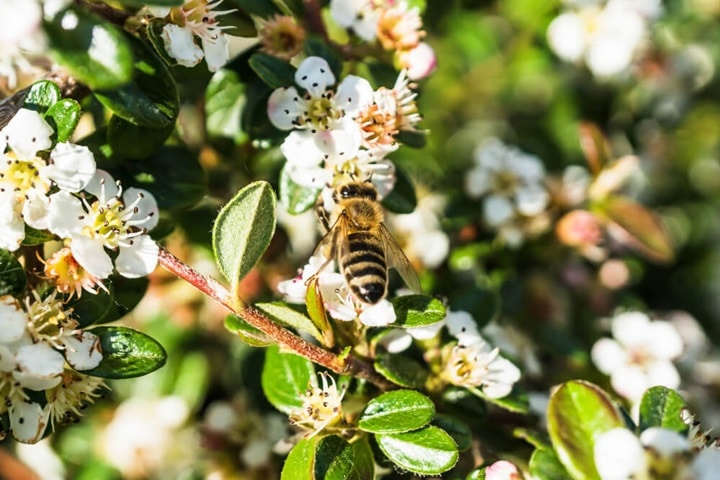
Another factor to think about is how the wildflower garden you are creating will attract beneficial wildlife, and how best to attract the wildlife you want to your garden.
Of course, attracting beneficial wildlife always means choosing the right plants. Have flowers in bloom over as much of the year as possible and think about plants not only in isolation but in combination. Boost biodiversity by adding a wide variety of different plant species.
When you are on a budget that means looking for perennials or self-seeding annual wildflowers that you can source, perhaps even for free, in your area.
How you attract wildlife is also something to consider in wildlife garden maintenance. Taking care of wildlife may dictate when you mow or choose not to.
It may also determine whether you cut back perennials at the end of the season or leave seed heads and dead plant material in place over the winter months. Leaving them in place is often preferable as it provides food and/or shelter for overwintering creatures.
7. To Keep Up Fertility
When choosing which wildflowers to grow, one other important thing to consider is which plants within the mix that you choose can help by adding fertility to the system. Nitrogen fixing species can be very important within meadow planting schemes.
These plants co-operate with bacteria in their root nodules to take atmospheric nitrogen and make it available in the soil. Some of the nitrogen is used by the plant itself, but some likely becomes available to other plants nearby.
Some wildflowers grow best in areas of poor fertility, where they cannot be outcompeted by grasses and other more vigorous plants. Some wildflowers need a rich and fertile growing position. Consider how the right scheme in each instance can include plants that help to keep the ecosystem fertile and healthy over time.
8. Plant the Wildflower Seeds
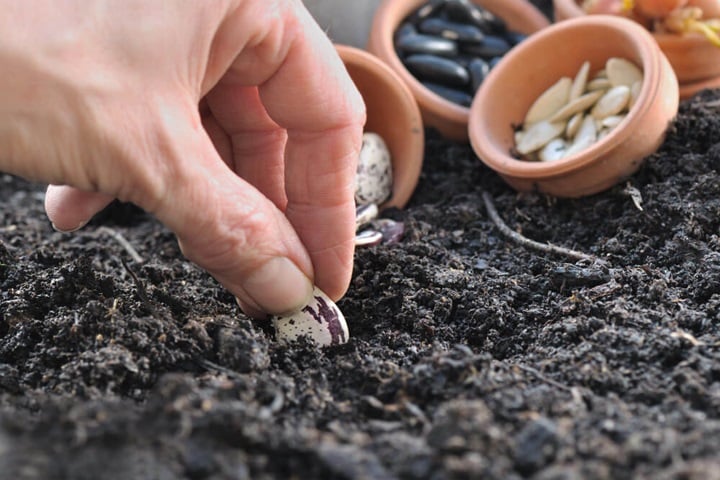
Once you have decided on a wildflower garden scheme, and have decided which specific wildflowers to include, you can think about when and how to sow your seeds.
Sometimes, if you have an area of well-prepared soil, it is possible to simply scatter the wildflower seeds – broadcasting them over the area where you wish the wildflowers to grow. In many cases, however, a little additional work is needed to make sure that your efforts are successful.
If you are sowing wildflowers into bare soil, it is often best to rake the soil first, to a fine tilth, as this can help to improve germination rates. It is also best to press them lightly into the soil once they have been sowed, to ensure good contact with the soil, and to water them in if the weather is dry.
If you are sowing wildflower seeds into existing lawn or grassland, it is important to mow the existing grasses low, and best to scarify the area to reveal at least 50% soil before you broadcast the seeds.
Remember that in many cases, you may need to cover the area to stop birds and other wildlife from eating all the seeds of your wildflowers before they get the chance to germinate.
Caring for a Wildflower Garden
Though maintenance can be minimal with certain wildflower gardens, it is important to recognise that not all wildflower gardens are automatically low maintenance.
To avoid issues and prevent waste, it is important to understand the needs of the specific wildflowers you are growing and what the ecosystem as a whole will need to thrive over time.
9. Water the Garden
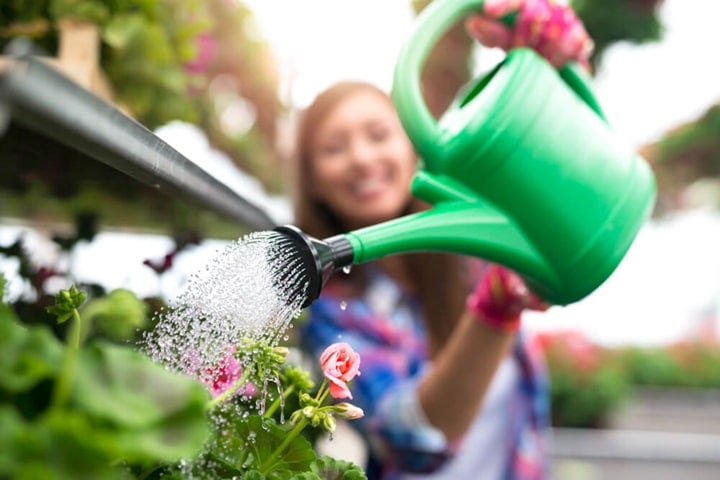
Remember that different wildflowers and meadow schemes will have very different water needs. Make sure, when choosing plants, that you opt for species suited to the conditions that you can provide in terms of water/ rainfall as well as other factors.
Even when wildflowers need minimal water or are drought tolerant once established, you may need to water more frequently until the seeds germinate, and while the wildflowers become established in their growing location. So this is something to consider.
10. Remove Vigorous Weeds
Observation of your wildflower garden is very important, especially during the early stages when the plants can easily be outcompeted and the garden can get out of balance.
Keep an eye on the species mix in the areas you have planted, and make sure that you remove any vigorous weeds that are not wanted within the area before they have the chance to spread/ set seed.
11. Mow Wildflower Meadows Correctly
In meadow schemes, where appropriate grasses are often sown alongside wildflowers, mowing often needs to be a part of the picture long-term. Wildflowers in a perennial scheme will often diminish in areas where the fertility rises, allowing grasses to dominate.
Mowing often needs to be part of the picture and the mowings removed so that fertility is reduced. Mowing on the right schedule allows you to maintain the species mix that you desire, with a diverse range of wildflowers among the grasses.
12. Over-seed to Get a Good Balance of Plants
Even where you have a good balance of species at first, things can change in a meadow or wildflower planting over time, with certain plants thriving at the expense of others, perhaps, or certain plants fading back to margins over time.
Sowing more yellow-rattle, for example, can help overcome a situation where grasses have become too dominant, since this plant is semi-parasitic on grasses and can therefore help to weaken them to a degree, giving other wildflowers a chance.
Over-seeding with different species can sometimes help get a wildflower garden back to where you want it, or can be used to replace annuals or biennials that may have disappeared from the mix over time.
Check out our blog for more gardening knowledge, growing plants, recipes, and more.
FAQs
Can I just scatter wildflower seeds?
In certain cases, where you are dealing with a site with bare soil, you may just be able to scatter wildflower seeds – broadcasting them where you want them to grow. However, in most cases, it is best to rake the area, and to firm the seeds in afterwards, giving them a water if needed. In most instances, the right preparation is key.
How do I turn my garden into a wildflower garden?
You can add wildflowers to existing beds or borders, allow existing weeds and wildflowers to thrive rather than weeding them out, or work to create a wildflower meadow, either a perennial meadow or an annual meadow scheme by sowing the seeds of the right species at the right time of year.
What is the best month to plant wildflower seeds?
The best times to sow wildflower seeds are generally in the early to mid spring, or in the autumn. But the specific timings will depend on the species mix you are sowing, and where exactly you live.
What is the easiest wildflower to grow?
The easiest wildflowers to grow will depend on where you live, and the specific conditions that you can provide in your garden. Choosing the right plants for the right places is key to creating a low-maintenance and easy to care for wildflower garden. Native perennials are often good choices for beginners, especially those found locally in the area where you live.
Sources
Eberl, K., (2024) 7 Things To Consider Before Planting a Wildflower Meadow. Family Handyman. [online] Available at: https://www.familyhandyman.com/article/wildflower-meadow/ [accessed 22/07/24]