


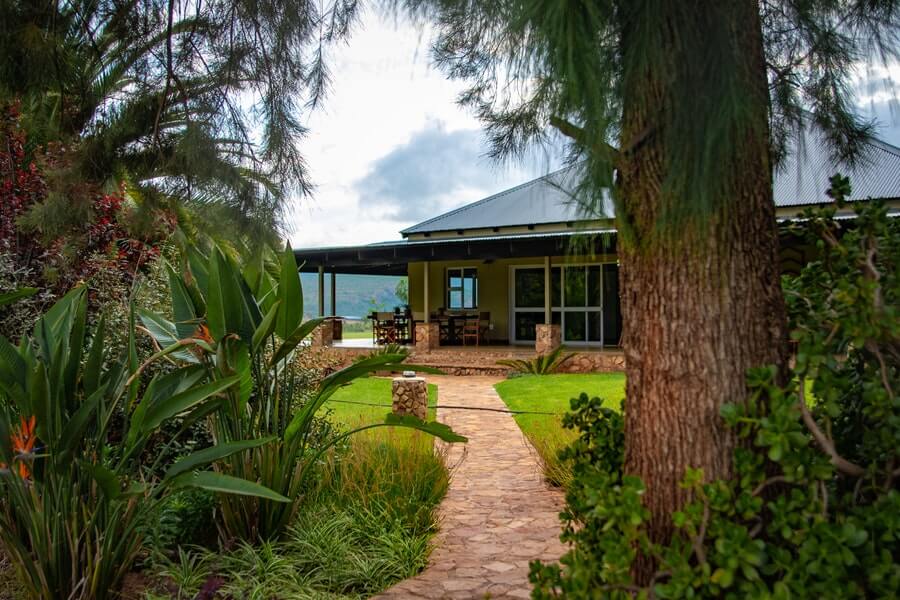
Do you know what are the best things to look for when viewing a house with a garden? How do you analyse gardens when moving home to make sure that you get a garden that can work as well for you as the house itself?
If you are moving home then you will no doubt have a long wish list for things you require from a home. One of the things you are looking for might be a house with a garden.
In this article, we’ll take a look at how we can analyse gardens for a potential property, to determine whether it will make our lives better and meet our needs, or whether we will potentially have problems down the road.
Finding a place to live that has outside areas to work with as well as a fantastic interior can make a big difference to your quality of life.
Aspect: Where Does The Garden Face?
One of the things to look for when viewing a house with a garden is the aspect of the garden. Does it face north, south, east or west? The orientation of the home and garden will of course have a bearing on how much sun the garden receives throughout the course of each day and throughout the year.
If, when you leave the back door of your home and look out into the garden, and you are looking south, you have a south facing garden, for example.
A south facing garden is often considered to be the ideal for gardeners because this type of garden tends to get the most sunlight. But gardens with other aspects should not be rejected out of hand, because even south-facing gardens have their downsides, and there are pros and cons to gardens of every orientation.
Analyse Sectors Acting on the Site
Sunlight is one of the sectors, or energy flows, acting on a garden and is, of course, one of the most important things to look for when viewing a house with gardens.
Determining not only the orientation of the property and the movement of the sun across it, but also areas of shade cast by surrounding trees, homes or other buildings can be crucial to determining what a garden will actually look and feel like throughout the year.
Creating a sun map of any potential properties before you buy can be a good idea, as it will allow you to see how much sunlight a garden receives, and therefore the options that will be open to you when it comes to planting and other elements for the space.
Other areas to look at include wind, and water. And you might also think about air pollution, noise pollution, and wildlife and human patterns of movement. We should definitely analyse risks such as flooding for example, which might pose a problem with certain properties, and should also be alert to potential benefits that come from the sectors acting on the site.
Consider a Garden’s Strengths, Weaknesses, Opportunities & Challenges
By looking at the sectors acting on the site and taking a closer look at the garden’s characteristics, we can begin to work out the strengths, weaknesses, opportunities and challenges that the space presents.
By looking closely and employing the right approaches, we can often see that things that seem like downsides to the garden at first may actually turn into positives when we think creatively.
So just because a garden has some challenges, that is no reason to reject it altogether. Sometimes, the very best gardens come from creative solutions to weaknesses and challenges of the space.
However, taking a look methodically at the pros and cons of the space means that we can move in with clearer heads and begin to work on a design and approach best suited to the property in question.
Take A Look At The Boundaries
Other than looking at sunlight, shade, wind and water, and other flows and patterns of the area, there are also a number of other things that we should think about when creating our lists of strengths, weaknesses, opportunities and challenges for a space.
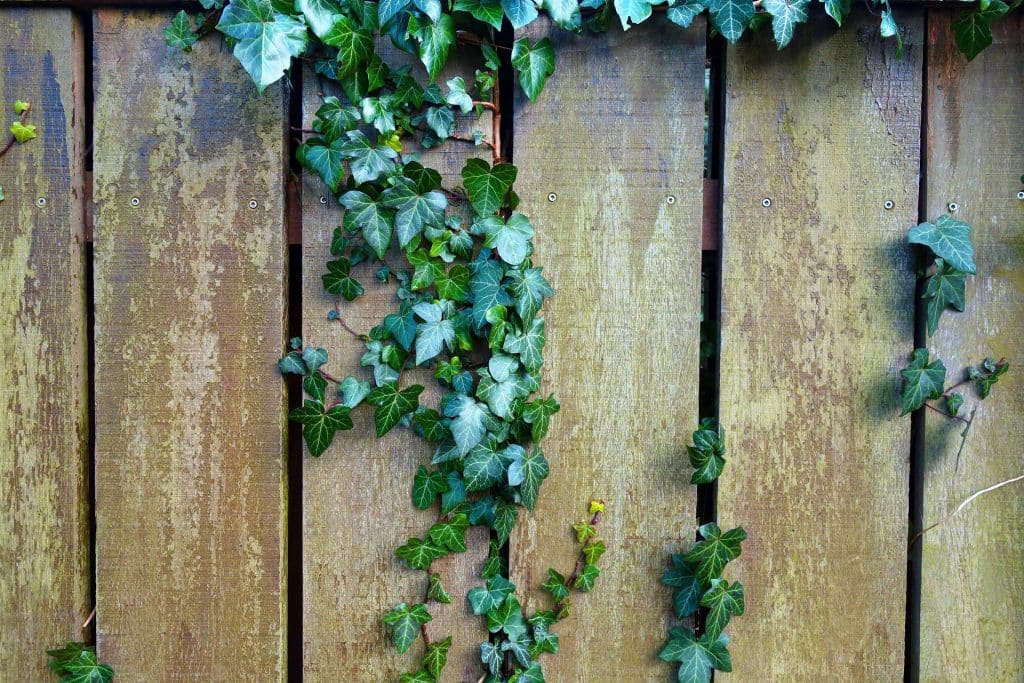
One of the important things to look for when viewing a house with a garden is the existing boundaries. For one thing, are the existing boundaries with neighbouring properties well-defined? Are existing walls, fences or hedges in good order and good repair? Or would you have to spend money and time on these things, and making them fit for purpose.
Think Beyond the Boundaries
It is also important to think beyond the boundaries of the garden itself, because a garden will undoubtedly be influenced at least to a degree by what lies around it. A garden that, for example, backs onto a park, farm or woodland area can feel very different to a garden that is closely surrounded by other buildings.
Take note of ‘borrowed landscape’ potential in the space, and also of any challenges or problems that might come from immediately beyond the boundaries of the garden.
Consider Accessibility, Security & Privacy
Practical considerations are key and when we analyse gardens we should always be sure to think about whether basic practical issues will be satisfied with the garden in question.
For one thing, how easy is access to the garden, and how does it link with the home? Are there things that would have to be worked on to improve integration? Is there outside access to a garden or can the garden only be accessed from the home? This might be an important consideration if works are to be done in the garden or to the rear of the house.
In cities and larger towns, security might also be something to consider. How secure are the property boundaries and how might security be improved through planting and other design decisions if necessary?
Of course, especially in more built-up areas, privacy in a garden can also be an important issue to consider. Consider whether the garden feels private at present and, if not, how that sense of privacy outdoors might be achieved and what is possible within the space.
Take an Inventory of Plants & Wildlife Present in the Existing Garden
Plants may not be at the forefront of your mind when it comes to things to look for when viewing a house with a garden. However, if you’re an avid gardener, It is a really good idea also to take note of the plants and wildlife already present in a garden that you visit. Understanding what is already there can be very important as you begin to plan for improvements and the creation of your own perfect garden space.
Taking a good look at what is already there can also help you to see opportunities within the existing natural ‘resources’. And to see where you can build on what came before.
Looking at the existing plants when we analyse gardens can also give us clues about the soil that is to be found there and its properties. And as keen gardeners will know, understanding the soil and taking care of it is very important in a garden.
We may not be able to fully analyse soil – at least not before we move or buy. But we can make informed guesses about what we will find if we do start to garden there ourselves by looking closely at the current plant life in an area.
Whether you think that a garden is already wonderful, or leaves a lot to be desired, seeing what you already have can help you see what can be achieved with the area over time and how to fulfil the potential of any garden.
Look Out For Problem Plants
Looking more closely at the plants already present in a garden can also help you to see whether there are any problem plants in the garden.
Non-native invasive plants such as the infamous Japanese knotweed can become quite a headache for homeowners as they try to eradicate it. So you at least need to be aware if these are the kinds of problems with which you would be contending if you did decide to buy the property.
Analyse Existing Sheds and Outbuildings
When it comes to things to look for when viewing a house with a garden, another thing that we might like to look at is the potential (and potential costs and problems) that might arise from existing sheds and outbuildings.
Garden buildings already in place might be a major plus for a garden if they are positioned well and will meet our needs and desires. But an ill-placed garden building or one in poor repair could become something of a headache and potentially be costly to repair, move or replace.
Think Long Term
When we analyse gardens of properties that we are considering moving to or buying, we should make sure that we do not just think about what the garden is like right now, but also about how it and its surroundings will change over time.
You might love that a garden looks out over fields to the back. But it is important to find out how likely it is that those fields will be built on and entirely change the character of the space.
Will a neighbour’s trees grow to shade out a large proportion of your space? Will a water shortage or flooding issue become worse as climate change continues?
We cannot, of course, predict every eventuality. But consider the things to look for when viewing a house with a garden can help us to plan, prepare and mitigate where possible. To analyse gardens effectively we always need to look further into the future and take possible future scenarios into account when making our decisions.
References:
https://www.gardenninja.co.uk/garden-aspects-explained/
https://open.oregonstate.education/permaculture/chapter/sectors/