In this guide, we’ll explore what vegetables grow in full shade, how to understand and interpret the light levels in your garden, and which fruits and veg are best suited to thrive without the blaze of full sun.
Gardening, for many, conjures up images of sun-drenched beds, bursting with ripe tomatoes and sprawling courgette plants basking in light. But not all of us are blessed with an open, south-facing plot.
Many gardeners find themselves working with spaces that lie in the lee of buildings, under mature trees, or tucked between fences and hedges. In these quieter, more subdued corners, it’s easy to feel disheartened.
Yet shade, far from being a limitation, can be an opportunity—one that invites a different palette of plants and a slower, perhaps more mindful, form of cultivation.
Understanding Shade In A Garden
Before deciding what vegetables grow in full shade to add to your garden or small polytunnel, it’s essential to grasp the nature of the shade you’re dealing with. Shade isn’t just the absence of light—it’s a nuanced interplay of sunlight, obstruction, reflection, and seasonal change. Understanding the quality and duration of shade in your space will help you make better choices and grow more successfully.
What Is Shade?
Shade, in a gardening context, refers to areas that receive limited direct sunlight during the day. While this might sound straightforward, shade varies significantly depending on time of year, geography, and physical obstructions. A spot that seems deeply shaded in winter may receive useful light in summer, particularly in the early morning or late afternoon.
Shade can be cast by:
- Buildings and walls
- Trees and large shrubs
- Fences or hedges
- Nearby hills or landscape features
Even within these, the type and intensity of shade can differ widely.
What Does Shade Do?
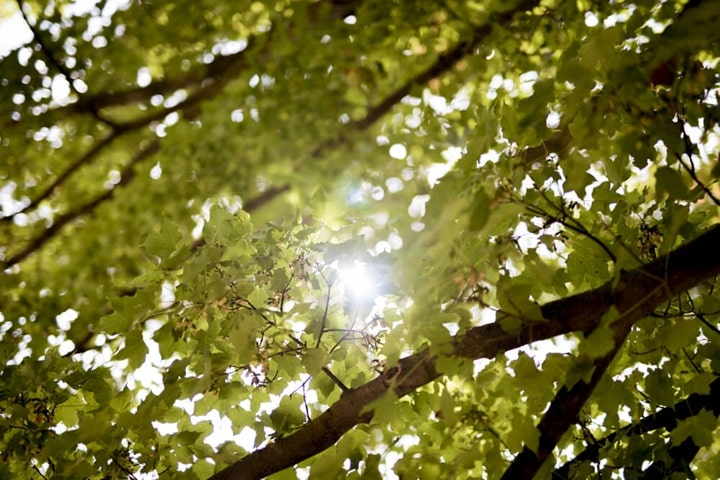
Shade alters the microclimate of a space in several meaningful ways, but how will this impact what vegetables grow in full shade?
- Lower temperatures: Especially in winter and early spring, shaded areas tend to be cooler. This can delay growth but also prolong harvests of cool-season crops.
- Higher moisture retention: Shaded areas often lose less water to evaporation, which can be a blessing during dry spells.
- Reduced photosynthesis: With less light, plants have fewer resources for growth and energy, so yields can be smaller and slower.
- Protection from extremes: Shade can shelter delicate plants from scorching sun, high winds, and even frost in some cases.
These conditions aren’t inherently bad—they simply call for thoughtful plant selection and management.
How Plants Respond to Shade
Plants that tolerate or even prefer shade have developed adaptations that allow them to make the most of limited light. Some have broad, flat leaves to capture as much sun as possible, while others grow slowly and deliberately, investing in root systems and foliage rather than fruit or flower.
Shade-tolerant edibles tend to be leafy, root-based, or perennial. They’re the quiet workhorses of the garden—reliable, resilient, and often far less fussy than their sun-worshipping cousins.
Types of Shade
Not all shade is created equal, and when it comes to planting, the distinctions matter. Generally, we refer to the following categories:
- Light shade: Areas that receive filtered light, such as beneath deciduous trees or a pergola. Many crops grow well here.
- Dappled shade: Intermittent patches of sun and shade, common under trees with light foliage. Ideal for many woodland perennials.
- Partial shade: Usually defined as 3–6 hours of sunlight per day. Many leafy greens and herbs will thrive in these conditions.
- Full shade: Less than 3 hours of direct sunlight, often on the north side of a building or under dense evergreen cover. Fewer edibles tolerate this level, but it’s not a complete dead zone.
Working With Shade
Rather than fight the shade, it’s best to work in harmony with it. Here are a few strategies to help you get the most from a low-light area:
- Observe Carefully: Spend time watching how light moves through your space during different times of day and different seasons. What seems shady in spring might brighten up in summer, and vice versa.
- Look at Existing Plants: Look at what is already growing happily in your garden. This can sometimes give useful clues about the specific conditions and which other plants may thrive.
- Improve Soil Health: Shaded areas often have compacted or nutrient-poor soil, especially under trees. Improve soil structure with plenty of organic matter like leaf mould or compost, and mulch generously to retain moisture and suppress weeds.
- Embrace Native Plants: Native plants are often tough, and best able to cope with low-light conditions in a specific location. Looking around in other shady places close to where you live may provide you with some inspiration.
- Paint Walls or Fences and Reflect Light: In gardens with very little direct light, painting walls or fences in white, or a lighter colour, or adding mirrors to reflect light, can increase the potential of a space for plant growth.
Growing Food in the Shade
Shade-Tolerant Fruits
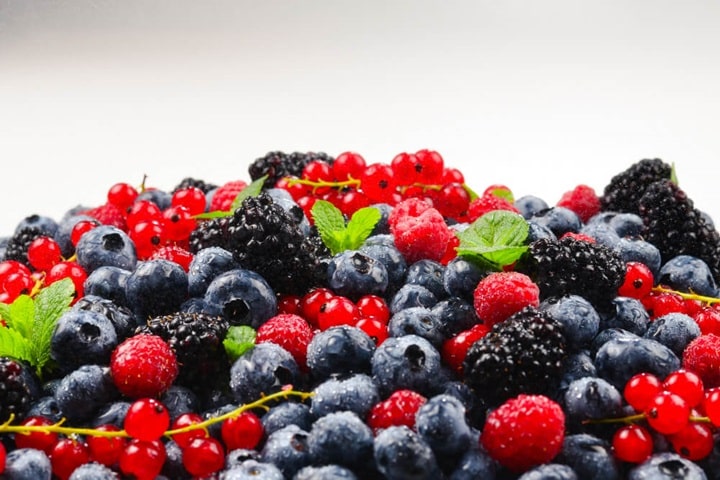
Though fruit usually prefers sunshine, a handful of crops will produce in shaded areas, particularly in partial or dappled shade.
- Blackcurrants – Among the most shade-tolerant soft fruits, and very hardy.
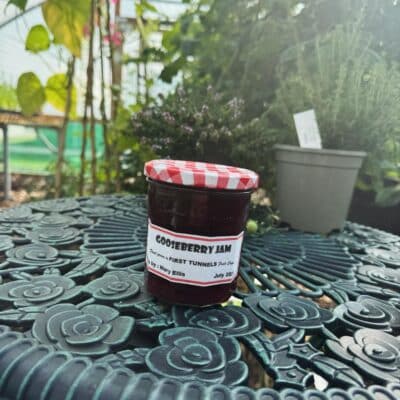
- Gooseberries – Can cope well with light or partial shade, particularly if air circulation is good.
- Redcurrants – Grow well in dappled light, especially on the north side of a polytunnel.
- Raspberries – Autumn-fruiting types tend to perform better in lower light.
- Rhubarb – Technically a vegetable, but often used as a fruit. Thrives in shade and heavy soil.
- Morello Cherries – A classic choice for wall training on a shady side. Self-fertile and highly tolerant of low light.
Shade-Tolerant Vegetables
Though fewer in number than sun-lovers, there are many vegetables that cope well with limited light, especially in cooler months.
Leafy Greens
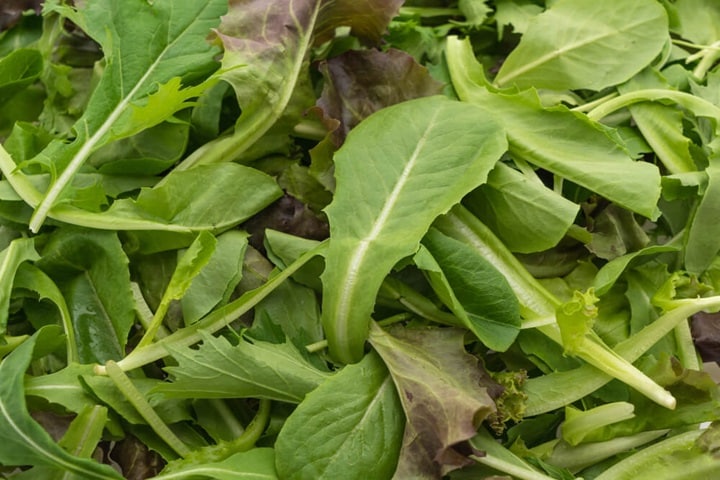
- Lettuce – Particularly loose-leaf varieties, which bolt less in shade.
- Spinach – Prefers cooler, shadier areas to prevent early bolting.
- Chard – Colourful and tolerant of lower light levels.
- Rocket and oriental greens – Such as mizuna, mibuna, and mustard greens.
Brassicas
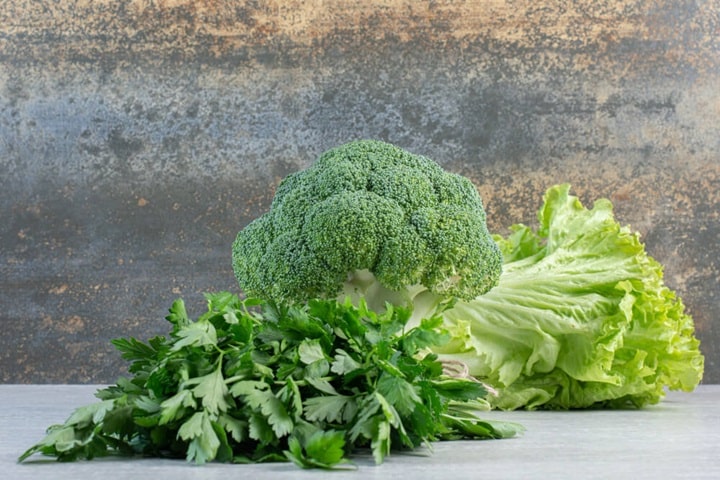
- Kale – Exceptionally tolerant of shade and cold, perfect for a year-round harvest.
- Broccoli (especially sprouting types) – Slow to mature but shade-tolerant once established.
- Cabbage – Especially spring and autumn varieties.
Roots
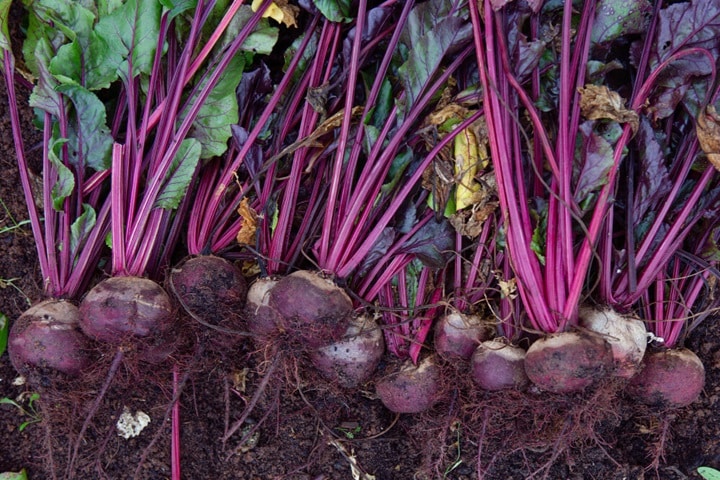
- Beetroot – Will grow slower, but still develops well in partial shade.
- Radish – Quick to grow and tolerates limited sun.
- Carrots and parsnips – Work in dappled shade, though growth may be slower.
Others
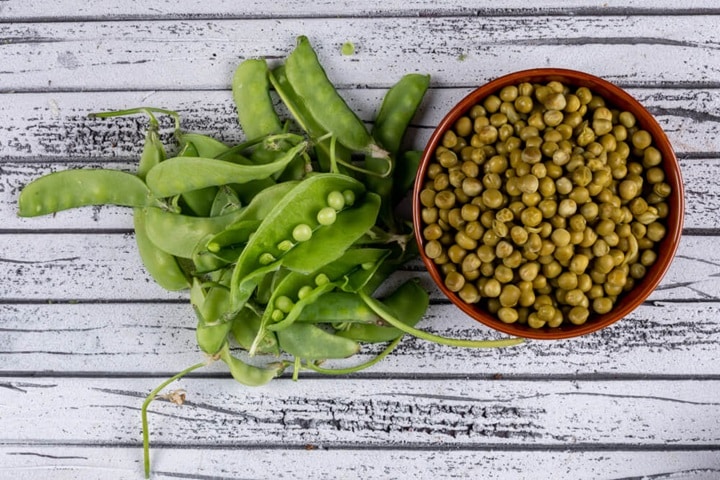
- Peas – Particularly early dwarf varieties, which don’t need full sun.
- Leeks – Hardy and capable of tolerating shaded beds, especially in cooler months.
Shade-Tolerant Herbs & Edible Flowers
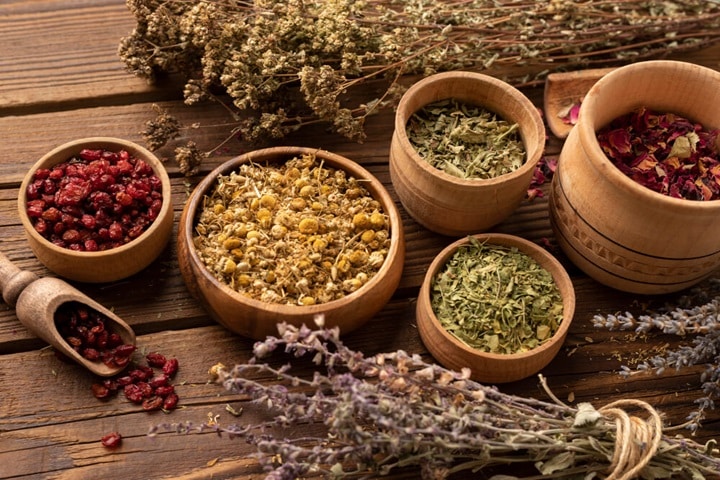
These herbs don’t need full sun to thrive and often prefer the cool, moist conditions found in partial shade:
Mint (Mentha spp.)
- Exceptionally hardy and thrives in damp, shady spots.
- Best grown in containers to prevent spreading.
- Use in teas, sauces, and desserts.
Parsley (Petroselinum crispum)
- Grows well in partial shade, especially flat-leaf varieties.
- Slower to bolt in low light.
- Perfect for salads, soups, and garnishes.
Chives (Allium schoenoprasum)
- Tolerates partial shade and returns reliably year after year.
- Edible flowers are also a lovely addition to salads.
- Mild onion flavour enhances many savoury dishes.
Coriander (Cilantro) (Coriandrum sativum)
- Prefers cooler temperatures and benefits from shade in summer.
- Slower to bolt in shady spots.
- Great for curries, salsas, and garnishing.
Sorrel (Rumex acetosa)
- Thrives in partial shade and moist soil.
- Perennial herb with a lemony, tangy flavour.
- Young leaves are excellent in soups, sauces, or raw in salads.
Lovage (Levisticum officinale)
- Tall perennial that enjoys cooler, partially shaded conditions.
- Strong celery-like flavour, used in stocks and stews.
Sweet Cicely (Myrrhis odorata)
- Hardy perennial herb that thrives in damp, shaded soil.
- Fern-like foliage with a mild aniseed flavour.
- Traditionally used to sweeten desserts or add to fruit dishes.
Angelica (Angelica archangelica)
- Tall, stately biennial that thrives in moist, shaded conditions.
- Young stems can be candied or used for flavouring liqueurs and preserves.
- Pollinator-friendly and highly ornamental.
Alexanders (Smyrnium olusatrum)
- A traditional wild edible that grows well in coastal or shaded areas.
- All parts are edible; young leaves taste of mild celery.
- Often foraged, but can be cultivated for salads, soups, and pickling.
Lemon Balm (Melissa officinalis)
- Grows well in part-shade and is self-seeding.
- Fragrant lemon scent and calming properties.
- Lovely in teas or desserts.
And here are some edible plants you might consider for a shady spot:
Betony (Stachys officinalis)
- A clump-forming perennial native to grassy woodland clearings and shady meadows.
- The leaves and flowers are edible—mildly bitter with a subtle minty note, making a fine addition to salads, teas, or garnishes.
- Betony has a rich history in herbal medicine and thrives in partial shade, making it an excellent choice for shady borders or woodland gardens.
Wood Violet (Viola riviniana)
- A true UK native, found naturally in woodlands and hedgerows.
- The flowers are mildly sweet and can be used fresh in salads, desserts, or crystallised.
- Grows well in moist, shady spots and makes excellent ground cover.
Wild Garlic (Allium ursinum)
- Found in shady woodland and streamside habitats.
- Both the leaves and star-like white flowers are edible with a mild garlic flavour.
- Perfect for pestos, soups, or simply sprinkled fresh on toast.
Meadowsweet (Filipendula ulmaria)
- A native hedgerow plant that prefers damp, semi-shaded conditions.
- The creamy blossoms have a sweet, almond-like scent and can be used in syrups, cordials, and puddings.
- Historically used to flavour mead.
Clovers (Trifolium pratense, Trifolium repens)
- Familiar wildflowers in meadows and grassy areas.
- The flower heads are edible and slightly sweet—lovely in herbal teas or scattered over salads.
- Tolerates partial shade and fixes nitrogen in the soil.
Selfheal (Prunella vulgaris)
- A low-growing native wildflower often found in grassland and woodland edges.
- Flowers and young leaves are edible, mildly bitter, and can be used in salads or as a garnish.
- Also valued for its traditional medicinal properties and excellent ground cover in shady spots.
Primrose (Primula vulgaris)
- One of the UK’s best-loved early spring natives, flourishing in woodland shade.
- Flowers are delicately sweet and can be added to salads, syrups, or crystallised for cakes.
- Leaves are also edible in small amounts and may be used in teas or soups.
Herb Robert (Geranium robertianum)
- A dainty woodland geranium with pink flowers and a strong, distinctive scent.
- The leaves and flowers are edible—though strong-flavoured, they can be added sparingly to salads or used medicinally in teas.
- Thrives in deep shade and often grows where little else will.
Bugle (Ajuga reptans)
- A creeping perennial often found in damp woodland and shady grasslands.
- The young leaves and flowers are edible—mild and slightly bitter, suitable for salads or light infusions.
- Bugle is also known for its medicinal heritage and is excellent for ground cover in shaded beds or forest gardens.
White Dead-Nettle (Lamium album)
- Common along hedgerows and shaded field margins, often mistaken for stinging nettle but entirely harmless.
- The white flowers are mildly sweet and can be eaten raw—ideal as a salad garnish or nibble for foragers.
- Pollinator-friendly and useful in shady wildflower borders or permaculture systems.
When growing during a heatwave, discover these garden plants that can survive heat.
FAQs
Can root vegetables grow in full shade?
Root vegetables generally need some sunlight to develop well, but certain types like carrots and beetroot can tolerate partial shade. Full, dense shade usually results in poor growth and smaller roots.
Do fruiting vegetables grow in shade?
Most fruiting vegetables (tomatoes, peppers, cucumbers) require full sun for good yields. Some, like certain varieties of beans or peas, can handle partial shade but rarely thrive in full shade.
Can herbs grow in full shade?
Common culinary herbs often need more light, but some, like parsley and chives, are shade tolerant, and there are many more unusual herbs that thrive in lower light conditions.
Can you grow shade-tolerant vegetables in containers?
Yes, many shade-tolerant vegetables and herbs can be successfully grown in containers, which also allows you to move them to catch available light more easily.
Sources
The Joy of Plants. (2020) Garden Plants That Can Survive The Heat. [online] Available at: https://www.thejoyofplants.co.uk/garden-plants-can-survive-heat