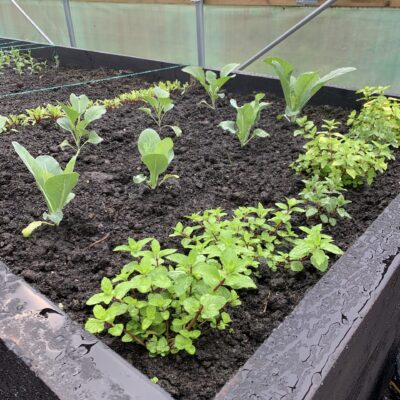
Roses are among the most beloved garden plants, admired for their beauty, fragrance, and the elegance they bring to any setting. They can, however, unfortunately be prone to a variety of diseases and pests that threaten their health.
By understanding the potential issues that can arise from rose diseases and pests, and adopting natural solutions, gardeners can ensure their roses thrive while supporting biodiversity and soil health.
Rose Diseases

Here are some of the problems that you should look out for if you are growing roses in your garden:
1. Rust
Rust is a fungal disease that manifests as orange or reddish-brown pustules on the undersides of rose leaves. It tends to develop in cool, moist conditions, particularly in spring and autumn. Left untreated, rust can cause leaves to yellow and fall prematurely, weakening the plant. To manage rust naturally, remove and destroy infected leaves and ensure good air circulation around the plants. Watering at the base of the plant rather than from above can help keep leaves dry and reduce the spread of fungal spores.
2. Mildew
Powdery mildew is a common issue that coats rose leaves, stems, and buds with a white, powdery substance. It thrives in warm, dry conditions but often appears when humidity levels fluctuate. Affected plants may experience distorted growth and reduced flowering. To combat powdery mildew, ensure good air circulation and avoid overcrowding plants.
3. Black Spot
Black spot is one of the most notorious rose diseases, caused by the fungus Diplocarpon rosae. It presents as dark, circular spots on leaves, leading to yellowing and premature defoliation. This disease spreads in wet conditions, particularly during prolonged periods of rain. To manage black spot organically, remove and dispose of affected leaves, improve airflow, and apply a natural treatment such as a baking soda solution mixed with water and a small amount of liquid soap to help prevent fungal growth.
4. Nutrient Deficiency
A lack of essential nutrients can weaken rose plants and make them more susceptible to disease. Common signs of nutrient deficiencies include yellowing leaves, poor flower production, and stunted growth. Ensuring roses receive balanced nutrition is key to their health. Compost, well-rotted manure, and natural fertilisers such as seaweed extract can provide necessary nutrients without harming the soil or local wildlife.
5. Replant disease
Replant disease occurs when new roses struggle to establish in soil previously used for roses. This is due to a build-up of soil pathogens and depletion of essential nutrients. To prevent this issue, practice crop rotation where possible and enrich the soil with organic matter before planting. Growing companion plants, such as marigolds, may also help to suppress harmful pathogens.
6. Die-back
Die-back is a condition where rose stems and branches turn brown and die, often due to fungal infections or damage from pruning. Ensuring clean, sharp tools are used when pruning and cutting stems at a 45-degree angle above a healthy bud can help prevent this issue. Applying a natural antifungal solution such as garlic or chamomile tea to pruning cuts may also help reduce infection risk.
7. Crown Gall
Crown gall is a bacterial disease that causes swollen, knobby growths on rose stems, often near the soil line. These growths can impede the plant’s ability to absorb water and nutrients. Once a plant is infected, it is difficult to cure. Preventing crown gall involves planting disease-resistant varieties and avoiding injuries to the plant’s base. Healthy soil rich in organic matter can also strengthen plants against infection.
8. Rose Mosaic Virus
This virus causes yellow mottling, distorted leaves, and stunted growth. It spreads through infected grafting material and has no known cure. The best prevention method is purchasing virus-free, organically grown rose plants and ensuring proper care to strengthen their natural defences against stress and disease.
Rose Pests
Here are some common pests that can affect roses:
9. Aphids
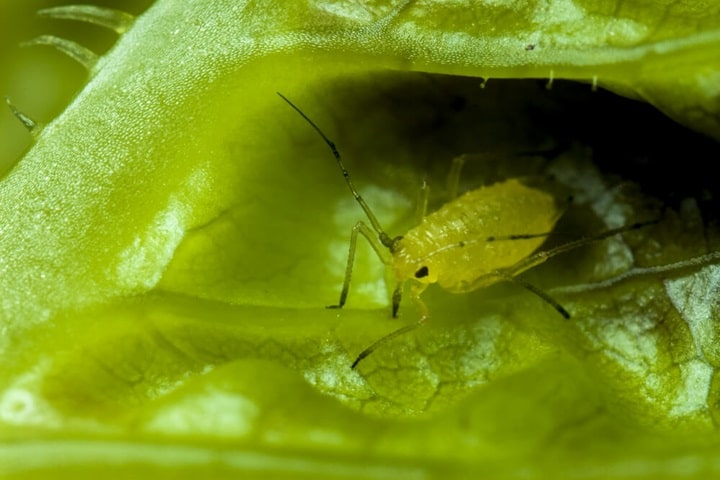
Aphids are small, sap-sucking insects that cluster on new growth, causing distorted leaves and reduced flower production. They also secrete honeydew, which can lead to sooty mould. Natural control methods include introducing beneficial insects such as ladybirds and lacewings, or using a mild soap solution to wash aphids away in the case of a severe infestation.
10. Thrips
Thrips are tiny insects that feed on rose petals, causing discolouration and deformed blooms. They are particularly active in warm weather. Encouraging natural predators like predatory mites and maintaining diverse plantings can help keep their numbers in check. A garlic or onion spray can also deter thrips effectively.
11. Rose Sawflies
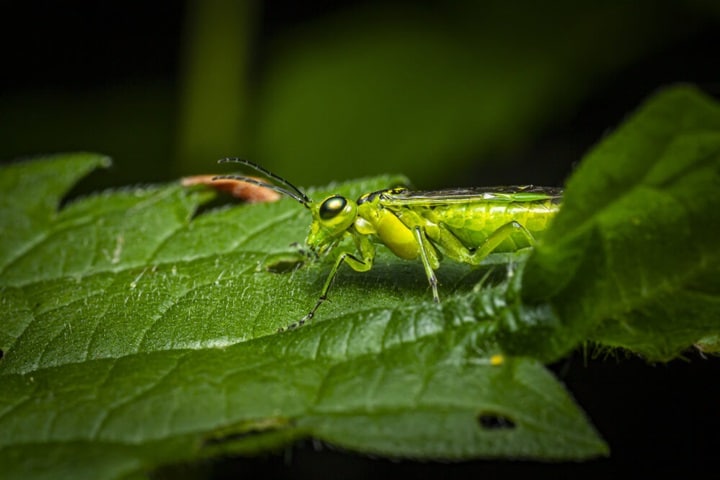
Sawfly larvae feed on rose leaves, skeletonising them and reducing the plant’s ability to photosynthesise. Handpicking larvae and spraying with a natural soap solution can help reduce infestations. Birds, such as blue tits, are natural predators of sawflies and can assist in keeping populations under control.
12. Japanese Beetles
These metallic-green beetles chew through rose leaves and flowers, causing significant damage. A natural control method is handpicking them in the early morning when they are less active. Companion planting with garlic, chives, or tansy can also help repel them.
13. Rose Curculios
These small beetles puncture rose buds to lay eggs, leading to bud drop and reduced flowering. Introducing beneficial nematodes to the soil and removing affected buds can help control their spread. Encouraging birds and other natural predators is another effective organic solution.
14. Rose and Pear Slugs
Despite their name, these pests are the larvae of sawflies, feeding on the surface of rose leaves. A strong blast of water or application of diatomaceous earth can help eliminate them without resorting to chemical pesticides.
Natural Ways to Prevent Rose Diseases

To sum up, the most important things when it comes to keeping roses happy and healthy are the environmental conditions and care that you provide, including sun and good airflow, water and nutrition.
Sunshine
Roses thrive in full sun, requiring at least six hours of direct sunlight each day. Sunlight helps keep foliage dry, reducing the risk of fungal diseases. Choosing a well-lit planting site is essential for healthy growth.
Air flow
Good air circulation prevents humidity build-up and reduces fungal infections. Proper spacing, strategic pruning, and mixed planting can enhance airflow around roses, making them less susceptible to disease.
Moisture and Damage
Watering roses at the base rather than from above helps prevent fungal spores from spreading. Mulching with organic matter retains soil moisture while keeping roots cool and protected.
Feeding
Healthy plants are naturally more resistant to disease. Feeding roses with compost, seaweed extract, and organic fertilisers promotes strong growth and resilience.
Inheritance
Choosing disease-resistant rose varieties can reduce the risk of infections. Many modern rose cultivars are bred for improved resistance to common diseases. It is also best not to plant roses into an area where another rose has recently been grown, nor to propagate from unhealthy plants which can potentially pass down problems to future generations.
Mixed Planting
Growing roses alongside other plants can help deter pests and support a balanced ecosystem. Companion plants provide natural pest deterrents and attract beneficial insects.
Roses thrive when planted alongside compatible companion plants that enhance their growth, deter pests, and improve overall garden health. One of the best choices for companion planting is lavender, which not only adds beauty but also repels aphids and whiteflies with its strong fragrance. Similarly, chives and garlic are excellent natural defenders, helping to ward off black spot, aphids, and Japanese beetles while simultaneously enhancing the fragrance of roses. Basil and thyme also make great additions, as basil promotes healthy rose growth and repels mosquitoes and thrips, while thyme acts as a natural deterrent against whiteflies and beetles.
Among flowers, marigolds repel nematodes and aphids while attracting helpful pollinators such as bees and butterflies.
Salvias
Salvias play a similar role by discouraging aphids and drawing in pollinators, making them a wonderful companion for roses. Salvias are particularly beneficial companion plants for roses, not only repelling aphids but attracting pollinators too. Their strong scent can also confuse pests, reducing infestations. They also look great below roses in a garden.
Geraniums offer another layer of protection by repelling Japanese beetles, while catmint (Nepeta) helps keep aphid populations in check. Alliums, including ornamental onions, not only add striking visual appeal but also act as a natural deterrent against snails and slugs.
Incorporating climbing plants like clematis can create a stunning display without competing for nutrients, while foxgloves bring height and attract beneficial pollinators. Feverfew is another useful companion that helps repel aphids, and yarrow supports garden biodiversity by drawing in predatory insects like ladybirds and lacewings. For ground cover, creeping thyme works well as a living mulch, helping to suppress weeds and retain soil moisture, while sweet alyssum attracts beneficial insects that keep aphid populations in balance.
By integrating these companion plants into a rose garden, gardeners can naturally improve their roses’ health, reduce the need for chemical treatments, and create a vibrant, biodiverse environment where plants thrive in harmony.
Ways To Prevent And Control Rose Pests
Encouraging biodiversity by planting a range of flowers and shrubs attracts beneficial insects and other wildlife that keep pests in check. Organic sprays such as garlic, or soap solutions should be viewed as a last resort for pest control in an organic garden.
Remember, you should have some pests in your garden in order to maintain a natural balance – the key is simply to keep them away as much as possible from key plants, and to keep their numbers in check.
How To Prevent Bud Balling
Bud balling occurs when rose buds fail to open, often due to damp conditions. Ensuring good airflow, planting in a sunny location, and applying an organic anti-fungal treatment can help prevent this issue.
Further reading about growing roses:
FAQs
What is the most common disease a rose bush can get?
Black spot is the most common disease affecting roses. It causes black, circular lesions on leaves, leading to yellowing and premature leaf drop. Ensuring proper air circulation, watering at the base, and using natural antifungal treatments can help prevent its spread.
Does Epsom salt help roses grow?
Yes, Epsom salt can be beneficial for roses as it provides magnesium, an essential nutrient that supports strong stems and vibrant blooms. However, it should be used sparingly and in conjunction with a balanced organic feeding programme.
What will a sickly rose bush look like?
A sickly rose bush may exhibit yellowing leaves, stunted growth, wilting, black spots, or leaf drop. Signs of distress can indicate nutrient deficiencies, pest infestations, or fungal infections, all of which can be managed using eco-friendly gardening methods.
Sources
Saga Magazine. (2024) The best new rose varieties to grow. [online] Available at: https://www.saga.co.uk/magazine/gardens/new-rose-varieties [accessed 26/03/2025]